
Disclosure: This post may contain affiliate links, meaning if you decide to make a purchase via my links, I may earn a commission at no additional cost to you. See my disclosure for more info.
It’s one thing to create a budget. It’s another to stick to it through thick and thin. Your goals, income, and expenses change. Your budget has to be flexible enough to change when your circumstances change. However, one thing must stay the same for it to truly succeed. Read on to learn essential budgeting tips and the key to being successful.
Envision Your Budgeting Success

If you’re sick of struggling financially or your financial life needs improvement, imagine a life where:
- Your paycheck arrives by direct deposit every two weeks on Friday.
- Some of your money goes toward retirement, some goes into savings, and your upcoming bills get paid, all thanks to automating your finances.
- Over the weekend, you run errands and go to dinner with your family.
- You have enough money to cover all your monthly expenses while your savings grow.
- There’s money in the bank available in case of an emergency.
- You pay for large purchases in cash by saving up for them instead of using credit cards.
- You spend quality time with your family without guilt or stress.
- You sleep better at night knowing that your financial life is under control.
Does that sound unrealistic? With a successful budgeting strategy, it’s not.
Persistence: The Key to a Successful Budget

Persistence is the key to a successful budget. But what does it mean to be persistent with your budget? Budgeting is deciding how you’re going to spend your money. Once you make those decisions, persistence means following through on your decisions. That doesn’t mean that once you create a budget, it’s set in stone, so let’s talk budgeting strategy and how to instill persistence by design.
A Successful Budgeting Strategy

You make a budget because you have financial goals. You might want to get out of debt, own your home, pay for your child’s college education, or retire early. A successful budget starts with keeping your goals in mind when you create your first budget.
A budget is more than a tally of your monthly income and a list of expenses. It reflects your financial goals and priorities, and every decision you make throughout the budgeting process should reflect these.
Analyze Your Spending

You’ll need to gather your pay stubs, bank statements, receipts, and bills. Identify your fixed expenses, like rent, which are due the same day for the same amount every month. Average your variable costs, like groceries, which can change based on your needs or use. Don’t forget periodic expenses, like car registration and back-to-school stuff.
Set-up Your Budget
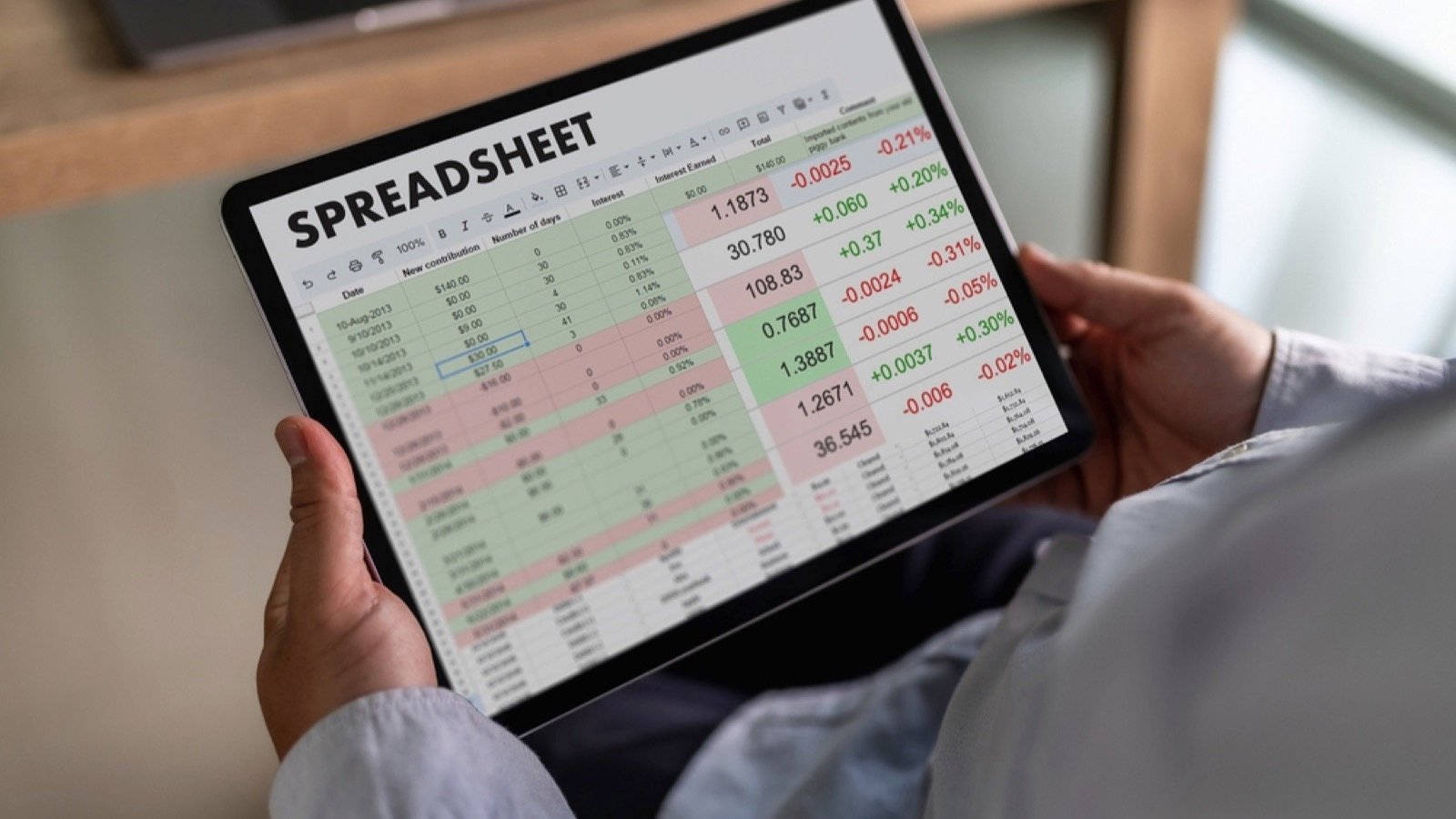
Calculate your typical monthly income and add up your usual monthly expenses. You can use a pen and paper, a spreadsheet, or free budgeting software like EveryDollar.
After you’ve done the math, if your income is higher than your expenses, you’re off to a good start. But you have work to do if your expenses exceed your income. You can either reduce expenses or increase income.
Create a Realistic Budget

A solid budget plan, one you can live with and stick to, has to be realistic. You can’t just decide you’ll only spend $200 a month on groceries if you spend $600 in a typical month. If you’re unsure how much to budget for each expense category, review your bank statements or track your expenses for a week or two to get a baseline.
Keep the Budgeting Process Simple

You can use any budgeting method you like, whether that’s the envelope system, a zero-based budget, the 50-30-20 method, or something else. However, to increase the likelihood of sticking to your budget, focus on finding a simple and enjoyable system. A simple budget can be just as effective as the most elaborate, labor-intensive budget.
Decide Which Expenses You Can Cut

You’ll likely recognize a few expenses worth eliminating when you track and review your spending more frequently. Examples could include the amount you spend in restaurants or on subscriptions you don’t use. While it’s easy to obsess over little things and save a few bucks here and there, you should also consider how you might save money on more significant expenses you can’t avoid.
Negotiate Lower Rates on Reoccuring Expenses

Can you reduce living expenses by saving on your housing expenses, grocery budget, or transportation costs? Rent and other fixed expenses are hard to reduce, but it can be done.
Also, consider lowering other costs like car, home, or life insurance and utility bills. You can often find cheaper insurance by shopping around. You can lower your utility bills by reducing usage, switching to LED light bulbs, and opting for energy-efficient appliances.
Only Buy Items You’ve Budgeted For

You understand why budgeting is essential, but that doesn’t make it any easier to stick with it. If you’ve ever gone to a store intending to buy one or two specific items and come home with a bunch of stuff that wasn’t on your list, you know how quickly impulse buying will destroy even the most carefully prepared budget. Once you have a budget in place, stick to your list!
Skip the Sale

Yep, you read that right. Skip the sale. You may be tempted to tell yourself you’ll make up the overage on this month’s budget next month, but that’s a slippery slope that’s more difficult to come back from than you may think. A good deal on shoes is only good if you budgeted for shoes this month and the sale price is below your budgeted amount. Remember, nothing is a bargain if it requires going over budget or into debt.
Consider Increasing Your Income

Depending on your current career, industry, and in-demand skills, you may have opportunities to increase your income without too much additional effort. When was the last time you had a performance evaluation, or did you consider contacting recruiters for a better sense of the job market? Your talents could be of greater value at another company or in a slightly different role.
Diversify Your Income

Living a more frugal life by cutting unnecessary spending isn’t the only way to improve your current financial situation or reach your savings goals. Having multiple income sources helps you achieve your goals faster. It also provides some protection in case of a job loss, a pay cut, or unplanned expenses. You can get a second job, freelance in your spare time if you have in-demand skills, or pick up gig work or a side hustle.
Live Below Your Means

To live below your means, you must spend less than you earn. It’s one of the most basic principles of personal finance and one of the most crucial. You cannot create a successful budget or meet your financial goals if you don’t spend less than you make. It only takes a couple of bad decisions to blow up your finances. Creating and following a budget will enable you to make better decisions and stay financially sound.
Save for Emergencies

Financial plans that don’t include setting money aside for emergency expenses are incomplete. Unexpected expenses often lead people into credit card debt or other financial trouble. Medical issues, car problems, home repairs, job loss, and other emergencies can lay waste to your finances. You can’t predict every possible scenario where tapping your emergency fund will be necessary, but you can expect the unexpected.
Review Your Budget Regularly

Review your budget monthly. The end of the month, when you’re planning for next month, is a perfect time to do this. Compare what you planned on spending versus what you actually spent. If you go over in a particular category, figure out why. Look for changes in income or expenses, find leaks within your discretionary spending, and make adjustments as needed.
Finding Budgeting Success

Once you create a realistic and accurate budget, the one thing that will determine whether you succeed or fail is persistence. That’s the key to a successful budget. Your persistence in sticking to the budget in the face of temptation and opportunities to overspend can turn your current finances around and help you reach your goals.
30 Tricks to Save on the Electricity Bill No One Talks About

Utility bills are inevitable, but you can reduce your consumption and spending. Here are thirty uncommon tips to help you be more energy-conscious, benefiting the planet, your wallet, or both.
30 Tricks to Save on the Electricity Bill No One Talks About
17 Items to Cut From Your Budget You Won’t Miss

Are you feeling the pinch in your wallet? You’re not alone – many of us are looking for ways to save money without drastically changing our lifestyles.
But what if we told you there are things you’re spending money on right now you wouldn’t even miss if they were gone? Yes, you read it right! This blog post is all about those sneaky budget items that are quietly draining your bank account.
We’ve rounded up 17 items you can cut from your budget today. So, let’s dive right in and save more of your hard-earned money!