
Disclosure: This post may contain affiliate links, meaning if you decide to make a purchase via my links, I may earn a commission at no additional cost to you. See my disclosure for more info.
Are you confident in your ability to manage money, or do terms like “compound interest” and “asset diversification” make your head spin? Financial literacy is more than just balancing a checkbook—it’s about understanding the building blocks that lead to financial independence and security.
This guide will walk you through 15 vital aspects of financial literacy, each a cornerstone of savvy money management. Ready to put your knowledge to the test and uncover new strategies to boost your financial health? See how well you know these essential principles of building a solid financial future.
1. Budgeting

I’m consistently shocked at how many people don’t grasp the concept of proper budgeting. Given its importance as a building block to financial success, budgeting should be called Financial Literacy 101.
In short, understand the importance of a balanced personal budget. Your monthly income should exceed your expenses; always keep this basic idea in mind, and you’ll never be in a precarious financial situation!
2. Identifying Different Accounts

Not all bank accounts are created equal. Before depositing their hard-earned cash in any account, people should be aware of the differences between a checking and a savings account. I was fortunate to learn about the differences at a young age, but many people can’t say the same.
Comprehending little things about each account (for example, did you know you can only withdraw money from a savings account a few times each month without incurring fees?) goes a long way toward total financial literacy.
3. Debit Cards vs. Credit Cards

It’s shocking how many people use credit cards as if they’re debit cards! The two types have a distinct difference: debit cards are used to spend money you have, while credit cards are used to borrow money you don’t have. It’s vital to understand this.
Debit cards have a built-in failsafe against irresponsible spending: transactions will be declined if insufficient funds are available. I advise sticking to debit card use until someone is responsible enough to handle credit card payments.
4. Making a Deposit

Deposits come in many shapes and sizes, and you owe it to yourself to be familiar with all of them. Direct deposits through an employer, cash deposits at the ATM, and mobile check deposits differ; each method makes money available at various times.
At the very least, you should understand how to make a simple deposit at your local bank. I know a friend who had no idea he could deposit cash into his checking account. I almost fainted!
5. ATM Basics
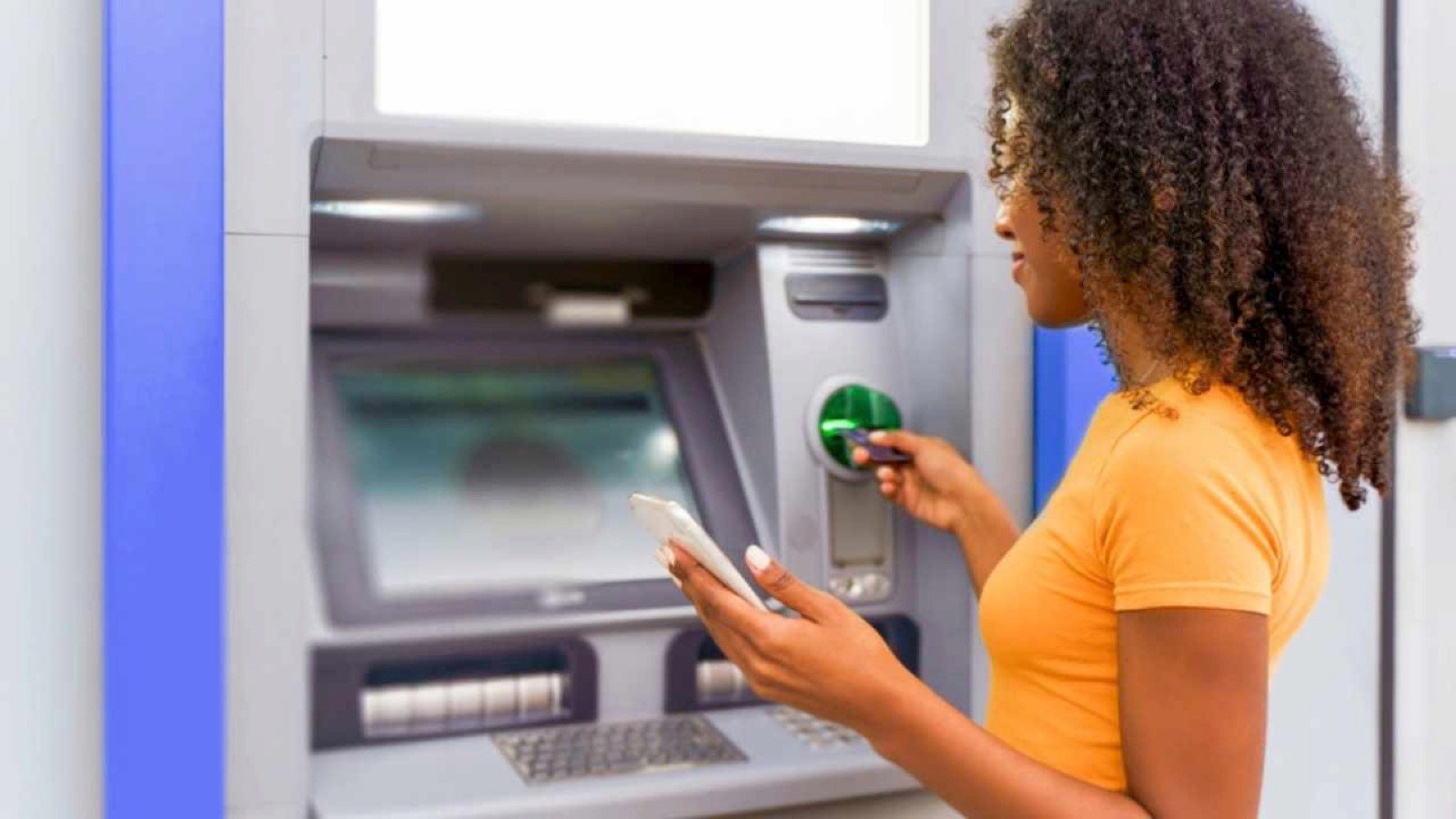
While they’re not nearly as ubiquitous as in the 1990s and 2000s, ATMs are still a significant aspect of financial literacy. You should be comfortable depositing and withdrawing cash from any ATM you encounter. Please familiarize yourself with the next ATM you see; knowing the basics of their operation will be handy in the future.
Thankfully, most ATMs worldwide are set up in the same fashion, so the know-how you obtain should work where you are.
6. Responsible Credit Card Use

Upon receiving my first credit card in college, I immediately maxed it out with no way of paying any of it back. (Thankfully, my credit limit was relatively low.) However, it took me years to pay back the few thousand dollars I owed; I eventually paid a collection agency that hounded me via phone for years.
One of the most essential financial literary basics is grasping the responsibility of credit card usage. It takes discipline and self-control, but if you can handle the pressure, you’ll get rewarded with more credit over time.
7. How to Operate Your Bank’s Smartphone App

In 2024, brick-and-mortar banks are quickly becoming extinct. Thankfully, modern smartphone bank apps are more than capable of picking up the slack, offering many of the same features as a physical location has.
Learn to appreciate having your bank in the palm of your hand. Treat it with the same respect you would your favorite social media apps. You know your way around TikTok, so do whatever it takes to ensure you know how to operate your bank’s app. It’s only fair.
8. How to Use Online Banking in General

While smartphone apps are a convenient way to manage your finances, your bank’s website (and accompanying online banking features) offer even more features you should take full advantage of, so you should familiarize yourself with them.
Be honest: you’re reasonably tech-savvy, so there’s no excuse for not being proficient in your bank’s website. If my mom can set up automatic monthly transfers to her savings account, you can, too!
9. Avoiding Significant Debt

In a perfect world, you’ll stay debt-free (fingers crossed). Unfortunately, that’s not feasible for most Americans in 2024. However, if you mitigate the debt you take on, you’ll enjoy a far more comfortable life than if you spend like there’s no tomorrow!
The less money you need to pay back later, the more you’ll have. Avoiding significant debt puts you in a favorable position to purchase big-ticket items like a home or car.
10. The Importance of a Good Credit Score

Let me clarify: everything you do impacts your credit score. Paying bills, getting new credit cards, applying for car loans, and many other financial actions affect your score (for better or worse). Always remember the value of a good credit score!
Those of us with healthy credit scores have had doors opened, such as lower interest rates and monthly payments. However, you must prioritize your credit score to open these doors.
11. Emergency Fund

I can’t stress enough the importance of an emergency fund. It’s the difference between financial ruin and being able to live an everyday life. Do whatever it takes (in the form of regularly recurring transfers to your emergency fund), and thank me later.
You never know when an emergency will strike, so protect yourself with a fully funded emergency bank account. It’s the most logical way to safeguard yourself against unforeseen financial circumstances.
12. Why You Need a Bank Account

Although living off the grid and being free from the burden of a bank account seems delightful, if you want to be a productive member of society, you need one!
Countless things will be unavailable to you without establishing a bank account at an early age, especially credit. Credit is the driving force behind your financial success, and you can only build credit if you have basic bank accounts. Without one, good luck getting approved for loans in the future.
13. Living Within Your Means

The underlying concept of “living within your means” is straightforward: don’t buy things you can’t afford! A “Keeping up with the Joneses” mentality is one of the quickest ways to find yourself in financial peril by raising substantial credit card debt and mounting bills.
If you have to convince yourself you need to buy something you don’t need, consider that a sign to not purchase it. Let’s be honest: You don’t need a new car when your old one runs perfectly fine, and you don’t need designer clothes.
14. Fees and Interest Rates

Although some exceptions apply, most modern banking carries regular fees that can impact your financial standing. Know your account’s fee schedule like the back of your hand, and you won’t be caught off guard by something trivial like an overdraft charge giving you an unexpected negative balance!
When I was young, I was routinely blindsided by these (arguably predatory) fees, and it took me a long time to fully grasp the implications of ignoring my bank’s rules.
15. Safe Investments

Everybody wants to invest their money in something that will yield even more cash. However, in most cases, this is easier said than done. Take it from someone who knows: invest responsibly! If you have excess cash lying around, at the very least, deposit it into a high-yield savings account.
Don’t agree to invest in a friend’s business venture, avoid cryptocurrency volatility, and be wary about any investment that seems too good to be true!
The Purpose of a Budget and 11 Reasons Why You Need One

The primary purpose of a budget is to track your income and expenses. A budget also ensures your bills are paid on time, helps you plan for the future, helps identify any bad spending habits or areas where you could reduce your spending, and ensures that your spending reflects your priorities. By creating a budget and sticking to it, you can ensure your needs are met, your bills are paid on time, you get out of debt, and you meet your financial goals.
17 Items to Cut From Your Budget You Won’t Miss

Are you feeling the pinch in your wallet? You’re not alone – many of us are looking for ways to save money without drastically changing our lifestyles. But what if we told you there are things you’re spending money on right now you wouldn’t even miss if they were gone? Yes, you read it right! This blog post is all about those sneaky budget items that are quietly draining your bank account. We’ve rounded up 17 items you can cut from your budget today. So, let’s dive right in and save more of your hard-earned money!
18 Ways to Save Without Sacrificing Life and Happiness

Do you want a new perspective on saving money? If you think this is another article telling you to skip your morning coffee or give up dining out, then let us tell you—it’s not! This blog post discusses 18 innovative and painless ways to save cash without sacrificing the things that make you happy. We believe that a good life isn’t about cutting back on everything you love but about making smarter decisions with what you have. So, if you’re ready to start saving without compromising your lifestyle or happiness, dive right in!