Disclosure: This post may contain affiliate links, meaning if you decide to make a purchase via my links, I may earn a commission at no additional cost to you. See my disclosure for more info.
Is your fear of killing another innocent plant keeping you from enjoying the benefits of a few houseplants? Don’t suffer needlessly in a drab office or lifeless home. There’s a better option.
Truly, anyone can enjoy the many benefits of beautiful greenery in their homes. The trick is choosing the right type of plants to suit your skill level and available time. But before you swear you’re cursed with a black thumb, hear me out.
I’ve been there and left plenty of once beautiful, lush plants to rest as dust in the trash bin. But with time, practice, and research, I have had great luck with some hearty, low-maintenance plants. So, next time you’re ready to add a literal breath of fresh air to your space, choose one of these plants.
1. Snake Plants
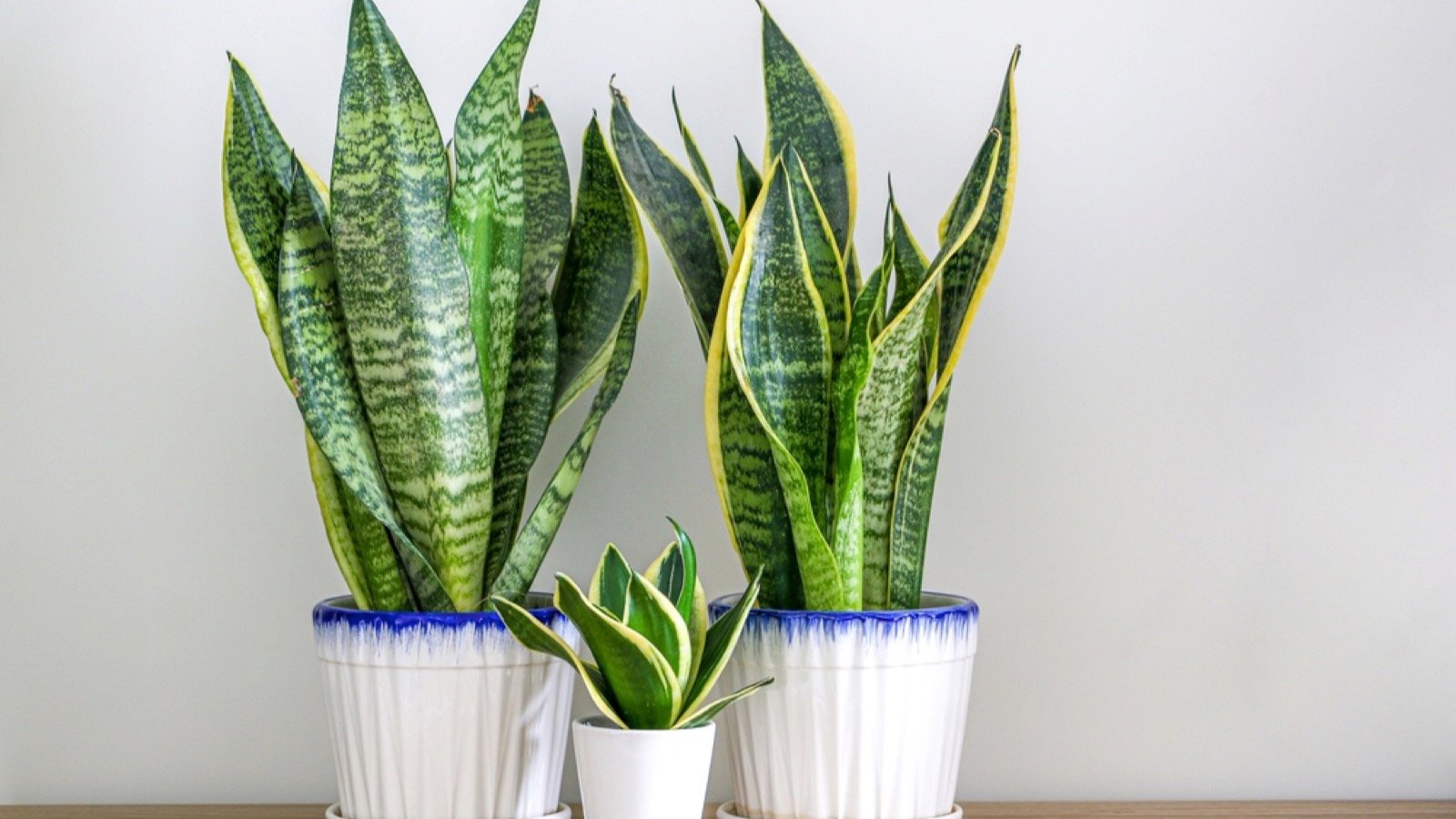
Snake plants need repotting every once in a while since they tend to sprout new growth. Studies show that handling dirt can help with stress, so it’s a win-win situation.
These plants only need to be watered when the top soil layer feels too dry — about every two to three weeks. They aren’t picky about how much sunlight they need.
2. Pothos
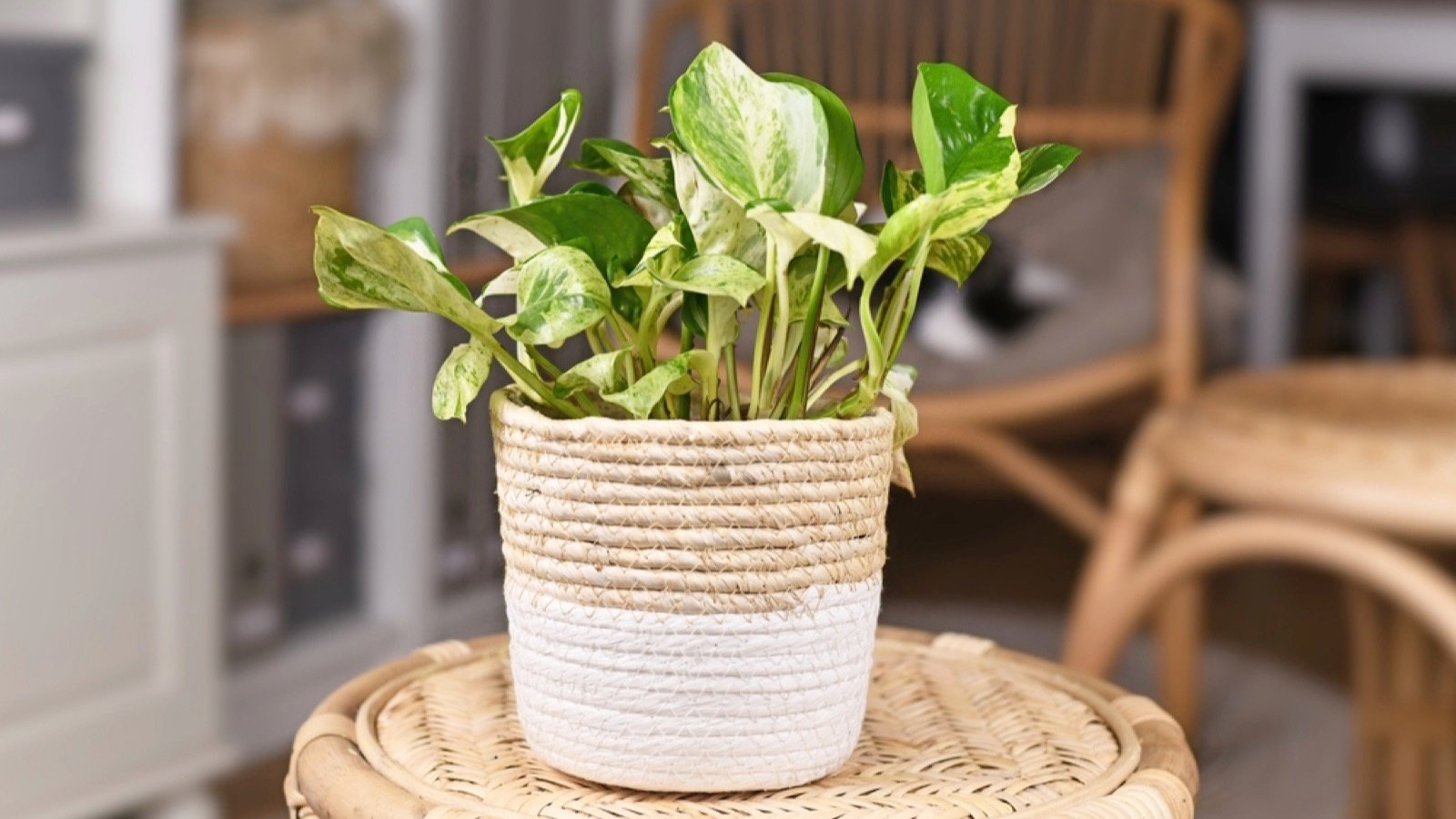
This vine comes in several shades of green and is known for its heart-shaped leaves. Unlike most indoor plants, pothos are forgiving when it comes to watering.
These plants suit busy people. They thrive even with occasional neglect. While they do best in bright but indirect light, they can also survive in low light.
3. Monstera
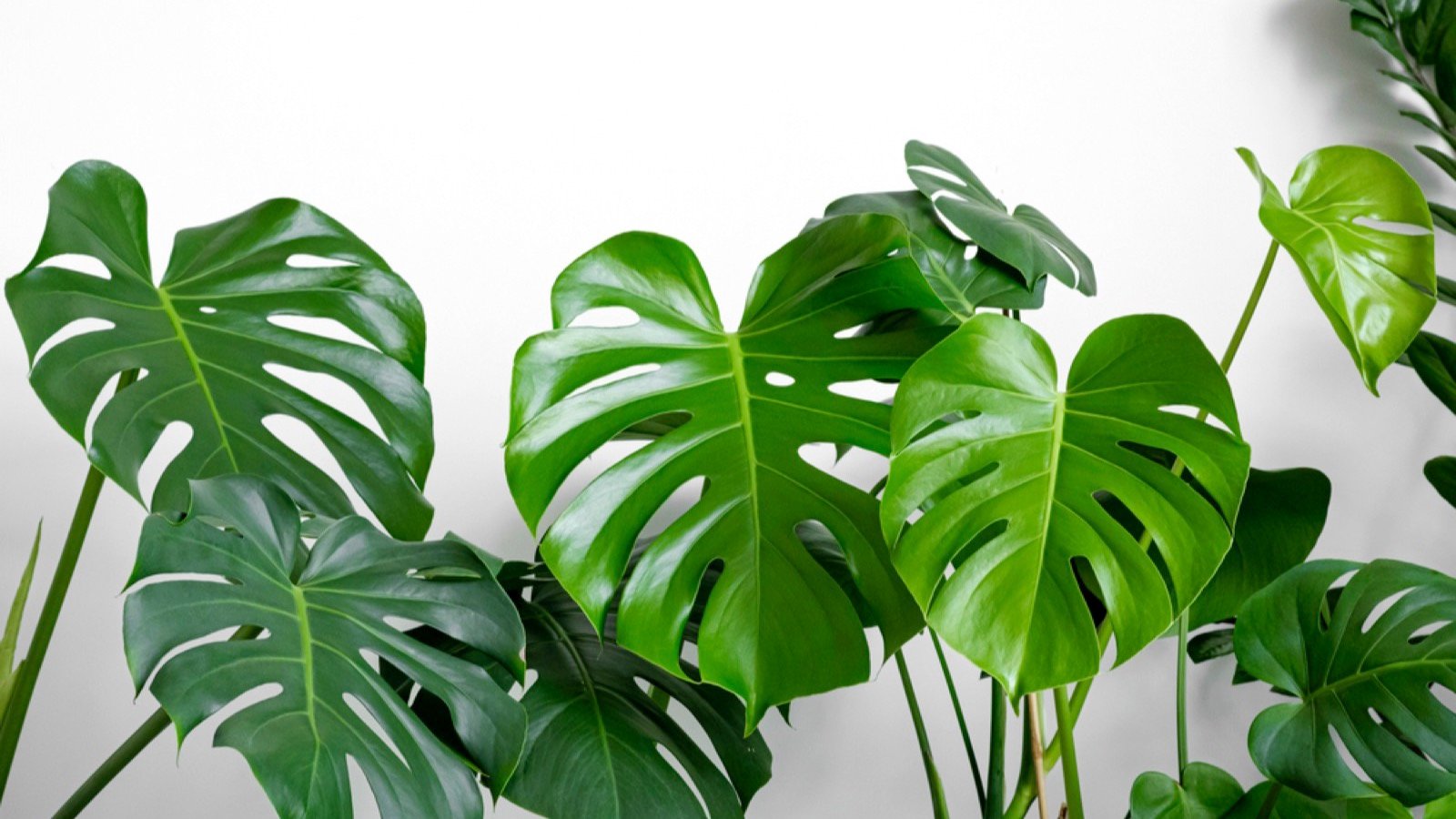
Monstera plants have become increasingly popular due to their appearance. They’re perfect for indoor home decor and brighten up any room where they are.
These plants can thrive at any temperature and have a good water balance. The soil should be neither too dry nor too moist.
4. Tillandsia
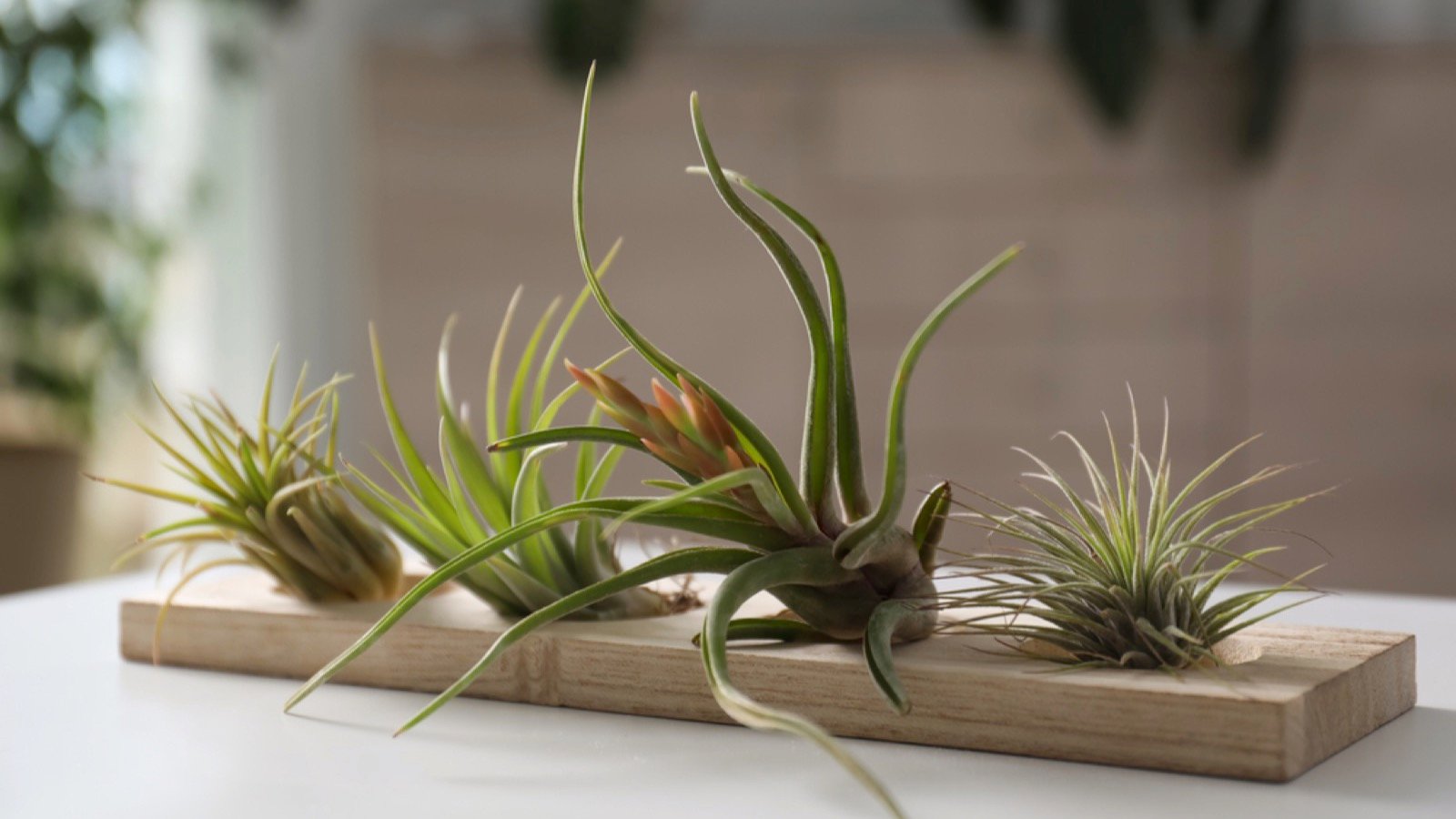
Nothing is more low maintenance than a plant that doesn’t need soil. Tillandsia is an air plant that only needs to be sprayed with water occasionally.
Watering it twice a week is more than enough. However, to be sure the plant remains healthy, owners can soak it in water every three weeks.
5. Aloe Vera
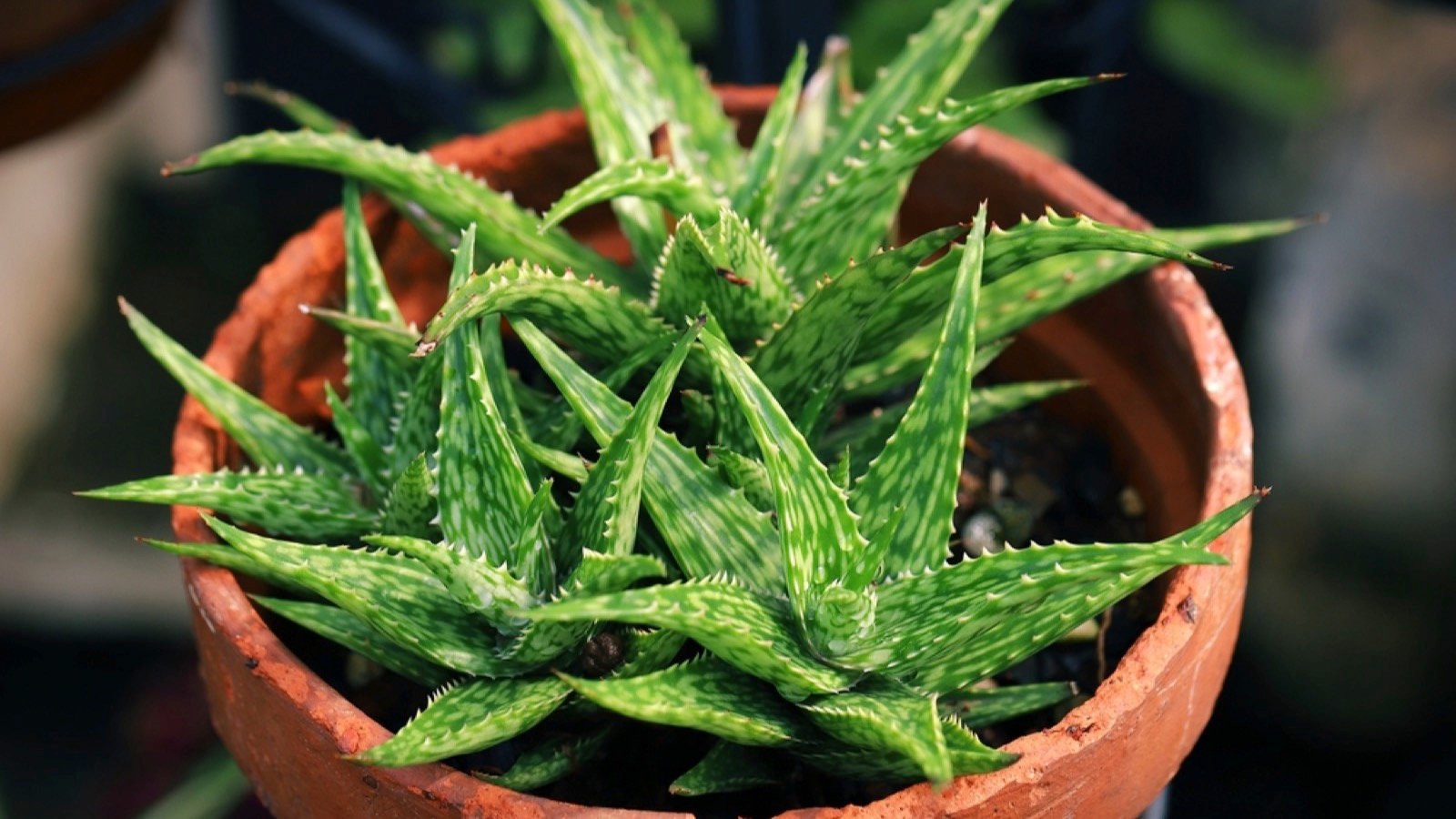
Aloe vera is a great indoor plant and has many other uses. Due to its powerful antioxidants, aloe vera can be used for skin care. It soothes sunburns, treats acne, and acts as a moisturizer.
Aloe prefers pots made from porous materials. Since it’s a type of succulent, owners need to water it only occasionally but adequately. If the soil is dry an inch from the surface, it’s time to water the plant.
6. Spider Plants
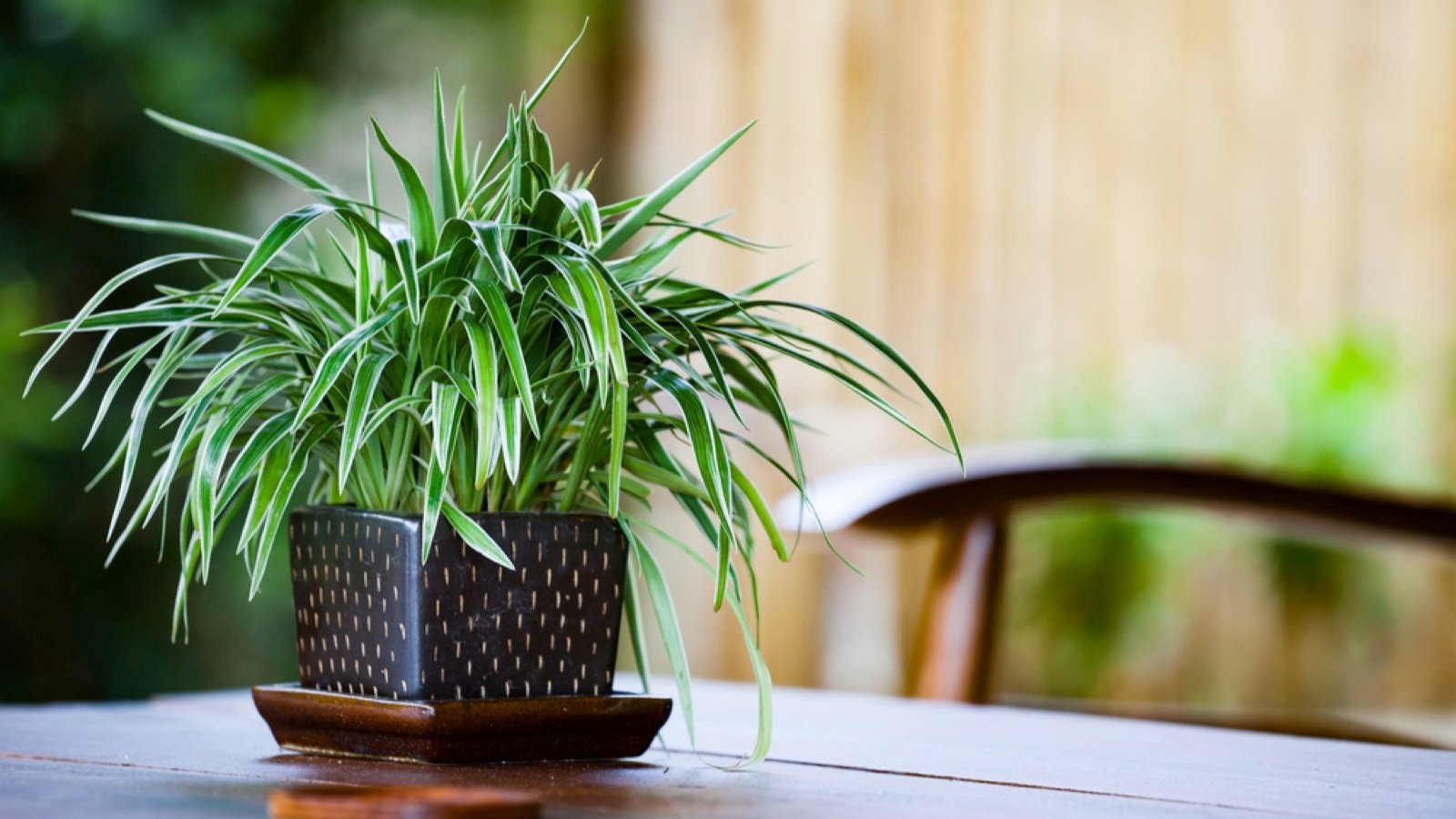
There’s no better way to clean indoor air than doing so naturally through spider plants. The plant naturally absorbs chemicals from the air, including xylene pollutants.
Forgetful owners don’t have to worry too much about spider plants. They can survive under almost any conditions and go weeks without water.
7. Hoya

Finding indoor plants that are easy to care for but those with blossoming flowers can be challenging. Yet, Hoya is known for its waxy leaves and blooms from June through September.
Hoya doesn’t attract insects and must be watered every two weeks. It’s best to let them dry out completely before watering them.
8. Dieffenbachia
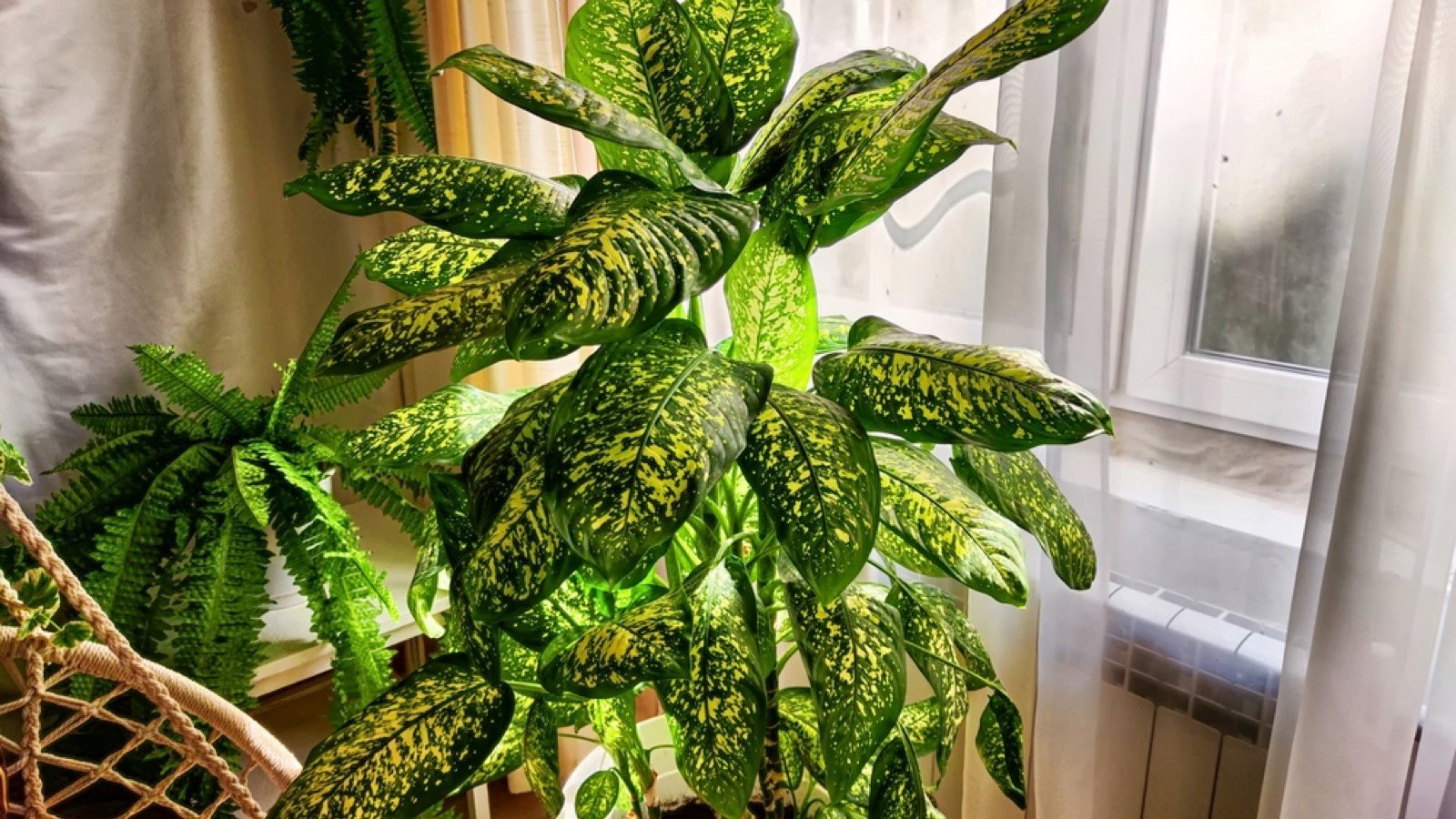
This plant has leaves that combine green and cream colors and can grow up to two feet tall within a year. Since it’s a tropical plant, it thrives in high humidity.
Owners should know that the plant’s toxins can temporarily paralyze vocal cords if accidentally digested or chewed. It’s not a safe plant for people with pets or small children.
9. Dracaena
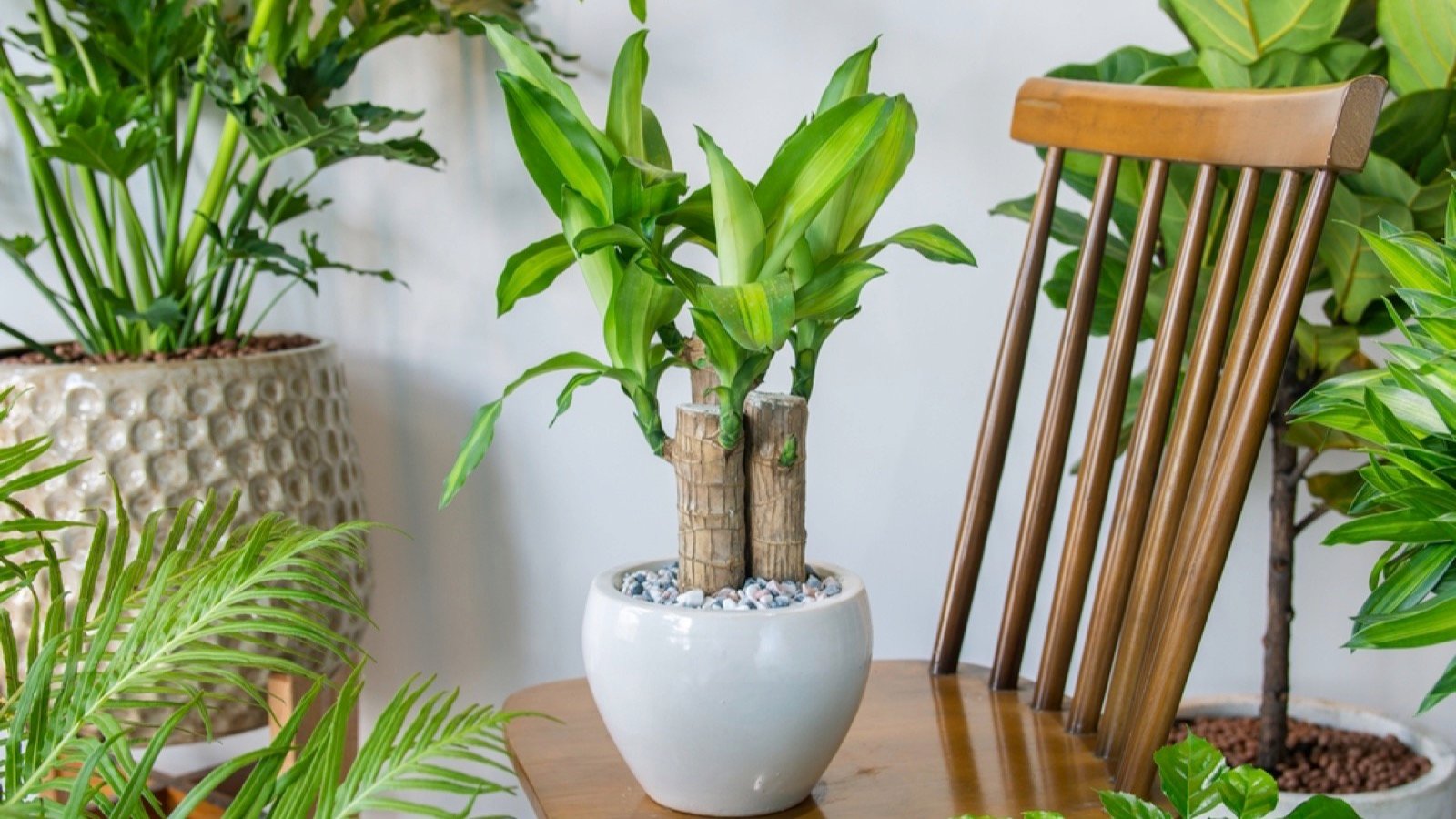
The dracaena’s attractive foliage is due to its variety of colors. Its height depends on its humidity levels, and this tropical plant can grow up to eight feet tall indoors.
There are several types of dracaena. All are easy to care for and can survive in low light. They need to be kept moist throughout the year except during the winter.
10. ZZ Plant
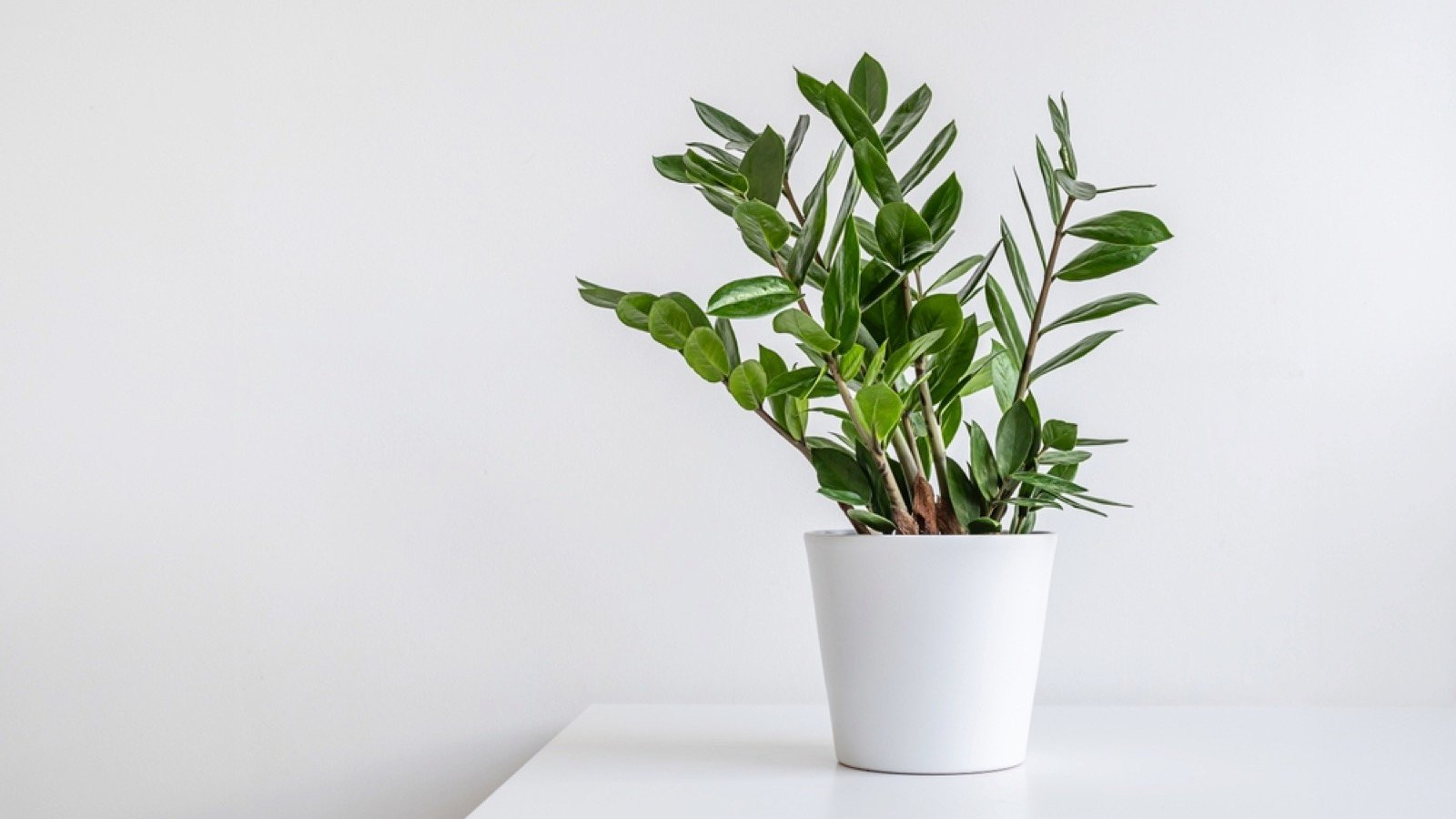
The deep green shade of ZZ plants and their waxy leaves often give the appearance of an artificial plant. While they’re slow to grow, they’re long-lasting.
The best time to plant a ZZ plant is during spring or summer. They can tolerate infrequent watering but are toxic to pets and humans if ingested.
11. Peace Lily
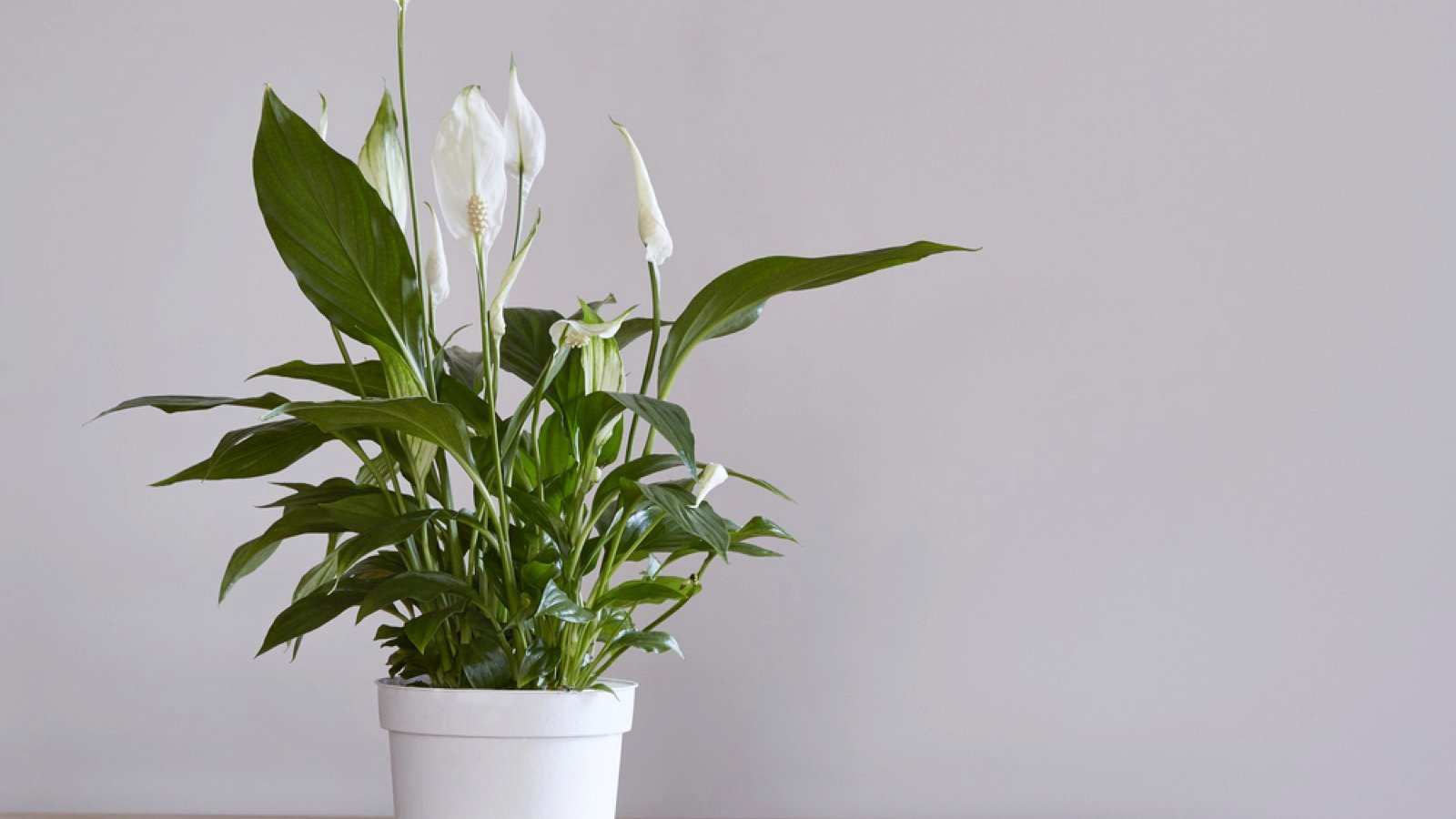
Peace lily is known for its air-purifying qualities and elegant white flowers. Although direct sunlight can burn its leaves, it grows well under all kinds of indirect lighting.
The lightly fragrant flowers are long-lasting for most indoor flowering plants. Peace lilies prefer a consistent temperature, so it’s best not to place them near open doors or windows. However, they are highly toxic to pets and humans if ingested.
12. Rubber Plants
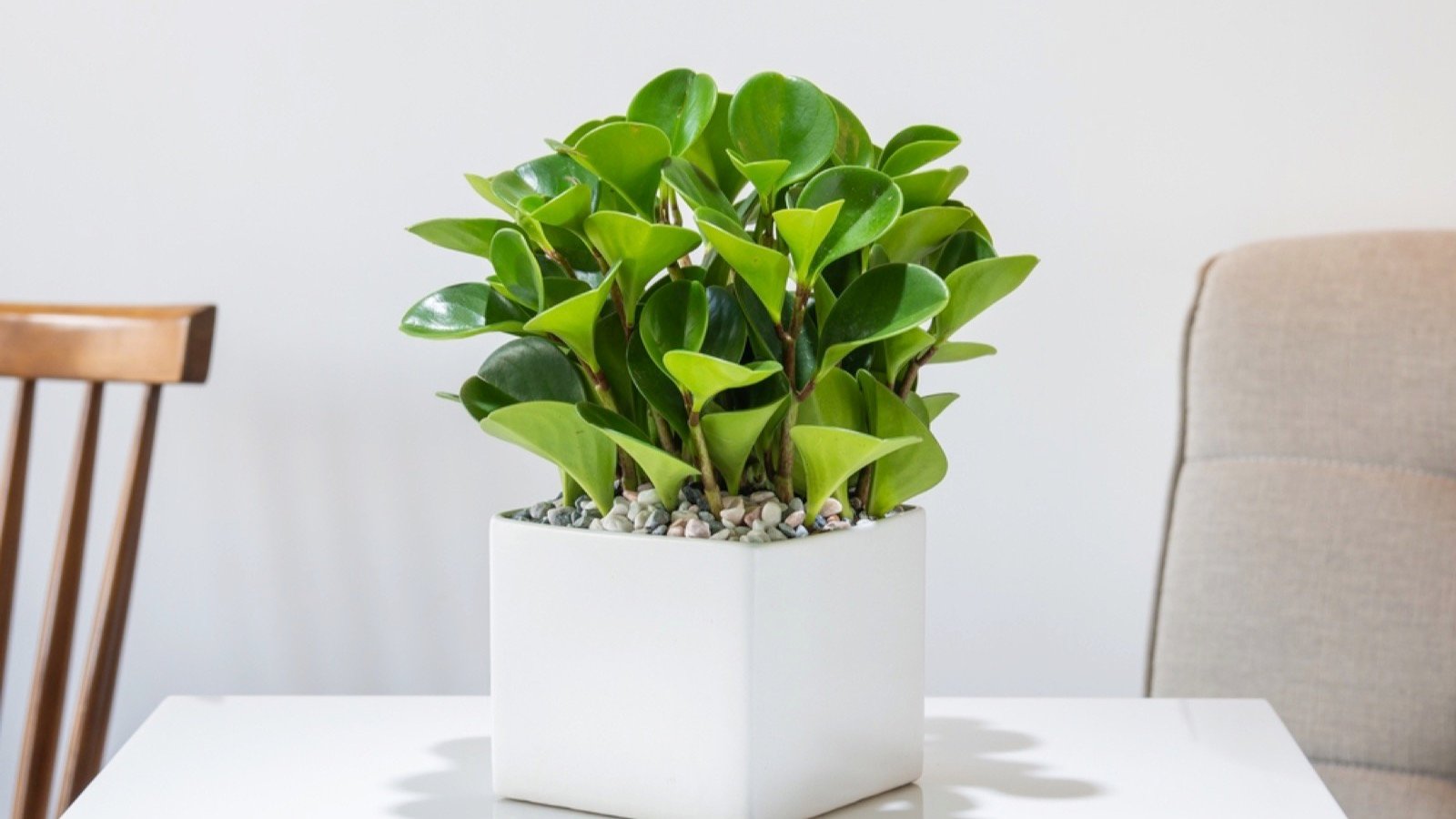
What better way to add a bold statement to any space than through these large, glossy, leafed plants? This houseplant easily survives in colder zones since it doesn’t need much sunlight.
Rubber plants are ideal for people with asthma or allergies. They help indoor humidity levels by releasing moisture, while their leaves trap dust and pollen.
13. Chinese Evergreen
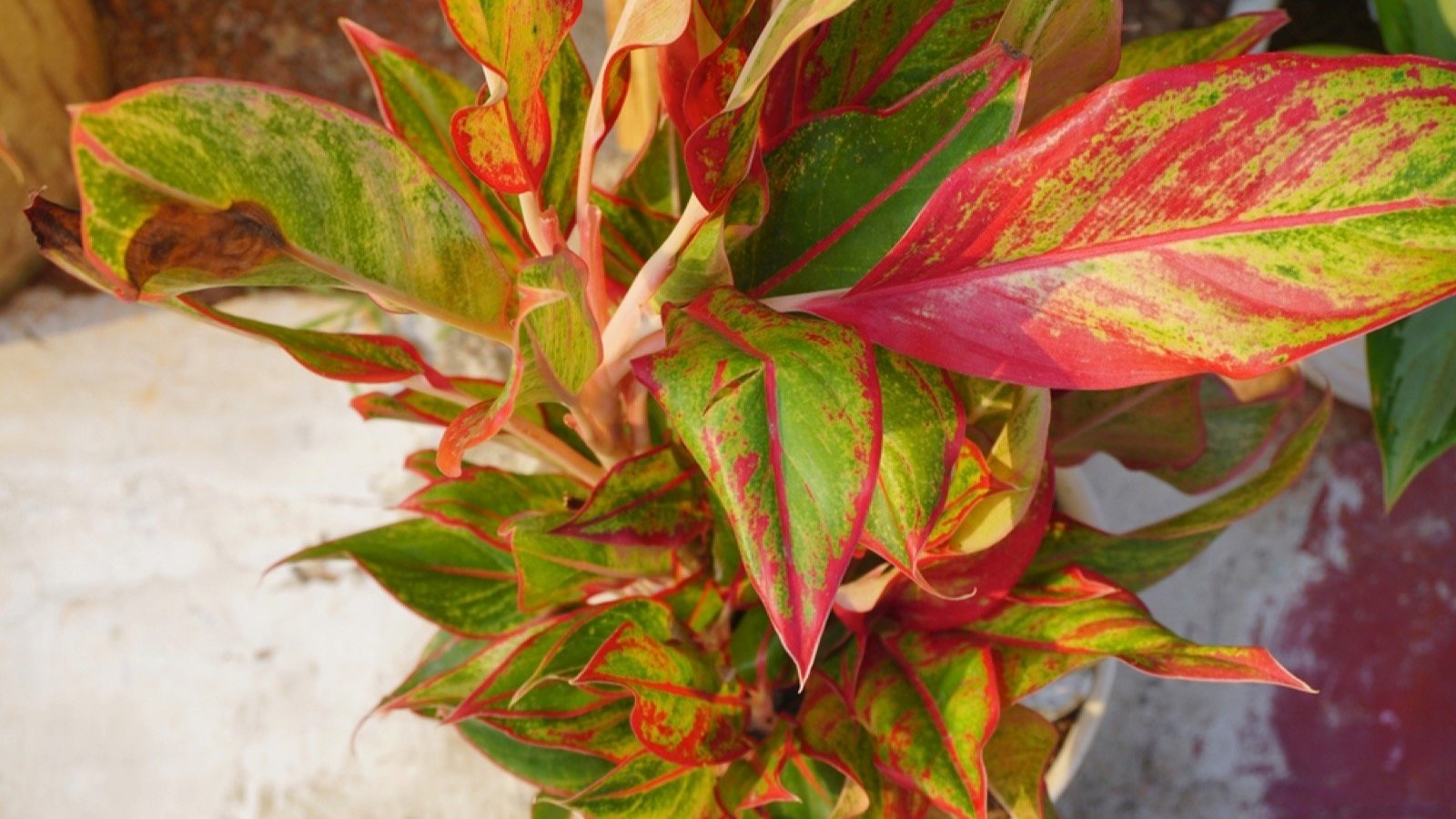
No evergreen is as colorful as the Chinese Evergreen. These plants come in several shades of green and also in shades of red and silver.
The optimal spot for these plants is bathroom windows. That environment provides the perfect blend of high humidity and indirect light.
14. Haworthia
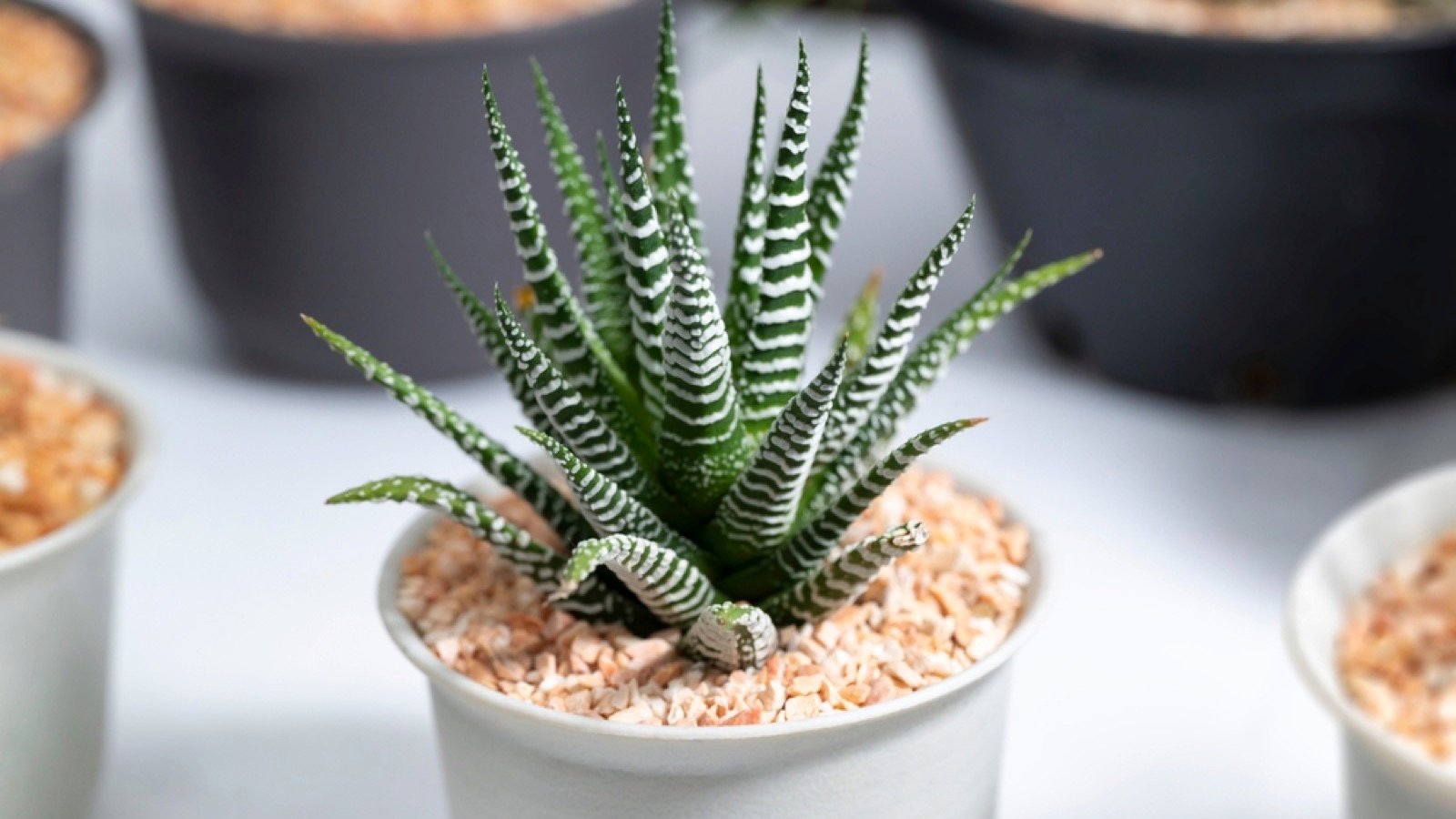
Succulent plants are the easiest to maintain, and their small size makes them perfect for gift-giving. Many people favor Haworthia’s rosette-shaped leaves.
The Haworthia’s small size allows it to be placed in even the tiniest spaces. Since it’s a succulent, owners don’t need to water it constantly.
15. Cast Iron Plant
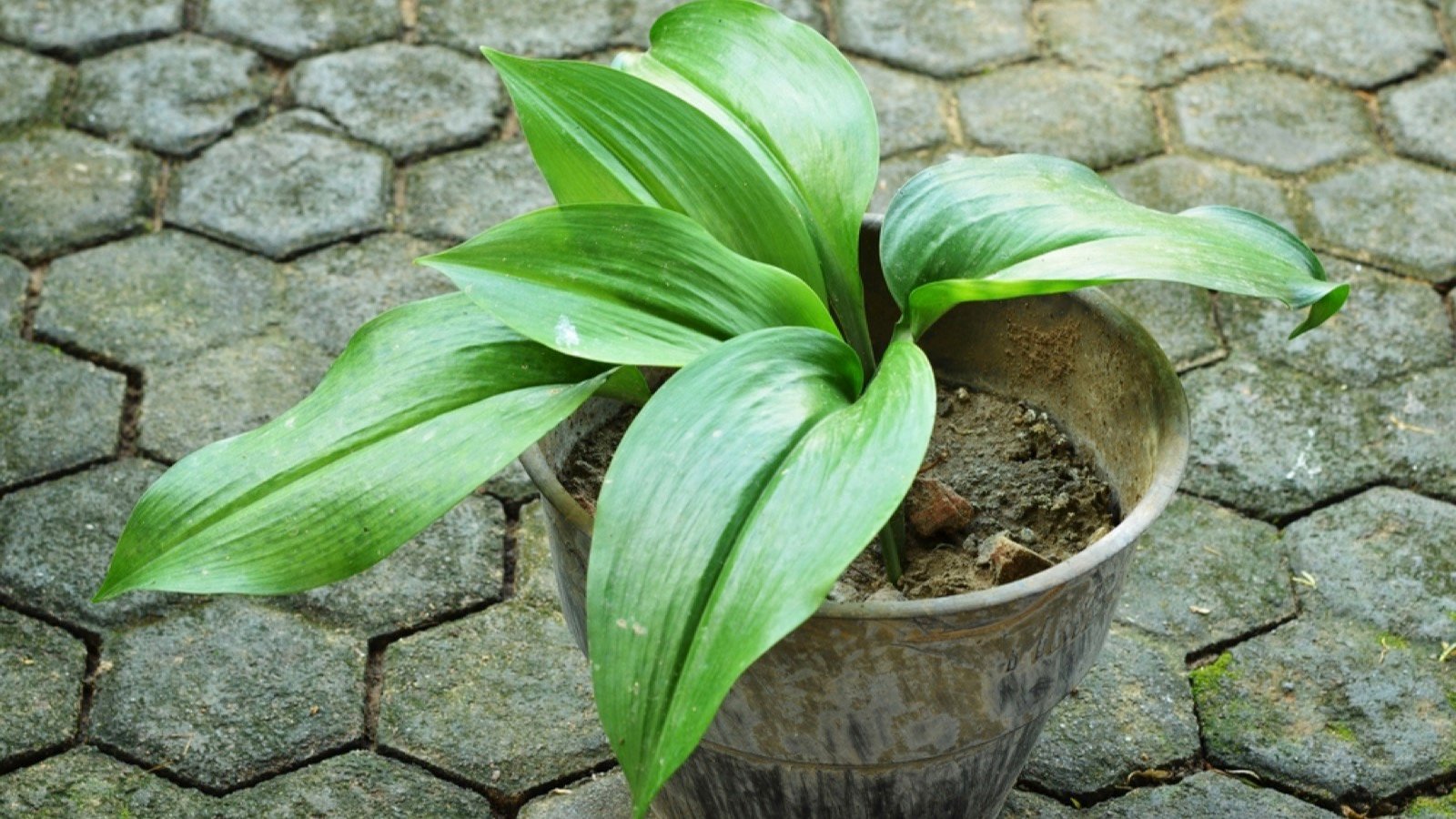
Cast iron plants have always held a lot of significance in Asian cultures. They’re meant to symbolize prosperity and endurance.
These lucky plants are incredibly resilient and require little watering. Cast iron plants’ large, leathery leaves add the perfect pop of green to a home’s interior.
23 Effective Ways to Reduce Housing Expenses

- Image Credit: Shutterstock.
Being frugal works wonders. Frugality can help you get out of debt, build your savings, and reach your financial goals. Unfortunately, it’s too easy to obsess over plugging little money leaks while neglecting saving money on major expenses you can’t avoid, like housing. Significantly reducing your monthly housing expenses can help you meet your financial objectives. Here are some ways to lower housing costs. Certain housing expenses are universal. But there are many ways to cut back on housing costs, whether you’re renting, considering buying a house or already owning a home. Here are the best tips for reducing housing costs, starting with a few universal tips for spending less on housing.
- Read More: 23 Effective Ways to Reduce Housing Expenses
The 41 Biggest Wastes of Money

If you’re looking for ways to earn more money to put toward your goals, start by examining your spending habits. By tracking your spending and seeing where every dollar goes, you’ll likely find several instances of spending money you don’t have to. It could be little things that add up or recurring monthly expenses that are an utter waste of money.