
Disclosure: This post may contain affiliate links, meaning if you decide to make a purchase via my links, I may earn a commission at no additional cost to you. See my disclosure for more info.
Whether it’s about outer space, history, or strange animals, mind-bending facts challenge our preconceived notions and force us to re-evaluate what we think we know about the bizarre and unique aspects of our world. Plus, having these interesting conversation starters in your back pocket isn’t a bad idea for a date. Reddit’s resident brainiacs have curated a list of facts that will surely blow your mind!
Avocado Is Considered a Berry
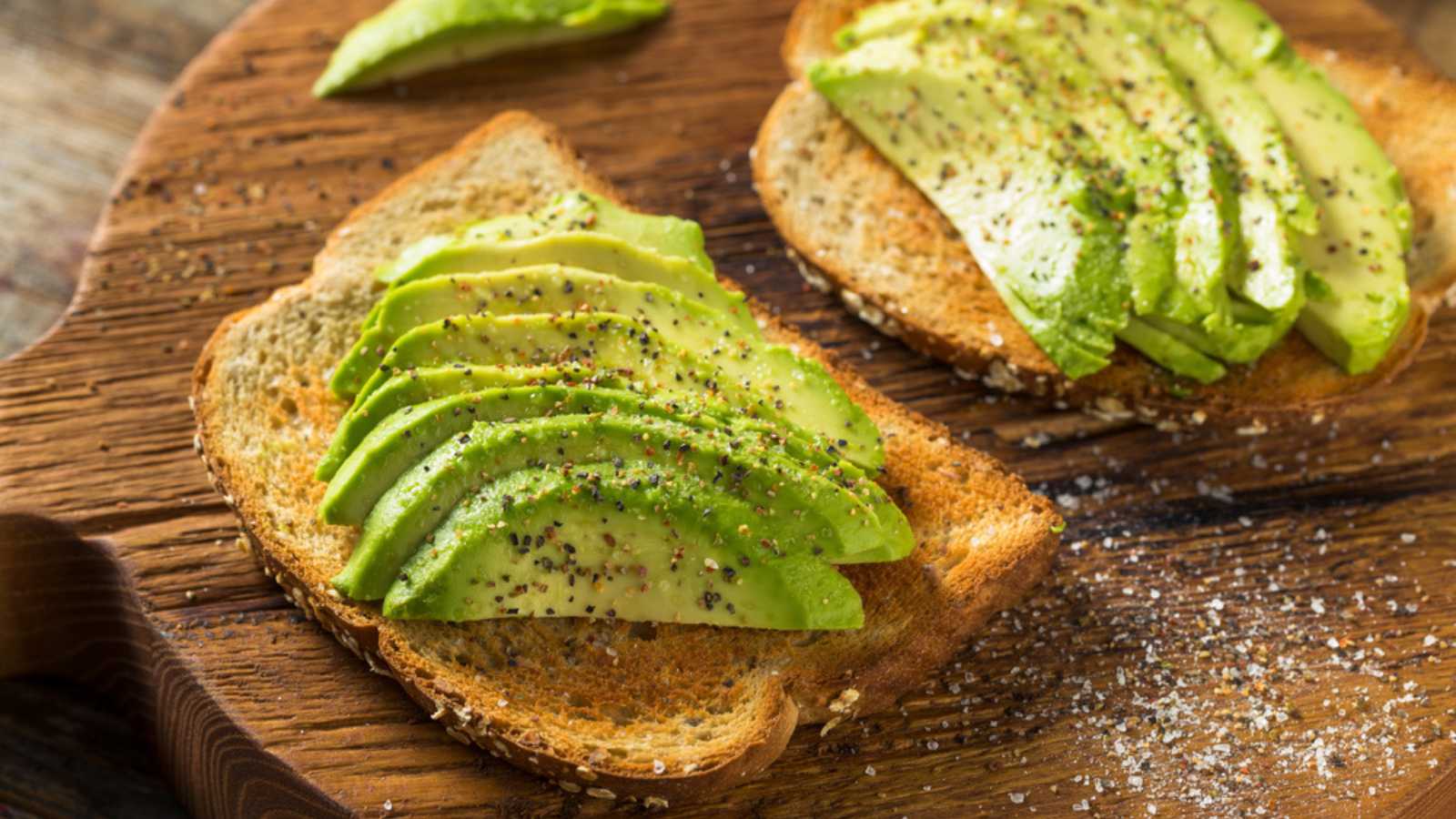
Avocado is a berry? You heard that right! Unlike most berries we picture, like blueberries or raspberries, avocados are single-seeded. This characteristic technically places them in the “drupe” subcategory of berries. Now that you know this, it’ll be hard to forget. After all, avocados are the undisputed heavyweight champions of the berry world, with their average size dwarfing the likes of strawberries and blueberries.
Freshwater Eel Blood Is Toxic

Meet the freshwater eel, armed with a venomous surprise! Its blood, containing the cunningly named ichthyohemotoxin, is a toxic cocktail that can rival snake venom. Ingesting this toxin can cause symptoms like nausea, vomiting, and paralysis in fish, and in high doses, it can be deadly to humans. But wait, there’s a catch! Eels lack fangs or stingers, making their toxic blood useless against predators.
You don’t have to stop eating your beloved sushi, though! Humans have to drink a huge amount of blood to cause any damage, so if people cook or digest eel with some of the blood, it destroys the toxin, making it safe to eat. Interestingly, this eel blood toxin even helped Charles Richet crack the code of anaphylaxis and win a Nobel Prize!
The Scottish Highlands and the Appalachian Mountains Are the Same

That’s right; the Scottish Highlands and the Appalachian Mountains were once part of the same mountain range—340 million years ago, when the supercontinent Pangea was around. Imagine hiking in the Highlands and realizing you’re practically stepping on the same rock someone in Appalachia is! Or picture a fossil in Kentucky whispering secrets about its dinosaur cousin in Scotland.
You Breathe Out Your Weight Loss, Literally

Many believe fat “burns away” or converts directly into energy when you lose weight. According to physicist and Australian TV science guru Ruben Meerman, the real deal is that most of the mass is exhaled as carbon dioxide. Your body stores energy as fat, which is full of carbon. When you burn fat, it combines with oxygen to become the gas you breathe out. If you lose 22 pounds of fat, around 18 pounds leave your body as carbon dioxide when you breathe. The remaining fat turns into water, which can leave your body through sweat, breath, tears, and other fluids.
Whales Have Back Legs (Vestigial)
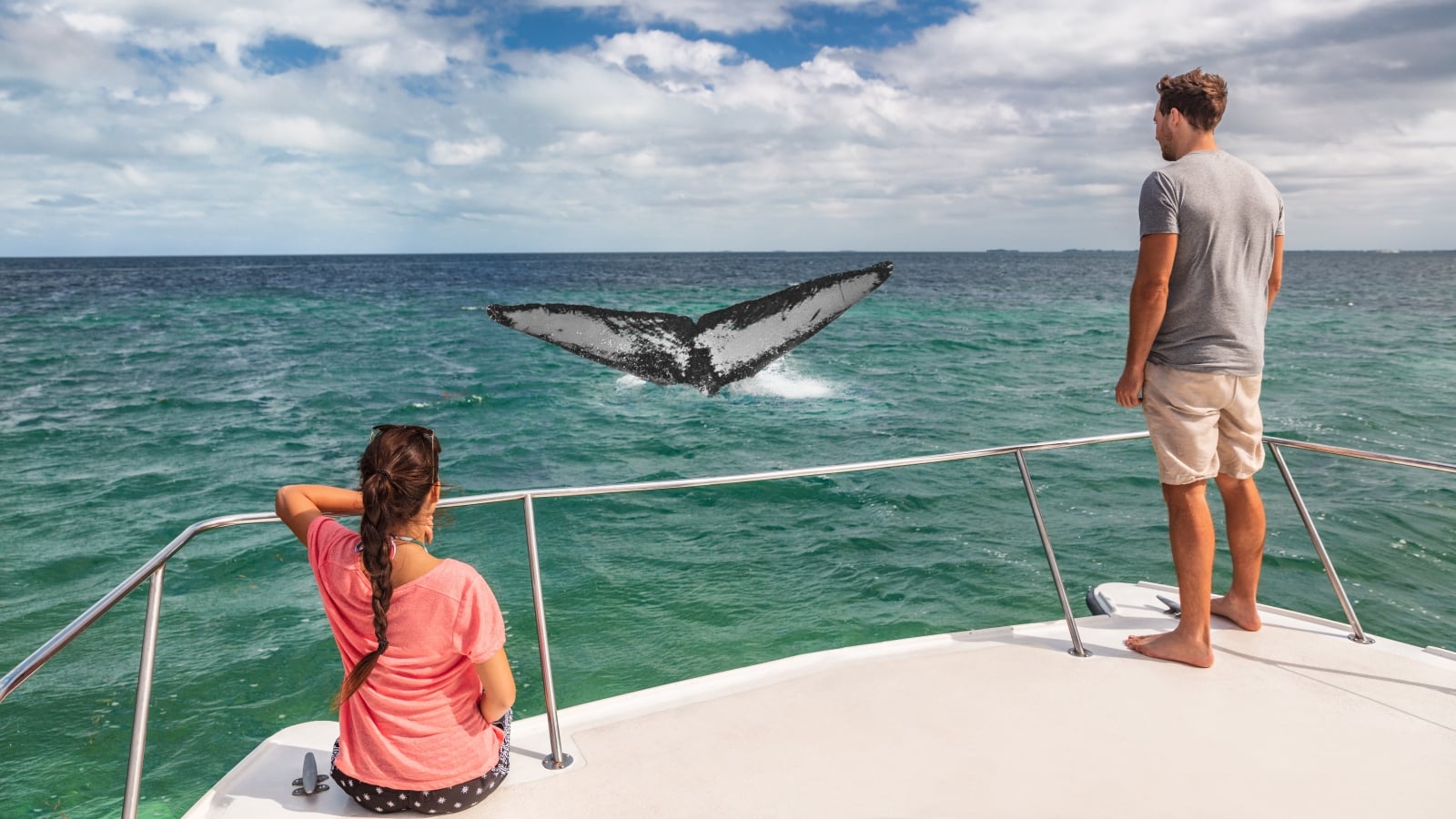
We’re not the only ones with body parts with little to no function (like our appendix). Whales don’t have fully formed legs but have small bones embedded in their musculature, representing parts of the pelvis and femur. Those hidden bones prove that majestic ocean giants like whales once walked on land, sharing ancestors with creatures like hippos and deer. It directly connects to a vastly different chapter in their evolutionary history.
Honey Never Spoils

Have you ever dreamed of eating honey that’s been around for 3,000 years? Archaeologists have found jars of it in ancient Egyptian tombs, and it’s still good to eat. The long shelf life of honey is attributed to factors like low water content, high acidity, and natural antibacterial properties. But don’t be too excited—not all ancient honey is safe to eat, and “never spoils” might be too ambitious even for modern honey. Contamination is always a factor that can spoil it.
You Can Turn On Déjà VU Like a Light Switch

Déjà vu, the French term for “already dreamed,” is not a rare phenomenon, with studies suggesting up to 70% of people experience it at least once. This is when you go about your day and are suddenly struck by the strange sensation that you’ve already dreamed of or experienced this moment before. You might think you’re psychic, but it’s just a weird thing human brains do. Interestingly, in a 2018 study, scientists discovered that déjà vu and dream recall could be turned on like a light switch using electrical brain stimulation (EBS). It’s like our brains have a VIP memory system just for dreams!
Webb’s Infrared Vision Reveals 5,000 Galaxies

Earth and our entire solar system are part of one galaxy known as the Milky Way galaxy. Can you imagine that the universe holds 4,999 more of those? Traditional telescopes are blind to this cosmic depth, but thanks to the powerful infrared vision in Webb’s telescope, we know there’s a lot more going on in outer space than we know.
Ocular Immune Privilege

Deep within the human body lies a fascinating paradox: a select few tissues, like the eye and brain, have a unique protection called “immune privilege.” This means that the eyes, for example, limit inflammatory responses more than other parts of the body to protect vision when other nearby areas are swelling.
Animals Can Be Allergic to Humans

Yes, you read that right. Like humans, our furry (and feathery) companions can be allergic to us, specifically to the microscopic flakes of our skin called dander. This invisible tissue can trigger itchy hives, watery eyes, and even wheezing in sensitive animals. Research suggests up to 30% of dogs and cats are allergic to something, and dander could be the culprit. It turns out that your cat’s aloofness might not be personal. Their sneezes and scratches could be their way of saying, “Hold the cuddles; your skin is giving me hives!”
Light Doesn’t Know Time

No, Star Wars was not fact-checked by physicists. If light experiences no time, those hyperspace trips in the movie should be instantaneous from the characters‘ point of view. Light traverses vast cosmic expanses as if they were mere steps.
Imagine a photon blasting through space. From its perspective, space collapses into a single point, and time condenses to zero. It literally experiences the entire universe in a single, timeless blink. For a photon (the particle that light is made of), the distance between the sun and Earth is no different than the distance between galaxies.
Sodium and Potassium Help Generate Thoughts and Memories

Have you ever thought about what happens inside your brain when you think? Each thought is a pattern of electrical activity in your neurons triggered by specific sequences of sodium and potassium flow. The more complex the thought, the more intricate the flow of ions. But when it comes to making memories, repeated pulses of sodium and potassium flow over specific neuron connections to solidify these pathways, allowing you to recall the experience later.
Okay, you’re right—even the act of learning more about this process triggers another wave of ion flow in your neurons. It’s a beautiful paradox—the brain trying to understand itself through the very tool that creates it.
Trauma Affects Your Genes

Trauma alters gene activity through epigenetics, acting like bookmarks in a DNA manual. It adds tags, changes how DNA is packaged, and influences messenger molecules, impacting functions like immunity and brain development. While we can’t rewrite our past, research suggests potential pathways to rewrite our epigenetic script. The good news is that epigenetic marks can fluctuate over time, unlike our fixed DNA. Mindfulness practices, therapy, and even exercise have been shown to positively influence these marks, potentially mitigating past trauma’s effects.
Lighters Were Invented Before Matches

Forget everything you thought you knew about fire. This isn’t a tale of cave dwellers scraping sticks. Early lighters were a far cry from today’s bics and zippos. The first was a bulky contraption using a chemical reaction to create hydrogen gas ignited by a spark. Matches were an improvement but had drawbacks like unreliability, foul odor, and corrosive residue. Despite these issues, the match industry evolved, experimenting with chemicals and materials for safer and more efficient matches.
Time Dilation

Two highly accurate clocks, one stationary at the airport and the other on a world-traveling airplane will show a slight time difference upon the airplane’s return. How? Time dilation. It shows us that time isn’t some rigid ruler we all share but a stretchy, bendable fabric that gets warped by speed and gravity. It’s a reminder that the universe is way weirder and cooler than we ever thought and that even time can be a total jet-setter! Remember that somewhere out there, a clock might be running a little slower than yours, and that’s pretty darn mind-blowing.
Source: Reddit
18 Surprising Realities Behind Historical Facts

Truth can be stranger than fiction when it comes to tales from the past. But sometimes, the fiction is what we remember. So, let’s get into the nitty-gritty of some historical myths we’ve often accepted as fact. Prepare to be surprised!
18 Surprising Realities Behind Historical Facts
18 Life Lessons Many Wish They’d Learned Earlier in Life

As Gen X journey through the ever-changing landscapes of work, relationships, and personal growth, they’ve gained insights they wish to impart to their younger selves. These life lessons are not only reflective of their generation but also universally relevant. Let’s delve into 18 profound lessons that Gen Xers hope to share with the next generation.