Disclosure: This post may contain affiliate links, meaning if you decide to make a purchase via my links, I may earn a commission at no additional cost to you. See my disclosure for more info.
The thought of living a No-Car Lifestyle might seem radical to some, but it’s an increasingly popular choice for many. Saying goodbye to your four-wheeled friend might seem like a breakup at first, but the benefits are worth it.
If you’ve never considered ditching your car, here are 15 reasons that may convince you to take the plunge and leave your car keys behind.
1. Save Money on Fuel and Other Expenses
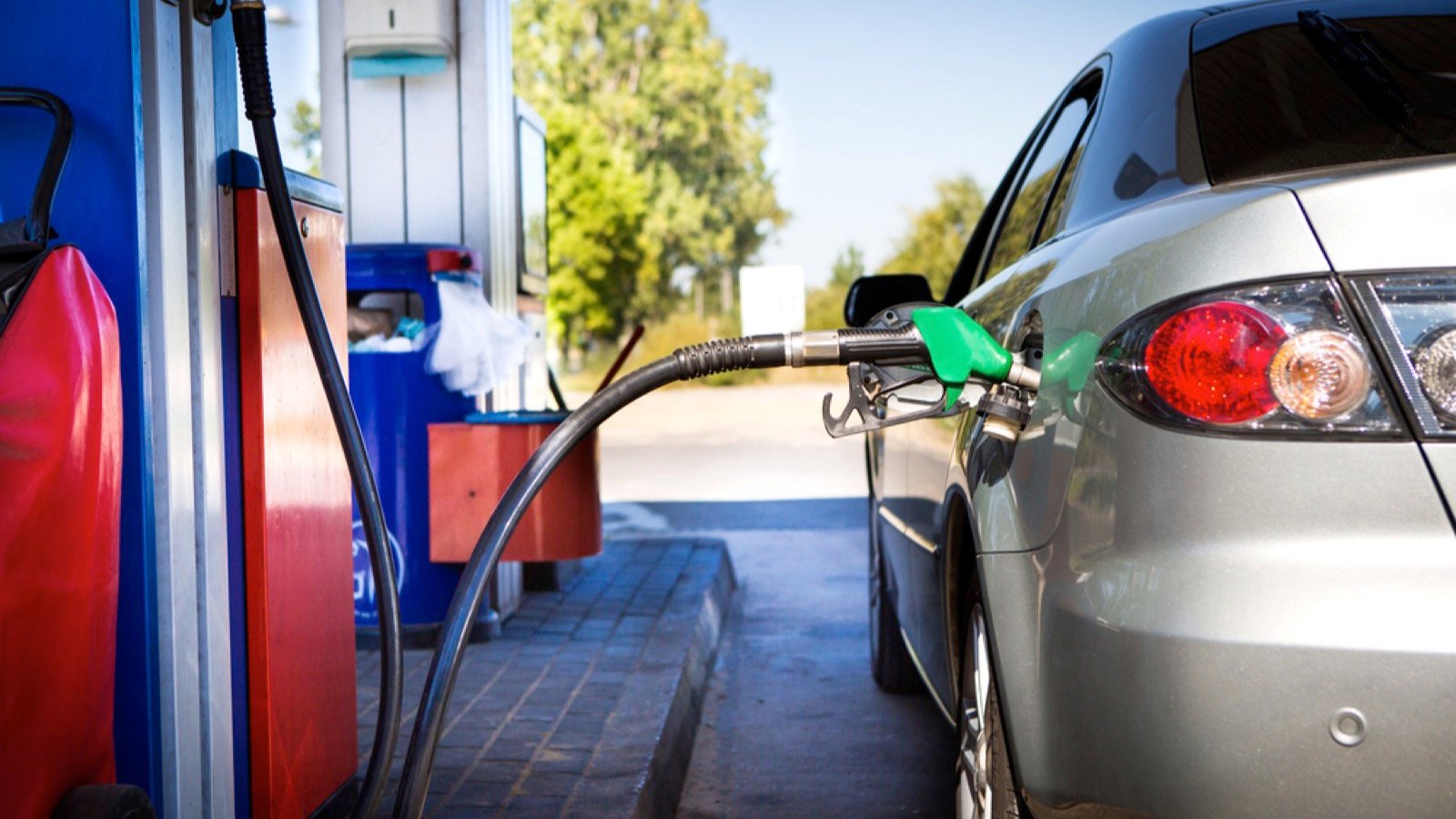
When you don’t own a car, you don’t spend money on costly fuel, maintenance, insurance, parking fees, and car payments. You can significantly reduce or eliminate these costs using alternative transportation methods like walking, biking, or public transit.
These savings can add up over time, giving you more financial flexibility to allocate towards other priorities.
2. Reduce Your Carbon Footprint

Reducing your carbon footprint involves minimizing the amount of greenhouse gases emitted into the atmosphere, primarily carbon dioxide, associated with your daily activities.
By forgoing car ownership, individuals can decrease their carbon emissions. This reduction in emissions helps mitigate climate change and its associated environmental impacts, such as extreme weather events, sea level rise, and habitat destruction.
3. Improved Physical Health

By walking, cycling, or using public transport, you can give your body a workout without even hitting the gym. Every step or pedal push contributes to improved cardiovascular health, stronger muscles, and increased stamina.
This helps ensure you lead an active lifestyle that literally keeps you on your toes.
4. Avoid Traffic Stress and Road Rage

Navigating congested streets can turn even the calmest individual into a bundle of frustration. By embracing the car lifestyle, you bid farewell to the chaos of traffic jams and the temptation of road rage.
Instead of being stuck behind the wheel, anxiously watching the minutes tick by, you’re free to stroll the streets without a care.
5. Better Mental Health From Increased Physical Activity

Incorporating physical activity into your daily routine improves your mental well-being. Moving your body releases endorphins, whether it’s a brisk walk to the grocery store or a leisurely bike ride. Endorphins are the feel-good chemicals that help reduce stress and anxiety.
Also, engaging in physical activity outdoors allows you to soak up some sunshine and fresh air, which can further enhance your mood and reduce feelings of depression.
6. Enjoy More Flexible Travel Options

When you’re not tied down to a car, you’re free to explore alternative modes of transportation that offer convenience and versatility. Whether you decide to walk, take public transit, or use ride-sharing services, you have various options.
By diversifying your transportation options, you can quickly adapt to changing circumstances. From unexpected traffic congestion and road closures to inclement weather, you have alternative routes and modes of transportation.
7. Support Local Businesses

Using alternative modes of transportation allows you to patronize businesses in your neighborhood, contributing to the local economy. As you stroll through your neighborhood when walking, you’re more likely to engage with the shops, cafes, and restaurants that make your community unique.
You may decide to pop into a corner bakery for your morning coffee or browse the shelves of a local bookstore; every interaction helps to sustain these businesses and keeps your neighborhood vibrant.
8. Encourage Urban Development

Imagine a city where streets are bustling with pedestrians and cyclists and public spaces are designed for people rather than cars. Prioritizing non-motorized forms of transportation allows communities to create safer and more accessible urban environments that promote social interaction.
Also, embracing a no-car lifestyle can help reduce the demand for sprawling suburban developments and encourage denser, more walkable neighborhoods. This can lead to a more efficient use of land and resources.
9. Foster a Close Connecting With Your Community

As you walk or bike through your community, you’re not just passing through — you’re actively engaging with the people, places, and events that shape your daily life. You might start a conversation with a fellow commuter on the bus, discover a hidden gem of a café while walking down a side street, or join a group of cyclists for a leisurely ride through town.
This allows you to contribute to a resilient community where people feel connected, supported, and valued.
10. Reduce the Risk of Car Accidents

According to statistics, car accidents are a leading cause of injury and death worldwide. Without the need to operate a vehicle, you eliminate the potential dangers associated with driving, such as collisions, injuries, and fatalities.
Reducing car reliance can also help communities invest in policies that prioritize pedestrian safety. These include dedicated bike lanes, traffic calming measures, and improved public transit networks.
11. Enjoy a Simplified Lifestyle

The hassle of finding parking and sitting in traffic every morning is dreadful. Switching to a no-car lifestyle allows individuals to streamline their daily routines and reduce the stress associated with car maintenance, insurance, and parking.
In essence, embracing a no-car lifestyle offers a pathway to a minimalist way of living.
12. Reduce the Temptation for Unnecessary Trips

Cars offer convenience. When they’re unavailable, you are more likely to consider whether a trip is essential before embarking on it. This lets you plan your trips thoughtfully and consolidate errands to maximize efficiency.
Also, individuals are less likely to be impulsive and frivolous in spending without impromptu trips.
13. Free up Garage Space

Instead of using the garage as a parking spot, you can repurpose the area for other purposes, adding versatility and functionality to your living space.
Reclaim your garage as a workshop, home gym, or storage area for outdoor gear and recreational equipment. With cars out of the picture, the possibilities for using your garage are endless.
14. Gain a Sense of Freedom and Independence

Individuals with no cars are untethered from the constraints and obligations of car ownership. Maintenance, insurance, and fueling responsibilities can be too much to bear.
When you ditch your car, you’re free to explore your surroundings on your terms, and you don’t have to spend your Saturday afternoons at your mechanic.
15. Improves Air Quality

Cars are a significant source of air pollution, emitting harmful pollutants like carbon monoxide, nitrogen oxides, and particulate matter. Reducing the number of cars on the road can significantly decrease the amount of these pollutants released into the atmosphere.
This leads to cleaner, fresher air, which has numerous positive effects on public health. Improved air quality can also enhance the overall quality of life, making outdoor activities more enjoyable and safer for everyone.
18 Life Lessons Many Wish They’d Learned Earlier in Life

As Gen X journey through the ever-changing landscapes of work, relationships, and personal growth, they’ve gained insights they wish to impart to their younger selves. These life lessons are not only reflective of their generation but also universally relevant. Let’s delve into 18 profound lessons that Gen Xers hope to share with the next generation.
10 States Americans Are Leaving in Droves and 5 States They Are Moving To

Do you know what’s becoming as American as apple pie? Internal migration! People are packing up and moving from sea to shining sea, but why? Let’s dive into this great American shuffle; check out the top 10 states folks are abandoning and the top five they’re flocking toward. What motivates the movers? Is it the quest for better jobs, sunnier skies, or just a change of scenery? Buckle up as we hit the road to discover what’s pulling Americans in new directions!