
Disclosure: This post may contain affiliate links, meaning if you decide to make a purchase via my links, I may earn a commission at no additional cost to you. See my disclosure for more info.
Just when you think you’ve saved enough for a down payment, home closing costs, insurance, home maintenance, and emergency funds come into play. But don’t let us discourage you from pursuing the American dream of owning your own home. Just don’t jump in before you feel comfortable managing all the added expenses. Be patient, plan strategically, and buy when it makes sense for you. Consider these points to be sure the time is right for you to make that offer.
The Hidden Costs Beyond Mortgages
You might have budgeted precisely for your monthly mortgage payment. However, many forget about property taxes, insurance, homeowner association fees, and regular maintenance, which add up quickly. Being prepared and understanding the full financial scope of homeownership ensures unexpected bills don’t blindside you.
Sky-High Credit Card Balances

When your credit card balance seems to be scaling Mount Everest without any gear, it’s time to reassess. Consider how having high monthly payments can limit your ability to afford additional significant commitments like a house mortgage. Moreover, high credit utilization could affect your credit score, making it harder to get favorable mortgage terms. Before diving into the real estate market, consider crafting a strategy to pay down those balances.
The Absent Emergency Fund

Imagine facing an unexpected job loss or medical emergency without a safety net. When owning a home, unexpected expenses like roof repairs or plumbing issues can arise. Without an emergency fund, you could find yourself in a financial predicament. Experts recommend saving up enough to cover at least six months of expenses. With this buffer, you can ensure your homeownership journey remains afloat even when storms hit.
Fear of Staying Put

Think about the thrill of experiencing new places or the possibility of seizing a job opportunity across the country. Homeownership often requires planting roots, at least for a few years. Selling a house shortly after purchasing can be costly, considering the transaction fees and potential market fluctuations. If you’re not ready to commit, then hold off on that home purchase and enjoy the flexibility a bit longer.
Living Paycheck-To-Paycheck

When most of your income is pre-allocated to existing expenses, and you wait eagerly for the next paycheck, think about the added pressure a mortgage could bring. Unexpected homeownership costs like maintenance, increased utilities, or unplanned repairs can strain an already tight budget. Evaluate your spending, reduce unnecessary costs, and ensure you have breathing room in your budget.
Uncertainty in Your Professional Life

Today’s job market can be unpredictable. Company restructuring, relocations, or shifts in job roles can change your income and stability. Tying yourself down to a property when your professional life is in flux can create challenges, especially if relocating becomes necessary. Ensure your job situation is stable or you have sufficient savings.
Grandiose Dreams Outpace Your Budget

We all dream of that sprawling mansion with an Olympic-sized pool, but it’s vital to ground these dreams in reality. Mortgage pre-approvals can give a clear picture of what you can realistically afford. Shopping within these limits helps manage expectations, preventing potential disappointments or the stress of overextending your finances.
A Low Credit Score
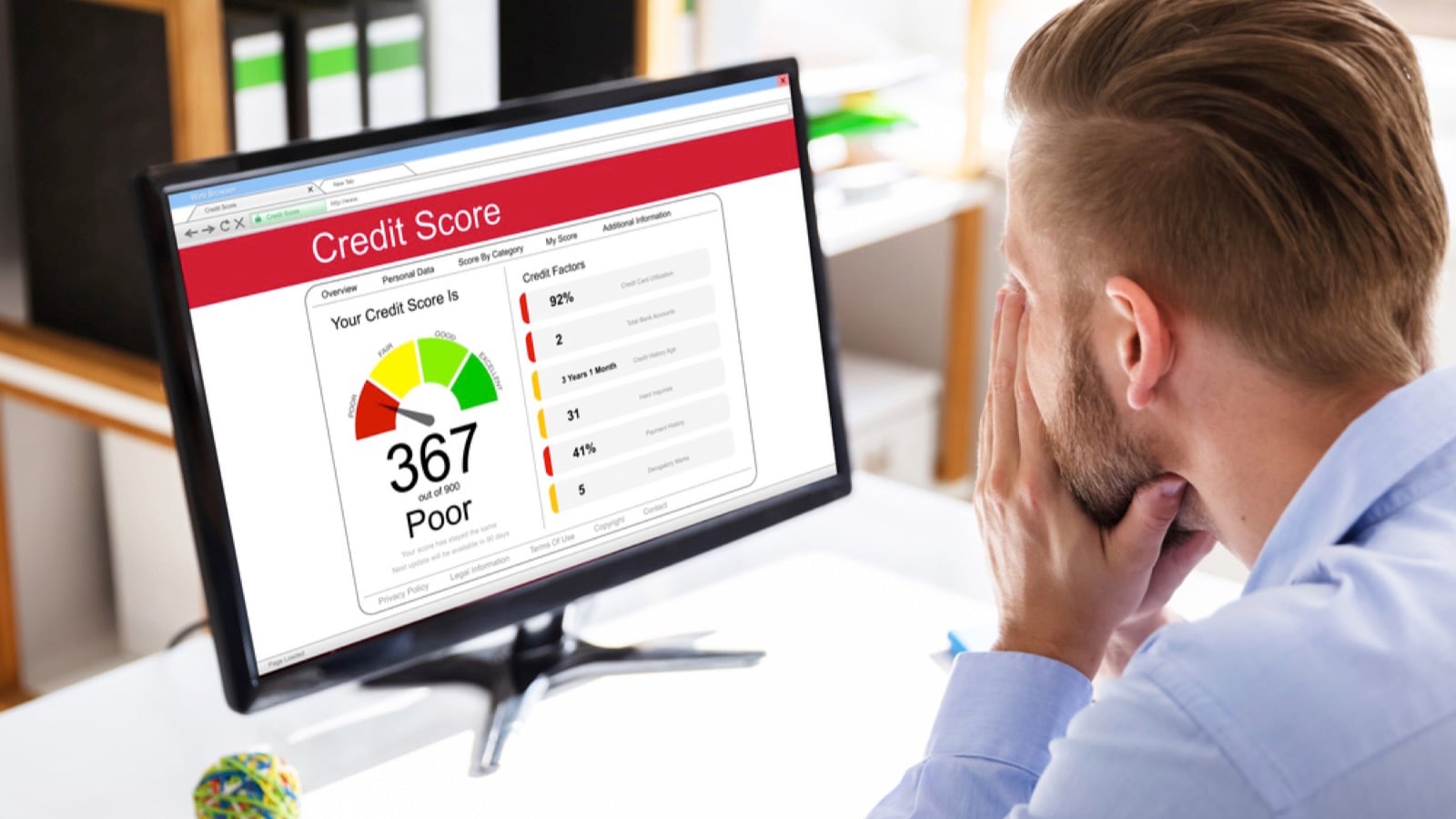
A robust credit score opens doors to better mortgage rates and terms. A lower score, however, can lead to higher interest rates, costing you more over the life of the loan. Getting ahead of this is essential by regularly reviewing your credit report for errors, paying bills on time, and reducing outstanding debts. Time and responsible financial behavior can help improve your score and brighten your homeownership prospects.
Drowning in Personal Belongings

A move should be a fresh start, not a hoarding reality show episode. Too many belongings can make it hard to visualize your needs in a new space. Decluttering and downsizing can help you determine the size and type of house you require. Plus, moving fewer items can save on moving costs!
A Novice in Home Maintenance

There’s more to homes than meets the eye. Behind the scenes are plumbing, electrical work, landscaping, and many maintenance tasks. While some tasks might be manageable with a quick online tutorial, others require skilled professionals. Creating a maintenance budget and familiarizing yourself with basic tasks can help ensure your home remains tip-top without breaking the bank.
Chasing Elusive Market Perfection

Many potential homebuyers fall into the trap of trying to time the market perfectly. However, the housing market is influenced by various unpredictable factors, such as economic health, political decisions, or global events. Instead of getting caught in the waiting game and potentially missing out, it is wise to evaluate your personal and financial situation.
The Missing Monthly Budget

Owning a home is more than just replacing rent with a mortgage payment. There are additional costs like maintenance, taxes, and insurance. These unexpected expenses can quickly derail your finances without a well-defined budget. Before taking the homeownership leap, take the time to detail your monthly expenditures, project potential new costs, and set a savings goal.
Peer Pressure Purchase

It’s human nature to compare ourselves to our peers. When it seems like everyone is buying a house or upgrading to a bigger property, the pressure can be intense. However, making such a significant financial commitment based on external forces can be a recipe for regret. Remember, everyone’s journey is unique.
Cold Feet Over Interest Rates

While a low mortgage rate can save you a significant amount over the life of your loan, letting minor rate fluctuations paralyze your decision can be counterproductive. If a slight rate increase causes panic, you must reassess your financial health. A solid financial base can provide peace of mind despite minor rate changes.
Navigating the Real Estate Labyrinth

Real estate has its language and can often seem confusing to first-time buyers. From understanding the difference between fixed and variable rates to deciphering the terms of a contract, it’s crucial to know what you’re diving into. Consider taking an introductory real estate course or consulting a trusted real estate professional regularly. They can guide you through the nuances, ensuring you make informed decisions.
The Joy of Renting

There’s a certain freedom associated with renting: you can move without significant financial implications, you aren’t responsible for maintenance, and you can easily change your living situation based on your life phase. If these aspects bring you happiness and align with your current life goals, there’s no shame in enjoying the renter’s life. The commitment to homeownership isn’t for everyone.
A Quickly Changing Family Dynamic

Homes are financial and emotional investments. If your family is growing or there’s a potential move to be closer to relatives, these factors can dramatically influence the kind of home you need. It’s often best to allow significant life changes to settle down before locking in a home choice.
The Everest-Like Climb of a Down Payment

A down payment is often the most substantial hurdle for potential homeowners. It’s not just about the amount but also about proving your financial discipline. If saving for this seems like an uphill task, take a step back and evaluate your savings strategies. Consider automating savings, exploring high-interest savings accounts, or seeking professional financial advice.
Housing Price Drop Likely In these 20 Cities

The volatility of the real estate market can frustrate first-time home buyers and investors alike. However, signs are leading many to believe that 2024 could bring lower prices to previously hot housing markets. If you’re looking for an opportunity to own property, these cities could be a great place to look.
- Read More: Housing Price Drop Likely In these 20 Cities
The Purpose of a Budget and 11 Reasons Why You Need One

The primary purpose of a budget is to track your income and expenses. A budget also ensures your bills are paid on time, helps you plan for the future, helps identify any bad spending habits or areas where you could reduce your spending, and ensures that your spending reflects your priorities. By creating a budget and sticking to it, you can ensure your needs are met, your bills are paid on time, you get out of debt, and you meet your financial goals.