
Disclosure: This post may contain affiliate links, meaning if you decide to make a purchase via my links, I may earn a commission at no additional cost to you. See my disclosure for more info.
Throughout history, science fiction has sparked our imaginations with futuristic marvels, offering solutions to grand and mundane challenges. From the depths of Jules Verne’s oceans to the vast expanse of Star Trek’s universe, these visionary tales have shaped our vision of the future.
The once-fantastical concepts of yesterday are rapidly becoming the realities of today. We found quite a few that seemed far-fetched in the movies or books. Yet, it turns out many became a reality.
Join us as we explore 20 awe-inspiring technologies that are now a reality.
1. Artificial Meat

Lab-grown food has been a staple of science fiction for over a century. From the space required to grow plants to the climate-damaging effects of mass-raising cattle, the need for alternatives grows more urgent every year.
The race is on to develop artificial meat that tastes like the real thing without the drawbacks, and hundreds of companies are entering the race. Lab-grown foie gras, the fattened liver of a duck or goose, is already a reality. Scientists are also working hard to develop alternatives for sushi fish.
2. Genetic Cures

Authors and sci-fi fans have relied on genetic engineering’s promise since the idea first caught the attention and hearts of futurists.
In 2023, medical genetic engineering in adults became a reality for the first time when the FDA approved the first treatment for sickle cell disease that uses CRISPR, a gene editing technology.
3. Floating Farms
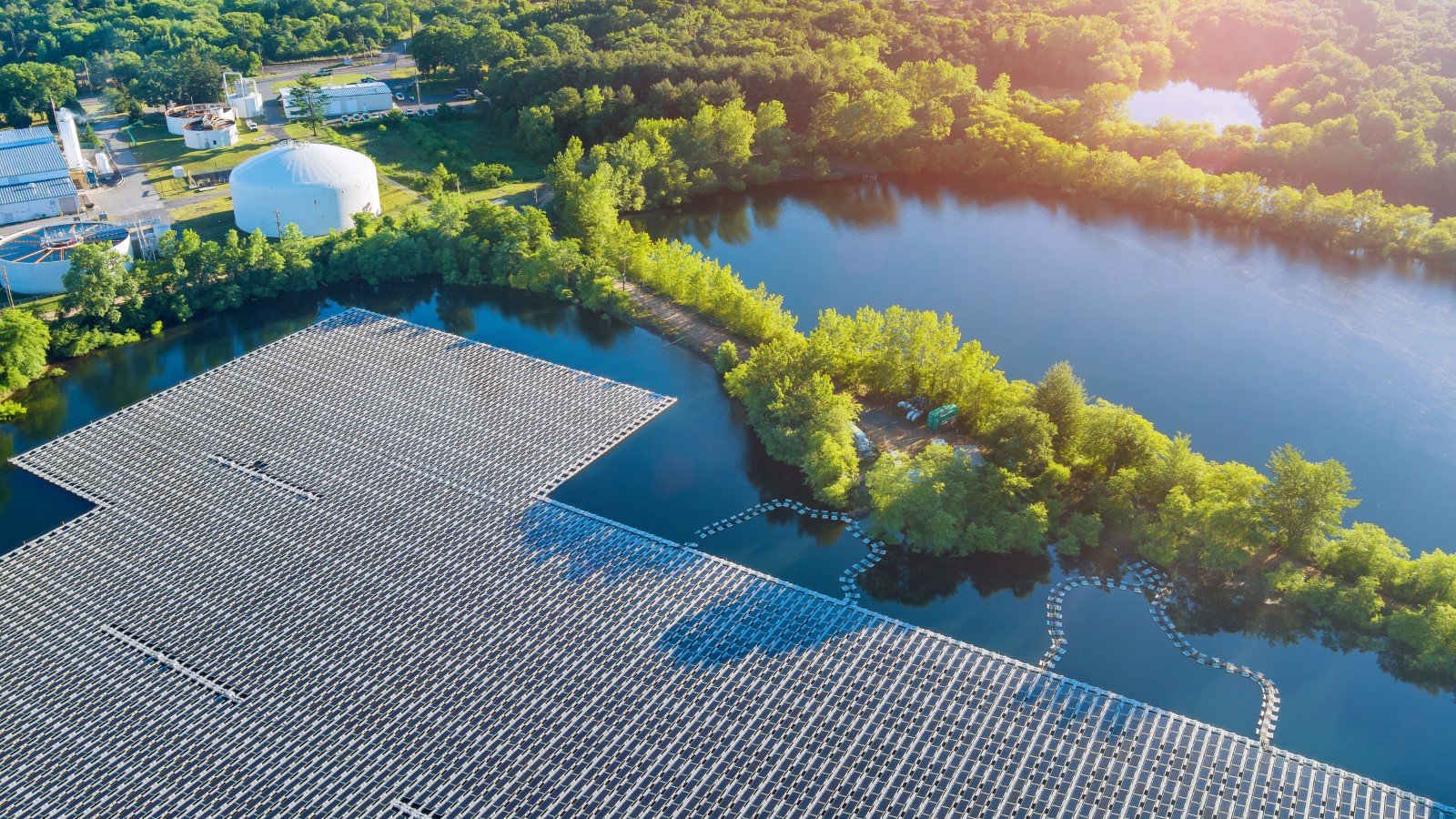
Farming the oceans is an old dream of sci-fi, a way of increasing humanity’s food supply as our numbers continue to grow. But there’s a hybrid approach that puts a twist on the old saw of seaweed and fish farming in the open ocean.
Forward Thinking Architecture’s Javier Ponc has designed a miniature farm, only 260 feet long, that combines hydroponics and aquaculture. The farm can be anchored to sea, lake, or river beds and towed by a ship to different locations.
Powered by solar panels on top, the hydroponics go in the middle, and the nutrients from the plants feed a fish farm below. The prototype can produce eight tons of vegetables and two tons of fish yearly.
4. A.I. Science

Science fiction loves to debate the merits of artificial intelligence, but with the rise of large language models (LLM), it is finally becoming a reality.
While A.I. is known for smart chatting and creating art, scientists have been working to use it to advance knowledge. Normal LLMs have stark limitations in research settings. Most science-focused A.I.s have to be built for each unique application and can only be used in the field they were designed for.
A multidisciplinary group of scientists is working to build a Polymathic A.I. This powerful artificial lab assistant is flexible enough to have multiple applications and be used in several fields, such as physics, chemistry, materials engineering, biology, and more.
The A.I. will be able to perform literature meta-analysis, design experimental protocols, and identify new avenues of research, among other things.
5. Living Robots

Robots have been part of science fiction for just over a century, but in recent decades, futurists have wondered if steel and plastic are the best materials to make them. Biological robots, built from DNA and flesh, can be grown rather than constructed and may even be able to heal themselves.
Scientists took to the idea with a will, and Tufts University researchers have used frog stem cells to build tiny living robots, dubbed “xenobots,” no bigger than a millimeter.
The robots have been programmed to swim and pick up items. They can also replicate themselves. Xenobots may one day be the forerunners of robots that clean up microplastics or deliver targeted medicine.
6. Living Concrete

Since Roman times, concrete technology has been developed and refined, and it is now the second most used substance in the world after water. When futurists think of tomorrow’s materials, there’s always a place for some variation of humble concrete.
However, scientists worldwide are working to bring concrete into the future. Scientists at the University of Colorado Boulder developed a new approach to designing more sustainable buildings and created a ‘living concrete’ that can grow and regenerate itself. It is a cutting-edge material that can repair itself without human intervention.
7. Better Energy Storage
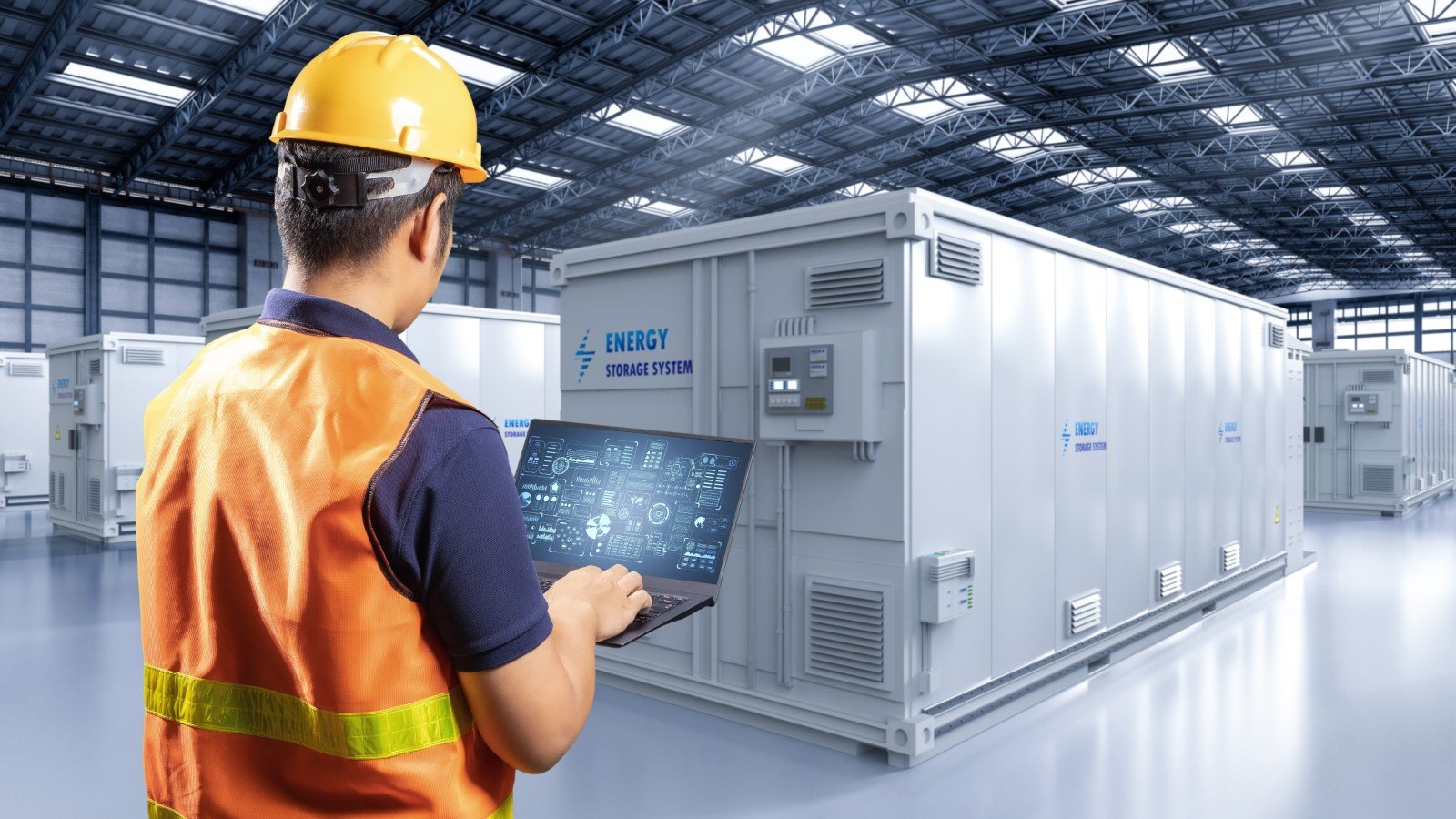
While a host of science fiction technologies seek to generate power cheaper, faster, cleaner, and in larger amounts, one aspect is often overlooked: how to store that power.
Fortunately, scientists are on the job to ensure none of that precious power goes to waste. Efforts are underway to transform concrete into batteries, aiming for houses powered by their own foundations and roads that can charge electric vehicles. Some teams are working with compressed air or hydraulic fluids.
Other scientists are looking back at older technology, like the grandfather clock. The ancient mechanical clock still holds the prestige of being relatively accurate today. To use the mechanism as a battery, surplus electricity is used to lift a multi-ton weight, then dropped to drive a generator and convert the weight back into usable electricity.
8. 3D Printed Bones

3D printing is one of those technologies that joined the ranks of sci-fi backward. Until about 40 years ago, the idea of a box that dispensed whatever you wanted was firmly in the realm of fantasy. The idea caught fire, and soon, replicators and makers were a must-have for any sci-fi world.
Scientists are taking another step towards printing anything by making custom bone grafts using the tech. Cerhum, a Belgian company, uses the same minerals that the body does to create customized facial bone grafts, which the body then converts to natural bone over a few months.
9. Augmented Reality

An iconic part of cyberpunk is the translucent heads-up display that future denizens will use to navigate the world, much like smartphones.
While information technology exists to support dreams and appears in games like Pokemon G.O., scientists are facing the challenge of developing the hardware to allow humans to reliably browse their surroundings digitally in real time. Smaller displays, better controls, and tiny batteries are all under development to turn this sci-fi concept into an ordinary reality.
10. Digital Twins

The idea of a scanner that can quickly and easily create a perfect model of a patient has been part of sci-fi for a long time, and one U.S. company thinks they’ve developed it.
Q Bio has developed Gemini, a Digital Twin Platform that structures any type of information in the human body and generates a health forecast.
The scanner then outputs a “digital twin” of the patient that mirrors an individual’s overall physical and lifestyle indicators.
Doctors can use the twin to diagnose, track ongoing health, build plans for preventative medicine, and compare to future scans to detect minute changes that can warn of more severe problems to come.
11. Asteroid Mining

A long-term dream of futurists, asteroid mining, is rapidly becoming a reality. Fifteen thousand asteroids have been identified as possibilities, and just the ten closest would yield $1.5 trillion in materials.
A startup called AstroForge launched a prototype space refinery in April 2023. AstroForge’s second mission is in 2024. Another company called Karman+ is working on an optical mining technology to collect and refine water from asteroids.
12. Blockchain

Hacking has been part of the human consciousness, particularly sci-fi, since digital computers got off the ground. Cybersecurity, the science of protecting data and systems from bad actors, got a boost from an unlikely source: cryptocurrency.
Blockchain is a distributed database spread on different network nodes, maintaining secure and decentralized transactions. It can be used for other record types, and it’s very difficult to hack and almost impossible to remove or change records.
Fields as disparate as voting security, medical, business, and legal are all racing to develop ways to store records in blockchains, increasing the security for their clients.
13. Better Wearables

From com badges to smart clothing, wearables have been part of sci-fi for decades. Scientists have been working to deliver on the promise of that technology for almost as long, resulting in things like smartwatches and wearable health monitors.
Better wearables are coming along fast.
California-based company MoJo has been developing smart contact lenses since 2015. Other teams are working on contacts that monitor blood sugar in tears and relay patients’ information via smartphone.
Scientists are also developing heart and respiratory system monitors that can be printed onto fabric and worn like bandages.
14. Sonic Fire Extinguishers

Fire is one of humanity’s oldest technologies, but since urbanization began, humanity has sought ways to contain it when it goes rogue. A proposal straight out of sci-fi may be the answer: scream at it really loudly.
Since fire consumes oxygen, and sound is a pressure wave, a loud enough bass frequency can stifle the oxygen supply to a fire and suffocate it. A conceptual ‘Feuxzy’ drone has been created to monitor and keep forest fires at bay by using low-frequency bass sounds to disrupt the air around the fire.
15. Personalized Medicine

The idea of medicine explicitly tuned to the patient is decades old but is only now becoming a reality. Mapping the genome has been possible for a long time, but doctors are working on new ways to interpret and read that data.
The goal is to use a person’s genes to diagnose health issues and develop genetic-level treatments customized to the patient. The National Institutes of Health (NIH) calls the study of how genes control the interactions of medications with your body medicines pharmacogenomics.
16. Water From Air

The need for water is essential to dystopias like Waterworld and Mad Max and exploratory fiction like The Martian. But potable water is just as necessary here on Earth, and the supply dwindles yearly.
Source, a start-up in the U.S., has introduced ‘hydropanels,’ a renewable water technology that is able to provide clean and sustainable water technology from sun and air.
Like a solar panel, it can produce water without electricity and infrastructure. It makes 3-5 liters (up to 1.3 gallons) of daily clean drinking water.
17. Space Catapults

Space is hard to reach. Moving on any surface uses friction, pushing against the surface to move. In three dimensions, such as underwater or in the air, propellers and turbines can use the medium they’re immersed in to move.
But space is a vacuum, and you have to go almost straight up at high speed.
Consequently, you need fuel and a source of oxygen for the fuel to burn. Since fuel and oxygen have weight, the more of each you carry, the more you need to lift the total load.
This results in a complicated dance, and the heaviest part of any space launch is almost always the fuel tank.
SpinLaunch is an alternative prototype system that launches satellites into space using a ground-based, electric-powered kinetic launch system.
The launcher spins the payload at 5,000 mph and fires it upward at that speed. Maneuvering thrusters are still required, but those engines tend to be small and lightweight.
18. Hydrogen Planes

Hydrogen for transportation took a big hit when the Hindenburg burned, but futurists and sci-fi authors have never let go. As the most abundant element in the universe, hydrogen is too attractive and valuable to abandon.
A team at The Aerospace Technology Institute in the U.K. working on that dream has an exciting project ready for testing. Fly Zero is an experimental airplane that its designers hope will be able to carry passengers from London to the U.SU.S.nstop or London to New Zealand with one-stop, all without any carbon emissions.
19. Guide Robots

Guide dogs that help blind and differently-abled people navigate the world are ubiquitous but have a few significant drawbacks. The first is that they take up to six months to train. Second, a guide dog can cost up to $50,000 in training and upkeep every year of its working life. Last, most can only work for 8-10 years, resulting in difficult decisions for their handlers and several dogs needed over a lifetime.
Science fiction and regular science have devised a solution that promises lower costs and longer term. Students at Loughborough University in the UK developed an early prototype robot that can perform the functions of a guide dog, with the added benefit of access to GPS and mapping technology.
20. Quiet Supersonic Flight

Faster than sound, supersonic flight offers one serious advantage over traditional commercial flight: it’s more than twice as fast. In 1996, a Concorde plane, the original supersonic passenger aircraft, successfully flew from New York to London in 2 hours and 52 minutes.
Unfortunately, supersonic flight makes a bang similar in volume to thunder, with 110 decibels. Air traffic is too dense for every plane to set off a thunderclap as it passes overhead.
NASA developed the X-59 Quiet Supersonic Technology (QueSST) airplane to reduce the sonic boom. A unique fuselage architecture breaks up the air pattern that causes the booms. The goal is to reduce the sound of supersonic flight to be comparable to that of a standard passenger plane.
18 Gen X Trends Whose Time Has Past

Every generation has distinctive trends and behaviors – some timeless, others not so much. The Gen X cohort, those born between 1965 and 1980, definitely left their mark on the culture of the time. However, like all trends, some of this era have become outdated and should be reconsidered. Here are 18 Gen X trends that might have outlived their relevance.
- Read More: 18 Gen X Trends Whose Time Has Past
18 Everyday Household Items That Are Surprisingly Valuable to Collectors
You don’t have to be a collector or hoarder to have several valuable things in your home. We all accrue many items over the years, some of which could be worth money. Even some everyday household items can be valuable, especially to collectors.
To help determine whether any of your household items are valuable to collectors, we’ve assembled a list of 18 everyday items you likely have in your house. Check out this list and see if any of your items are ready to be turned into money.
13 Home Renovations That Are Not Worth the Money

There’s something to be said about making your home your own. However, certain renovation projects simply aren’t worth the money and time invested.
Being pragmatic about the projects you decide to invest in around your home can be a considerable challenge. There’s always the temptation to add the features you’ve dreamed of having. Then there’s the reality of costs, maintenance, and the long-term appeal of realizing your dream.
I approached compiling the way I would suggest anyone start when contemplating a renovation. I dug into years of real estate sale and construction data from the last few decades to see how costs have fluctuated compared to buyer demand for certain home features. These were the resounding renovation losers, not worth the money.