
Disclosure: This post may contain affiliate links, meaning if you decide to make a purchase via my links, I may earn a commission at no additional cost to you. See my disclosure for more info.
We live in a world filled with distractions and easily accessible entertainment. With so much hyper-stimulation, slowing down and concentrating for a few minutes requires strenuous efforts. But learning to focus and manage your time effectively is one of the most powerful career-boosting strategies you can develop in today’s fast-paced environment.
Many factors affect our productivity at work. Personal motivation, wage, work environment, benefits, rest and leisure, and overall life satisfaction play important roles in individual productivity.
The following strategies can help you stay at the top of your game and stand out as a top contributor
Wake up Early & Manage Your Sleep Schedule

Among the productivity tips for more efficient work, this is one of the most widely reported productivity hacks by highly successful people. And it is pretty simple. Just wake up earlier to spend the day moving comfortably rather than rushing and constantly feeling behind. A consistent sleep schedule will also help your body anticipate times of sleep and wakefulness, making it easier to get going each day.
Plan Your Tasks for the Day

Dedicate at least ten minutes to imagine how your workday will go. Listing the things you want to accomplish and checking them off as you go is a great way to boost confidence and momentum. Sometimes, we forget to acknowledge all our work, which can harm our mindset and productivity moving forward.
Do Your Mit’s First

MIT stands for ‘most important task.’ If you are wondering how to improve your work performance and productivity, spend your first hour focused on the most critical project without distractions. This will help reduce anxiety from procrastination and give you an early sense of accomplishment.
Don’t Multitask

Focus on one task at a time, starting with the most important ones. Multitasking is associated with stress, reduced productivity, and anxiety. Take on a new work task only after finishing the previous one. Otherwise, you will get lost in multitasking and undermine your achievements.
Track Your Workflow

Do you have a system for how you work and track all your tasks? If not, implementing one could help you better measure your output and spot trends in your performance. When you understand your work habits more clearly, you can set yourself and your team up for success by knowing which tasks to volunteer for based on how quickly and correctly you can complete them.
Set Deadlines

Based on the time it takes you to finish specific tasks, start setting your deadlines so you can do more work in a shorter span. Setting targets will feel like accomplishing small goals each time you reach one, adding to your overall satisfaction for a job well done. It also allows time for feedback and edits without disrupting the overall project.
Take Small Breaks From Time to Time

This will energize you, and you will return to work more focused. It’s also a great way to reset or transition between work tasks. Make sure you have more than one way to enjoy your break and that you’re doing things that truly energize you rather than distract you.
Be Organized

Bringing as much order as possible into your day will make you more creative and innovative. Though we may not realize it, visual clutter can weigh on our consciousness, adding to anxiety and fatigue at work. That’s why many modern work environments stress open spaces with more natural light.
Systemize Your Email
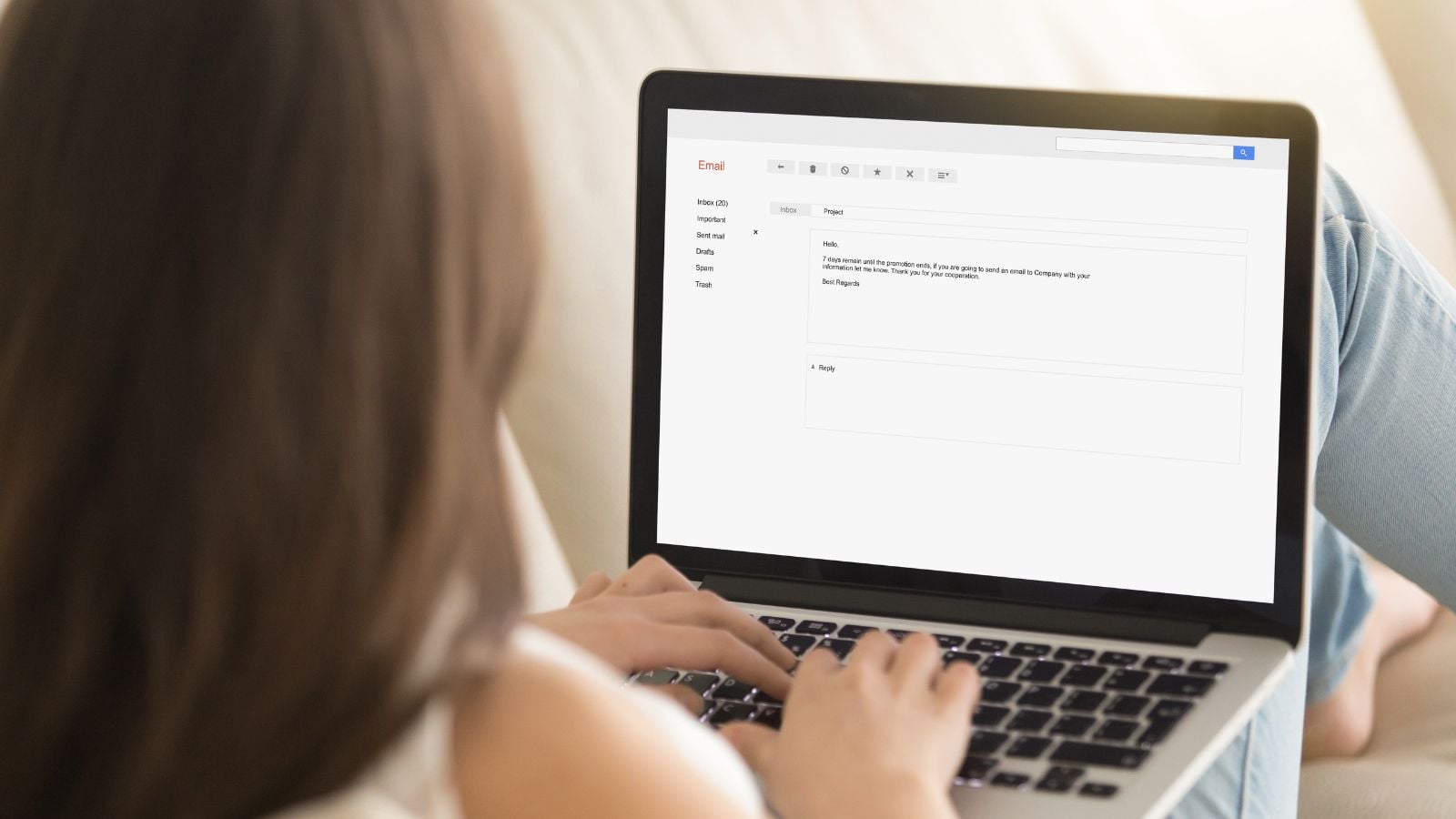
Use tags, create folders, and set up rules that will automatically organize everything. Unsubscribe from distracting newsletters or advertisements to minimize spam. It’s also helpful to collect and clean your computer files and browsing history regularly. Doing so will keep your computer running efficiently and remove additional visual clutter.
No Lyrics

If you must listen to music to concentrate, opt for something low-fi with no lyrics. Listening to your favorite emotionally charged tunes might be taxing and distracting. You might lose your train of thought as you sing along to your favorite track. Find an instrumental focus or study playlist you like and keep it on repeat in the background to help you get into the zone.
Stay Hydrated

You might forget about basic human needs when you immerse yourself in work. Fill a bottle of water and keep it on your desk. Take a sip or two from time to time.
No Food on the Desk

Make your workstation/desk a no-food zone. Don’t be tempted to snack while you work. Instead, take a reasonable break and have a wholesome meal for lunch. This will help prevent overeating and keep your workspace cleaner. The last thing you want is to dump food or liquid on your computer, which could damage it and halt your work.
Declutter Your Desk

Look at what you have on it and eliminate things you don’t need. Maybe keep one or two sentimental items, but make sure the rest is gone. Though we can draw some inspiration from the items on our desks, they can also take up valuable space for working on projects requiring greater desk space.
Leave Personal Matters for the After-Hours
Don’t distract yourself with things you cannot resolve while you’re at work or that may cost you more time than you intended. We all know how easy it is to lose valuable time to never-ending social media posts.
Use Your Commuting Time to Do Something Useful

Check your email, reply to a few messages, listen to audiobooks, or plan your day. To get ahead, you must look at your time with more excellent value and avoid that mindless state of scrolling through your social media. Ask yourself what you can accomplish in small time blocks.
Minimize Distractions

When you arrive at work, turn off the social media notifications. Answer only emergency calls and messages. Make sure to communicate to friends and family that you prefer they not message you during work hours to help reduce temptation.
Learn to Delegate

Carefully delegate tasks and outsource them when possible. We’re naturally more efficient at some tasks rather than others. Though it is good to challenge ourselves to improve, sometimes the more prudent thing is to hand the tasks to a colleague you know and trust to do a great job. This way, you will have more time to work on the tasks for which you’re best suited.
Don’t Be a Yes-Person

You have a role in your team that comes with specific duties. Know the difference between being delegated a task or being given work outside your everyday responsibilities. Know how to set boundaries and diplomatically decline. This is the only way to ensure you’re not being overworked or exploited.
Efficiency Through Technology

From time to time, it is wise to see if any new software or hardware tools could make your work more efficient. If you’re constantly switching between screens, it may be helpful to add another monitor. If you’ve never tried an organization tool like Asana or Monday, they may solve some common organizational issues you run into. The point is to have a system, but keep an eye out for ways to enhance it.
Solve Similar Tasks in Bulk

Blocking tasks is a great way to optimize workflow. Switching gears between tasks mentally takes a lot of time and energy, so why not save yourself the mental gymnastics and block out a longer chunk of time to complete similar tasks before moving on?
Back-up Your Work Regularly

The feeling of losing something you’ve worked on for hours is soul-crushing and can ruin your day. Ensure you have a method for ensuring none of your valuable work or data is lost. Use external hard drives or automated cloud systems to ensure your efforts won’t have to be duplicated later.
Learn Software Shortcuts

If your work depends on using specific software and computers, regularly check the web, chat forums, or with your colleagues for shortcuts or tips they rely on. From keyboard shortcuts to setting edits and more, you never know until you ask.
Eat Smart

Opt for foods that keep you alert and energetic, with plenty of protein and complex carbohydrates. Don’t be tempted by greasy and sugary meals that will make you want to nap in the middle of the day.
Move More

Walk more. Exercise regularly. Do cardio. Be active. This will translate to your ability to focus on work and be more productive. You will feel better, and you will look better. It’s essential to recognize the differences between mental and physical fatigue. Though you may feel exhausted by a day at the office, don’t let that discourage you from doing some form of light activity. Sometimes, the days you least want to exercise are the ones you find most rewarding afterward. It will also help make going to bed on time and falling asleep quickly easier.
Find Ways to Isolate Yourself

Do you need complete quiet to focus better? Maybe you should take a work-from-home day or move to a secluded place in the office and let your coworkers know you need some space to do deep work.
Reach for Inspiration

Make a habit of knowing what inspires you to do your best work. Try reading something inspirational daily, listening to a podcast, or conversing regularly with a mentor who can help guide you through different challenges. A daily dose of positivity can go a long way.
Reward Yourself

Outside validation is excellent, but are you proud of your work? If you’re proud of the accomplishments from your efforts, you won’t worry so much whether or not you’re being recognized each time you feel you went above and beyond for a project. Have a list of a few small ways you like to show yourself gratitude and appreciation.
Don’t Fall into Procrastination

Take note of all the times you catch yourself procrastinating. Is there a trend in the type of task you’re assigned when you find yourself avoiding work? Do your best to identify what you dislike about the task so you can overcome any mental hurdles or roadblocks. Holding yourself accountable in this way and seeking help when necessary will allow you to uphold your office productivity.
Mistakes and Risks Are Okay

Don’t beat yourself up about past mistakes. Instead, take the most important lessons and focus on improvement. Don’t be afraid of calculated risks. This is how you learn and grow. Remember that without risks, there are no rewards.
Use Caffeine Strategically

Don’t sip on coffee just because you like it. Remember that it is more than just an enjoyable warm beverage; it is a stimulant, too. When we misuse or overuse these forms of caffeine, the body will build resistance, and it won’t be as effective when you need that power boost. It can also seriously impact your sleep schedule, which starts a domino effect of unproductive behaviors.