
Disclosure: This post may contain affiliate links, meaning if you decide to make a purchase via my links, I may earn a commission at no additional cost to you. See my disclosure for more info.
AI continues to streamline work tasks across industries, creating broader responsibilities for the few who remain employed and fewer job prospects for those laid off or let go. Though work performance will always be a key driver no matter what industry you enter, the following sectors require interpersonal contact to be most effective. These are examples of AI Proof Jobs that are less likely to be replaced by automation. So, if you or someone you know is deciding on what industry to pursue, the following options look ripe for success.
1. Teachers

AI can provide personalized educational learning. However, we not only learn facts and figures from teachers, but they also impart core values. Teachers build relationships with their students and can help shape children’s lives, inspiring, guiding, and mentoring them to make better decisions about career and lifestyle choices.
AI cannot contribute empathy, core values, and compassion to student-teacher relationships.
2. Social Workers

Social workers have a tough job, navigating tricky and often distressing human problems. The job requires a high degree of empathy, compassion, ethical judgment, and emotional intelligence.
When people are under stress, their behavior is often erratic and unpredictable. It’s unlikely that robots could manage every eventuality in a challenging personal situation.
3. Caregivers for the Elderly

The elderly have distinct needs. Carers must manage patients with numerous challenges, such as lack of mobility, Alzheimer’s, and mental health issues. Some patients may be bedridden and unable to care for themselves. Carers provide nursing care, companionship, and home services. They have a high degree of empathy, patience, and understanding of the elderly.
AI may play a functional role in some aspects of the care industry, but it is unlikely to fulfill the entire role.
4. Therapists: Counselors, Psychologists and Psychiatrists

In the therapeutic industry, the human touch is essential to help people with mental health concerns. The human experience is an integral component of the patient-therapist relationship. Patients need to feel heard, supported and understood and receive feedback from the therapist to learn and grow.
Regardless of the sophistication of AI technology, therapeutic sessions are unlikely to have the depth and efficacy of the human experience.
5. Priests and Other Spiritual Leaders

Religion and spirituality have played a core role in the human experience since the beginning of time. We look up to spiritual leaders as a source of faith, guidance, and support to bring us hope in a world that often seems out of balance with our values and dreams.
Priests and other clergy members are the foundation for important ceremonies like weddings and funerals. Could a robot lead a vital ceremony? Of course, but the human touch makes these special days memorable.
6. Judges and Lawyers

AI could probably learn the entirety of the legal system in a few minutes, but the law has a strong human component that a robot cannot replicate. Lawyers have exceptional negotiation and strategic skills that help them represent their clients.
Judges have many years of experience navigating the essential personal aspects of a trial that digitalization could not replicate.
Although the legal system is not always fair and proper, considering the idea of robots deciding on one’s fate is uncomfortable. In addition, if AI took over the legal system, can you imagine a jury of robots?
7. Surgeons

It is likely that AI technology, such as microrobotics, will play a fundamental role in diagnosis and surgical procedures. However, surgeons may have trained in their specialties for ten years or more. Patients rely on their expertise and trust that they will make the best decisions at critical moments during surgery.
Surgeons communicate with their patients, reassuring and expressing empathy for their concerns. In the future, the role of a surgeon may change and become AI-assisted, but the critical decisions still need to be human-led.
8. General Practitioner – Doctors

Every day, doctors worldwide listen to their patients’ ailments, assess concerns, refer to specialists, and write prescriptions. They play an essential functional and social role for the community.
AI technology could potentially be useful for patient diagnostics in general practice. Still, AI cannot replicate the human aspects of doctors’ relationships with their patients.
9. Human Resource Managers

Human Resource (HR) managers play an essential role in an organization. In addition to hiring, they navigate the human aspects of the workplace, such as managing incidents like illness, bullying, grief, and mental health issues.
HR managers monitor staff dissatisfaction and turnover rates. They liaise with management and create strategies to keep staff motivated and engaged. AI can fulfill numerous roles within the HR department to streamline processes, but it can never replicate the human touch.
10. Politicians
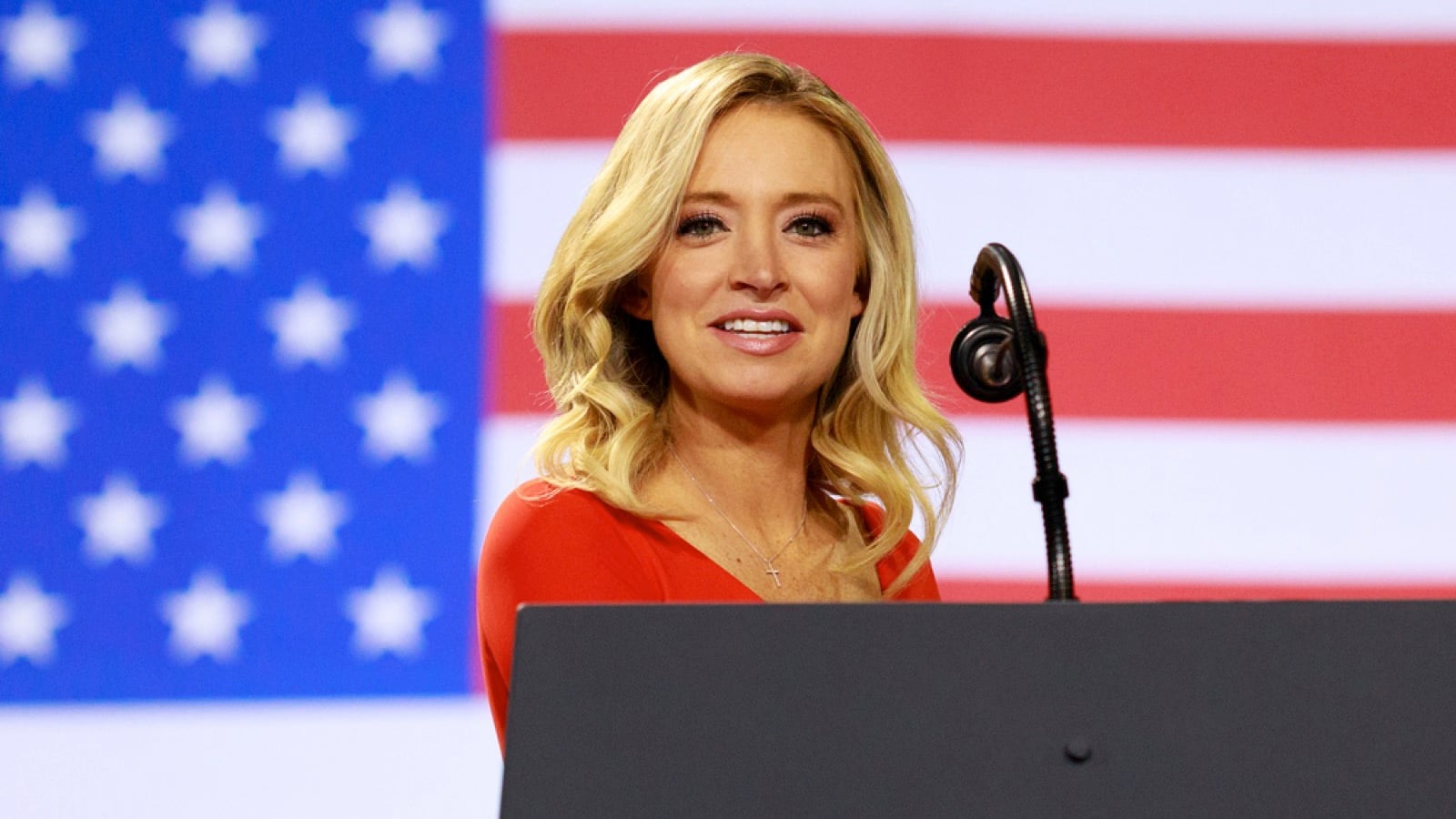
Although we could argue that AI might make better decisions than some politicians, every country needs human leadership. Politicians must work together to find creative solutions quickly when an unforeseen crisis arises.
Although there’s an ongoing debate that robots could eventually become sentient beings, it’s unlikely that the mass population would be happy with AI making critical decisions that will affect future outcomes.
11. Writers and Artists

Art is such a distinctive and personal creative activity. No artist creates precisely the same as another, making the creative process eminently human.
With the advent of AI image creation software, thousands of people worldwide flock to platforms like Midjourney to create something artistically unique. Still, there’s little creative effort involved, and you could argue that AI-generated art isn’t genuine art.
Multiple AI writing websites have writers concerned for their futures. Still, creative writing is an art in itself. Writers craft words together beautifully like a sculpture, and readers feel an emotional connection to the words.
AI will play a part in the creative space, but we still want artists and writers to delight and inspire us with their craft.
12. Singers and Musicians

Is there anything more moving than listening to and watching someone sing with a beautiful voice? Undoubtedly, AI could quickly produce incredible musical representations, but is it the same experience?
We have a connection with musicians that cannot be ignored. Whether rock, country, hip hop, or individual singers, fans love to follow and connect with their favorite artists. It’s an emotional experience that a robot cannot recreate.
13. Leadership Roles: CEOs, Directors, and Managers

Organizations look to their CEO for leadership and inspiration. The best leaders have a mission and values that inspire investors and the workforce to fulfill the company’s goals. Leadership is not a set of rules and behaviors. Nor can it follow a strategic algorithm. It is an indefinable set of human traits, values, and beliefs.
14. Skilled Trade People

People who work in the skilled trades have hands-on skills that aren’t easy to come by. Plumbers, electricians, mechanics, and engineers can adapt creative solutions to complex situations by assessing issues based on their knowledge and experience.
AI could fulfill some aspects of skilled trade roles, but the primary factor is the ability to solve diverse problems.
15. Computer Systems Analysts

AI technology may automate many processes within hardware and software systems, but it is still essential for humans to set up, monitor, update, correct, improve, and troubleshoot when necessary. AI may assist the back-end functionality of assessing system capabilities and monitoring data. Still, a Computer Systems Analyst is at the core of keeping a system at peak operational functionality.
Whatever job or career you have now, it is worth considering whether AI could perform your role. If so, learning additional skills can help future-proof your career.
16 Effective Techniques for Managing Work Stress

United States workers are experiencing record levels of workplace stress, and the American Institute of Stress (AIS) outlines the impact on workers’ wellness in a recent ComPsych survey. The outlook isn’t good — 62% of workers cited tensions due to a lack of autonomy or extreme tiredness. Moreover, work priorities are taking over citizens’ lives, with the sources of anxiety stemming from workload, coworkers, and performance improvements.
15 Surprising “Weaknesses” Employers Want to Hear About in Job Interviews

Interviewers are tired of hearing the same responses over and over again. They want to hear something original. Employers also want to know legitimate ways that candidates can improve their work. Sometimes, shedding some light on an improvable weakness or two can make all the difference.