Disclosure: This post may contain affiliate links, meaning if you decide to make a purchase via my links, I may earn a commission at no additional cost to you. See my disclosure for more info.
Social Media has been an exceptional way to bring people together and rekindle lost connections. However, as time has progressed, we have seen some use social media in exploitative, disturbing, and downright dangerous ways. So next time you log on to your favorite social sharing site, double-check your privacy settings, remember to change your password regularly and be cautious about what and whom you share personal details with. To better understand what may be at risk, consider these 15 dangers of oversharing online.
1. Identity Theft

One of the most frequently encountered problems with oversharing on social media is the risk of identity theft. It’s incredible how little information people need to steal your identity. Simple things like your middle name, birthday, parent’s name, and past addresses can make you extremely vulnerable to identity theft.
2. Personalized Scams (Social Engineering)

Scammers these days are smart and resourceful. Social engineering is when someone uses emotions and lies to manipulate you into revealing information or giving them something (usually money). Many people fall victim to these scams because the scammers have the victim’s personal information and use it to convince them of the scam. The recent article in The Cut is an excellent example of how these scams work.
3. Phishing Attacks

Phishing attacks can be a step toward personalized scams. These attacks attempt to steal personal information and use it for scams or identity theft. Oversharing information like your phone number, workplace, address, or email can make you vulnerable to these sneaky attacks.
4. Burglary and Theft

What happens online doesn’t always stay online. Many people don’t realize that their posts can affect their physical safety. If you post about your fabulous vacation, criminals may take the opportunity to burglarize your empty home. If you brag about your new diamond necklace on Instagram, you may become a target for thieves.
5. Physical Harm
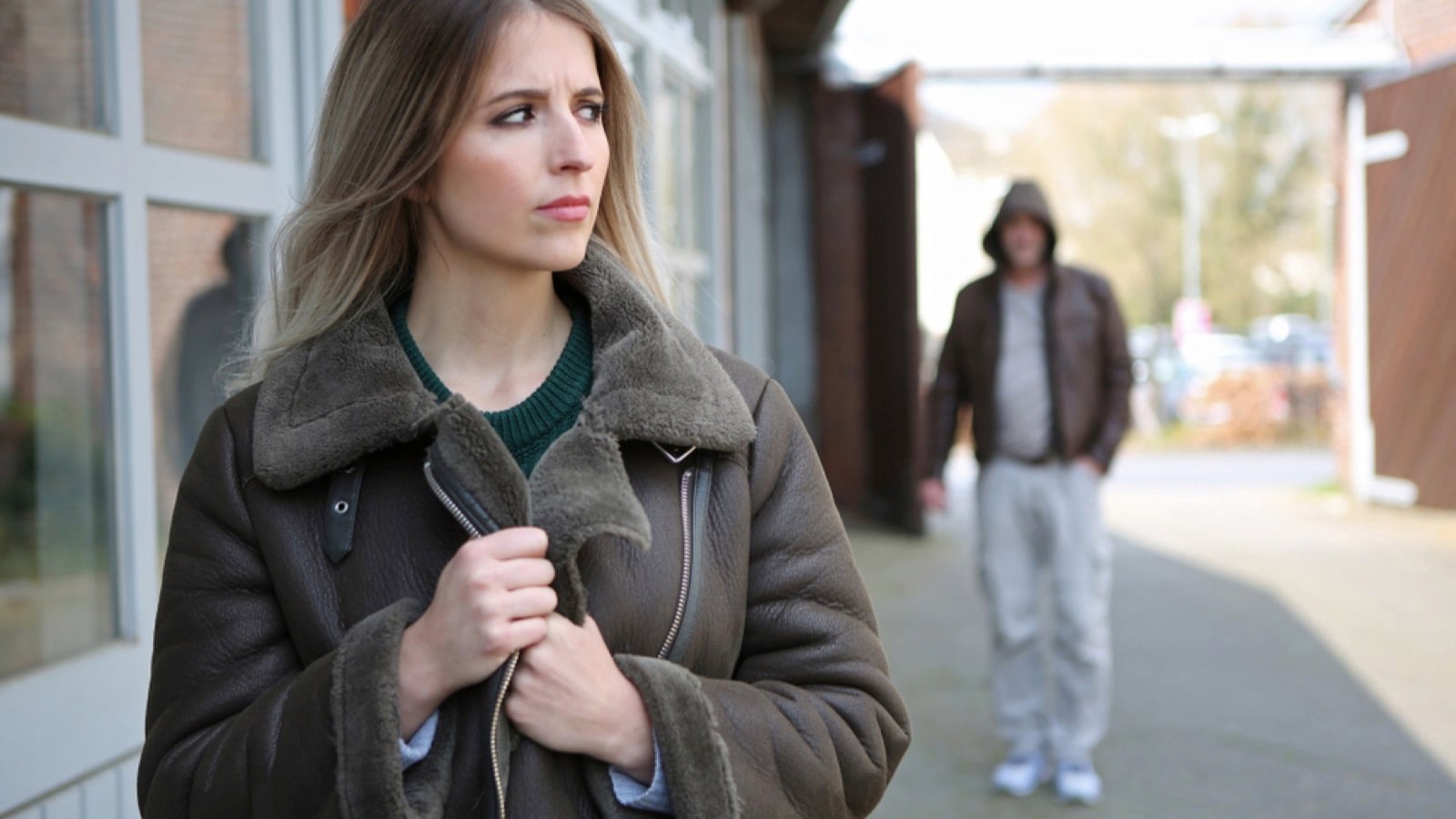
Stalking, harassment, assault, kidnapping, and other awful things can happen to those who overshare on social media, especially their locations. A deranged person may be able to use your social media posts and information to track you down and harm you. Your physical safety is more important than the number of followers you have.
6. Cyberbullying

Sadly, the internet can be a brutal place. People tend to be more confident, as well as cruel, when hiding behind a screen. When you share a lot of information, you provide these bullies with ammo to attack you. They can bully you using information from past posts or even posts from your friends and family.
7. Cyberstalking

Sharing too much on social media can also lead to cyberstalking. Oversharing can lead to people becoming obsessed with someone’s social media persona. They may take things too far, sending unwanted messages or even using GPS to track your location.
8. Harmed Reputation

Many ’80s and ’90s babies had to learn the hard way that the internet is forever. Posting something on a whim is easy, but it’s much harder to erase it forever. Oversharing on social media can harm your reputation years later. Consider when people dig up unsavory celebrity tweets from a decade ago, or someone shares a compromising photo of an up-and-coming politician. It’s usually a career and reputation killer.
9. Account Takeovers

With enough personal information and a little skill, someone can quickly hack into one or more of your accounts and take them over. This means they can post whatever they want, access banking information, and make people believe it’s you. The last thing you want is someone maliciously pretending to be you.
10. Doxxing

can be part of cyberbullying, or it can be completely random. This happens when someone maliciously publishes your personal information. Having this information revealed makes you an easy target for theft, assault, harassment, and more. If you overshare someone who wants to doxx, you can likely compile all your personal information within a day.
11. Trauma

People talk about the criminal consequences of oversharing, but it also comes with emotional and mental consequences. Victims of cyberbullying, cyberstalking, physical harm, burglary, identity theft, and other consequences mentioned here often suffer from trauma afterward. Things like personalized hate messages, death threats, doxxing, and more can result in PTSD symptoms.
12. Anxiety and Stress

Spending too much time on social media, in general, can cause anxiety, especially in those who already suffer from anxiety. Even if none of the horrific things mentioned here happen, oversharing can cause you to become socially anxious concerning your posts. But if something terrible does happen, like you’re doxxed, this often creates long-lasting anxiety and stress.
13. Low Self-Esteem

While posting a picture and getting flooded with likes can boost your self-esteem and validate you, social media can also harm your self-esteem. People may leave nasty comments on your posts in passing, which linger in your head and make you question yourself. Seeking validation through social media can destroy your self-esteem, so it’s best to use it sparingly.
14. Depression
Oversharing on social media can lead to chronic depression for many reasons. People may suffer from depression when they experience a dramatic loss of control. Being doxxed, stalked, bullied, or harassed is out of your control, which can send you into a downward spiral.
15. Deep Fake AI
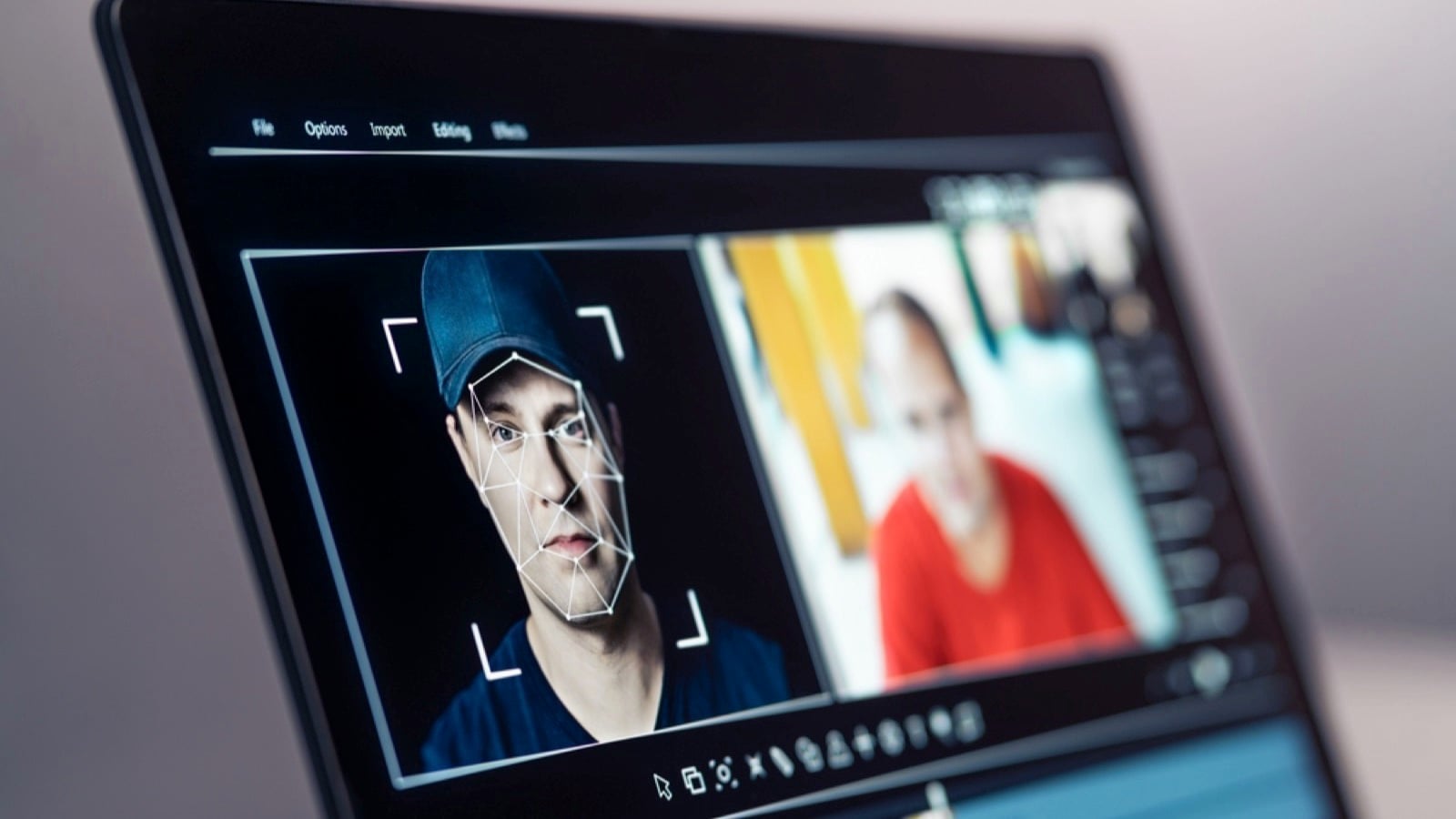
This dystopian issue is becoming more and more of a threat. Deep fake technology compiles photos and videos of people to make simulated videos and pictures of them. We’re seeing serious issues with this technology as celebrities like Taylor Swift have their “nude” pictures leaked. These photos and videos are fake — generated by AI. If famous, successful people like Taylor Swift struggle to remove these pictures and squash rumors, imagine how hard it will be for you to do it.