
Disclosure: This post may contain affiliate links, meaning if you decide to make a purchase via my links, I may earn a commission at no additional cost to you. See my disclosure for more info.
Companies go out of business yearly for the same reasons, like failing to turn enough profit or low consumer interest. Every once in a while, stories of such spectacular business failings and bankruptcies just have to be mentioned. According to a recent Reddit thread, these take the cake as the top bad decisions made by former successful companies that eventually led to their downfall.
Schlitz Beer
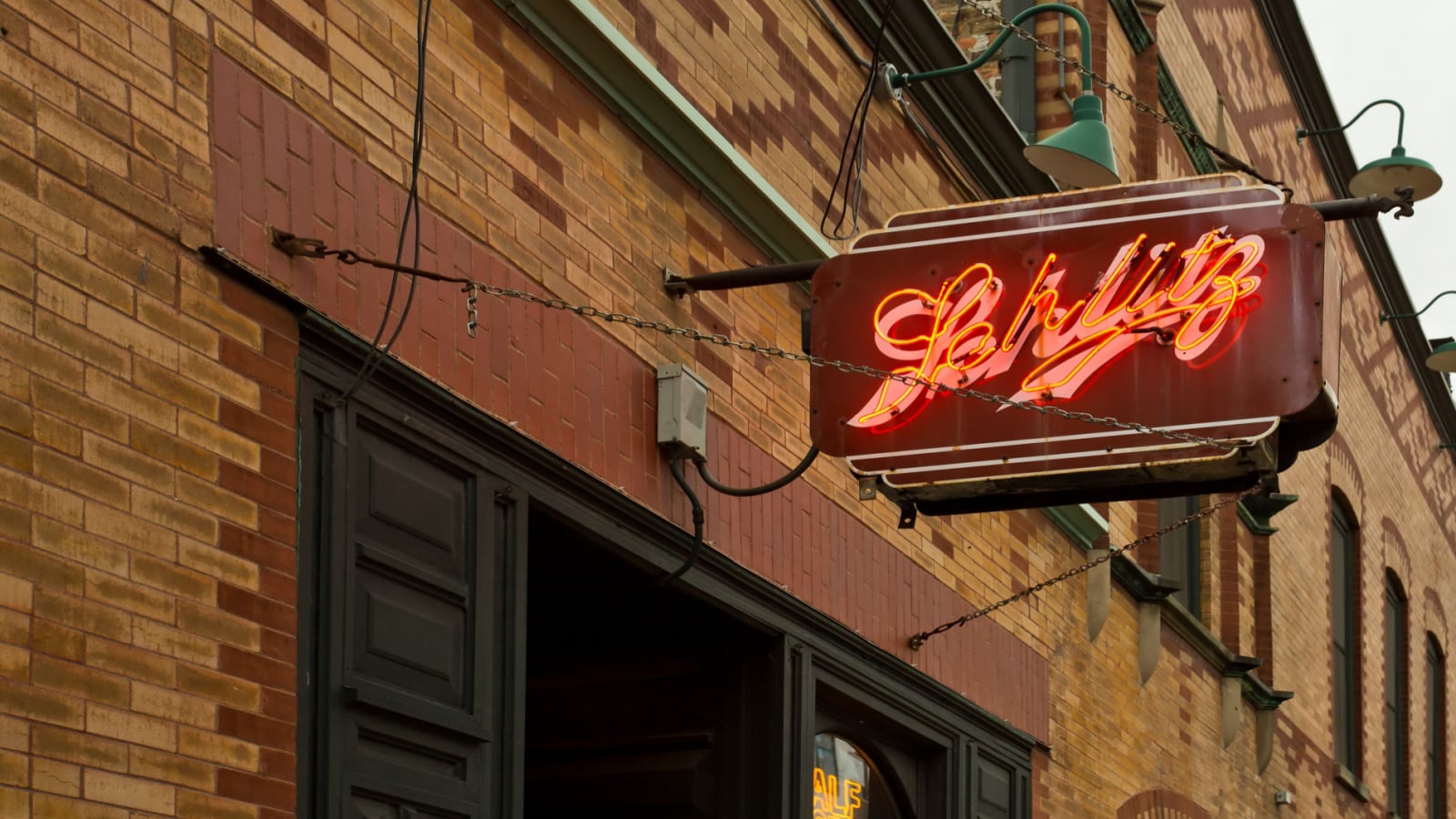
Now infamously known as “the Schlitz mistake,” this beer company’s decision to cut costs is now studied in business schools as to what not to do. In the 1950s and 1960s, this Milwaukee brewery had one of the top beers in the country next to Budweiser but decided to increase profits by decreasing the fermentation time of their beer, among other hasty cost-cutting decisions. This resulted in lower-quality beer and even snot-like mucus forming at the bottom of the drink. Consumers stopped buying Schlitz, and the company lost all credibility and trust from its customer base.
Blitz USA

You may have never heard of this gas can company, but the irresponsible yet minor decision they made that led to their downfall is one for the history books. To increase profits, Blitz decided not to include a common safety feature known as a flame arrestor on their gas cans, which would have cost less than a dollar. This unwise choice, unfortunately, led to severe burns in over 75 customers as well as several deaths.
Circuit City

Circuit City was once one of the top electronics box stores, similar to Best Buy. The company declared bankruptcy in 2008 and closed most of its stores. Many poor decisions led to Circuit City’s downfall, like quickly expanding stores and top-level management problems. However, many agree that the nail in the coffin for this electronics juggernaut was their 2007 decision to stop paying commissions and fire 3,400 experienced employees, replacing them with lower-paid, inexperienced workers.
Vine

Vine, the short-form video-sharing app launched in 2013, was almost like the TikTok of its day. Many now-infamous clips and catchphrases still get quoted and reworked in internet culture content today. Vine made some poor decisions regarding evolving and growing its app. The primary blunder was that Vine only allowed 6-second clips and refused to extend the cap, while Instagram started allowing longer videos on its platform. Twitter, the owner of Vine, shut it down in 2017.
Barker’s Department Store
There’s always a price to pay for not updating your business with the times. Barker’s was a discount store similar to Kmart, with locations all over the East Coast. It had a successful run from the 1950s through the 1970s.
One commenter who worked for years at Barker’s shared, “They went under in the mid-80s or so, but in 1978, I could read the writing on the wall. I think they failed to catch the bus by not adopting scanning technology when everyone else was going there. They used a 9-digit inventory control system, compartmented by department number. This meant front cashiers had to punch in ELEVEN numbers before the price. This was an extraordinarily SLOW checkout process. I can remember standing at the register, fingers flying, sweating bullets with a line going back into the store with impatient people.”
Kodak

The Eastman Kodak Company, founded in 1892, was one of the foremost pioneers when it came to photography. As a top producer of cameras and film, Kodak was synonymous with taking pictures for many years. However, as digital photography started to grow and film was used less and less, the company’s failure to expand into digital photography led to its eventual bankruptcy in 2012.
Sears
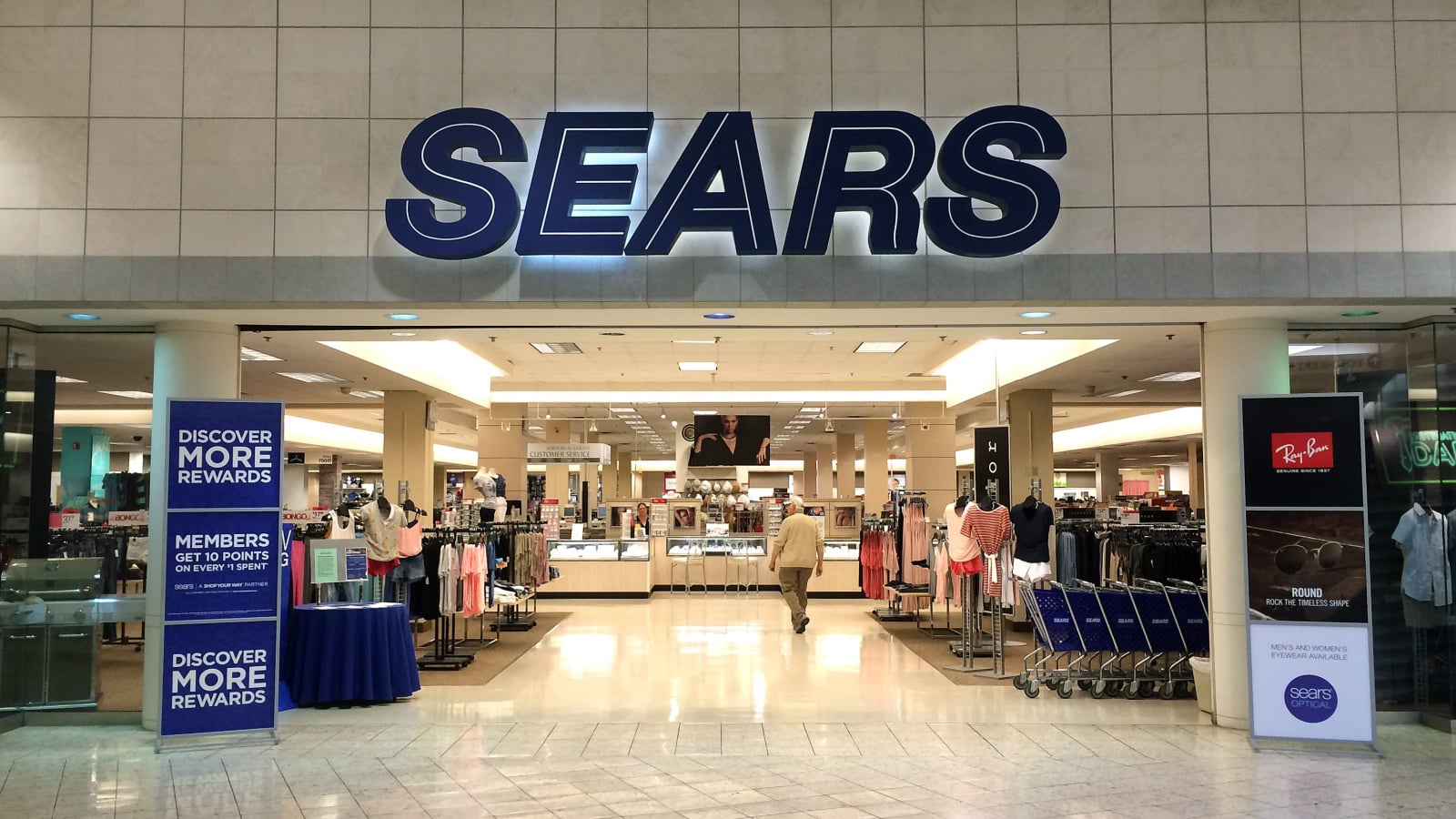
Sears is another huge company that was brought down by hesitancy in progressing with technology. Sears’ bread and butter has been in brick-and-mortar department stores since it began in 1892. As Amazon and other online retailers started to dominate the market in the early 2000s, Sears missed its opportunity to expand into online shopping. As a result, the company closed over 500 stores between 2018 and 2022 due to declining profits.
Ratners Jewelry

Many large businesses crumble because of poor business decisions or highly competitive markets, but not in the case of the popular British company Ratners Jewelry, whose downfall was a bad case of putting one’s foot in their mouth. During a 1991 speech, the CEO Gerald Ratner remarked, “We also do cut-glass sherry decanters complete with six glasses on a silver-plated tray that your butler can serve you drinks on, all for £4.95. People say, ‘How can you sell this for such a low price?’ I say, ‘Because it’s total crap’.” The company’s popularity sharply declined following this comment.
Rubbermaid

Rubbermaid is a favorite manufacturer of household goods like food storage containers, trash cans, and organizational bins. Although you still see the brand in stores today, the company did have its fair share of difficulty. As one user said, “Walmart made them lower their prices so much they went bankrupt. Someone bought the trademark.”
Baring’s Bank
Baring’s Bank, one of the oldest banking institutions in the United Kingdom, was founded in 1762. Remarkably, this entire operation folded because of one employee named Nick Leeson. Leeson was a manager and trader at the Singapore Baring’s office and made a series of high-risk and unapproved trades that led to its 1995 collapse.
Blockbuster
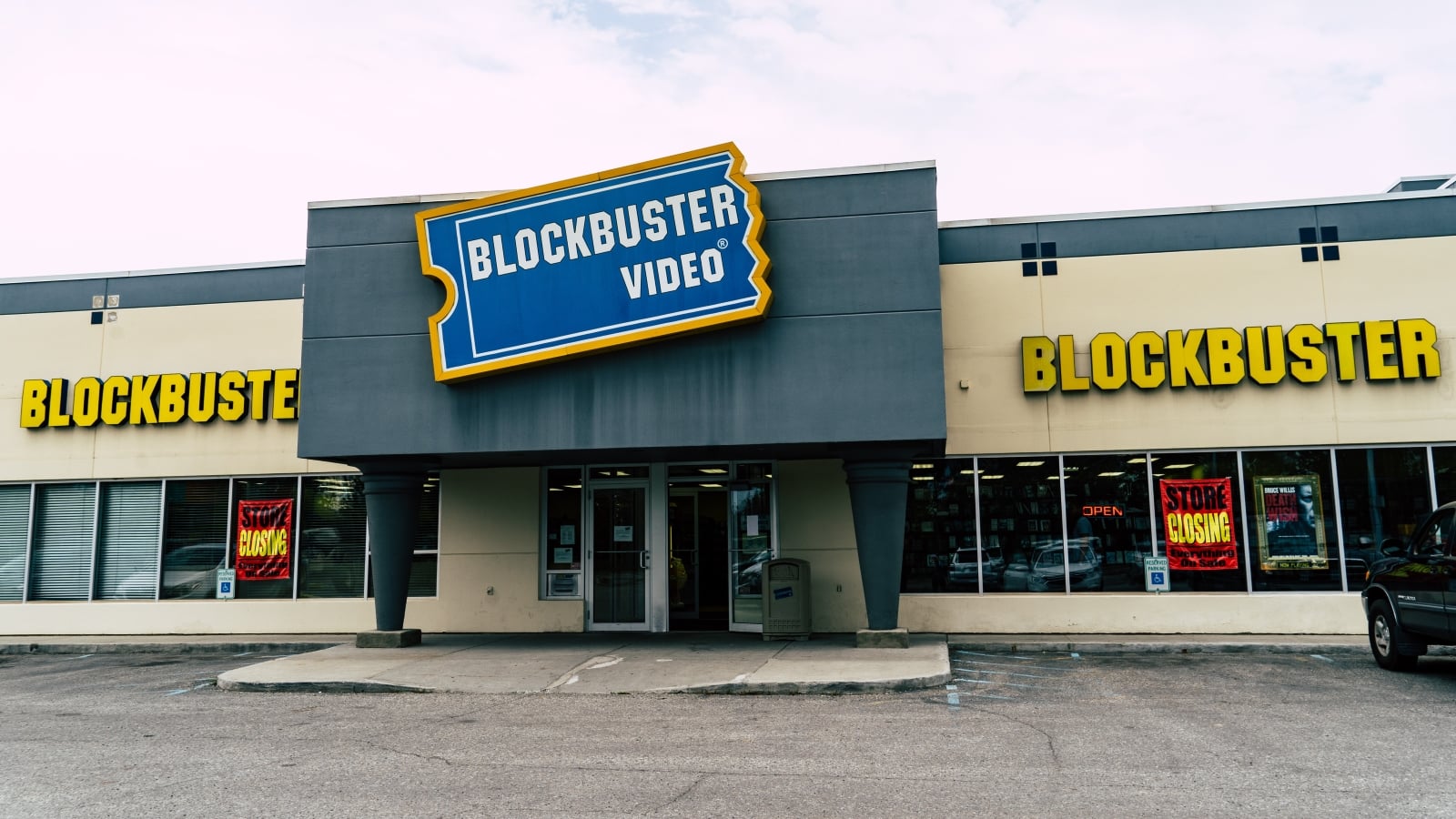
If you were of age in the 1980s and 1990s, Blockbuster was the top spot for renting weekend movies. With aisles lined with VHS tapes of the most popular movies, many people spent upwards of an hour browsing for the perfect film to rent for a cozy Friday night. At one time, Blockbuster had over 9,000 locations, but as streaming started to enter the scene, the company famously declined an offer to buy Netflix and failed to innovate beyond DVDs.
Smile Direct Club
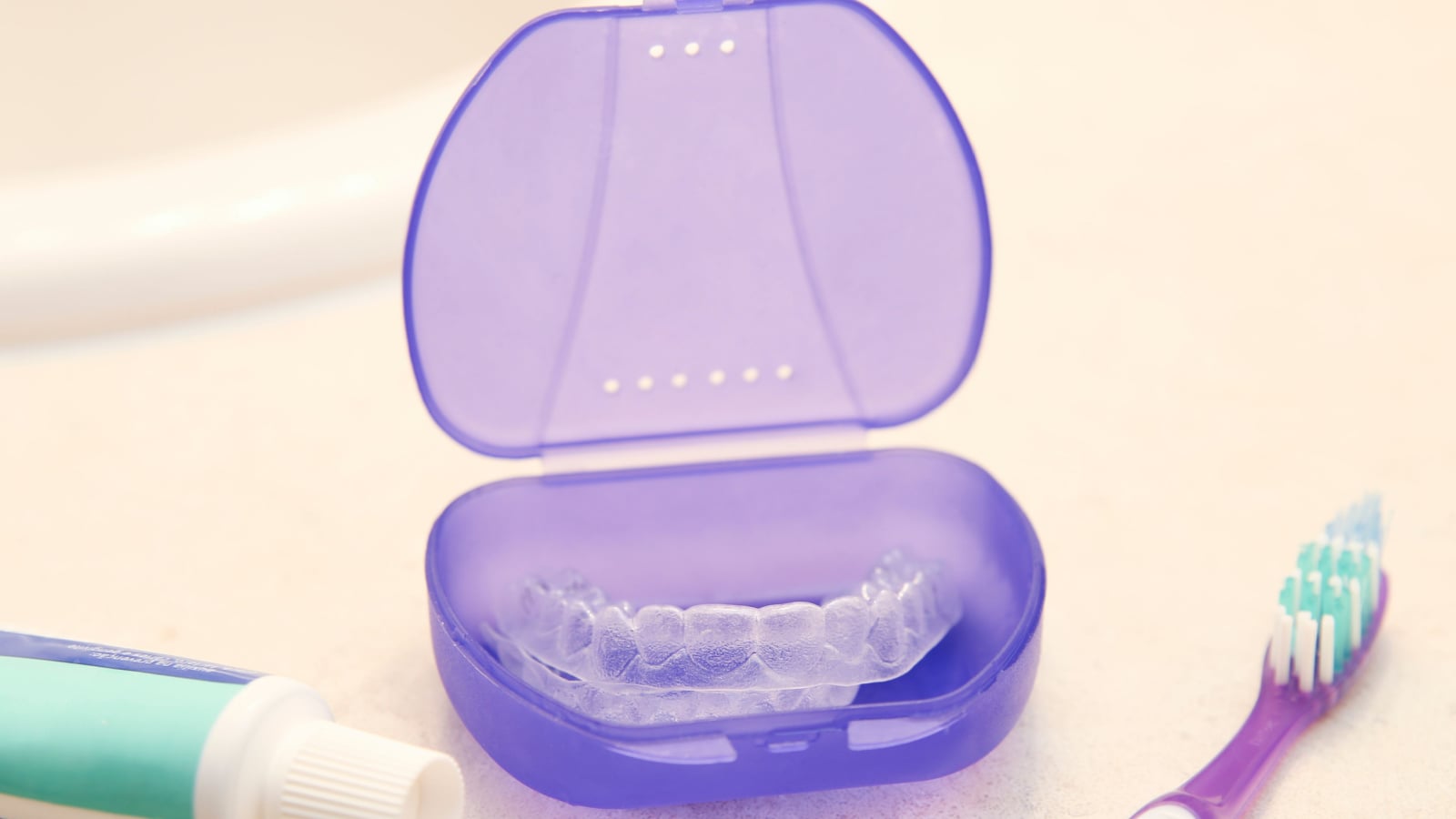
Smile Direct Club’s downfall is a recent example of unwise business moves, as it filed for bankruptcy in late 2023. This mail-order teeth-straightening company is involved in several lawsuits, including ones claiming it engaged in deceptive business practices. A lawsuit from 2022 claims that Smile Direct Club illegally utilized non-disclosure agreements to deter customers from reporting negative reviews to regulatory boards.
Source: Reddit
18 Startling Life Lessons Threatening Our Kids’ Futures

Raising kids is like building IKEA furniture without a manual: all those mysterious parts and no idea where they go. We’ve been making some assembly errors regarding the life lessons we’ve been handing down. So, grab your metaphorical Allen wrench! It’s time to tweak, twist, and retighten those wonky lessons we’re dishing out to our future adults.
18 Startling Life Lessons Threatening Our Kids’ Futures
12 Surprising Facts About Your Favorite Fast Food Brands

Brightly colored, ever available, satisfyingly greasy, the comfort of a familiar, friendly fast food joint is uncontested. Most Americans know the famed yellow arches of a McDonald’s or the vivid green color of a Starbucks kiosk. And while a palm-sized cup of fresh French fries might not alter your perceptions of well-known fast food brands, these surprising facts just might.