
Disclosure: This post may contain affiliate links, meaning if you decide to make a purchase via my links, I may earn a commission at no additional cost to you. See my disclosure for more info.
When buying your first home, the primary rule is not to buy more of a house than you can afford. However, what is affordable will differ for every first-time home buyer. Of course, location plays a big part in price, but as of May 2024, the median price for a new home in the US is $417,400, a lot of money for any home buyer. Without proper budgeting tips for first-time home buyers, it’s easy to overspend or overlook hidden costs that can strain your finances.
No matter how much you pay for your home, it will probably be one of the most significant purchases you ever make, so it’s important to figure out what you can afford and budget accordingly. To help you navigate this major financial step, we’ve compiled essential budgeting tips for first-time home buyers that will guide you through saving, planning, and making informed decisions.
With that in mind, we have put together a list of 17 smart budgeting tips for first-time home buyers. Even if you’re not a first-time home buyer, these tips can help if you’re considering selling your existing home and buying another one.
Create a Budget

The first step to home ownership is ensuring you completely understand your finances. Gather information about your monthly income, savings, and outstanding debts. Then, look at your recent spending history to see how much you spend on essentials like groceries and how much you put towards luxuries like eating out and entertainment.
Improve Your Credit Score
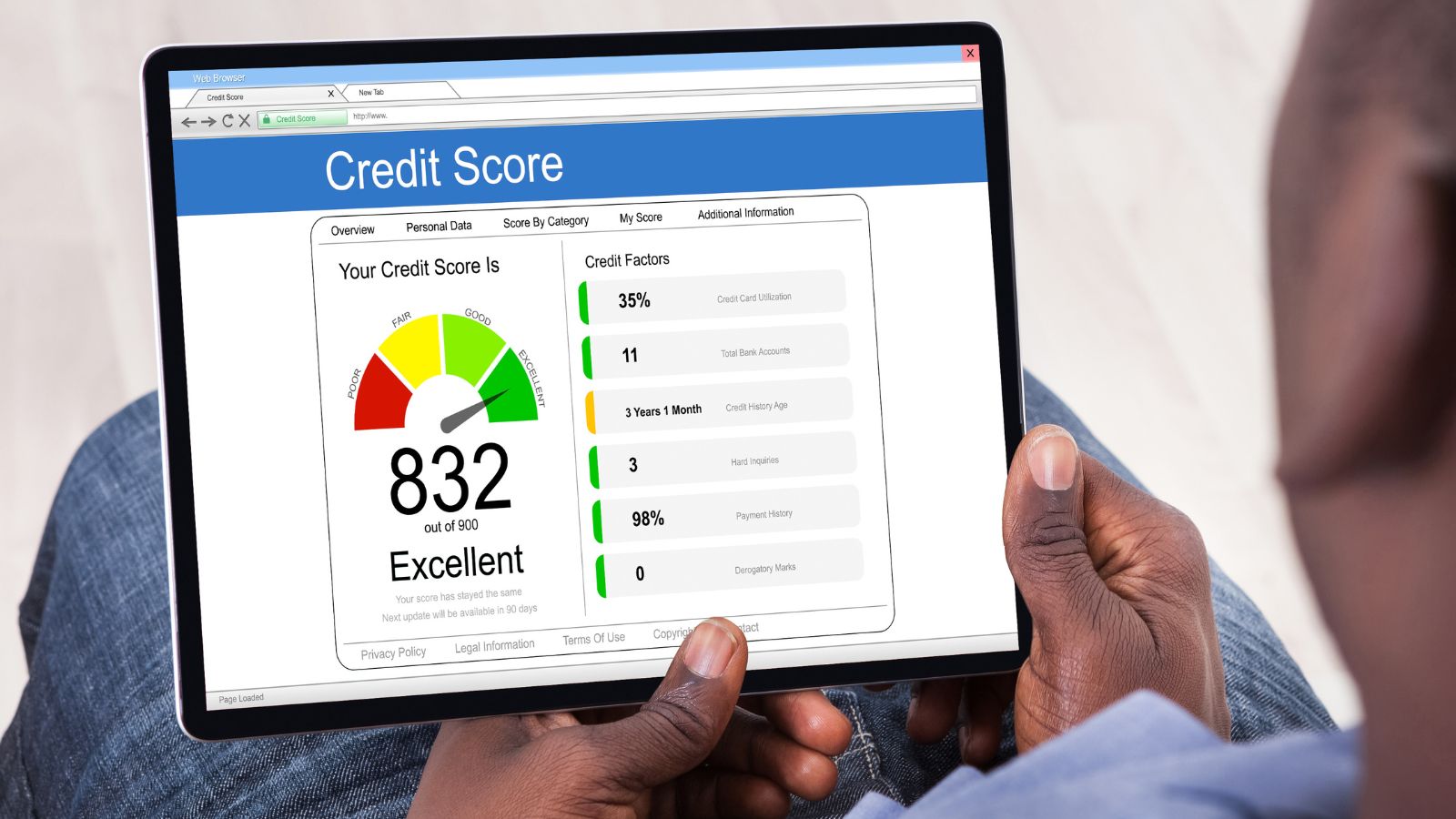
Your credit score plays a huge part in determining your interest rate. Spending a little time improving your credit score before buying your first home can make a huge difference. Check your credit report to ensure there are no fraudulent accounts, and then pay your bills on time and lower high-interest debts.
The 28% to 31% Rule

The 28% rule is a good way to calculate how much home you can afford. Your mortgage payment shouldn’t be over 28% to 31% of your gross monthly income. However, don’t forget to factor in your other debts because mortgage lenders will look at your entire debt-to-income ratio.
Decide on a Down Payment

Look at your savings and decide how much of a down payment you can afford. Some believe you should put down 20% of the total purchase price. While a higher down payment has some benefits, there are loan options that allow for a much lower down payment.
Don’t Forget Closing Costs

Closing costs usually range between 2% and 5% of the home’s total purchase price. Closing costs typically include things like title insurance, appraisal fees, attorney fees, and other charges. Make sure you budget for these costs to ensure you are completely prepared when buying your first home.
Talk to a Mortgage Lender
You don’t have to wait until you’re ready to make a home purchase to talk to a mortgage lender. They can work with you as you’re planning and budgeting to give you advice on how much home you can afford, loan programs, and down payment options.
Shop Around to Find the Best Mortgage Rate
Take some time to research a few mortgage loans and shop around for the best mortgage rates. A tiny difference in interest rate can enormously affect monthly mortgage payments. Remember, the best interest rate doesn’t always equate to the cheapest mortgage. Look at all the fees involved as well.
Remember to Budget for Bills Related to Home Ownership

The mortgage isn’t the only thing you’ll need to pay when you buy your first home. You’ll also need to budget for things like homeowner’s insurance, utilities, property taxes, and possibly homeowner’s association fees.
Budget for Essentials
Depending on your current situation, you may need to purchase appliances and furniture when buying your first home. You can start shopping before you close on your home, but if you have the funds available, you can avoid having to use a high-interest credit card to buy the things you need.
Don’t Forget Maintenance & Repair Costs
When you rent, your landlord probably covers maintenance and repair costs. But as a homeowner, you’ll have to take care of these things yourself. Older homes often need more upkeep, so bear that in mind when you’re working on your budget.
Cut Costs if Possible

Homeownership is rewarding but expensive. When you’ve factored in all the potential costs, your budget might be a little slim. Cutting costs where you can will help give you a little breathing room. Look at streaming services and apps you pay monthly for and cancel any you don’t use. Buy generic at the store instead of name brand. Even minor changes can improve your financial situation.
Choose a Home You Can Handle

When looking for your first home, remember to consider the size and condition of the property. A large home may look great, but the cooling and heating costs may be too much for your budget. The cheap fixer-upper may be a great price, but think about how much you’ll spend on repair costs.
Consider Purchasing a Home Warranty

If you’re worried about potential repair costs, consider a home warranty. All plans are unique, so do your research to find the best warranty for your circumstances. Just be sure to read the fine print so you’re sure you will be covered when you need it.
Track Your Progress & Make Changes When Necessary

Adjusting to a new budget takes time, and your budget will probably change every month. Make sure you track your progress and make changes when necessary.
18 Life Lessons Many Wish They’d Learned Earlier in Life

As Gen X journey through the ever-changing landscapes of work, relationships, and personal growth, they’ve gained insights they wish to impart to their younger selves. These life lessons are not only reflective of their generation but also universally relevant. Let’s delve into 18 profound lessons that Gen Xers hope to share with the next generation.
15 Activities Now Out of Reach Amid Economic Price Surge

In this era of profound social division and discord, one thing everyone can agree on is worsening conditions for healthy personal finance. Whether it’s the dream of homeownership, the goal of building a robust investment portfolio, or simply affording necessities like food, individuals across the spectrum struggle to overcome the decline in their financial well-being due to economic changes.
Housing Price Drop Likely In these 20 Cities

The volatility of the real estate market can frustrate first-time home buyers and investors alike. However, signs lead many to believe that 2024 could bring lower prices to previously hot housing markets. If you’re looking for an opportunity to own property, these cities could be a great place to look.
- Read More: Housing Price Drop Likely In these 20 Cities