Disclosure: This post may contain affiliate links, meaning if you decide to make a purchase via my links, I may earn a commission at no additional cost to you. See my disclosure for more info.
Navigating financial climates from one day to the next is enough to make anyone feel uneasy. By adopting prudent financial habits and building your savings, you can overcome the financial anxiety related to the potential for economic downturns. Prioritizing emergency savings, diversifying investments, and cultivating additional income streams are crucial strategies for weathering financial uncertainties.
The trick is knowing when and how to modify your approach to each aspect of your finances in relation to the markets. With these proactive tips, you can empower yourself to navigate challenging economic climates with greater resilience and peace of mind. 25 Clever Money Tips for a Stronger Financial Foundation.
1. Build Multiple Income Streams

Relying on a single income source is risky. I encourage you to build multiple income streams. This could mean turning a passion into a profitable side business, leveraging your home for rental income, or tapping into the gig economy’s vast potential. Diversification is key to creating a financial buffer in unpredictable times.
I have many smaller income streams contributing to my monthly earnings. If one takes a hit, the others help keep me afloat while I rebuild or expand.
2. Establish a Robust Emergency Fund

An emergency fund is your financial lifeline. Most people advise aiming for at least six months of expenses. But this can feel overwhelming or like an impossible target. So start small. Begin by setting aside a portion of your income every month. Set it up on auto-pay to go straight from your paycheck into your savings. Then, set smaller milestones and celebrate them. Aim for having one month of expenses, then three, and finally, six.
3. Minimize Non-essential Spending

Scrutinize your expenses and cut back wherever possible. This may involve canceling unused subscriptions, opting for home-cooked meals over restaurant dining, or embracing second-hand shopping. Consistently refining your spending habits can significantly bolster your financial resilience.
You’ll be surprised at how many unused subscriptions you accumulate and how much money you waste on non-essentials. But do leave some flexibility for small treats and the occasional impulsive cup of coffee and slice of cake.
4. Hone Your Practical, Money-Saving Skills

Investing time in learning practical skills is a smart move. Cultivating a garden, honing your culinary skills, or mastering basic home repairs saves money and enhances self-sufficiency. These skills can serve as valuable resources in a community setting, fostering cooperation and mutual support. And your neighbors may even pay you or barter with you for your help.
5. Prioritize Your Health

Good health is a priceless asset, particularly in uncertain economic times. Engage in regular physical activity, maintain a balanced diet, and practice stress management techniques. Prioritizing your physical and mental well-being can help minimize healthcare expenses in the long run.
6. Grow Your Own Produce

Starting a home garden is economical and fulfilling. You can grow various herbs and vegetables, even in limited spaces. This reduces grocery bills and connects you with the natural world, offering a sense of achievement and relaxation. Grow things that cost a lot or that you buy most often.
I grow all kinds of fruit and veg, but if I had a smaller space, I’d focus on strawberries, tomatoes, peppers, potatoes, and probably peas and beans to take advantage of vertical space.
7. Embrace the Minimalist Lifestyle

Adopting a minimalist approach can significantly reduce financial strain. Assess your possessions and retain only those that add value to your life. Then, commit to not buying anything that isn’t strictly necessary. This lifestyle focuses on simplicity and intentionality, minimizing impulse buys and promoting financial freedom.
8. Master Food Preservation Techniques

Learning to preserve food can greatly extend your grocery budget. Whether it’s canning, freezing, or dehydrating, these methods maximize the shelf life of your produce and reduce waste. They also allow for creative gift options and are a fun way to engage with local food sources.
9. Boost Your Financial Knowledge

Understanding the basics of personal finance is more important than ever. Dedicate time to learning about budgeting, saving, investing, and debt management. You’ll find loads of free resources online to enhance your financial literacy, empowering you to navigate complex financial landscapes confidently.
10. Develop a Recession-Proof Budget

Crafting a budget that withstands economic downturns involves focusing on essential expenses and reducing vulnerabilities. Analyze and adjust your spending on non-essentials, ensuring your budget is lean and geared towards necessities. Regular budget revisions can keep you adaptable and prepared for financial shifts.
11. Invest in Sustainable Energy
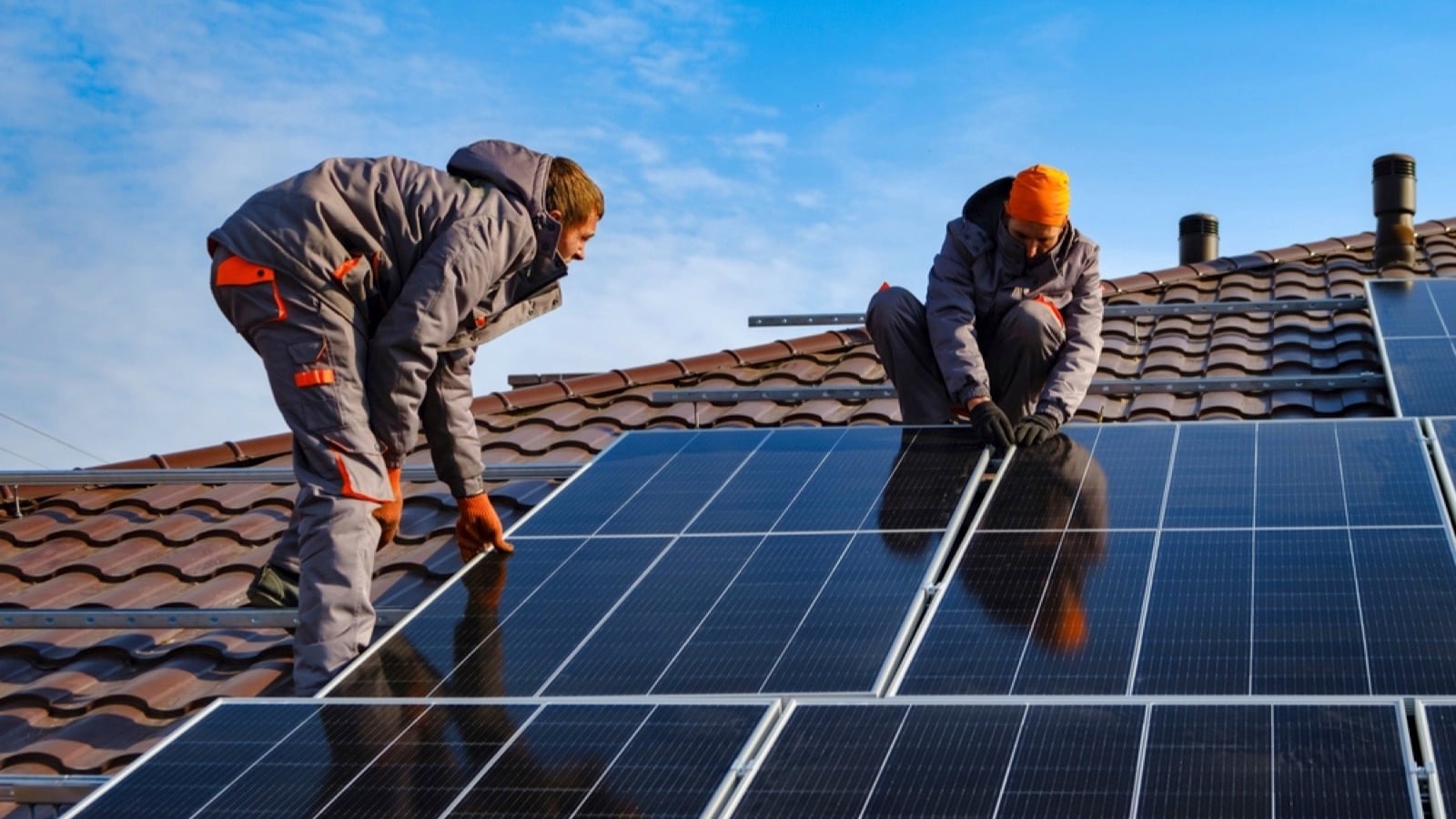
Investing in renewable energy, like solar panels, can offer long-term financial benefits. It reduces reliance on traditional energy sources and can lead to significant savings on utility bills. Consider the feasibility of such investments for your home and explore communal renewable energy initiatives.
12. Foster Community Engagement

A strong community network is invaluable during economic challenges. Building relationships with neighbors and local organizations creates a supportive environment for resource sharing and collective problem-solving. Engage in community projects and consider initiating or participating in skill exchanges or local support groups.
13. Master the Art of Bartering

Bartering is economical and a great way to strengthen community ties. Assess what skills or goods you can offer and identify what you need. Engage in bartering at community events or through local online forums. This approach helps save money, builds relationships, and can lead to new collaborations or learning opportunities.
I barter my excess produce, herbal remedies, and craft skills with my neighbors and within a local homesteading collective.
14. Stay Economically Aware

In a fluctuating economy, staying informed is vital. Keep up with financial news, subscribe to economic updates, and engage in local financial discussions. Understanding economic trends lets you preemptively adjust your financial plans, keeping you ahead of potential downturns.
15. Prioritize Debt Reduction

Reducing debt is crucial for financial resilience. Analyze your debts, focusing first on those with high interest. Look into consolidating debts for better rates. Consistently paying down debt improves your credit score and frees up income for savings or investments.
16. Enhance Home Security

Invest in home security, especially in economically challenging times. Simple improvements like better locks, security systems, or neighborhood watch initiatives can make a big difference. These measures protect your home and provide peace of mind.
17. Build a Stockpile of Necessities

Stockpile essential supplies like non-perishables, medical items, and hygiene products. This ensures you’re prepared for supply disruptions or price increases. Manage your stockpile effectively by rotating supplies and tailoring them to your family’s needs.
18. Launch a Side Venture

Turning a hobby into a side business provides additional income and personal satisfaction. Whether crafting, gardening, or offering online services, a side business can grow into a significant income stream and provide financial security.
I sell my crafts, publish puzzle books, sell digital products, and provide various online services.
19. Optimize Your Insurance

Regularly assess your insurance to ensure it’s cost-effective yet comprehensive. Adjusting coverage or bundling policies can lead to savings. Effective insurance planning protects against unforeseen events while managing costs.
20. Acquire Basic Health Skills

Basic first aid knowledge is essential. It reduces reliance on medical services for minor issues, saving costs. These skills are also crucial in emergencies. Consider a first aid course and maintain a well-stocked kit.
21. Implement Energy-Saving Practices

Reducing energy consumption saves money and is environmentally responsible. Use energy-efficient lighting, insulate your home, and be mindful of appliance use. Investing in energy-saving technologies pays off in the long term.
22. Embrace Do-It-Yourself Projects

DIY projects are economical and gratifying. Tackle home repairs, create gifts, or try upcycling. Start small and gradually build your skills. Online tutorials are great resources for learning and inspiration.
23. Exploit Public Resources

Make use of public resources like libraries and community centers. They offer access to education, workshops, and entertainment, often at little to no cost. These venues are also excellent for networking and community engagement.
24. Make Long-Term Oriented Decisions

In your preparations, prioritize long-term value over immediate cost. Investing in quality items that last longer is more economical over time. Assess the long-term viability and cost-effectiveness of your purchases.
25. Maintain Flexibility

Adaptability is key during economic downturns. Be open to changing your lifestyle, learning new skills, or exploring new opportunities. Flexibility can lead to unexpected prospects and helps in navigating uncertain financial landscapes.
18 Ways to Save Without Sacrificing Life and Happiness

Do you want a new perspective on saving money? If you think this is another article telling you to skip your morning coffee or give up dining out, then let us tell you—it’s not! This blog post discusses 18 innovative and painless ways to save cash without sacrificing the things that make you happy. We believe that a good life isn’t about cutting back on everything you love but about making smarter decisions with what you have. So, if you’re ready to start saving without compromising your lifestyle or happiness, dive right in!
16 Simple Ways to Recover From Burnout

There are occasions when we all need to take a time out. When the pressures of work or other areas of our daily lives become too much, it’s good to walk away and take time for ourselves. If those pressures aren’t addressed, they can lead to burnout. This unpleasant phenomenon involves many symptoms, including exhaustion and a lack of motivation. However, if you feel you’ve crossed the line from tiredness to burnout, there is good news: There are many ways to get on the road to recovery.
- Read More: 16 Simple Ways to Recover From Burnout