Disclosure: This post may contain affiliate links, meaning if you decide to make a purchase via my links, I may earn a commission at no additional cost to you. See my disclosure for more info.
If you have been through at least a couple of interviews, you probably already have a pretty good idea of what to expect. If you’ve never had one, you should know that every job interview usually consists of seven steps. Understanding this Interview Code can help you feel more confident and better prepared for what’s ahead.
However, assuming that your job interview starts when you arrive on site is important. The interviewers will likely meet you at their office space’s reception area. Then, they will take you to the room where the formal interview begins. Here are the seven stages you can expect to undergo during your interview.

Interview Code:
Introduction Phase

This is the very beginning of the interview, where you and the interviewer will introduce yourselves. First impressions are so vital. This is your chance to make an impact. Have a firm handshake, make eye contact, and don’t forget to smile. It’s great to show excitement and enthusiasm for the opportunity to interview for the position.
Small Talk and Icebreakers

Once all relevant parties are seated and have had a chance to introduce themselves, you can expect a few icebreakers before diving into the more relevant interview questions.
This will allow you to get to know the hiring manager and establish rapport. It is also a crucial time for you to show your personality. At some point, the lead interviewer will announce the formal beginning of your job interview.
Company Overview
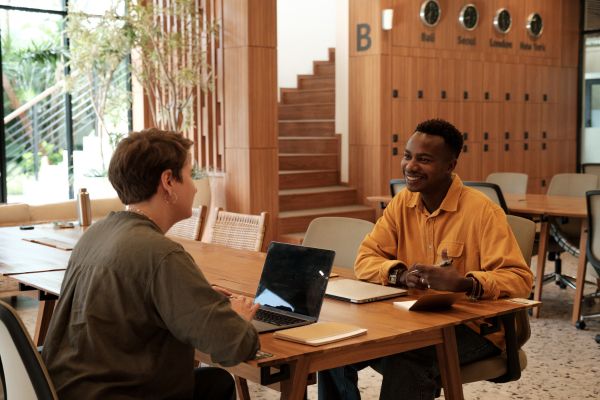
Very often, job interviews begin with a general company overview. The interviewers might ask you what you know about the company. Then, they might give you a brief presentation about the company’s operations, where they are today, and some of their long-term goals.
Resume Review
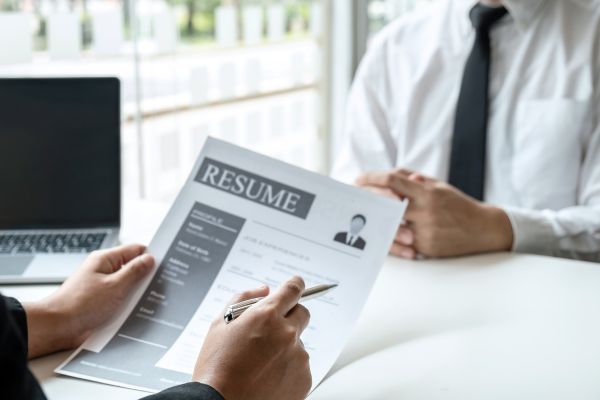
The substantial part of the interview may start with a resume review. The interviewer may pull out a copy of your resume and inquire further about your professional background and the people you have listed as references. They may also ask you to provide more details about your previous roles and responsibilities.
Behavioral Questions

The interviewer may ask you questions that are designed to get you to describe specific situations to demonstrate certain skills or qualities of yours. Such questions often begin with phrases like “Tell me about a time when…” or “Describe a situation where…”
Skills-Based Questions

At some point, the focus of the interview will shift to the specific role you have applied for. This is probably the most critical phase, as you will be asked role-specific questions related to your professional experience, knowledge, and skills. These questions may be more specific and focused on your ability to perform certain tasks or use particular tools or technologies.
Closing Phase and Concluding Words

Before the end of the interview, the hiring manager should ask if you have any questions for them. This is your opportunity to ask about the company, the role, or the next steps in the hiring process.
Near the end of your interview, the hiring manager might decide to give you some feedback. They might tell you you are a promising candidate, which is the best response you could hope for.
Before you leave, ask the hiring manager when you can expect to hear back from them. If that time comes and you have not received a response, it is ok to follow up with an email to request an update. Your post-interview communication should be kept to a bare minimum, so do not send follow-up emails more than three times spaced out over a week or two. If you have not received an update 2 to 3 weeks after your job interview, it is safe to assume you are no longer being considered for the role.
Visualize for Success

The best advice on how to ace your job interview other than to prepare really well for it is to visualize it. This will be especially helpful if you don’t have experience with job interviews or have confidence issues. It would be even better if you could simulate the job interview with the help of a friend or a sibling playing the role of the interviewer.
15 Surprising “Weaknesses” Employers Want to Hear about in Job Interviews