Disclosure: This post may contain affiliate links, meaning if you decide to make a purchase via my links, I may earn a commission at no additional cost to you. See my disclosure for more info.
For all the great financial advice, Americans are just as susceptible to falling victim to unassuming conveniences. From ready-made meals to on-demand transportation services, the modern landscape is littered with Expenses to Avoid—conveniences that promise to simplify our lives but often come with a hefty price tag.
Yet, beneath the allure of improved efficiency lies a troubling truth: these costly conveniences are shaping not just our routines but our habits and values as well. If you’re serious about shaping up your finances, these are 18 areas of your life to take a hard look at.
An Advance

Payday advance loans top the list of significant financial pitfalls, particularly for individuals facing economic hardships. The observation underscores the disproportionate impact on the less affluent. For the middle class, the focus shifts to purchasing new cars and delaying debt repayment as the primary culprits draining financial resources.
This commentary sheds light on distinct financial challenges faced by different socioeconomic groups, emphasizing the need for targeted financial education and prudent decision-making to address varied economic circumstances.
Bottled Water

Numerous commenters say purchasing bottled water is a notable financial misstep if residing in an area with unsafe tap water. The sentiment underscores the consensus on the cost-efficiency of buying individually packaged water.
For those compelled to purchase, one suggestion advocates for cost savings by acquiring water in larger packs instead of single bottles, emphasizing a pragmatic approach to minimizing the financial impact of this common consumer choice. This perspective prompts reflection on the balance between convenience and financial prudence in everyday purchasing decisions.
Gluttonous Choices

“I’ve eaten my way into debt many, many times.” said another on the discussion platform. A self-professed, compulsive eater acknowledges that the predominant item draining their finances is food in all its forms. This encompasses expenditures ranging from superfluous supermarket purchases to frequent orders and dining out.
The recognition of this spending pattern underscores the financial impact of impulsive food-related choices, extending beyond mere sustenance. The admission prompts contemplation on personal spending habits, advocating for mindfulness and intentional decision-making, particularly in areas where discretionary spending can significantly impact overall financial well-being.
Coffee

One bright, thrifty contributor advises, “You can make excellent coffee at home in less time than it takes to go to a cafe and for a percentage of the cost.” Disregarding K-cup’s appeal, a prevalent trend is that numerous individuals spend even more significant sums on coffee from premium establishments like Starbucks.
This observation sheds light on the potential financial strain of frequenting expensive coffee shops. The critique prompts consideration of more cost-effective alternatives for obtaining a daily caffeine fix, underlining the importance of mindful spending on routine consumables to prevent the unnecessary drain on personal finances. The prevalence of such habits invites reflection on the balance between convenience and fiscal responsibility in everyday choices.
Bulk Items
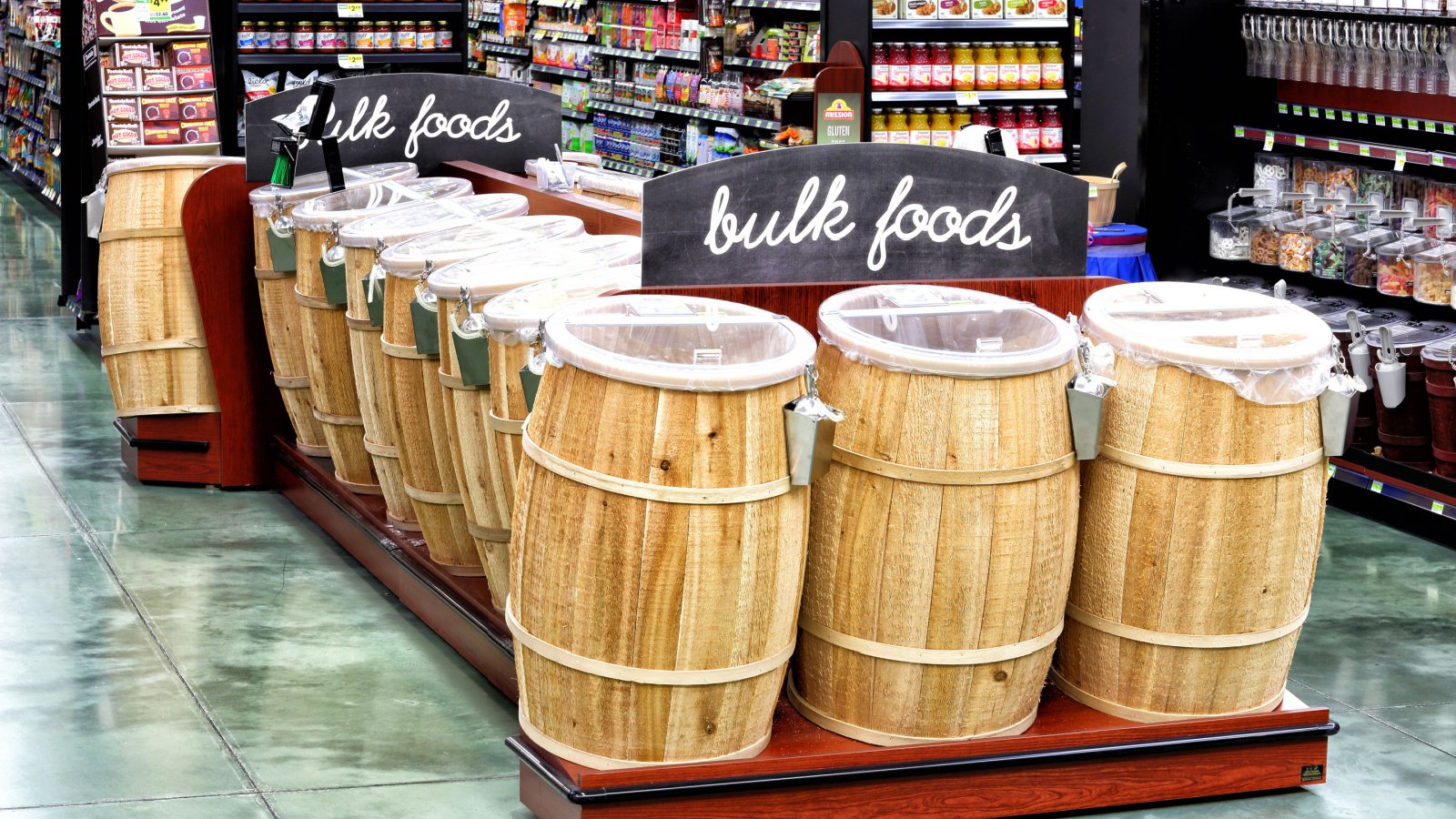
You read it correctly: according to a financially astute individual, purchasing bulk items can be a considerable financial misstep. The emphasis lies in the assertion that bulk buying is detrimental to one’s finances when the product has a limited shelf life and isn’t consumed regularly. This perspective urges consumers to weigh the cost-effectiveness of bulk purchases against the practicality of individual usage, fostering a thoughtful approach to managing expenses and avoiding unnecessary waste.
K-Cups

“You’d think people couldn’t spare five minutes to boil water and fill a coffee pot,” explained one on the thread. Expressing a practical perspective, a financially mindful individual questions the necessity of resorting to K-cups for coffee and tea, emphasizing the simplicity of boiling water and using a conventional coffee pot.
They ponder the reliance on convenience-driven products and reflect on the era before the advent of K-cups, suggesting that traditional methods could still meet the same need without incurring the additional cost associated with single-use convenience items. This viewpoint underscores the potential financial impact of convenience-driven choices and the value of examining alternatives for cost-effective solutions.
Storage Units

“I basically paid to have my stuff [pooped] on and chewed, though.” explained one person, whose unlucky storage story involved an invasion of mice. The consensus among several commenters points to the increasing costs associated with storage units, deeming them a notably poor investment of one’s financial resources. The shared sentiment emphasizes the escalating expenses tied to storage solutions, raising questions about the necessity and cost-effectiveness of maintaining such facilities.
This collective perspective encourages individuals to critically evaluate the financial implications of utilizing storage units and consider alternative solutions that align more closely with prudent budgeting and financial goals.
Price Gouging Greetings

Considered among the least judicious expenditures, purchasing cards for Hallmark holidays emerges as a substantial financial drain. Notably, a commenter highlights the significant price disparity between cards at Hallmark, reaching $12, and the Dollar Store, where a pair costs only $1. Despite potential quality differences, the commenter deems the Dollar Store option worthwhile, emphasizing the transient nature of such cards destined for disposal within a week. This perspective prompts reflection on the value assigned to temporary expressions of sentiment and advocates for more pragmatic approaches to greeting card purchases.
Bottoms Up

Holy smokes, some of my friends spend so much money on booze,” says one friend who doesn’t share the same spending habit. Although the occasional drink is generally financially manageable, a concerning trend emerges as a significant number of Americans treat alcohol consumption casually, akin to water.
The pervasive nature of this behavior suggests a potential impact on savings accounts. The financial repercussions of such habits prompt contemplation on the broader consequences of consistent and excessive spending on alcohol, signaling a need for heightened awareness and responsible financial choices in the context of lifestyle expenditures.
The Latest Thing

“The latest anything.” one person explained, “No one needs to be the first to own anything.” Observing someone categorize “the latest iPhones” as a standard item subject to financial waste brings attention to the perceived extravagance associated with frequent upgrades in phone technology. The term “latest iPhones” suggests a broader trend of continuously chasing technological advancements, often at a considerable cost.
This observation prompts contemplation on consumer behaviors related to tech gadgets. It encourages thoughtful consideration of the financial implications tied to the pursuit of the latest and most advanced smartphone models.
In a Rush

One person on the thread said, “Paying to get on a plane slightly earlier than other people” ranks as the foremost expenditure individuals squander their money on.
Opinions among travelers may vary, but an undeniable truth prevails. Regardless of the ticket price, everyone aboard a plane ultimately reaches the same destination. While perspectives on travel experiences may differ, this fundamental equality in the ultimate destination underscores the shared nature of the journey. Regardless of diverse travel budgets, the commonality lies in arriving at the designated endpoint, emphasizing a unifying aspect amid varied travel preferences and financial considerations.
Vehicles

“Driving solo in a car built for five is one of the biggest wastes of money,” said one person. The cost of owning a car can be substantial, and its necessity varies based on geographical location. Moreover, the size of the vehicle plays a pivotal role in determining its practicality.
Owning a car might not be an imperative expenditure for some individuals, especially those residing in well-connected urban areas. The observation underscores the nuanced relationship between geographical context, personal needs, and the financial impact of car ownership, prompting consideration of more cost-effective transportation alternatives when feasible.
The Big (Expensive) Day

Expressing surprise, a commenter highlights weddings as a significant financial sink for Americans. Their astonishment stems from the difficulty in finding someone who shared the same sentiment. Ultimately, over 570 individuals rallied behind their perspective, supporting the assertion that weddings rank among substantial expenditures.
This consensus underscores the widespread acknowledgment of the financial strain associated with wedding costs, encouraging a critical examination of societal norms and personal choices regarding celebratory expenses. The shared agreement reflects a collective concern about the economic impact of wedding-related expenditures.
Brand Identity

One person said, “The idea that there is an objective measure of wine’s quality and that it is reflected in the price is pervasive.” Comparable value can be obtained by choosing a knock-off brand over a well-established one. Using wine as an illustration, they challenge the notion that price is an objective measure of its quality. Emphasizing this, they highlight that in blind taste tests, many participants struggle to distinguish between cheap and expensive wine.
This perspective prompts a reconsideration of the correlation between brand recognition and product quality, encouraging consumers to question established perceptions and make more informed, value-conscious purchasing decisions.
Not Winning Big

The consensus among over 1,200 individuals points to lottery tickets as the primary financial pitfall for many Americans. Commentaries within the forum suggest discontent with the legality of the lottery, with some commenters blaming the government, branding it as “exploitative.”
This collective sentiment sheds light on the widespread concern regarding the financial impact of lottery spending. It raises questions about the ethical implications of its widespread legalization. The dialogue underscores the need to critically examine societal norms surrounding financial choices and their potential consequences.
Eating Out

As noted by a perplexed coworker, numerous individuals partake in daily lunch outings. This observation garnered over 2,900 upvotes, attesting to the widespread consensus on dining out ranking among the most prevalent expenditures deemed financial waste. The resonance of this sentiment underscores the collective acknowledgment of the impact of daily dining habits on personal finances, prompting contemplation on
Highway Robbery

“This is highway robbery!” proclaims an entertained consumer who sees through the premade fruit cup scheme. While pursuing a healthy diet is commendable, businesses adeptly entice consumers into unnecessary expenditures on food readily prepared at home. A prime example of this is premade fruit salad cups.
Despite their health-conscious appeal, these products often come with a price premium that could be significantly mitigated by preparing the same items in the comfort of one’s home. This highlights the delicate balance between health-conscious choices and financial prudence when navigating the convenience foods available.