
Disclosure: This post may contain affiliate links, meaning if you decide to make a purchase via my links, I may earn a commission at no additional cost to you. See my disclosure for more info.
Constantly stressing about money and waiting for your next paycheck is exhausting. Breaking this cycle by getting a month ahead on bills can bring incredible peace of mind. It takes time and some short-term sacrifices, but the financial stability and reduced stress are well worth it.
Worthwhile things almost always take hard work and dedication. Savings goals are no different. Some sacrifices or changes might be involved, which might take a year. But it’s a potentially life-changing financial goal I’d recommend to anyone.
Here are some tips for getting one month ahead on bills:
1. Start With a Budget
 Image Credit: Shutterstock.[/caption]
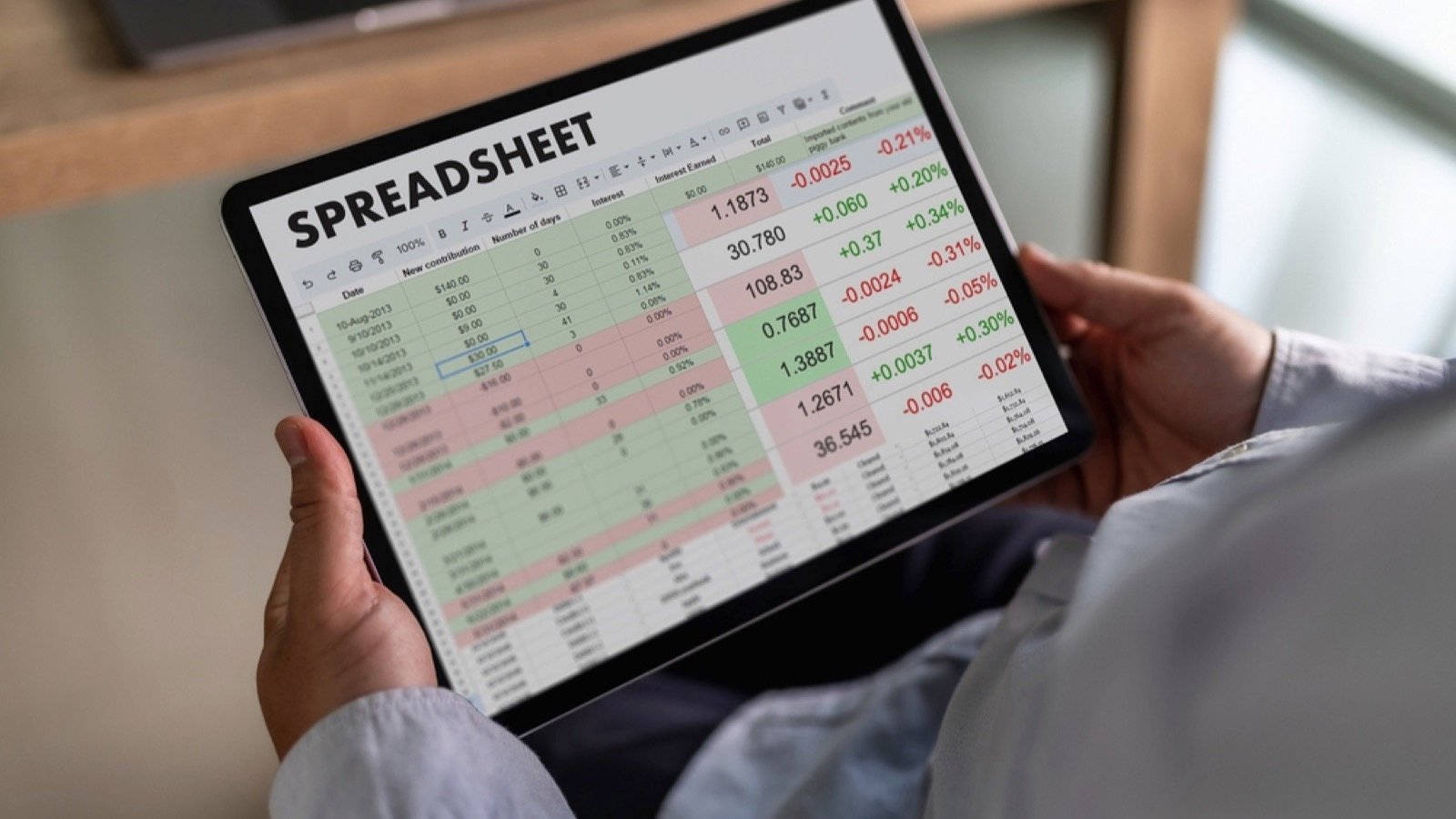 Image Credit: Shutterstock.[/caption]
Budget your money if you want to get one month ahead. A monthly budget is a must.
The purpose of a budget is to help you:
- See where your money is going
- Pay all your bills on time
- Reduce spending
- Make progress toward your goals
If you don’t budget your money, start a budget. Budgeting is the key to getting a month ahead on your bills. When working on filling up your get-ahead fund, use a zero-based budget by giving every dollar a job.
2. Figure Out How Much You Need to Save

Image Credit: Shutterstock.[/caption]
If you budget and track your spending, the exact amount you need to save should be easy to find.
Total up your expenses for the last three months and average them. Since expenses vary month to month, taking an average of the previous few months should give you a good number to aim for.
3. Establish a Separate Account
 Image Credit: Shutterstock.[/caption]
Keep the money separate from your checking account if you’re serious about getting a month ahead. Remove the temptation to spend it. Set up a savings account for your get-ahead fund.
Use this account for your get-ahead money and nothing else. Funnel money into the account when you can.
4. Cut Down on Spending
- Image Credit: Shutterstock.[/caption]
 Image Credit: Shutterstock.[/caption]
Living within your means is one of the best ways to protect your financial future. However, if you want to get one month ahead on bills, you might have to temporarily take it a step further.
Identify things you can stop buying to save money. You might be able to free up hundreds by eliminating your unused gym membership and subscriptions, lowering your food costs by eating at home more often, and shopping for a better car insurance rate or cell phone plan.
The more ways you can find to cut expenses, the faster you’ll get a month ahead on bills. Reduce your monthly spending by 10%, and you’ll have a month’s expenses saved in ten months. You’ll reach your goal even faster if you can cut back more than that.
5. Do a 30-Day No Spend Challenge

Image Credit: Shutterstock.[/caption]
If you want to slash your spending, take it to the next level with a 30-day no-spend challenge. A no-spend challenge involves cutting out unnecessary expenditures for an entire month, helping you get one month ahead on your bills faster.
The challenge will also force you to examine how you spend your money, clarify your needs versus your wants, and help you break bad spending habits. You’ll see how much you can save by cutting things you waste money on that you don’t need out of your budget. It might even change your entire outlook on spending money.
6. Start a Side Hustle

Image Credit: Shutterstock.[/caption]
Making more money is easier said than done, but it’s one of the best ways to improve your financial situation. Starting a side hustle will add additional monthly income you can use to fill up your get-ahead fund.
Look for side hustles with low startup costs and flexible hours. Find side gigs that leverage your existing skills or require no special training.
The gig economy is here to stay. If you have in-demand skills, you can find freelance opportunities on Upwork or offer a service on Fiverr. You can deliver food with DoorDash or use Taskrabbit.com to find tasks requiring little skill, like raking leaves or assembling Ikea furniture. Signing up as a dog walker or pet sitter on Rover.com costs nothing.
7. Get a Part-Time Job

Image Credit: Shutterstock.[/caption]
Not everyone wants to run a side business or be a freelancer. You can still make extra money by getting a part-time job.
With a part-time job, you don’t have to worry about finding clients, self-employment taxes, marketing, or any other things that might come with side hustling. You get the extra money with little to no overhead. You can focus on being an outstanding employee.
You’ll have to make sacrifices as you won’t have as much free time. If you’re considering getting another job to increase your income, you’ll have to decide if getting a second job is worth it.
8. Save Your Extra Paycheck

Image Credit: Shutterstock.[/caption]
If you get paid every two weeks, twice a year, you get three paychecks in a single month. If you keep your budget based on two paychecks like the other ten months of the year, your three paycheck months will be enough to get you one month ahead within a year.
9. Save Any Windfalls or Unexpected Income

Image Credit: Shutterstock.[/caption]
If you get a windfall, add some or all of the money to your get-ahead fund. It could be a work bonus, a tax return refund, a cash gift, or an inheritance. Use it to your advantage whenever you have money you weren’t expecting.
10. Pretend You Didn’t Get a Raise

Image Credit: Shutterstock.[/caption]
Getting a raise can help you get your finances under control. Take care not to fall into the lifestyle creep trap, though.
The more people make, the more they tend to spend. No rule states you have to spend more just because you started earning extra income.
Forget upgrading your lifestyle. Forget keeping up with the Kardashians. Keep the same standard of living until you’re one month ahead.
When you reach that point, consider what to do with the extra cash you earn each month.
11. Sell Stuff You Don’t Need or Use

Image Credit: Shutterstock.[/caption]
We’ve made more than a few purchases we’ve regretted. We’ve also received gifts that made us wonder if our friends and family know us. We’ve purchased gear for hobbies and activities we didn’t stick with.
Someone else might want the things you no longer use. If you’ve got stuff collecting dust in a closet or basement, raise some quick cash by selling it. Someone will want it.
You can sell online via Craigslist, Facebook Marketplace, or eBay. If you have clothes or fashion accessories to sell, you can make money on Poshmark.
You could have a garage sale if you don’t want to sell your stuff online. If you opt for a garage sale, check out these garage sale hacks to help you maximize your earnings.
If you can’t bear to part with your stuff permanently, consider renting it out when you’re not using it.
Advantages of Being One Month Ahead on Bills

Image Credit: Shutterstock.[/caption]
If you’re unsure if changing your spending habits to save up a month’s expenses is worth it, let me convince you. Being a month ahead:
1. Reduces Financial Stress

Image Credit: Shutterstock.[/caption]
There’s no need to worry about paying bills because you already have the money in your account. Once you’re a month ahead, you pay this month’s bills with last month’s income. The peace of mind you gain from getting ahead is priceless.
2. Helps You Stick To Your Budget

Image Credit: Shutterstock.[/caption]
There are multiple ways to start a budget. There are detailed, time-consuming ways. There are also flexible budgeting techniques that require less work. No matter how you budget your money, creating a budget is simple. Sticking to it is the challenge. When you’re a month ahead on bills, you’re most of the way toward staying on budget.
3. Ensures You’re Never Late on Bills
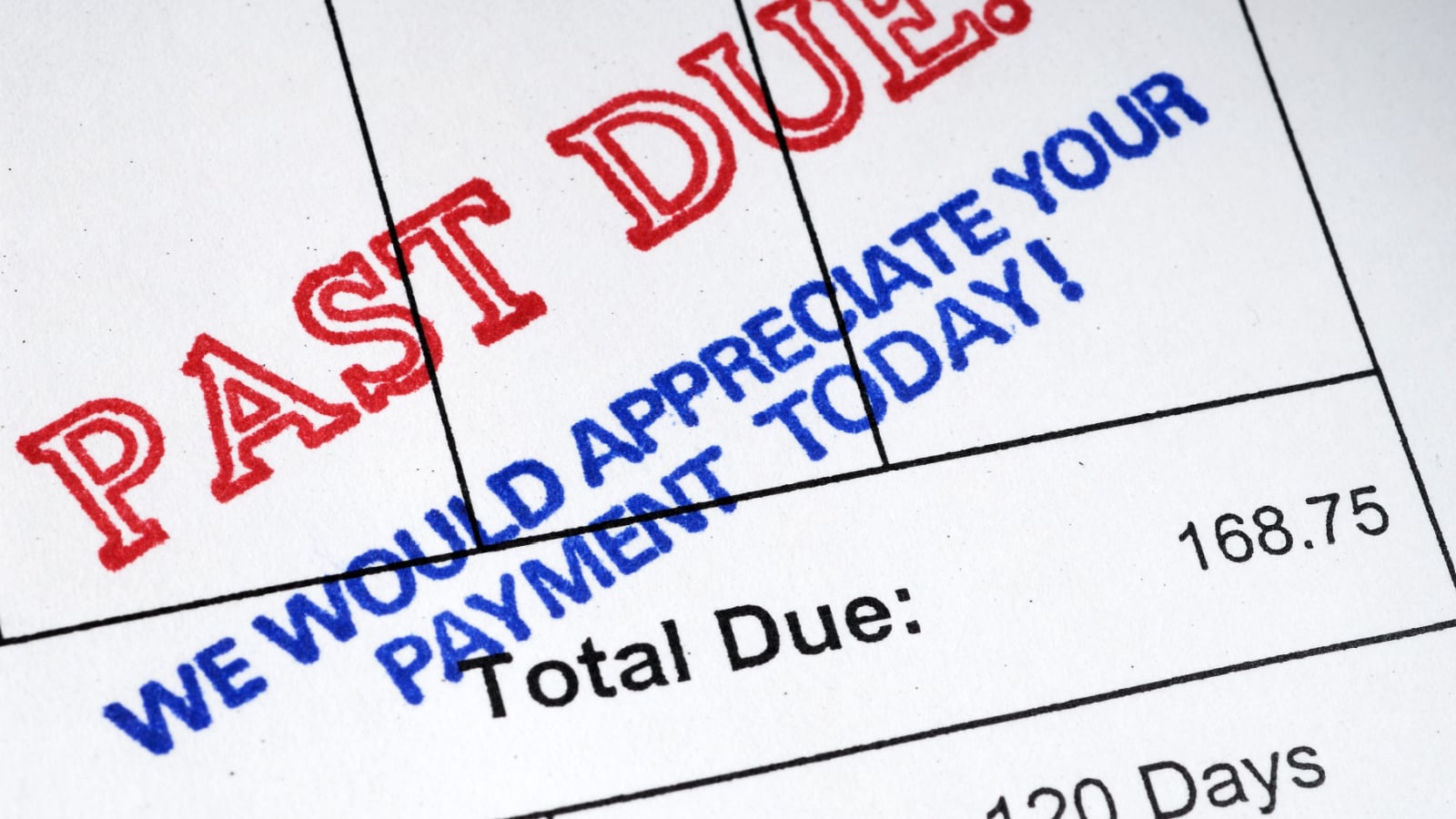
Image Credit: Shutterstock.[/caption]
Pay your monthly bills as they arrive, on their due dates, or pay a little early. You don’t have to wait for a paycheck to make your monthly payment. You never have to pay overdraft fees or late charges.
4. Helps You Live Within Your Means

Image Credit: Shutterstock.[/caption]
Spending less than you earn is a fundamental principle of sound money management. Living below your means is much easier when the money for your bills is in your account before they arrive.
5. Gives You a One Month Buffer

Image Credit: Shutterstock.[/caption]
An emergency fund should be established before you focus on getting one month ahead on bills. If you’re not sure you need emergency savings, here are some emergency fund examples that will convince you to be prepared. If you have to tap into or deplete your emergency fund, being a month ahead gives you an extra month to get things in order.
6. Allows You to Focus On Other Financial Goals

Image Credit: Shutterstock.[/caption]
When you’re paying this month’s expenses with last month’s income, you don’t have to worry about how you will pay your bills. You can turn your attention to other money goals.
Look for ways to increase your income, cut expenses, pay down debt more aggressively, or save toward your goals.
Should I Have an Emergency Fund Before Getting Ahead on Bills?

Image Credit: Shutterstock.[/caption]
You should have at least $1,000 set aside in an emergency fund before working on getting ahead. A good rule of thumb is to have 3-6 months of living expenses in a separate account.
Start an emergency fund immediately if you have no emergency savings. Work on getting a month ahead on your bills after you have at least $1,000 put away as a mini emergency fund.
Emergencies you’re not prepared for lead to debt and other financial troubles. If you focus on financial goals without an emergency fund, you might find yourself right back where you started or worse off when an unexpected expense pops up.
Should I Pay Off Debt Before Trying to Get a Month Ahead?
Image Credit: Shutterstock.[/caption]
Yes. Pay off your high-interest debts before working on getting ahead on your bills. Eliminate debts with an interest rate above 8 percent before saving a month’s expenses.
It’s hard to get ahead when you have a credit card balance, student loans, or other high-interest debt. Even if the money you set aside for your month-ahead fund includes debt payments, you’re still in debt. The longer you take to save a month’s worth of expenses, the more interest you’re wasting in the meantime.
Once you rid yourself of credit card payments, you can work on getting a month ahead. There’s no better investment with less risk than paying off debt. Your monthly expenses decrease, and you’re not flushing hundreds of dollars down the toilet in interest yearly.
Conclusion

Image Credit: Shutterstock.[/caption]
You’ll feel unbelievably free once you get one month ahead on bills. Knowing all your bills are covered before they arrive makes budgeting easier, allows you to find new opportunities to reach your goals faster, and eliminates financial stress.
Do you have to be a month ahead to reach your goals? No. It’s super helpful in achieving any financial goal, though.
You’ll get there if you spend less than you earn every month and try to load up your get-ahead fund. Once you do, make it a point to stay a month ahead and maintain your financial health.
Avoid These 19 Pointless Expenses When Living Paycheck to Paycheck

Image Credit: Shutterstock.[/caption]
Living from paycheck to paycheck puts one in a dangerous financial bind. It’s more prevalent than you can imagine. According to a survey by CNBC, more than half of all Americans (58%) live paycheck to paycheck. When money is tight, it’s crucial to pinpoint and cut out wasteful expenditures that eat away at your hard-earned savings.
Avoid These 19 Pointless Expenses When Living Paycheck to Paycheck
17 Sneaky Money-Saving Hacks You Can’t Afford to Miss

Image Credit: Shutterstock[/caption]
Making minor adjustments to your spending behavior can lead to substantial savings in the long run. However, it’s crucial to identify which habits genuinely contribute to these savings and which do not. One user inquired about the most effective money-saving practice, prompting the compilation of a list featuring the top 17 choices. These habits have proven to be instrumental in helping individuals accumulate significant savings over time.