
Disclosure: This post may contain affiliate links, meaning if you decide to make a purchase via my links, I may earn a commission at no additional cost to you. See my disclosure for more info.
There are many benefits to going cashless: it’s less bulky, quieter without the jingle of coins, and not as easy to drop or lose. However, eliminating cash from your money management strategy has many psychological and practical downsides. Before you give up cash for good, consider how you will manage these 15 everyday situations.
1. Car Park Machines
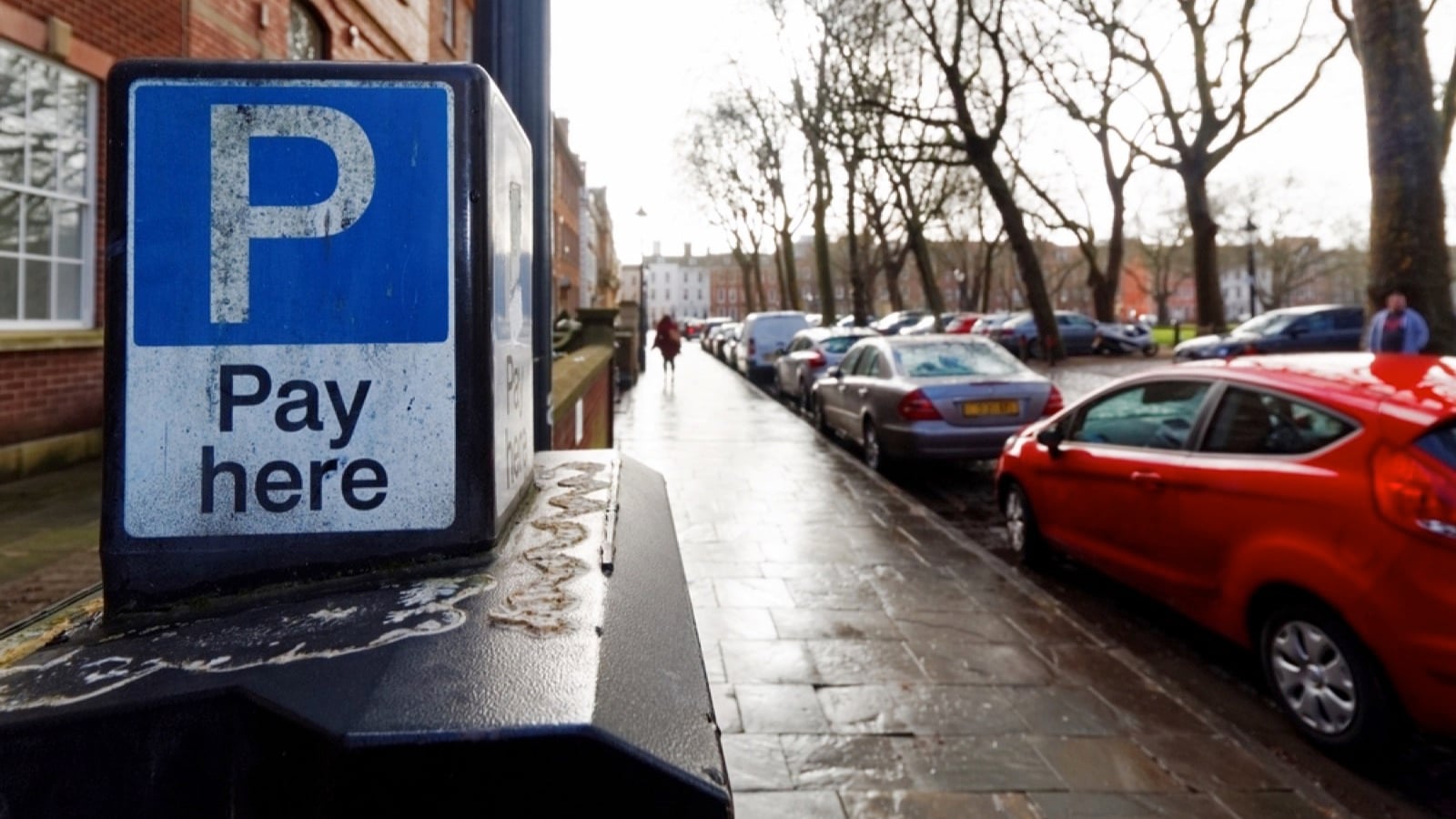
Parking machines are complicated enough without adding extra payment elements. The issue I, and many others, have is the demand to download an app. I now have more parking apps on my smartphone than necessary, and it’s ridiculous. Please, just let me put coins in to pay for my stay.
2. Cab Fares

Cab drivers around the world now take cards, but most still prefer cash. Customers also like to pay in notes and coins, as they want to leave tips where possible. It’s a win-win situation for both parties.
3. Drinks

Unless I’m buying a large round for friends and trying to avoid those, I always like to pay for my drinks in cash. It could be tradition or because smaller amounts of money are involved. Cash is best whether it’s a coffee at lunchtime or a beer after work.
4. Girl Scout Cookies and Other Door-To-Door Sales

The Girl Scout cookie movement stays strong, although I was dismayed that many sales are carried out by pre-order now. A few households still like to pay in cash, which is the best way to keep this tradition alive.
5. Meals Out

Splitting meals with fellow diners is easier when cash is involved. The final bill is rarely divisible by the number of people eating, and nobody can be bothered to work out the amount of cents required to cover costs. Leaving cash on the table is much easier; any extra covers staff tips.
6. Church Donations

On your Sunday visit to church, you may have been surprised by a card reader requesting donations. It’s an odd concept, but everyone has to move with the times. At least the traditional collection plate is cash-only. We don’t have time for congregation members to log into their PayPal accounts or delve into the mysteries of the Blockchain.
7. General Tipping
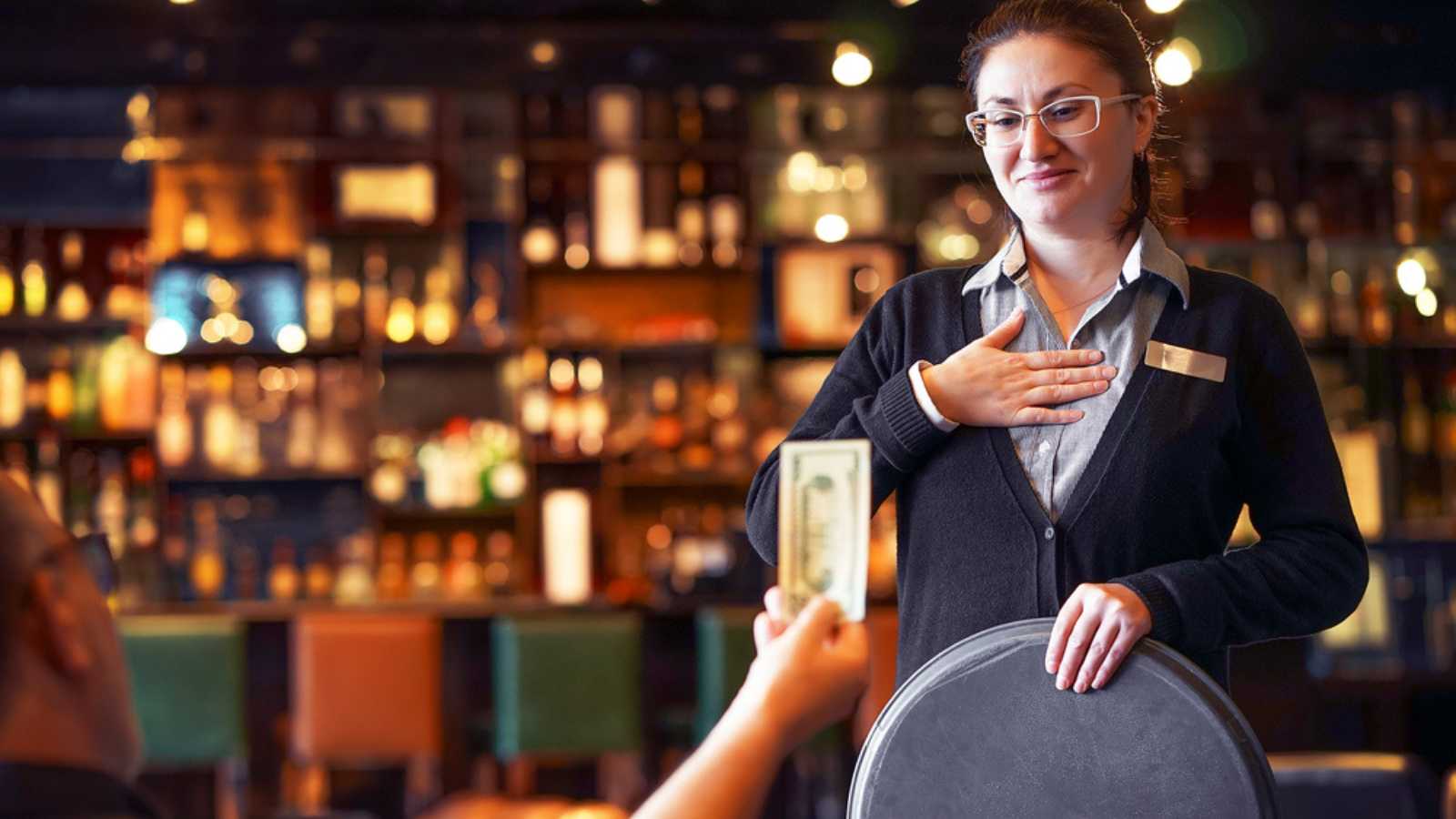
When I first traveled to the United States, I was surprised by the tipping culture. We tip in the United Kingdom for certain services, but I hadn’t expected to hand dollar bills over to the porter who moved my case eight feet from the hotel door to the reception desk. I made a few enemies on that trip, but I’m now fully prepared with cash every time I travel. It’s another situation where digital payments aren’t advisable.
8. Gardeners and Cleaners

Cleaners and gardeners are unlikely to carry card readers, and they expect notes to complete the transaction. If these helpers arrive every week, it’s not uncommon to set up recurring bank payments, but cash is the most common option.
9. Babysitters

While professional babysitting services exist, many still seek help from friends and family. Your 17-year-old niece or nephew may have a PayPal account, but they’ll unlikely carry a card reader. Cash is the best way of settling this transaction.
10. Lockers

My local health center has gone cashless, with combinations required to secure your belongings, and several others are doing the same. However, many say that they still use coins to pay for lockers at gyms and pools, so it’s another area where cash remains involved.
11. Thrift Store Purchases

Most thrift stores take digital payments, but it seems strange to pay with a card. In the UK, they are called “charity shops,” and the profits go to worthy causes. Paying with cash means that the store avoids unnecessary charges, and you can also let them keep the loose change.
12. Yard Sales

Only head over with cash if you see a yard sale in your area. The seller will likely have a PayPal account or another digital wallet, but that’s not convenient. A quick cash sale will seal the deals.
13. Gifts for Family and Friends

Those of a particular generation who can’t work out what to buy young people for Christmas and birthdays like to send cash as a default. iTunes vouchers were a common request in my family, but nothing beats the feeling of opening a card and seeing notes fall into your lap.
14. Smallholder Sales

Smallholdings that sell surplus produce would expect payment in cash – wouldn’t they? I was shocked that one of my local sellers was accepting card payments for six eggs, but they are an exception – (or an eggs-ception!) Most of these local traders will look for cash, and rightly so.
15. Shopping Carts
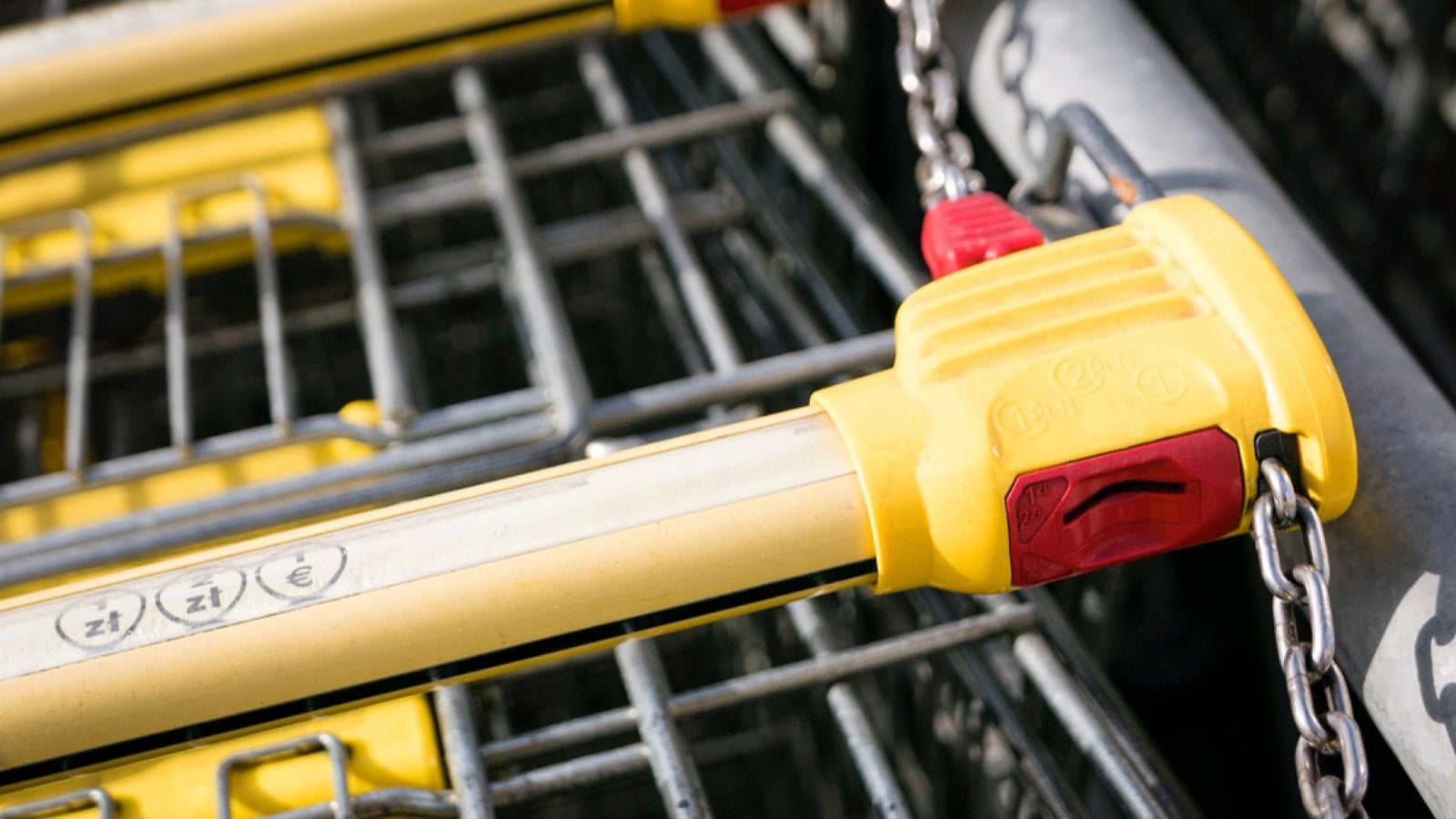
I’ve yet to see a shopping trolley requesting a debit card. Across the world, you put in a dollar, pound, or Euro coin, and the trolley is released from its friends, ready to use. Have we finally found the one thing digital payment methods can’t replace?
The Purpose of a Budget and 11 Reasons Why You Need One

The primary purpose of a budget is to track your income and expenses. A budget also ensures your bills are paid on time, helps you plan for the future, helps identify any bad spending habits or areas where you could reduce your spending, and ensures that your spending reflects your priorities. By creating a budget and sticking to it, you can ensure your needs are met, your bills are paid on time, you get out of debt, and you meet your financial goals.
15 Activities Now Out of Reach Amid Economic Price Surge

In this era of profound social division and discord, one thing everyone can agree on is worsening conditions for healthy personal finance. Whether it’s the dream of homeownership, the goal of building a robust investment portfolio, or simply affording necessities like food, individuals across the spectrum struggle to overcome the decline in their financial well-being due to economic changes.
15 Smart Tips for Living Well on a Strict Budget

In today’s economy, strict budgeting has become a reality for many, sometimes involuntarily. With fast fashion and rapidly changing trends, temptations are on the rise. Mastering a budgeting mindset can empower a person to manage their finances responsibly. It’s a step towards achieving self-fulfillment while leaving room for some fun.