
Disclosure: This post may contain affiliate links, meaning if you decide to make a purchase via my links, I may earn a commission at no additional cost to you. See my disclosure for more info.
Living below your means is one of the cornerstone principles of personal finance and probably the most important.
By spending less money than you make, you allow yourself to reach financial freedom. But many of us are stuck living paycheck to paycheck or going into debt to make ends meet or cover a financial emergency.
Getting to the point where your income exceeds your expenses might require spending less, earning more, and making significant lifestyle changes.
What Does It Mean to Live Below Your Means?

Living below your means is when you spend less than you make. When you live below your means, you take control of your money by being mindful of how you spend money. You can achieve financial freedom by being intentional with your spending and living beneath your means.
Why Is It Important to Live Below Your Means?

It is important to live below your means so you can achieve financial freedom. When you live beneath your means, you can get out of debt, be better prepared for an emergency or unexpected expense, put more money toward your financial goals, and invest consistently to build wealth over time.
How to Live Below Your Means
One of the major benefits of living below your means is achieving your goals. When you spend less than you earn, you can reach any financial goal, such as buying a house, putting your kids through school, or creating wealth to retire early. But it’s not easy.
Living below your means does not mean you can’t spend money or enjoy your life. Spending less than you earn is about having a plan for your money, being intentional with your spending, and making financially sound decisions that help you reach your short-term and long-term goals.
Here are ten tips for living below your means:
1. Track Your Spending

Spending less than you make starts with knowing how much you earn and how much you spend. You probably know how much you make off the top of your head, but do you know how much money you spent last month? If not, start tracking your spending.
What you think you spend and what you actually spend could be miles apart. Tracking your expenses will give you an accurate picture of your monthly expenses and your financial shape in general.
You’ll also identify expenses you can cut or reduce when you track your spending. You might also think twice before spending your hard-earned money on something frivolous or wasteful.
2. Create a Budget

Once you have a firm grasp of your basic expenses and how much money you spend every month, you’ll have a foundation for creating a realistic budget you can stick to.
A budget is not a bunch of boring math or a form of punishment for bad financial behavior. Your budget acts as the roadmap for reaching your financial goals. Budgeting ensures you pay your bills on time and spend money according to your priorities instead of your whims.
There are several budgeting techniques you can use to create your first budget. There is no best way to budget that works for everyone.
If you’re looking for a simple budget, the 50-30-20 system is popular and very straightforward. You can do envelope budgeting, the half-payment method, or zero-based budgeting. You can use a pencil and paper, a spreadsheet, or a budgeting app like Mint.
It doesn’t matter what budgeting method you use or whether you record your transactions with software or a pen. Successful budgeting involves setting up a household budget, reviewing it regularly, and sticking to it.
3. Stay Out of Debt

If you want to start living beneath your means and working toward financial freedom, it’s best to avoid debt. There is no good debt or bad debt. Debt is debt.
It doesn’t matter whether it’s your mortgage, student loans, car loan, or credit card debt. When you owe money, your peace of mind and financial stability can be threatened.
Here’s why you should prioritize getting out of debt and staying out:
- Credit cards and easy access to credit tempt you to spend more than you make. It’s too easy to use a credit card to buy something you can’t afford instead of saving up for it.
- Carrying debt makes you overpay for purchases. When you carry a credit card balance, you pay interest. The longer you take to pay off your balance, the more interest you pay to the credit card company, and the more things you buy on credit end up costing you.
- Debt payments prevent you from reaching financial independence. Money that could go toward your savings or retirement goes toward making your creditors rich instead.
- Debt lowers your credit score. Your credit score is partially based on how much debt you carry. The more debt you have compared to your credit limit, the lower your credit score. A low or below-average credit score can prevent you from getting a reasonable interest rate, increase your car insurance rates, disqualify you from getting a job in some industries, force you to put up a deposit for utilities, and stop you from renting an apartment.
- Being in debt causes stress. When you’re in debt, you worry about credit card bills, how you’ll pay for major purchases or emergencies, and making ends meet without more debt. That kind of pressure can lead to serious stress-related health problems.
- Debt can affect your marriage. Being in debt might ignite arguments about spending habits and financial priorities. With arguments over money being one of the leading predictors of divorce, too much debt can jeopardize your marriage.
If you’re currently in debt, the debt snowball and the debt avalanche are two ways to get out of debt quickly. Each method has you listing all your debts and making the minimum monthly payments on all but one. You pay extra money toward the one you’re focusing on until it’s wiped out. Once the first debt is erased, you combine the payment you made on the retired debt with the minimum payment on the next balance.
The two strategies differ over the starting point. With the debt avalanche method, you first pay off the debt with the highest interest rate. With the debt snowball method, you start with the smallest balance, disregarding interest rates.
The snowball will have you paying more interest, but you’ll get quicker wins which can be motivating. With the avalanche, you’ll pay less interest by retiring your high-interest credit cards and loans first. Both are effective ways to aggressively pay off debt. Which debt payoff strategy you choose depends on whether you prefer small victories or cost efficiency.
4. Cut Unnecessary Expenses and Spend Money Wisely

We all waste money from time to time. If you’re making unnecessary purchases on a regular basis, that needs to be addressed. When tracking your expenses and setting up your budget, you’ll come across certain expenses you could probably reduce or eliminate.
For example, you might decide to cut spending on:
- Hobbies
- Entertainment
- Restaurant meals and take out
- Services like manicures, auto detailing, and lawn maintenance
- Memberships and subscriptions you don’t use much or at all
- Small impulse purchase items like junk food, lottery tickets, magazines, and energy drinks
- ATM fees, bank fees, and fees for late payments
As you review your budget and spending habits, you’ll probably find plenty of things to stop buying to save money.
If overspending is a significant problem, try a 30-day no-spend challenge. For 30 days, you won’t spend any money you don’t have to. It will help you identify areas ripe for change and help you rethink needs versus wants.
Use cash more instead of your credit or debit card. It’s easy to lose track of how much you’re spending when you use cards for all your purchases.
Living on less than you make means not using credit to pay for purchases you can’t afford. Using cash forces you to be aware of how much you’re spending.
You don’t have to cut out all your discretionary spending or save all of your disposable income. Buying that $5 cup of coffee isn’t necessarily a waste of money. But if you plan to buy a house or build your retirement savings and you spend more in coffee shops than you’re saving, your spending doesn’t reflect your priorities.
Cutting unnecessary expenses can involve minor adjustments or significant lifestyle changes. It depends on your spending habits. The main benefits of avoiding unnecessary spending include improving your financial life and achieving financial security faster.
5. Find a Cheaper Place to Live

Housing is the single biggest monthly expenditure for most people. Whether you own or rent, reducing your housing expenses will likely significantly impact your finances.
If you rent and move to a place that’s only $100 cheaper per month than you’re currently paying, you’d save $1,200 a year, and your quality of life probably wouldn’t change much, if at all. You could also find a roommate or negotiate lower rent in exchange for signing a longer lease.
If you own a home, the costs of homeownership can be staggering. There are ways to lower your housing costs, though. You could downsize to a smaller house, which generally means lower insurance, maintenance, and property taxes. You could also refinance your mortgage if lower rates are available, rent out a spare room, or do your own basic home repairs to lower your cost of ownership.
6. Lower Your Cost of Living

While it’s helpful to cut out the little things we waste money on that add up, reducing your spending on essential living expenses might be more impactful in the long run.
If you could cut your food budget or transportation costs by driving a cheaper car or taking public transportation, you’ll have more money left over at the end of the month.
Some unavoidable living expenses like rent and insurance premiums are harder to cut, but it is possible to reduce fixed expenses by negotiating a better price or switching service providers.
Put the extra money you free up toward meaningful goals like saving for retirement, debt repayment, or your emergency savings fund.
7. Automate Your Finances

If overspending and impulse buying prevent you from living within your means, automating your finances can help. With automatic transfers set up on or around your paydays, your bills get paid on time and before you can spend the money on something else.
You can set up an automatic transfer through your bank or credit union. There is typically no transfer fee, but your bank might charge you a fee if there is not enough in your account.
Most utilities, service providers, and creditors also offer automatic payment. It’s often better to set up autopay through these companies if the bill fluctuates or if you could have a zero balance for a period of time.
You can also pay yourself first and ensure you save before spending through automatic paycheck deductions. Talk to your payroll department if you have direct deposit through your employer. Have a percentage of every paycheck automatically transferred to a retirement or other savings account and the rest in checking.
You can save money on a low income or tight budget if you automate it. The money will grow over time even if you make small monthly transfers or can only save a few dollars a week. With automation, you won’t miss it or have to think about it.
8. Increase Your Income

When you tally up your income from all sources, including your job, tax refund, alimony, and any other source of income, you might find that your current income simply isn’t enough. That leaves you with two choices: reduce expenses or increase income.
Frugal living and cutting out bad money habits will help you live below your means. However, the amount of money you can save by slashing your spending is limited. You will get to a point where no more cuts are possible.
Whether you’re single, a one-income family or your household has two wage earners, increasing your annual household income is just as effective at helping you spend less than you make. When you maximize your monthly income, you’ll have more money for paying bills, making extra payments on your debt, and saving.
Look for ways to increase your income, especially if you live on one income. Here are some ways you can bring in more money:
- Negotiate a raise
- Get a second job
- Find a higher-paying job
- Start freelancing with your existing skills
- Start a low-cost side hustle, like selling clothes on Poshmark or charging for music lessons
The gig economy is growing and just about everyone can participate. If you need more flexibility than a part-time job might offer but don’t want to start something from scratch, look into opportunities such as:
- Driving for DoorDash
- Doing tasks for others via TaskRabbit
- Delivering groceries through Instacart
Making more money can be a faster way of getting your finances in order. Living below your means might be easier with multiple sources of income and more money, provided you don’t increase your spending as your income increases.
9. Build an Emergency Fund
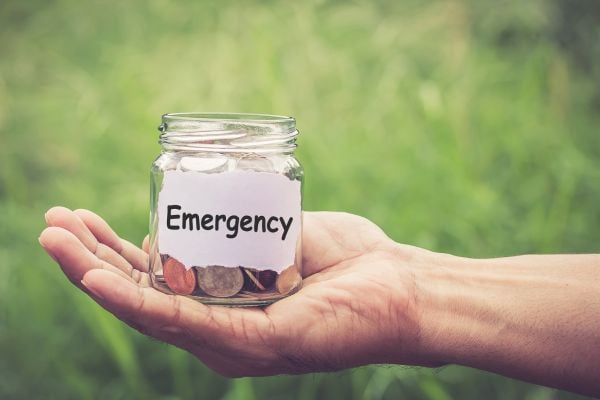
Emergencies are unpredictable but also unavoidable. Everyone faces unexpected expenses at some point. It could be a major unexpected car repair, a medical expense, or any other unplanned expense.
If you’re not prepared, emergencies can cost you a lot of money or drive you deep into debt. That’s why you need an emergency fund if you want to live below your means for the long haul.
Your emergency fund is the money you put aside in an interest-bearing savings account you use only for covering unexpected bills or keeping you afloat in the event of a job loss or other catastrophe. You should have three to six months of living expenses in your emergency fund.
It will take time to save that much, even if you save money aggressively, but anything you put aside for emergencies is better than nothing. Start building your emergency fund as soon as possible.
10. Use Cash Instead of Credit for Big Purchases

You don’t have to pay for big-ticket purchases by racking up credit card debt or by taking out a loan. A better alternative is saving for major purchases by incorporating them into your budget. You only buy when you can afford to pay in cash.
For example, you can buy a car without taking out an auto loan if you:
- Save up to buy the most dependable car you can in cash
- Save a little each month for your next car
- Sell your old car when you need a new one
- Combine the proceeds of the sale with the money you saved
- Buy the most dependable car you can afford in cash
Between loan interest, depreciation, maintenance, and ongoing expenses, cars keep you poor if you let them.
When you pay in cash, you don’t have to worry about interest rates or paying anyone back.
Saving hundreds of thousands of dollars to buy a house isn’t likely or practical. But if you’re buying something that loses value quickly, like a car, computer, or major appliances, paying in cash makes more sense than paying interest.
Living Beneath Your Means

Spending less than you make sounds simple, but in practice, it’s too easy to fall into living above your means. While there are painless ways to live below your means, like using cash more or automating your finances, you might need to make some difficult adjustments or sacrifices to stabilize your finances.
Image Credits: Pexels