
Disclosure: This post may contain affiliate links, meaning if you decide to make a purchase via my links, I may earn a commission at no additional cost to you. See my disclosure for more info.
Over the past twenty years, new finance and investing terms have become common practice. As technological advances continue at breakneck speed, so does the finance world. New types of investments bring new and sometimes confusing finance terms.
But is it important to understand them all? If you’re interested in expanding your knowledge because you’re considering investing in these things, then it’s extremely important to understand these terms. You never want to invest in anything you don’t understand.
With that in mind, we’ve compiled a list of investing terms that didn’t even exist twenty years ago. So, before you decide to invest in these things, get to know and understand these investment terms.
NFT

You don’t need to be a finance guru to have at least heard of the term NFT. An NFT (Non-Fungible Token) that is a digital asset. Introduced in 2014, these digital assets can include anything from art, videos, and in-game items.
NFTs are encoded with the same underlying software as cryptocurrency. These digital assets are good investments because they have limited runs with unique codes that increase their value.
Meme Stocks

You’ve heard that social media can be a powerful tool for businesses, but did you know that there’s a term for when a company sells shares in itself as a result of social media? It’s meme stocks.
For example, shares in headphone maker Koss Corp skyrocketed by 143.8% on Wednesday because of an online frenzy surrounding the re-emergence of influencer Keith Gill.
Blockchain

A blockchain is a database or ledger shared among computer network nodes. It shares information with all parties via an app. According to Investopedia, a blockchain keeps a decentralized record of cryptocurrency transactions.
What does this look like in real life? Luxury goods manufacturer LVMH will use a blockchain to prove the authenticity of their products. Banks use blockchains to keep a database of client transaction histories.
Cryptocurrency
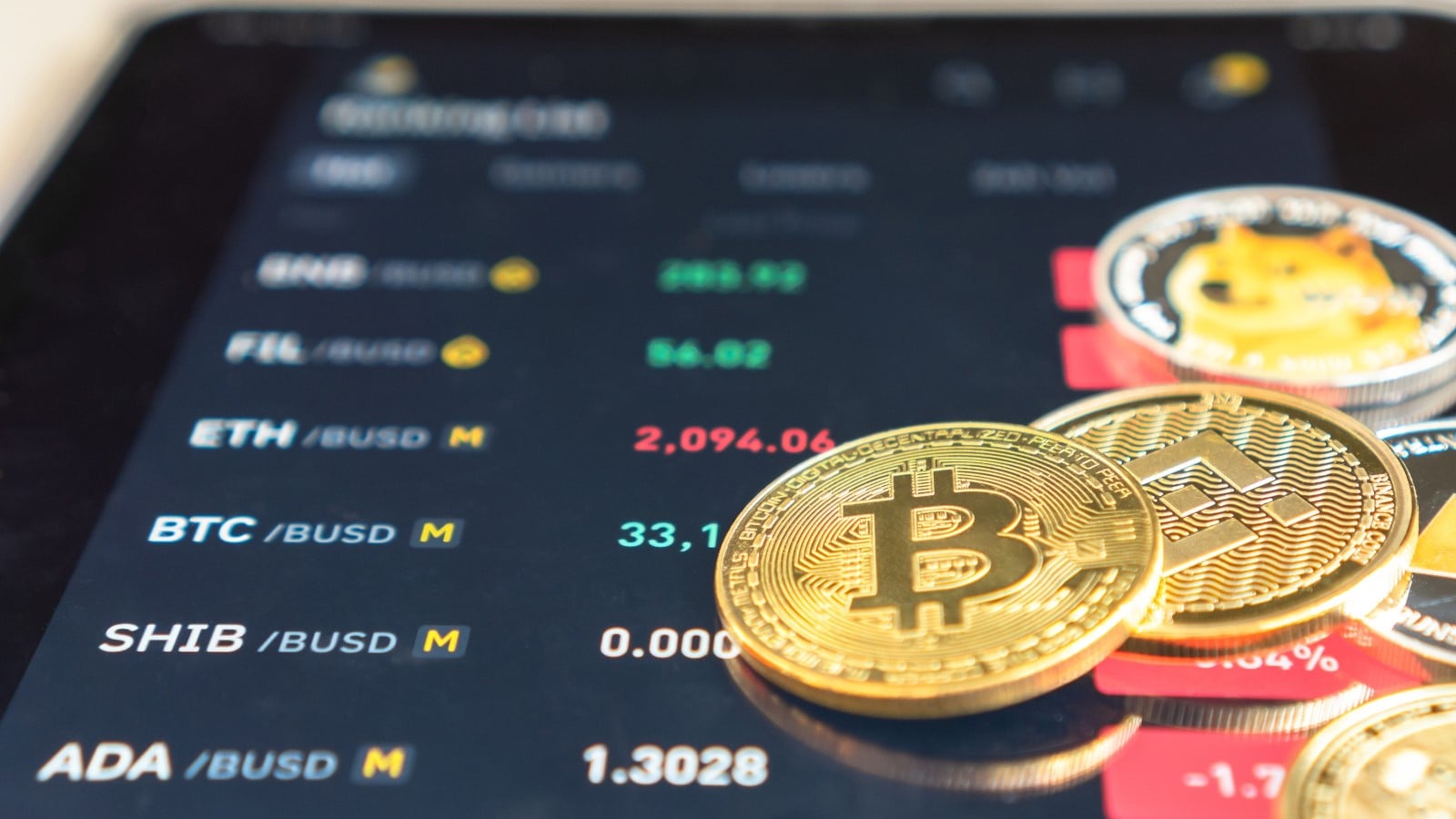
Cryptocurrency came into existence in 2009, causing a flurry of activity in the markets. Satoshi Nakamoto created cryptocurrency, a form of digital currency.
The most popular example of this currency is Bitcoin, which appeared in 2009 and has had its ups and downs since then. The first recorded bitcoin price was sold for $5.02 for one bitcoin (5,050 BTC.) As of writing this article, bitcoin was trading at $54,931.7, a drop of 4.9% from the previous day.
Defi

Decentralized finance (DeFi) is a financial technology that is still emerging and is set to challenge the current centralized banking systems we use. Many people are excited about this new technology because it seeks to eliminate bank fees during peer-to-peer transactions.
Because this type of technology is still evolving as an investment, it comes with added risk thanks to extreme price volatility.
Impact Investing

Coined in 2007 by Mark Zaptel, this investing term refers to an investing practice where social and environmental effects generate financial gains. This investment strategy is used in asset classes like mutual funds, stocks, and bonds.
Very simply, this type of investing seeks to limit the negative effects of business on the social and physical environment. It’s kind of a more conscious way of investing. For example, investing in healthcare and education can be considered impact investing.
Yield Farming

Despite what the name implies, no farming is involved in this crypto investment strategy. Investing using this strategy will deposit their tokens into a liquidity pool like trading pools using DeFi protocols.
After depositing the tokens into the trading pool, the liquidity providers (LPs) will earn an annual percentage yield (APY), which will be paid out. Yield farming is a relatively new strategy and deals with cryptocurrency, so many risks are involved.
Crowdfunding

Investment crowdfunding has been around for years and is a successful marketing strategy that uses multiple small capitals to raise a large sum of money. In exchange, businesses will often give shares to people who have helped fund the business.
There are many different types of crowdfunding, from debt to real estate, and a popular equity crowdfunding platform beginners should consider is FundersClub.
ICO

This is also a new finance term that has become popular with the emergence of cryptocurrency. Initial coin offerings (ICOs) are a fundraising strategy to raise funds for services or products related to cryptocurrency.
For example, if a cryptocurrency project needs funding, they’ll have to structure their coin, which people can invest in. What makes these coins valuable is similar to NFT’s where there is limited supply. Do your research before you part with your money, as these are considered high-risk investments.
Robo-Advisor

Who needs human interaction when you can have robots? Robo-advisors are automated financial advisors that provide wealth-driven management services. They’re great for people who are just beginning their investment journey and are looking for advice.
They’re also great tools for wealth-building, and many people use them to optimize their tax efficiency. Interestingly, these robot advisors are regulated by the Securities and Exchange Commission, so you know they have your best interests at heart.
18 Ways to Save Without Sacrificing Life and Happiness

Do you want a new perspective on saving money? If you think this is another article telling you to skip your morning coffee or give up dining out, then let us tell you—it’s not! This blog post discusses 18 innovative and painless ways to save cash without sacrificing what makes you happy. We believe that a good life isn’t about cutting back on everything you love but about making smarter decisions with what you have. So, if you’re ready to start saving without compromising your lifestyle or happiness, dive right in!
15 Smart Tips for Living Well on a Strict Budget

In today’s economy, strict budgeting has become a reality for many, sometimes involuntarily. With fast fashion and rapidly changing trends, temptations are on the rise. Mastering a budgeting mindset can empower a person to manage their finances responsibly. It’s a step towards achieving self-fulfillment while leaving room for some fun.
15 Activities Now Out of Reach Amid Economic Price Surge

In this era of profound social division and discord, one thing everyone can agree on is worsening conditions for healthy personal finance. Whether it’s the dream of homeownership, the goal of building a robust investment portfolio, or simply affording necessities like food, individuals across the spectrum struggle to overcome the decline in their financial well-being due to economic changes.