
Disclosure: This post may contain affiliate links, meaning if you decide to make a purchase via my links, I may earn a commission at no additional cost to you. See my disclosure for more info.
Everyone has to eat, but that doesn’t mean you have to spend a fortune to enjoy nutritious and delicious meals. In fact, if you really want to see a jump in your monthly savings, learning how to scale back on your grocery spend is a great way to save money fast—even on a paupers budget.
To compile our tips, we used a strategy that focuses on reducing initial spending by choosing lower-cost food products, maximizing value by reducing waste, saving time by adjusting cooking methods, and finding alternative sources for high-dollar items.
Meal Plan—Realistically

Make a plan for what you’ll cook during the week ahead, but keep it real. Think about your schedule in advance. Don’t plan to make something complicated on a night you’ll be too busy to pull it off—that’s precisely when you’re inclined to give up and get takeout instead. Keep a few simple meals in your repertoire, stock up on the necessary ingredients, and plug those into your meal plan on the busiest nights.
Plan a Fridge Clean-Out Meal

Remember to identify one night weekly when you’ll use whatever you’ve got in the fridge. One way to do this is to make something like a frittata, into which you can toss any leftover veggies, cheeses, or meats hanging around. Alternatively, if you have older kids, you can call this a “YOYO” night—”you’re on your own” for dinner. Everyone is challenged to make the best meal for themselves using whatever they can find. It’s fun, exercises creativity, and reduces waste and grocery bills.
Don’t Reinvent Every Meal

You’ll spend too much on single-use ingredients, not to mention drive yourself crazy, if you try to make something “new” all the time. Your mission: simplify. Identify a few breakfast, lunch, and easy dinner options you can enjoy eating on repeat. Purchase the staples for those dishes in bulk to save money and energy and reduce waste.
Practice Batch Cooking

When you find an ingredient on sale, buy a significant amount. Then, so you don’t forget that you stocked up, make it immediately into something easily repurposed or frozen for future meals and get lots of chicken breasts or thighs. Shredded Mexican chicken and crockpot BBQ chicken are easy staples you can use in many different ways to keep things economical yet exciting.
What to Buy
Pay attention to what’s in season. It’s always more affordable to eat fruits and vegetables that are in season and readily available, and it’s typically healthier and better for the planet, as well, because seasonal produce can ripen in place and does not need to be shipped over long distances.
Eat More Beans

Need protein on a budget? Beans are your best friend! Beans are a fantastic source of plant-based protein and can be used in countless ways. Toss white beans into your favorite easy pasta dish, or try this 30-minute chickpea soup. You’ll save even more money buying dried beans and soaking them yourself.
Eat More Eggs

Eggs are another protein-packed ingredient typically more affordable than most meats and can be the star of many meals. Serve soft-boiled eggs over thick buttered toast and wilted garlicky greens: heaven on a budget.
Buy Cheaper Cuts of Meat
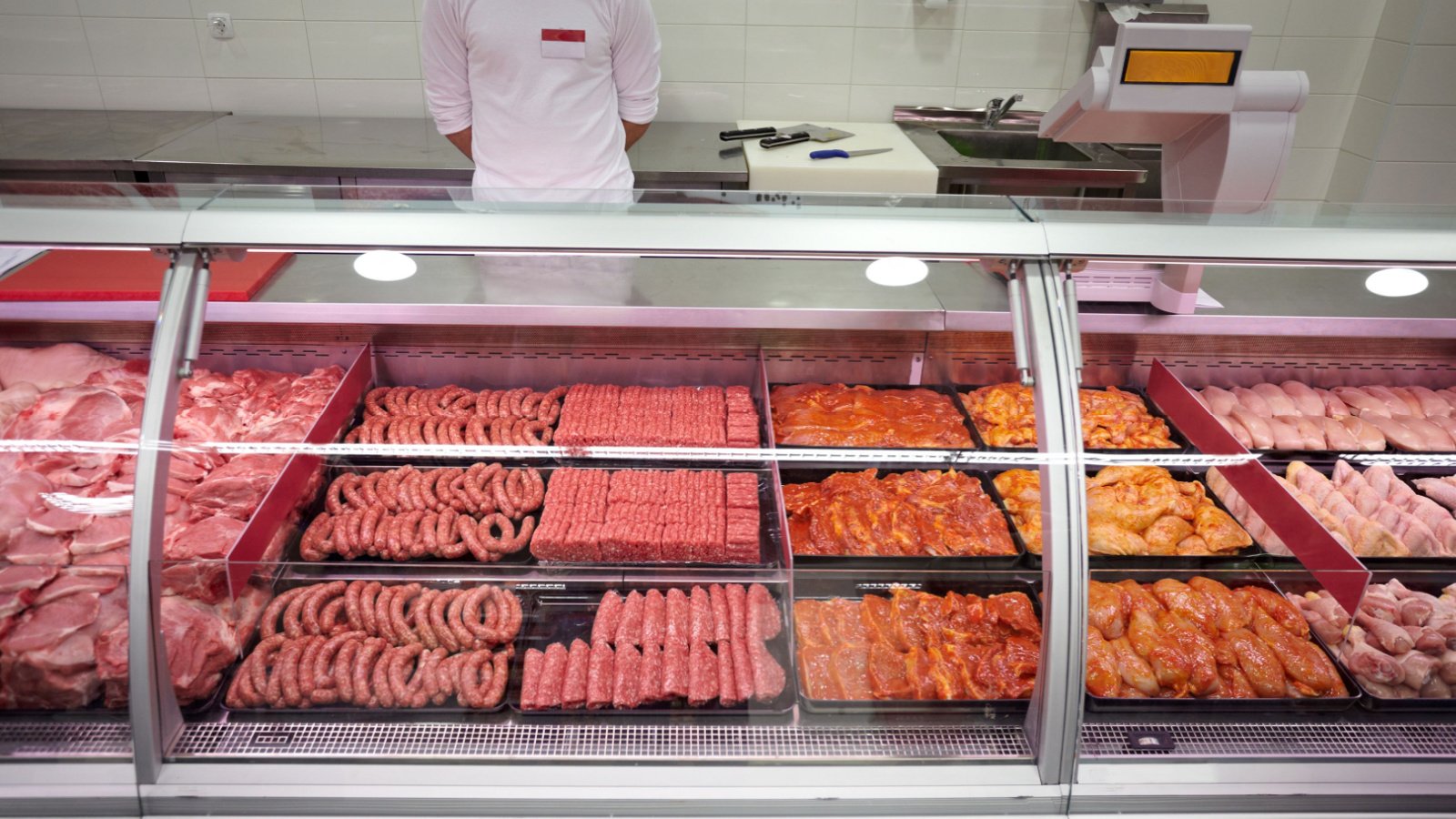
Learn to cook low and slow. Prime cuts of meat are pricey for a reason—they don’t take as much time or effort to make delicious. If you learn and take the time to cook low and slow, you can make budget cuts of meat equally delicious and stretch them over multiple meals. Try picking up short ribs, hanger steak, flank steak, or pork shoulders, then cook it either in your slow cooker or with a long braise in the oven. You’ll be rewarded with delicious, tender meat that didn’t break the bank.
Browse Specialty Markets or “Ethnic” Aisles

Suppose you have grocery stores in your area that cater to Mexican, Chinese, Indian, or Persian cooking, for example. In that case, you may be able to find specialty ingredients or spices for half the price or less than you have paid in general-market grocery stores. Even in an everyday grocery store, shop the “ethnic” aisles: I have found dried oregano in the “Latin foods” aisle for about 1/4 the price as it is in the “spice” aisle!
Make Friends With Your Freezer
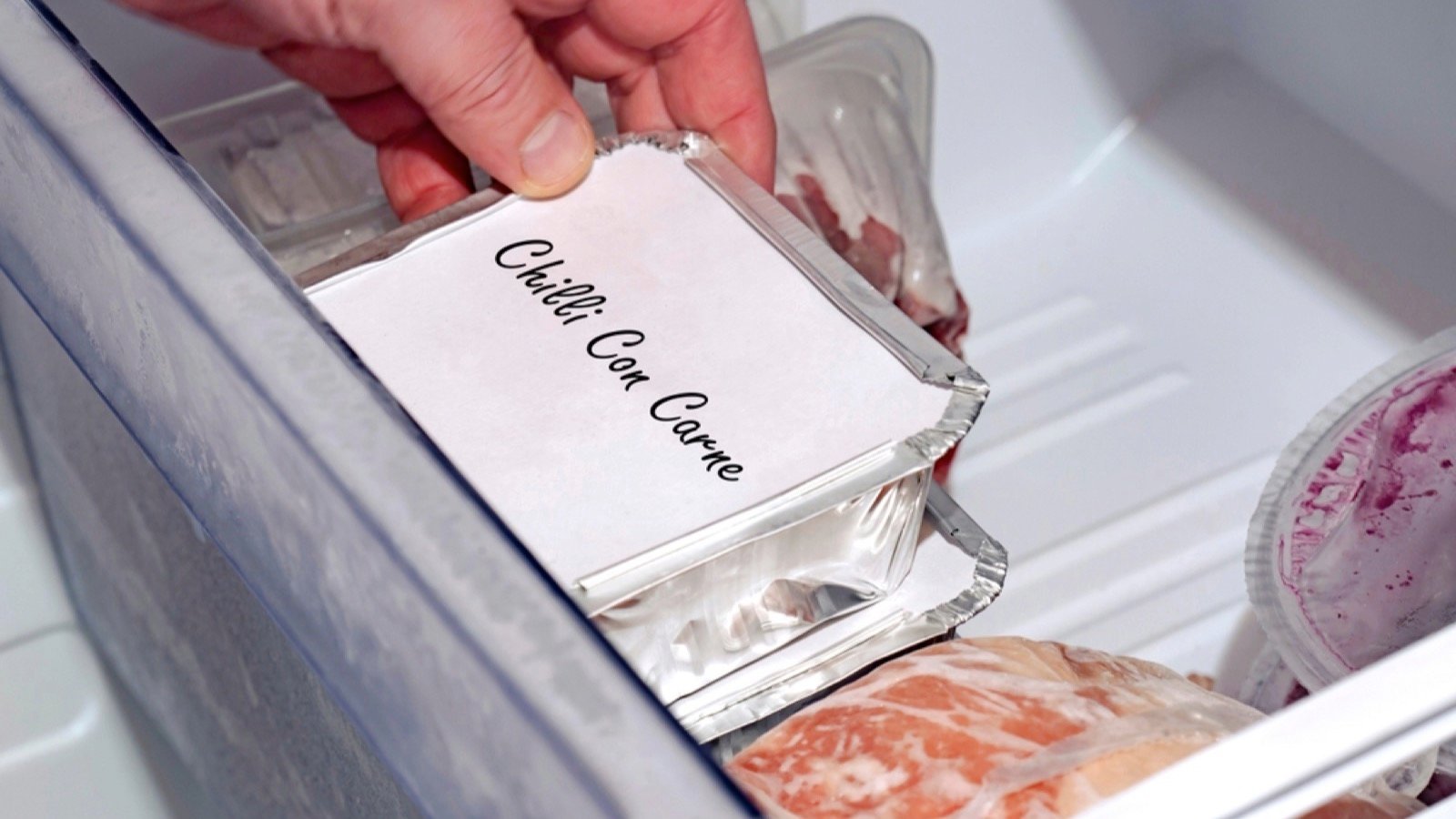
What you throw away can probably be frozen and repurposed to save you from buying an ingredient later. Diced onions or shallots, diced bell peppers, overripe bananas, minced garlic, and herbs on the edge of expiring can be frozen and used later at your convenience.
Use the Whole Chicken

Whether you buy a rotisserie chicken or, even more economically, learn to roast your own, resist the temptation to toss the leftovers after using them for one meal. Shredded bits of meat can be used in soup or added to pasta salads, and making your stock from the carcass is surprisingly easy and way more healthy and economical than buying it in cans or boxes.
Make Your Own Spice Mixes, Seasonings, and Salad Dressings

Buying many of these condiments and ingredients can add up, but if you keep a well-stocked pantry, you probably have everything you need to make most things at home without spending extra. Plus, having your own taco seasoning at the ready is extremely satisfying!
Grow Your Own Herbs
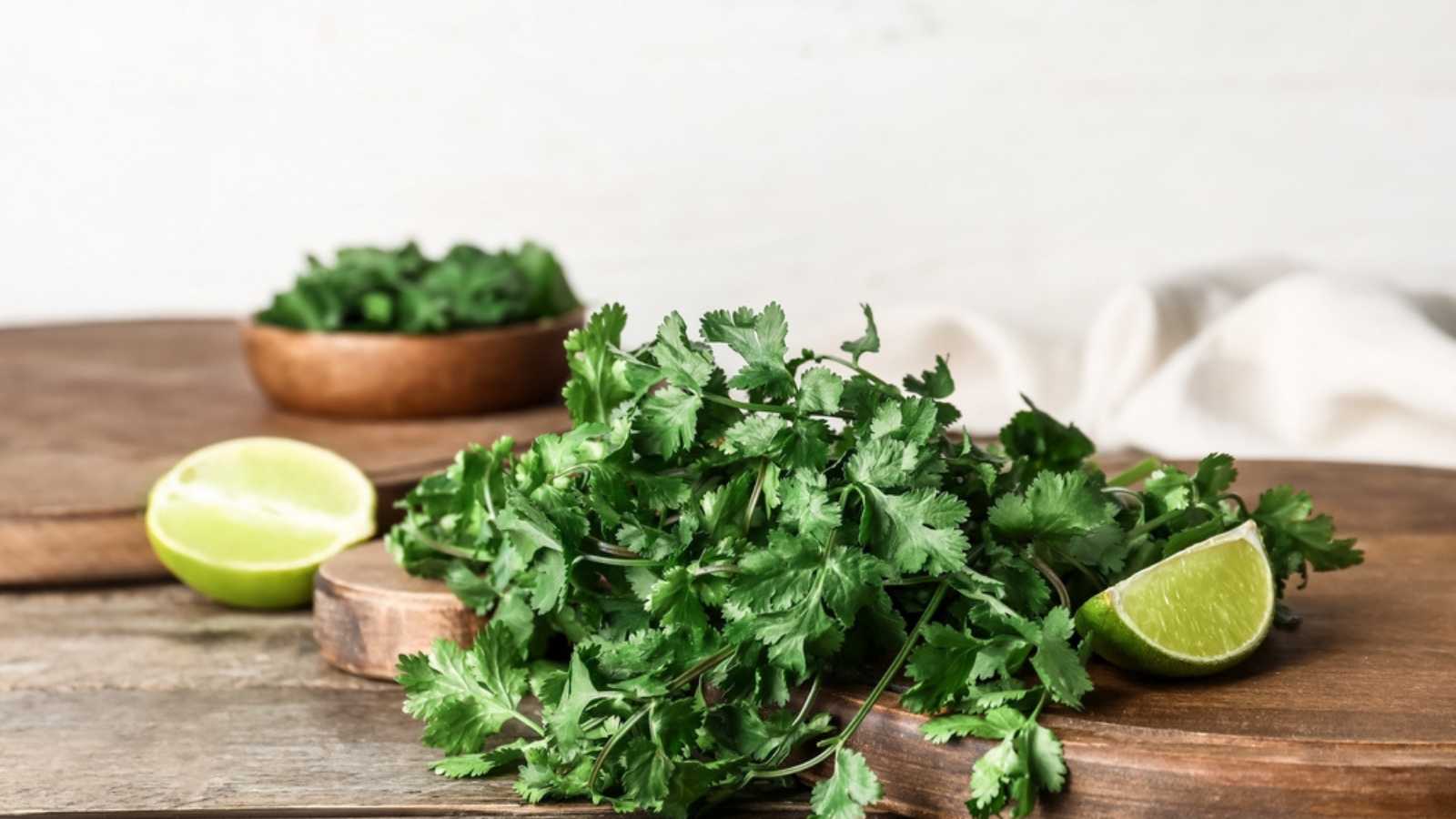
Purchasing a new fresh basil or thyme clamshell is easy, but those dollars add up. At the same time, fresh herbs add irreplaceable flavor and freshness to most dishes. Start your own herb garden instead—and learn to harvest the herbs correctly so they last forever!
Learn to Make Your Own Things Out of Scraps

Leftover bread or croissant? Don’t toss it: make croutons. Leftover veggie ends or shrimp tails? Save them in a freezer bag until you can make vegetable, chicken, or shrimp stock. Rind from a wedge of Parmesan? Save it in the fridge, then toss it into a soup pot to add flavor—boom: gourmet ingredients at your fingertips for pennies.
Step up Your Food Storage Game
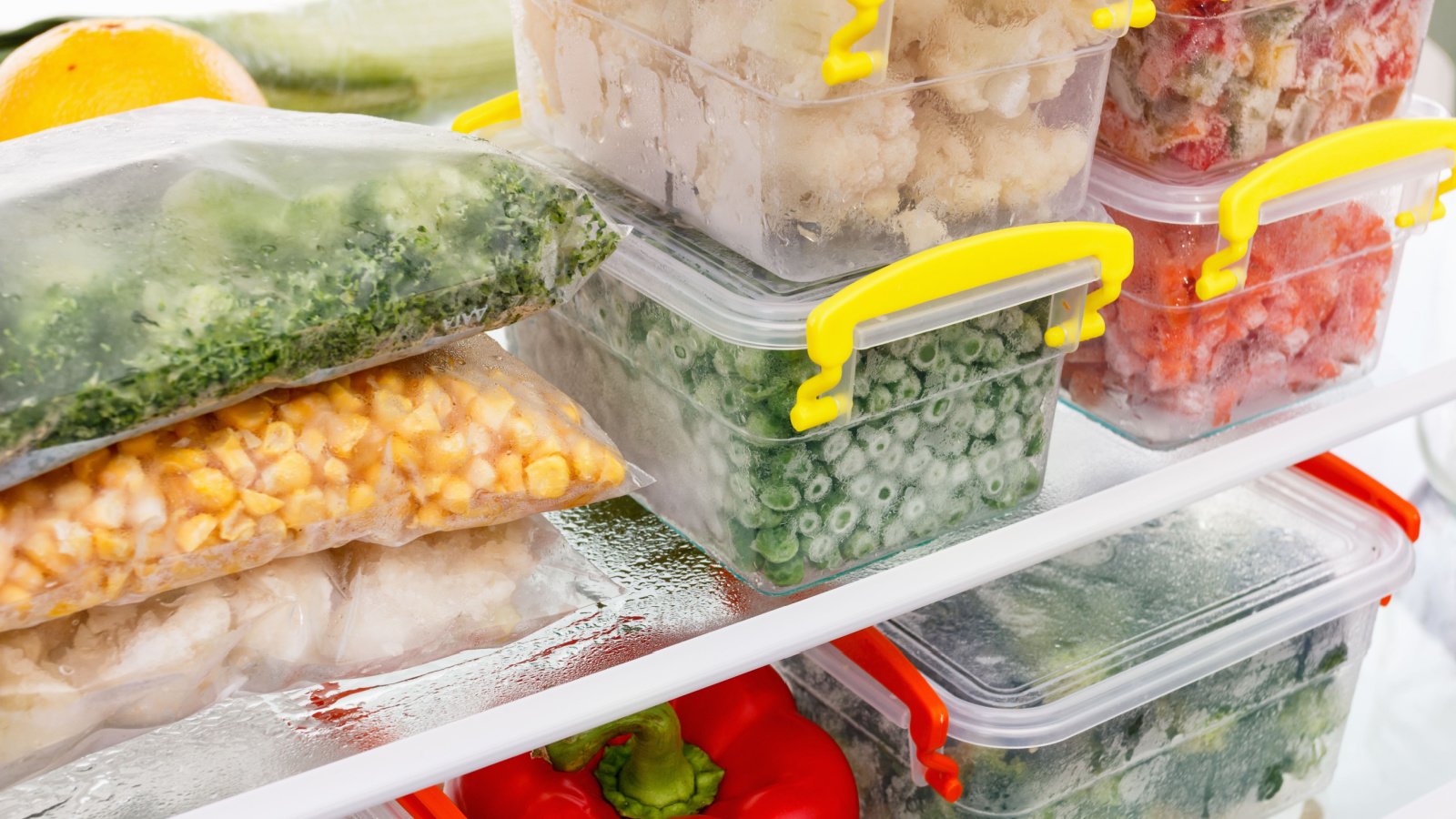
Salad greens, baby spinach, fruit, and berries can all last a surprisingly long time if stored wisely. Invest one time in some high-quality fridge containers, and you’ll recoup that in savings every week as your produce lasts longer.
Do you already do all of these things? Congratulations, you’re probably already saving hundreds of dollars in food costs!
Overwhelmed? Don’t try to start all these habits at once—pick one or two changes that feel achievable to you, and make them habits! When those are part of your routine, make another change. Small steps will have you saving more and more money over time, all while enjoying delicious, nutritious home-cooked meals.
13 Frugal Habits You Have Never Heard of, but You Should Know

Are you ready to give your savings account a healthy boost? In today’s world, being frugal isn’t just about clipping coupons or skipping that morning latte. It’s about discovering creative, lesser-known strategies that help you keep more of your hard-earned money. We’ll unveil 13 frugal habits you’ve probably never heard of but should know. These aren’t your run-of-the-mill money-saving tips. These are game-changers! These habits will help you save more, spend less, and ultimately achieve financial freedom.
18 Ways to Save Without Sacrificing Life and Happiness

Do you want a new perspective on saving money? If you think this is another article telling you to skip your morning coffee or give up dining out, then let us tell you—it’s not! This blog post discusses 18 innovative and painless ways to save cash without sacrificing the things that make you happy. We believe that a good life isn’t about cutting back on everything you love but about making smarter decisions with what you have. So, if you’re ready to start saving without compromising your lifestyle or happiness, dive right in!