Disclosure: This post may contain affiliate links, meaning if you decide to make a purchase via my links, I may earn a commission at no additional cost to you. See my disclosure for more info.
A financial emergency is never a walk in the park. These situations tend to hit when you least expect them, and being unprepared can make things even worse. That’s why it’s essential to have a plan in place and be ready to handle them with confidence and clarity.
These are some can’t-miss tips that can provide a sense of relief and security in the face of the unexpected. By following just a few steps, you can rest easy, knowing that you’re more prepared than others when a financial disaster strikes.
1. Build an Emergency Fund

There’s nothing more important than building an emergency fund. It doesn’t matter how you do it; even a few dollars a month goes a long way toward protecting yourself in a potential financial crisis.
My fiancee and I contribute $250 monthly to our emergency fund, which gives us peace of mind. It feels like a homemade insurance policy for ourselves.
2. Cut Back on Needless Spending

If you’re anything like the average person, you spend too much money on things you don’t need. Cut back on needless spending, and you’ll quickly have more money in the bank than you had before, which helps protect you in a financial emergency.
If you have an unexpected car repair comes up, for example. In that case, you’ll be thankful you cut your morning Starbucks coffee out of your life months ago.
3. Consider a Side Hustle

There’s no such thing as making too much money. You should start a side hustle to bring in more income, which is handy during an unexpected financial catastrophe. There are endless ways to create additional revenue streams, so what are you waiting for?
Freelance writing, selling unwanted items on eBay, and dog walking are just a handful of efficient side hustles that can earn you more money with relative ease.
4. Go to the Doctor

For goodness sake, people, go to the doctor. Please ensure everything works as intended because the longer you wait to deal with lingering issues, the more you’ll regret it in the long run.
Think of your body as the car you drive. You wouldn’t go years (or even decades) without taking it to the local oil change shop to get it checked out, would you? Use that same logic and apply it to your own body.
5. Buy Appropriate Insurance Policies

Don’t overlook common-sense insurance policies beyond your typical health insurance plans. I’m referring to quality auto, life, homeowner’s, and renter’s insurance plans. Make sure all the areas of your life are covered so you’ll be well-protected if disaster strikes.
Proper insurance can be a lifesaver in mitigating financial losses in an emergency. Renter’s insurance, for example, saved me several times from having to pay to replace things that got destroyed during basement flooding.
6. Start Saving Now

There’s no better time than now to start saving. It doesn’t matter if you quickly transfer a few dollars from your checking account to your savings or begin setting aside large percentages of your paychecks toward your savings; just do it.
Every moment you wait to save is money you won’t have at your disposal to deal with an unexpected financial emergency. Every little bit counts.
7. Have Conversations With Your Family

Having a solid support system is crucial to navigating a financial crisis. Keep an open line of communication between yourself and your loved ones because there’s no such thing as too much information in this case.
Keep an eye out for your family’s best interests; they’ll ensure they do the same for you. In many cases, the generosity of a parent or sibling can help you navigate the choppy waters of a financial emergency.
8. Keep Your Health Insurance Current

It’s vital to keep your health insurance fully paid and active. You never know when you’ll suffer from a freak injury or unexpected illness, and being caught without health insurance is no fun. It’s expensive.
If you’re proactive and have a little luck, you’ll never need to use your health insurance policy. However, you can never be too careful.
9. Downsize Your Vehicle

Most of us could downsize our vehicles, take the money we save, and apply it to our emergency fund. It would save much-needed money to protect ourselves in times of crisis.
There’s no shame in driving small cars. Not every household needs an oversized truck or large SUV. Sedans still work as well as they ever have at getting us from one place to another. All the money we throw away on big vehicles only hurts us during times of financial crisis.
10. Budget and Plan

Putting numbers down on paper (preferably a spreadsheet) helps you see your financial picture more clearly. Once you have a complete picture of your expenses and income, you’ll be pleasantly surprised at how much room there is to save.
Putting pen to paper and creating a budget (and sticking to it) was a game-changer for me. I still can’t believe how easy it is to identify the money drain and set me up for future success while protecting me from any potential financial chaos.
11. Start Saving for Retirement
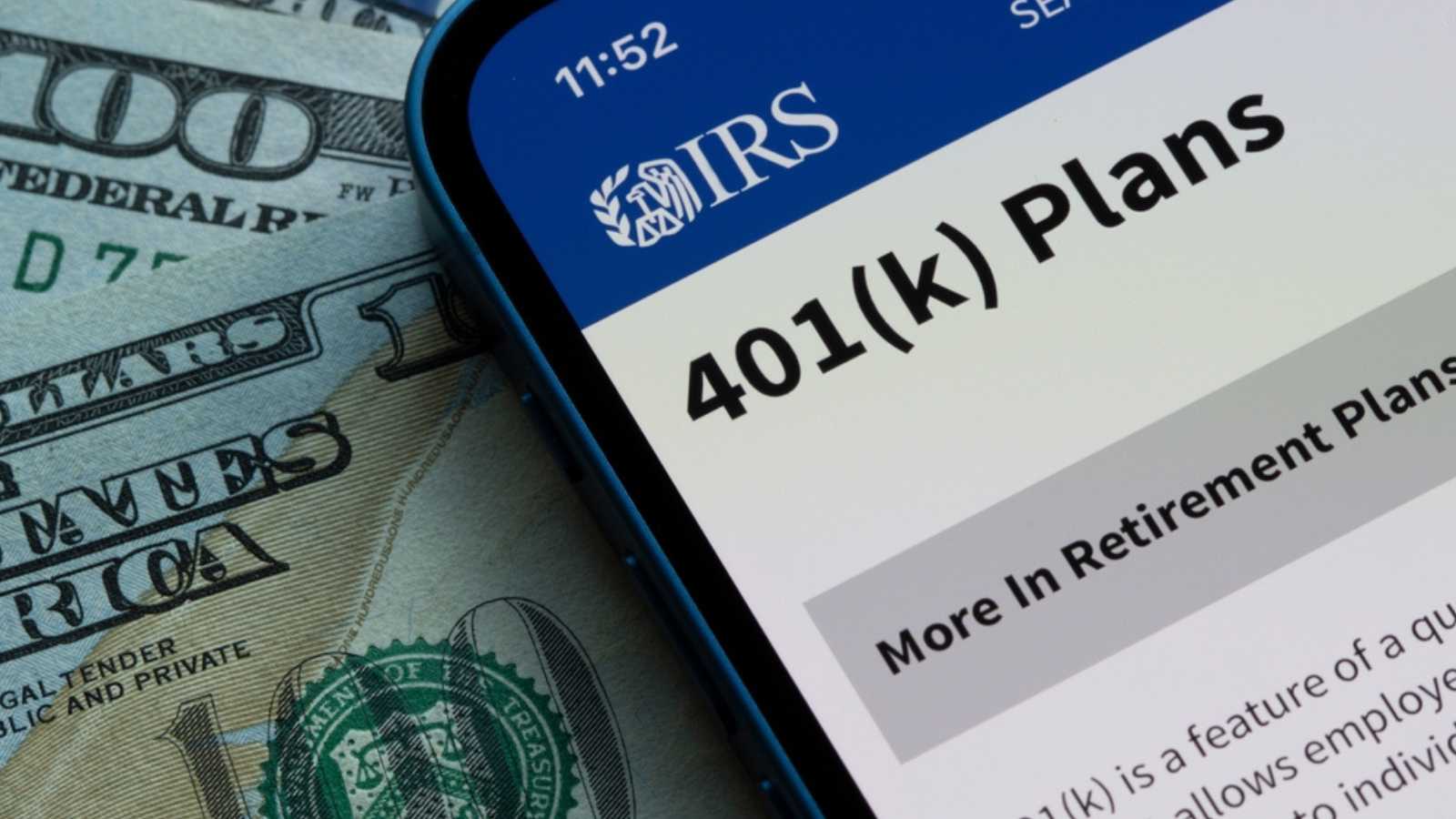
Many people regard retirement from the workforce and entering a life of leisure as a bonafide financial emergency, so it’s best to start saving for retirement as soon as possible.
It’s simple: the more you contribute to accounts like IRAs, 401(k)s, and other investment opportunities, the less stress you’ll have in retirement. It’s possible to have a relaxing life sipping margaritas and listening to Jimmy Buffett all day. Still, you need to do your due diligence now, long before the party starts.
12. Get Your Affairs in Order

There’s arguably no emergency more dire than your own death, so if you haven’t gotten your affairs in order, do it now (even if you’re perfectly healthy).
Writing a will, assigning beneficiaries to your accounts, and fulfilling other legal responsibilities will help ease the burden on your loved ones when a real financial emergency like your death occurs. It’s better to be more prepared than underprepared.
13. Decrease Your Expenses

Think about all the things you pay for that you can cut out of your life that will free up money to deal with negative financial situations. Video streaming services, gym memberships, and ultra-high-speed internet service contribute to the money drain. It may be time to decrease these expenses in any way you can.
It’s simple, really: the more expenses you eliminate, the more prepared you’ll be when an emergency arises.
14. Take Stock of Your Job

There’s no better time than now to assess your current job. Ask yourself if your position is set in stone or if you need to change to a different profession to have a more stable line of income. There’s nothing worse than getting unexpectedly laid off because you couldn’t see the writing on the wall.
Being confident in your current occupation’s stability goes a long way in being prepared for a financial emergency.
15. Take Fewer Risks

If you live a carefree lifestyle, the best way to prepare for a potential financial crisis is to take fewer risks. Drink less alcohol, exercise more, and drive driving like a maniac. Doing those three things will improve your overall health and life expectancy.
Ultimately, being more mindful of how you live and being more thoughtful about your decisions will lead to less frequent financial emergencies.
15 Activities Now Out of Reach Amid Economic Price Surge

In this era of profound social division and discord, one thing everyone can agree on is worsening conditions for healthy personal finance. Whether it’s the dream of homeownership, the goal of building a robust investment portfolio, or simply affording necessities like food, individuals across the spectrum struggle to overcome the decline in their financial well-being due to economic changes.
The 12 Best Remote Entry-Level Jobs That Will Pay You $50,000 or More

Going to the office every day can be draining, not as cost-effective, and can take time away from family. Are you dreaming of a job that lets you work from anywhere but worried you might have to settle for peanuts because you’re just starting? There are many opportunities to work from home, and you can make some good money from it. Imagine earning $50,000 or more from your cozy home office or sipping a latte at your favorite cafe. Does this sound too good to be true? It’s not! We’ve searched the job market to bring you the 12 best remote entry-level jobs that promise a hefty paycheck without demanding years of experience.