
Disclosure: This post may contain affiliate links, meaning if you decide to make a purchase via my links, I may earn a commission at no additional cost to you. See my disclosure for more info.
If you want to enhance your professional background, you might consider volunteering. But does it count as work experience? Volunteering is valuable work experience, showcasing relevant skills, initiative, and teamwork.
Employers value volunteer work, recognizing it as a credible part of a candidate’s employment history background, reflecting abilities that can be applied to the desired job or industry. As defined by the Department of Labor, volunteering is doing time of service without pay for an organization for charitable, humanitarian, or community purposes.
In other words, you willingly work for an organization without payment to help others, which is commendable. And it is something that indeed benefits you in terms of work experience and employability.
Let’s take a closer look at how volunteering can help you further your career and professional development.
Is Volunteering Considered a Job or Work?
Under most state and country labor laws, volunteering is neither classified as a job nor considered formal work.
Unlike traditional employees, those who volunteer don’t have job descriptions and employment contracts with their organization and are not included on the payroll or entitled to typical employee benefits.
Volunteering is a willingly accepted role within an organization without the expectation of compensation. However, in most states and countries, it is under the radar of the local governing bodies, so some rules are usually attached to it.
Volunteers, like all members of the public, have rights. Therefore, they are protected by all local laws, such as Health & Safety, and those against harassment and exploitation. If you consider volunteering for an organization, check what local laws and regulations say about this activity and your rights.

Does Volunteering Increase Employability?
Volunteering increases employability, no matter where it takes place and under what circumstances. It is a valuable asset, especially if the applicant has no work experience.
Volunteer time can be featured in a work resume, and most employers will be happy to see if it is somehow relevant to the job you are applying for. So you can take the time to explain in detail what you did during your volunteering time and how it made you a better professional.
Valued Skills From Volunteering Experiences
Volunteering can enhance your soft and professional skills in multiple ways, depending on the nature of the work that you are doing.
Here are a few examples of professional skills that you can acquire or improve during volunteer work for various organizations.
- Communication and negotiation skills
- Leadership and teamwork
- Critical thinking and problem-solving
- Project development and management
- Planning and time management
- Public (customer) service
- Language practice
- Research skills
But lacking previous work experience doesn’t mean you can’t apply for some jobs.
Can You Use Volunteer Work as a Reference?
If you have volunteered before and are about to apply for a job, you might wonder – does volunteer work look good on a resume?
I urge you to use your volunteer work as a reference in your resume. You can contact the organization that you volunteered for and ask them for a written statement about the work that you did for them and your qualities.
It would be best if you could directly speak to the person in charge of you. Hopefully, they were happy to have you as a volunteer and appreciated your work.
I am sure they will be willing to spare a moment and write a few good words about you. On another note, have you considered applying for a seasonal job since they usually have low entry requirements?
What Counts as Volunteer Work on a Resume?
Pretty much any volunteering you have done for school or some other organization counts as volunteer work on your resume. But should you put volunteer work on your resume if it is irrelevant to the position you are applying for? Absolutely!
Whether relevant or not, the purpose of including volunteer work on your resume is to show your potential employer that you are reliable and can carry out preestablished duties within a work environment. So, you can include anything that fits this category.
How to Include Volunteer Work on a Resume
You can include volunteer work on your resume any way you see fit. There are no special rules or requirements about volunteer experience on a resume. Even though volunteer work is not “official work experience,” it is still relevant work-related experience, so you can list it there without worries.
It all depends on the template you chose for your resume. Some have designated sections where you can mention volunteer work or other “out of work” activities, such as organizing a book club.
So, don’t worry about where to put volunteer experience on your resume. You’ll be just fine as long as you mention it somewhere.
Still, if your volunteer work experience is highly relevant to the position you are applying for, don’t be afraid to list it under work experience. No HR professional or manager will look at your resume and say, “Hey, this is not listed under the correct category; we can’t hire this person!”
How to Document Volunteering Experience
Effectively documenting your volunteering experience is crucial for showcasing the skills and knowledge you’ve gained to potential employers, academic institutions, or other organizations. Follow these tips to ensure your volunteer work is accurately and professionally presented:
1. Maintain a record of your volunteer work
Keep track of the organizations you’ve volunteered with, the duration of your involvement, and your specific roles and responsibilities. This information will be helpful when updating your resume or discussing your interview experiences.
2. Create a dedicated volunteer experience section on your resume
If you have extensive volunteering experience or if it’s highly relevant to the job you’re applying for, consider creating a separate section on your resume for volunteer work. List your experiences in reverse chronological order, similar to how you present your professional work experience.
3. Describe your responsibilities and achievements
For each volunteering opportunity, briefly describe your role and responsibilities. Focus on specific tasks or projects you were involved in and your impact.
Use action verbs and quantify your achievements when possible (e.g., “Led a team of 10 volunteers in organizing a fundraising event that raised $5,000 for the organization”).
4. Highlight transferable skills
Emphasize the skills you’ve developed through your volunteer work that are relevant to the job or opportunity you’re pursuing. Common transferable skills gained from volunteering include leadership, teamwork, communication, problem-solving, and adaptability.
5. Include any relevant certifications or training
If you’ve completed any training courses or earned certifications related to your volunteer work, mention them on your resume or in your application. This could include first aid certification, project management training, or other industry-specific qualifications.
6. Request letters of recommendation
If you’ve built a strong relationship with supervisors or colleagues at the organizations you’ve volunteered with, consider asking them for letters of recommendation. These endorsements can provide additional insight into your skills, work ethic, and commitment to volunteering.
7. Showcase your volunteer work on LinkedIn
In addition to your resume, include your volunteering experience on your LinkedIn profile. This can help expand your network and demonstrate your commitment to community service to potential employers and connections.
8. Prepare for job interviews
Be ready to discuss your volunteer work during interviews, focusing on specific experiences, challenges, and accomplishments. This will help you demonstrate how your volunteering experience has contributed to your personal and professional development.
9. Document your experiences through photos or videos
Visual documentation of your volunteer work can be helpful in creating a portfolio or sharing on social media. This can help raise awareness about the causes you’re passionate about and showcase your involvement to potential employers or connections.
10. Reflect on your volunteer experiences
Regularly assess the skills and knowledge you’ve gained from your volunteering opportunities. This self-reflection will help you identify areas for growth and ensure you’re making the most of your volunteer experiences for personal and professional development.
Types of Volunteering Opportunities in the USA
Volunteering is an excellent way to give back to the community, develop new skills, and make a positive impact on the lives of others. The United States offers various volunteering opportunities that cater to different interests, skills, and availability.
1. Environmental conservation

Environmental conservation volunteering opportunities focus on protecting and preserving natural habitats, wildlife, and ecosystems.
These projects can involve planting trees, cleaning up beaches and parks, monitoring wildlife, and maintaining trails.
Organizations such as The Nature Conservancy, National Park Service, and Sierra Club provide numerous opportunities for volunteers to get involved in environmental conservation initiatives nationwide.
2. Disaster relief and emergency response
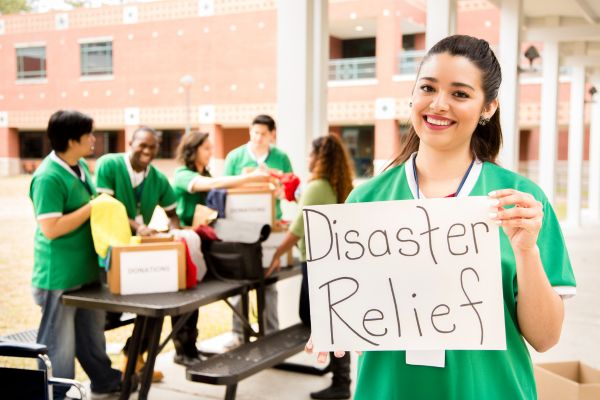
Natural disasters and emergencies can strike anytime, and volunteers are vital in supporting and assisting affected communities.
Disaster relief volunteering opportunities may include participating in search and rescue missions, providing first aid, distributing food and supplies, and helping with rebuilding efforts.
The American Red Cross and Federal Emergency Management Agency (FEMA) are prominent organizations that rely on volunteers during disaster relief operations.
3. Education and tutoring

Education-focused volunteering opportunities aim to support students’ academic success and personal growth. Volunteers can tutor students in various subjects, mentor at-risk youth, or assist in after-school programs.
Opportunities can be found through organizations like Teach for America, Boys and Girls Clubs of America, and local schools or community centers.
4. Health and wellness

Health and wellness volunteering opportunities focus on promoting well-being and providing support to individuals experiencing health challenges.
Volunteers can work in hospitals, hospices, or community health centers, providing companionship to patients, assisting with health education initiatives, or supporting fundraising events.
Organizations such as the American Cancer Society, the American Heart Association, and local healthcare facilities offer various opportunities to participate in health and wellness projects.
5. Animal welfare
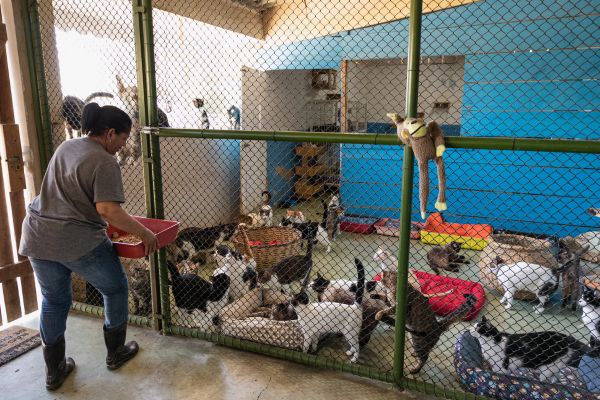
Animal welfare volunteering opportunities allow volunteers to work directly with animals or support organizations dedicated to their protection and care. These opportunities include working at animal shelters and wildlife rehabilitation centers or participating in animal rescue efforts.
The Humane Society of the United States, Best Friends Animal Society, and local animal shelters are excellent places to find animal welfare volunteering opportunities.
6. Homelessness and housing

Volunteering to address homelessness and housing issues involves providing support to individuals and families experiencing homelessness or working to create affordable housing solutions.
Volunteers can serve meals at homeless shelters, participate in building projects with organizations like Habitat for Humanity, or support transitional housing programs. Many local non-profit organizations focus on addressing homelessness and housing issues, providing ample opportunities to get involved.
7. Senior care and support

Senior care volunteering opportunities focus on enhancing the quality of life for older adults. Volunteers can visit nursing homes or assisted living facilities, provide companionship, lead activities, or help with transportation needs. Organizations such as Meals on Wheels, AARP, and local senior centers offer various opportunities to support older adults in the community.
Frequently Asked Questions About Volunteering for Work Experience
Are there any limitations to using volunteering as work experience?
Yes, there are limitations to using volunteering as work experience. It may not always be a direct substitute for paid work experience, particularly if the volunteer role is not closely related to the desired job or if an employer specifically requires professional experience. Additionally, some industries or roles may place more importance on formal education or certifications.
Can volunteering help me transition to a new career?
Absolutely! Volunteering can be an effective way to gain experience in a new field or industry, showcasing your adaptability and commitment to learning. It allows you to develop relevant skills, network with professionals, and demonstrate your interest in the new career path.
How do I highlight my skills gained from volunteering?
To highlight your skills from volunteering, include your volunteer experience on your resume in a dedicated section or alongside your professional work experience. Describe your responsibilities, achievements, and any specific projects you were involved in. Focus on the transferable skills you developed, such as leadership, teamwork, communication, and problem-solving, and tailor your resume to emphasize the skills most relevant to the job you’re applying for.