Disclosure: This post may contain affiliate links, meaning if you decide to make a purchase via my links, I may earn a commission at no additional cost to you. See my disclosure for more info.
A sinking fund and an emergency fund serve different purposes. Sinking funds help you save money for specific planned expenses, while emergency funds are a financial safety net for unexpected expenses.
Both allow you to avoid debt and stay on budget when you need to make a significant purchase, pay a large bill you know is coming, or cover an unplanned expense.
Sinking Fund vs. Emergency Fund
Here is a quick summary of the difference between a sinking fund and an emergency fund:
What Is a Sinking Fund?
A sinking fund is money you save for one specific future expense. You set aside a bit each month until you have enough cash to meet your objective. Using sinking funds helps keep you on budget and out of debt.
Sinking funds are not just for personal finance enthusiasts. Companies and government agencies also use sinking funds to put money aside for future debt or liabilities.
How to Create a Sinking Fund
The sinking fund formula is straightforward. You take the total amount you need to save, then divide it by the number of months you have to save for it. By saving a little each month, you ensure that known expenses don’t blow up your monthly budget or force you into debt.
Here are the simple steps for creating a sinking fund:
1. Set a savings goal

Decide what you will use the money for and how much you need to save. Maybe you want to put aside $1,000 for holiday gifts or $3,000 for a new water heater.
2. Determine the time frame

If you want to put away $1,200 for a vacation in June and it’s December, you only have about six months to save. You’ll need to update your budget to include a vacation sinking fund category with $200 put toward it every month until June.
You might need to develop an aggressive saving strategy if time is short. That could mean cutting back on discretionary expenses or making temporary lifestyle changes.
3. Decide where to save the money
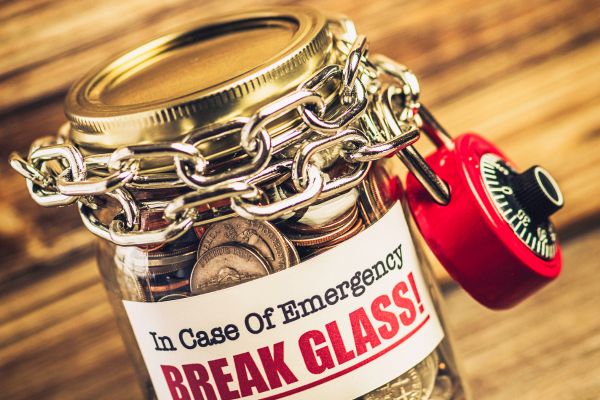
You have a few options for storing your sinking funds. The best place to save your sinking funds depends on the goal amount.
If the amount is small and you’re funding it with loose change or cash, you might decide to keep it at home in an envelope or piggy bank. You won’t have to make multiple small deposits or transfers as long as it’s safe.
Keeping your money at your local bank or credit union is safer if your amount is more than a few hundred dollars. Set up a savings account for each category if your bank allows it. Ensure there are no minimum balance requirements so monthly fees don’t eat away at your balance.
With separate savings accounts, you won’t be blending all your savings. There’s no temptation to misuse the money, and keeping track is easier. If your bank doesn’t allow separate savings accounts, keep track of each sinking fund on a spreadsheet or through budgeting software that supports sinking funds.
If your sinking fund will hold a lot of money and you will fund it for over a year, consider opening a high-yield savings account. High-yield savings accounts pay higher interest rates than traditional ones, so your money grows faster than a regular savings account.
Your checking account is not a good place for the money. Combining the funds you’re saving with the money you use for monthly expenses leads to problems. The temptation to spend it might be too great, or you could lose track of your savings.
What Should I Use a Sinking Fund For?
You should use a sinking fund for a specific, planned expense. That could include one-off purchases or infrequent recurring costs. Use sinking funds to budget larger, fun, or known upcoming expenses. Examples include wedding expenses, vacations, and property taxes.
Here are some more common sinking fund examples:
- A down payment
- A vacation or weekend getaway
- School tuition
- Kid-related expenses
- Auto insurance premiums
- A new car
- Car registration
- Home renovations
- New furniture
- Property taxes
- Holiday gifts
- Wedding costs
- Routine pet care or vet bills
- Planned medical expenses
If you have trouble saving money for financial goals or scramble when a quarterly or annual expense comes due, establishing multiple sinking funds will help immensely. By making regular payments into your sinking funds, you won’t have to come up with all the money in a month.
What Is an Emergency Fund?
An emergency fund is money set aside for future unexpected expenses. Having adequate cash reserves in case of emergencies or unexpected bills prevents you from ending up with credit card debt, taking out a loan, depleting retirement savings, or turning to family for money.
Your emergency fund should not be used for non-emergency expenses, such as regular monthly bills or unnecessary spending.
What Should I Use an Emergency Fund For?
Use your emergency fund for any unexpected and urgent expenses. The types of expenses you should use your emergency fund for include:
- Living expenses after a job loss
- Unplanned essential travel
- Unexpected medical bills
- Emergency vet bills
- Emergency home repairs
- Car repairs after an accident
When an unexpected major expense comes up, and you tap your emergency savings for it, make replenishing your emergency fund a high-priority short-term financial goal.
The reasons you need an emergency fund are clear. Being unprepared for the cost of an emergency could get you into debt, ruin your credit score, and threaten your financial security.
How to Build an Emergency Fund
Starting an emergency fund is similar to creating a sinking fund. The difference is you don’t have a specific purchase in mind for your emergency fund as you would with a sinking fund.
1. Determine your goal

Most experts recommend having 3-6 months of living expenses put away for emergencies. You might need 6-12 months of expenses saved if your income fluctuates or the job market in your industry is unstable.
2. Calculate how much you can contribute

Review your budget. Calculate how much you can put into your emergency fund regularly. Consider ways to reduce expenses or increase income.
3. Park the money

Open a separate savings account that you do not use for anything other than emergencies. Since you might need quick access to the money, you don’t want to keep it in less liquid savings or investment vehicles like CDs or stocks.
Look for a savings account with no minimum balance, no fees, and an above-average interest rate. If you find a high-yield savings account that meets the criteria, your savings will grow slightly faster.
4. Automate your saving

Automatic transfers help you prioritize your emergency fund. Set up an automatic transfer on or around every payday to save before spending.
5. Save any unexpected income

You can use any windfalls, such as tax refunds, cash gifts, or annual bonuses, to boost your emergency savings. If you get paid biweekly, two months out of the year, you get three paychecks. You can use those third paycheck months to beef up your emergency fund.
Sinking Funds vs. Emergency Funds
Sinking funds and emergency funds should be part of your overall saving strategy, regardless of your financial circumstances. Both of these financial tools will give you peace of mind and keep you from having to come up with a large chunk of money all at once. You won’t need a credit card or personal loan to handle planned or unplanned expenses.