
Disclosure: This post may contain affiliate links, meaning if you decide to make a purchase via my links, I may earn a commission at no additional cost to you. See my disclosure for more info.
It isn’t easy to save in today’s economy when so many people live paycheck to paycheck. But with a bit of careful strategizing and discipline, anyone can find some money for savings. We’ve put together some proven strategies to boost your savings in as little as 6 months. These simple, effective tips are designed to help you build meaningful savings in 6 months—even if you’re starting from scratch.
Determine Where Your Money Goes
Before deciding how much money you can put away in savings, you need to know exactly where your money goes. Keep a spending log for at least two weeks, recording everything you spend, even cheap snacks and cups of coffee.
Create a Budget
Your budget is your spending plan. Write how much you spend on things like rent or mortgage, utilities, car payments, and credit cards, and then set goals for how much you want to spend on things like groceries and clothing. Next, set limits for things like recreation, entertainment, or travel. Don’t forget to include your savings goal so you know exactly how much you will save each week or month.
Pay Yourself First

The primary rule for saving money successfully is to pay yourself first. I’m not saying you should not pay your bills. But if you get into the habit of putting aside a set amount every paycheck, you’ll probably find you don’t miss that money, and your savings will quickly grow.
Don’t Use Credit Cards for Regular Expenses

Get into the habit of using cash, a check, or your debit card instead of your credit card for some, if not all, of your regular expenses. You’ll be more likely to control how much you spend on things like groceries, clothing, and fuel.
Put a Spending Limit on your Credit Cards
Contact your credit and debit card providers and ask if they can reduce your daily spending limit. Some may even allow you to set a limit yourself, either online or through their mobile app. This will make you think twice about purchases and reduce the risk of impulse buys and random shopping sprees.
Use a Cash Back Credit Card
When you have to use a credit card, make sure it’s one that offers cash back. It’s a good way to save money on things you’d buy anyway. Look for cards that offer cash back on the things you spend the most money on, like groceries, dining, and gas. Be sure to pay off the balance every month to avoid high-interest fees.
Reduce Your Spending

If you’ve followed the first tip, you know exactly how much money you spend and what you’re spending it on. Look at things like eating out and entertainment expenses and see what you can cut out.
Don’t Treat Shopping as Entertainment

If you head to the mall or your favorite store simply because you enjoy shopping, you’ll likely waste a lot of money on unplanned spending and impulse buys. Shop when you actually need to buy something and make a list before you go. If you absolutely have to have some retail therapy, only take a small amount of cash and leave the debit and credit cards at home.
Designate No Spend Days

Designate one or two days a week as no-spend days. On those days, avoid spending any money. No grabbing a coffee on the way to work, eating lunch on the go, or unscheduled visits to the grocery store. You’ll be surprised how much money you’ll save, even if you only have one no-spend day a week.
Work on Paying Off Your Debts
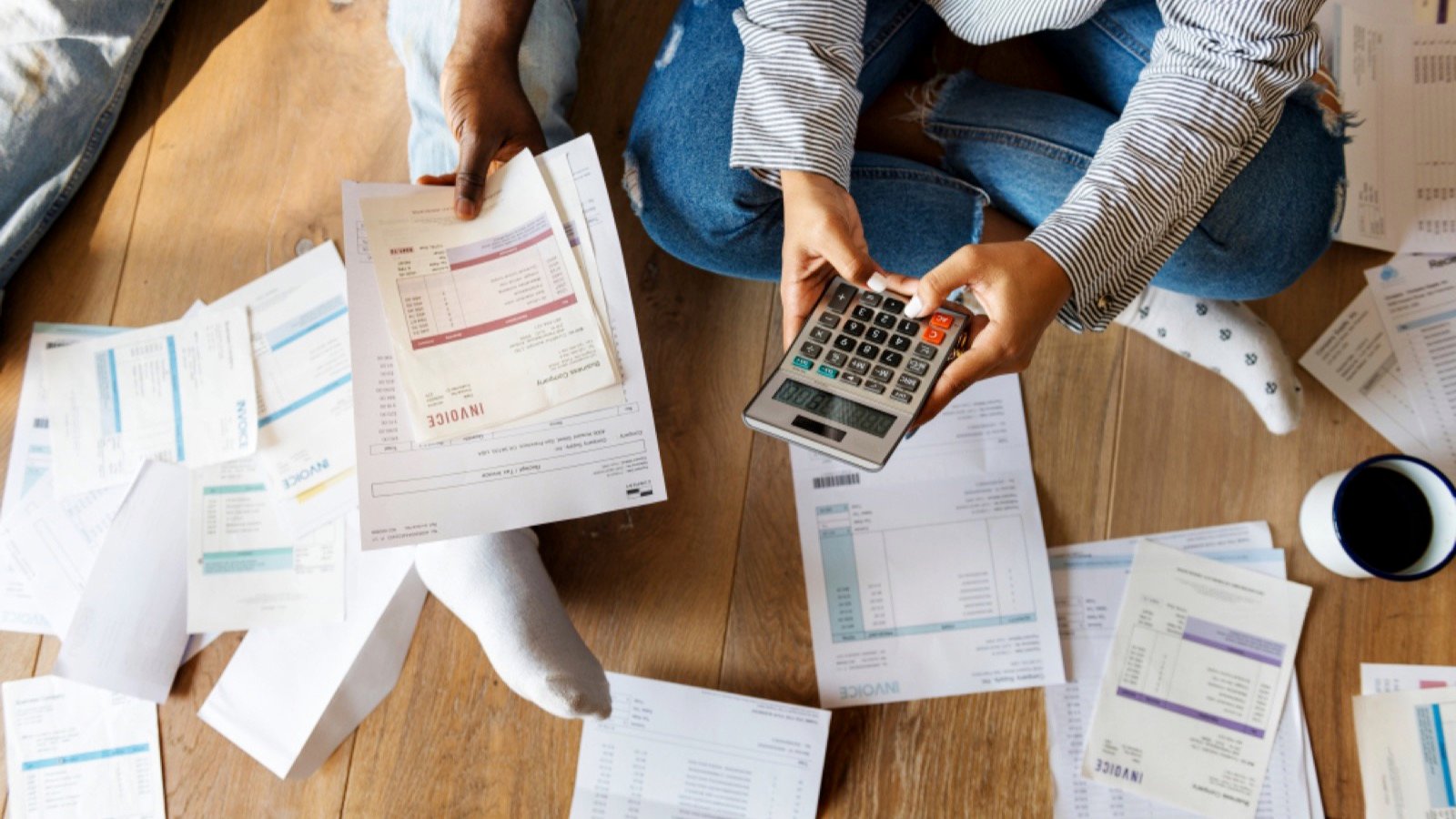
If you have a lot of credit cards or loans, you may pay more in interest than you are on the actual balances. In order for you to save more, it’s important to get out of debt as quickly as you can. A good debt-reducing strategy is the 50/30/20 approach. 50% of your paycheck goes to necessities and bills, 30% for luxuries and things you want, and 20% goes to savings.
Use Bank Technology
Most banks provide things like automatic payroll deductions and automatic transfers from checking to savings. Use the automatic transfer option to move a specific amount to your savings account every payday.
Consider a Side Hustle
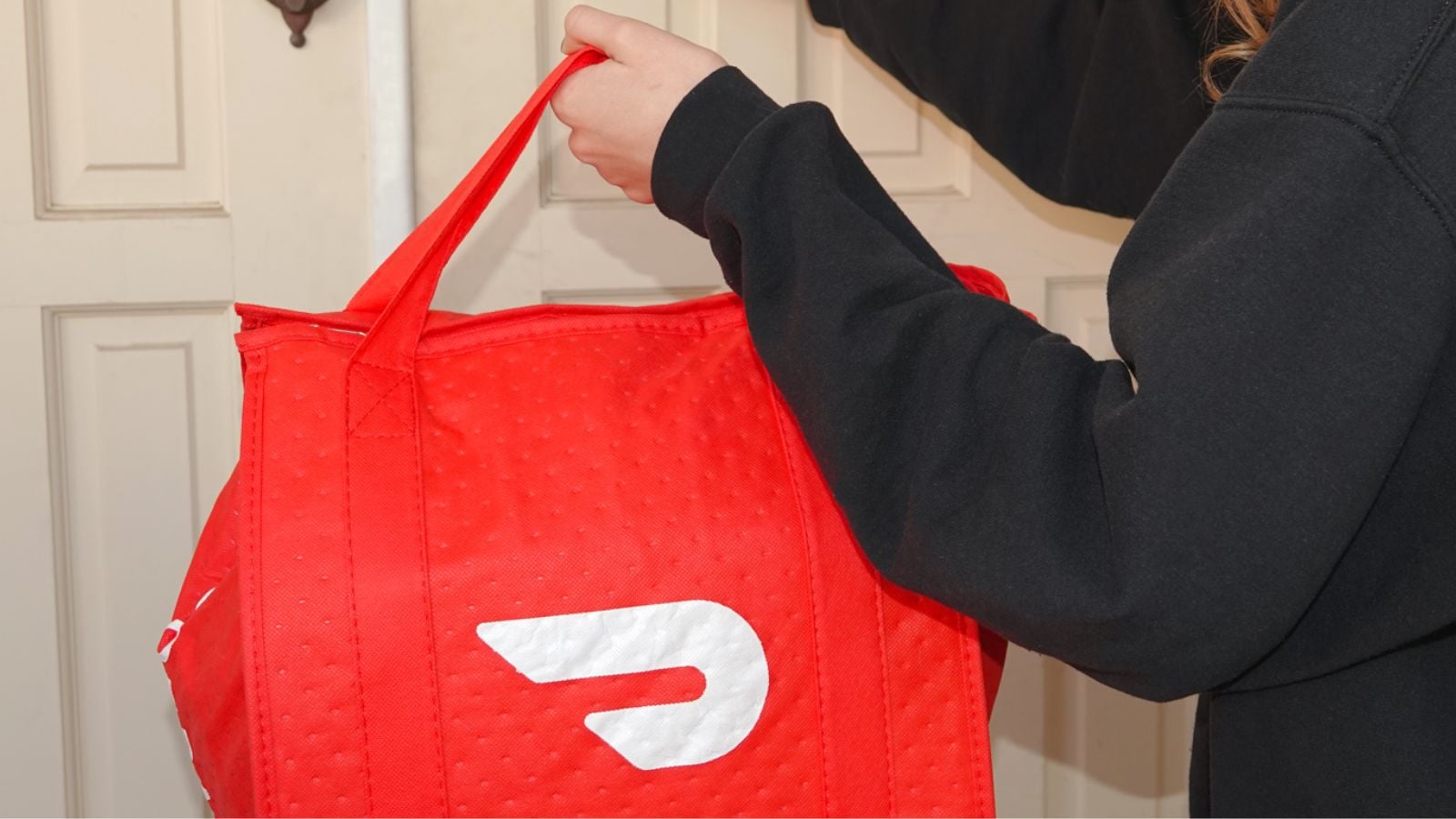
If you have the time, consider taking on a second job, even if it’s a small side hustle. You could create a passive income stream, drive for Lyft, DoorDash, or Uber, freelance on places like Upwork or Fiverr, or sign up for websites that pay you to do small tasks like filling out surveys.
The Purpose of a Budget and 11 Reasons Why You Need One

The primary purpose of a budget is to track your income and expenses. A budget also ensures your bills are paid on time, helps you plan for the future, helps identify any bad spending habits or areas where you could reduce your spending, and ensures that your spending reflects your priorities. By creating a budget and sticking to it, you can ensure your needs are met, your bills are paid on time, you get out of debt, and you meet your financial goals.
16 Beach Towns That Are Affordable to Live In

Imagine the soft noise of the waves greeting you each morning, a dream that seems just beyond reach due to the steep costs usually associated with beachfront living. This article will reveal a secret: living by the beach doesn’t necessarily have to drain your finances. Therefore, we are diving into 16 beach towns where the ocean breeze comes without the hefty price tag.