Disclosure: This post may contain affiliate links, meaning if you decide to make a purchase via my links, I may earn a commission at no additional cost to you. See my disclosure for more info.
The parallels between ancient Rome and the Great Depression emerge as harsh chapters in the collective human story. Despite being separated by continents and centuries, both periods share a common thread of economic instability, societal strain, and the dread of poverty. These difficult times have taught us different ways to survive a frugal life.
1. Make the Most of What You Have

Follow this rule of thumb to navigate any financial crisis. Utilizing what you already have and re-purposing it will help you extract more value out of things. You don’t always need to make hefty purchases when you can turn something you have into a usable alternative. For example, you can reuse that box of celebration chocolates as a storage container.
2. Learn New Skills

Instead of hiring someone to do basic jobs around the house, like fixing a plumbing mishap or painting the walls, you can add new skills to your arsenal and do them yourself. This will help you save tons of money that would’ve otherwise gone to manual labor. You can use that cash somewhere else, and you might even be able to make a dime using these newfound skills.
3. Grow Your Own Food

A packet of seeds will cost much less than buying fresh groceries every other day. Even with the additional cost of fertilizers and other equipment, you will save a lot more if you grow your veggies. You can grow almost anything and get the freshest, juiciest food you’ve ever eaten.
4. Barter Services

Even in this day and age, not everything needs to be bought with hard cash. You can cut some deals and exchange services, which can go a long way. Use existing items to your advantage and exchange specialized skills to get mutual benefits.
5. Negotiate Prices
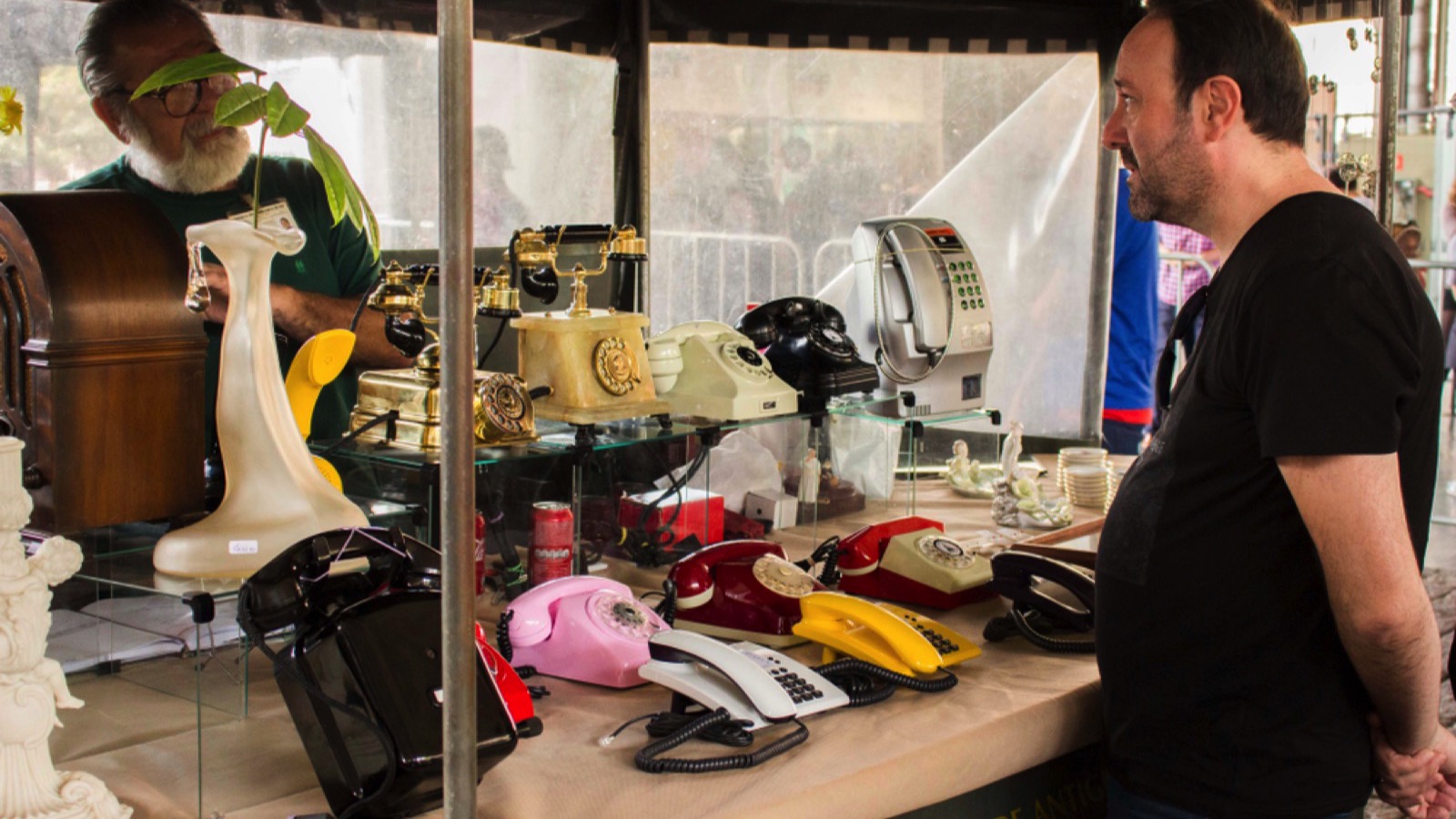
Negotiating prices whenever possible is a fantastic way to get discounts on almost everything. This tactic will go a long way, even though it doesn’t seem like much. You can save up so much in just a year if you earn $5 to $10 off on every item. All you need to do is learn how to be a smooth talker.
6. Use Food Pantries

There’s no shame in heading to a food pantry for a warm and comforting meal. When you don’t have much to eat, you don’t need to starve yourself because these little hubs will offer you free food. If there’s one thing the Great Depression taught us, it’s that we all need a full stomach to function.
7. Share Resources

Learning from the Roman “annona” system and sharing things with neighbors, friends, and family is essential when you have plenty. Self-preserving is necessary, but so is helping out your community in their time of need. If you help them now, they’ll help you in the future.
8. Bulk Buy Things

This is simple economics: buy in large quantities to get stuff at a lesser cost. You can gather your friends, family, or even your neighbors and purchase things collectively at the start of the month. This can help not only you but also the people around you. This was a common practice during the Great Depression, and it helped keep people afloat.
9. Use Leftovers

Every crumb of food is essential, especially when you don’t have much to spend. Rationing food is something we need to learn from the past. Be sure to utilize your leftovers properly instead of buying more and more food each time. You can make great things out of random items from the night before. Maybe use that extra rice to make a burrito later.
10. Secondhand Things Are Worth It

Electronics like laptops, phones, and computers cost a kidney and then some, but they are essential for education and careers. What’s the solution? Buy secondhand items and make your life much easier. You might need to vet what you’re getting properly, but once you cross that hurdle, you can meet all your needs without saving up for years.
11.Secondhand Things Are Worth It

If you think that self-made cleaning supplies won’t be as adequate, I’m here to tell you that they might even be better than the store-bought variant. Not only can you use plenty of it without feeling stressed about having to buy more, but you can also clean everything more effectively without all the harmful chemicals.
12. Budget

What ancient Rome and the economic crisis taught us about our money-spending habits is to set priorities and budget effectively. Make a game plan based on your income at the start of your month, and stick to it religiously. You’ll get by without getting overly anxious as long as you do that.
Source: Reddit.
Generational Shift: 18 Classic Cars Loved by Boomers, Snubbed by Millennials

In the world of automobiles, some cars are timeless, forever etched in the minds and hearts of those who drove them. But generational shifts in taste and values can lead to once-beloved vehicles being relegated to the shadows. Let’s revisit 18 classic cars adored by Baby Boomers but often overlooked by Millennials.
From Boom to Bust: 18 States on the Brink of Financial Ruin—What Went Wrong?

We’re embarking on a financial roller coaster ride through 18 states, and it isn’t the fun kind. We’re talking about states having to check under the mattress and behind the couch cushions for extra change. These states are trying to balance their budgets, but the numbers aren’t increasing. Why are they skimming through their wallets like they lost a 20-dollar bill? Let’s find out!
Avoid These 19 Pointless Expenses When Living Paycheck to Paycheck

Living from paycheck to paycheck puts one in a dangerous financial bind. It’s more prevalent than you can imagine. According to a survey by CNBC, more than half of all Americans (58%) live paycheck to paycheck. When money is tight, it’s crucial to pinpoint and cut out wasteful expenditures that eat away at your hard-earned savings.
Avoid These 19 Pointless Expenses When Living Paycheck to Paycheck