Disclosure: This post may contain affiliate links, meaning if you decide to make a purchase via my links, I may earn a commission at no additional cost to you. See my disclosure for more info.
Cars are among the unsung heroes of our daily lives. They get us where we need to go, endure the bumps and potholes of the road, and even help us save on repairs with proper maintenance. They do it all without complaints, and we owe them a little love in return.
To ensure your car becomes the envy of the road and your wallet stays pleasantly plump, we’ve compiled 17 strategies that will have you cruising in style while saving on those pesky repair bills.
1. Regularly Change the Oil and Filter

Your car’s engine relies on oil to keep its moving parts lubricated and protected from friction and heat. Over time, this oil can become dirty and less effective at doing its job. That’s where oil changes come in.
Regularly changing the oil and filter gives your car’s engine a fresh supply of clean oil to keep it running smoothly. That helps prevent damage and wear and tear, ultimately prolonging your engine’s life.
2. Follow the Manufacturer’s Recommended Schedule

Your car owner’s manual often outlines the manufacturer’s recommended schedule. It provides guidelines for essential maintenance tasks such as tire rotations and fluid checks.
Following these recommendations ensures that your car receives the care it needs at the proper intervals. This extra care maximizes its performance and longevity.
3. Keep Tires Properly Inflated

Maintaining proper tire pressure is essential for several reasons. First, it enhances safety by providing optimal traction and stability, especially in adverse weather conditions.
It also improves fuel efficiency. Underinflated tires can increase rolling resistance and decrease mileage. It also increases tire wear, leading to more frequent — and expensive—replacements.
4. Replace Worn Out Tires Promptly

As tires wear down, their tread depth decreases. That reduces traction and increases the risk of skidding or hydroplaning, especially in wet and slippery conditions.
Replacing worn-out tires promptly ensures your car maintains optimal traction, handling, and safety on the road. It’s like giving your car a fresh set of sneakers for peak performance.
5. Check and Replace Brake Pads as Needed
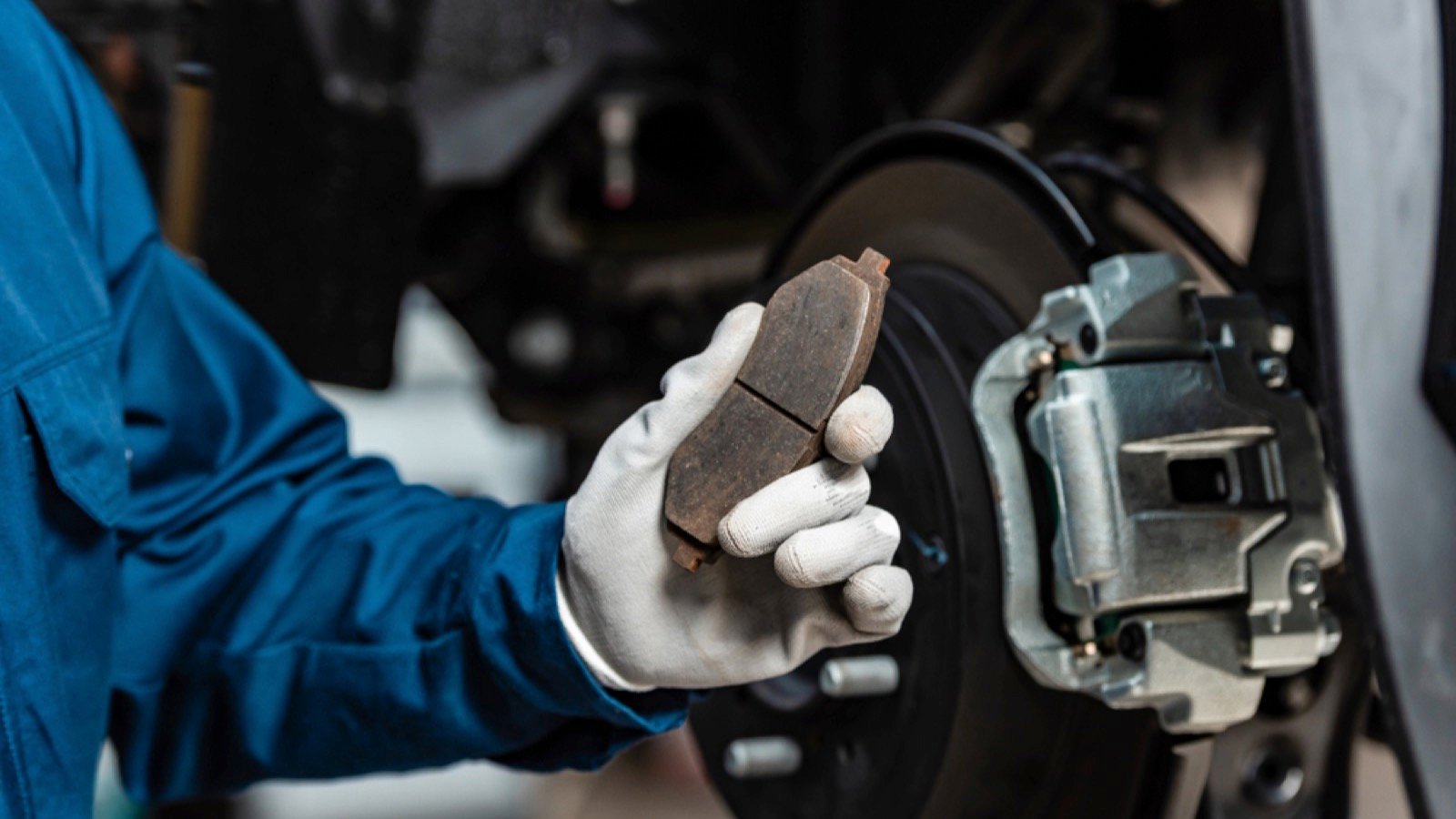
Brake pads are essential for safely slowing and stopping your car. However, they wear down over time due to friction, reducing their effectiveness and ability to stop quickly in an emergency.
Regularly checking and replacing your brake pads as needed ensures your car’s braking system remains reliable and responsive.
6. Keep Fluids Topped Up
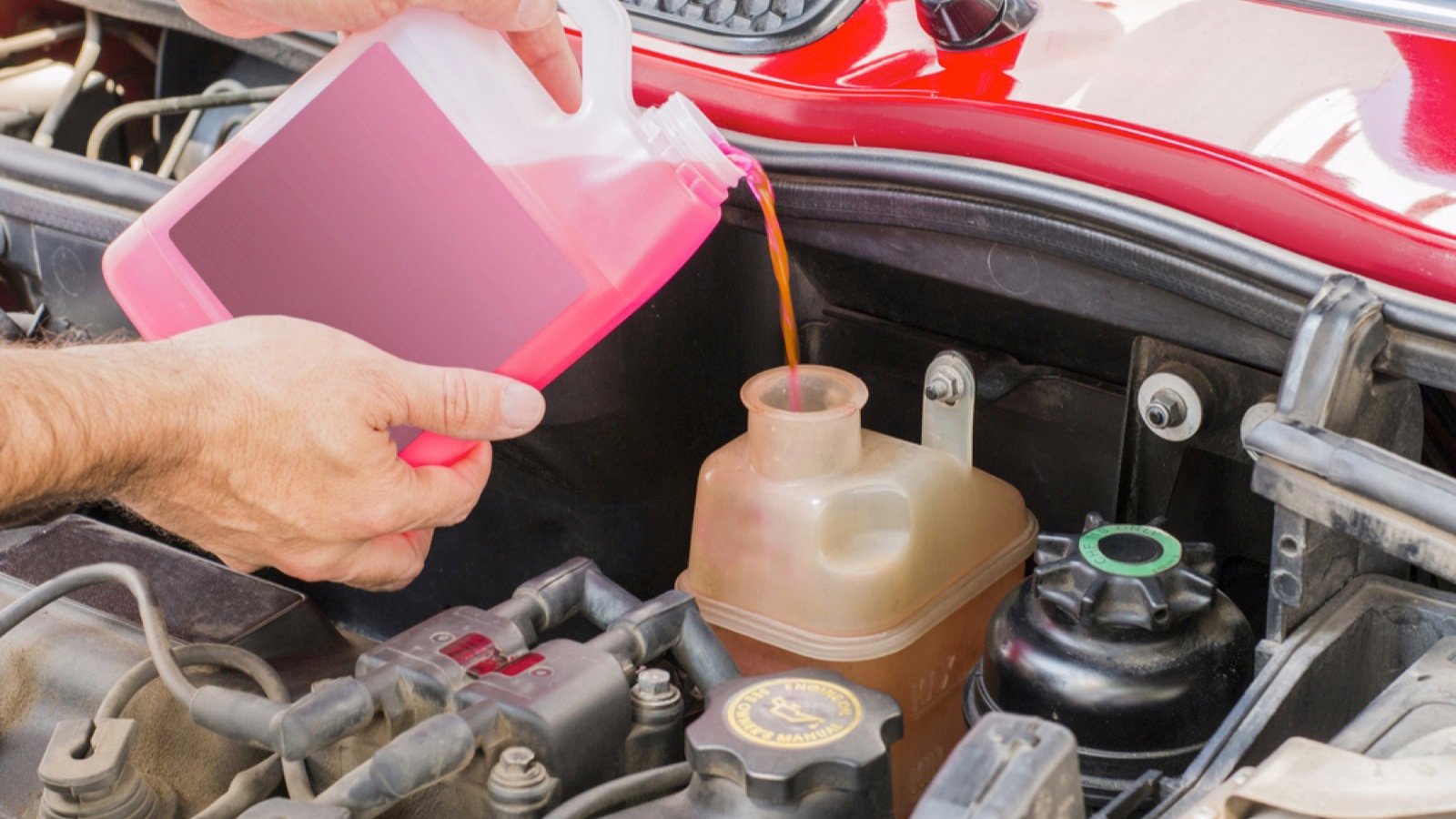
Your car relies on engine oil, coolant, brake fluid, and power steering fluid to keep systems functioning properly. Driving with low or dirty fluids can damage the engine, overheat, or cause poor performance.
You should monitor your car’s fluid levels and top them up as needed. Your car will thank you with smooth, reliable performance mile after mile.
7. Replace the Air Filter Regularly

The air filter helps prevent dirt, dust, and debris from entering the engine’s combustion chambers. However, over time, contaminants can clog the filter, restricting airflow and reducing engine performance. Driving with a dirty air filter can reduce fuel efficiency, decrease engine power, and increase emissions.
To avoid this, regularly replace your car’s air filter. This will ensure your engine receives a steady, clean air supply, optimizing fuel combustion and performance.
8. Use High-Quality Fuel and Engine Oil

High-quality fuel and engine oil are formulated with additives to help keep your engine clean, lubricated, and protected from wear and tear. They help maintain optimal engine performance, improve fuel efficiency, and prolong engine life.
9. Avoid Aggressive Driving

Aggressive driving habits, like rapid acceleration, hard braking, and abrupt maneuvers, put unnecessary stress on your car’s engine, transmission, brakes, and suspension. This can lead to increased wear and tear, reduced fuel efficiency, and a higher risk of accidents.
Take it easy behind the wheel. Accelerate gradually, brake smoothly, and anticipate traffic flow to avoid sudden movements. After all, slow and steady wins the race.
10. Maintain the Interior and Exterior

A well-maintained car looks good and also feels pleasant to drive. Maintaining the interior involves cleaning and tidying up to remove dirt, dust, and clutter. Vacuum the carpets, wipe down surfaces, and condition leather seats to preserve your car’s value over time.
Similarly, maintaining the exterior involves washing, waxing, and protecting the paintwork from environmental damage. Maintaining your car’s appearance helps enhance its aesthetic appeal and prolong its lifespan and resale value.
11. Avoid Overloading the Car

Overloading your car puts undue strain on its suspension, brakes, tires, and engine. This can lead to increased wear and tear, reduced fuel efficiency, and safety hazards.
Before you hit the road, take a moment and distribute weight evenly. Make sure you don’t exceed the vehicle’s maximum load capacity.
12. Keep the Battery Terminals Clean

Battery terminals connect your car’s electrical system to the battery. They are responsible for allowing your vehicle to start and power essential components. Over time, corrosion can build up on these terminals, preventing electrical flow and potentially causing problems or electrical issues.
Keeping your terminals clean ensures that your car starts reliably and operates smoothly. It also increases the life of your battery.
13. Use the Parking Brake

The parking brake, also known as the handbrake or emergency brake, prevents your car from rolling when parked. It is essential on steep hills or uneven terrain, where just putting the car in park may not be enough to prevent movement.
The parking brake is a simple, effective way to prevent accidents and protect your car from unnecessary wear and tear.
14. Park in a Garage or Shaded Area

Garages and shaded areas help protect your car’s exterior paint, interior upholstery, and sensitive electronic components from damage by extreme temperatures. Parking your car in a shaded area provides it with a protective canopy.
This improves the lifespan of its finish and keeps the interior cooler. It also helps preserve the car’s resale value.
15. Use a Fuel System Cleaner Periodically

Impurities can accumulate in your car’s fuel system, including the fuel injectors and combustion chamber. These deposits can restrict fuel flow, increase emissions, and decrease engine performance.
Using a fuel system cleaner clears out the blockages and restores your car’s optimal flow and function.
16. Keep Lights and Signals in Working Order

Properly functioning lights and signals are essential for visibility and safety. They also allow you to signal your intentions to other drivers as you navigate in various driving conditions.
Check all your car’s lights and signals, including headlights, taillights, brakes, and hazard lights. Promptly replace any bulbs that are dim or burned out.
17. Use a Battery Tender

Also known as a trickle charger, a battery tender is a device that delivers a low, steady charge to your car’s battery. This keeps it topped up and prevents it from losing power during inactivity.
Consider using a battery tender if you store your car for long periods or don’t drive it regularly. It’s a simple but effective way of prolonging your battery’s lifespan.