

Disclosure: This post may contain affiliate links, meaning if you decide to make a purchase via my links, I may earn a commission at no additional cost to you. See my disclosure for more info.
Like many things in today’s economy, groceries seem more expensive than ever. Additionally, they stock the shelves and organize them in ways that lure you into buying things you don’t need. Think of impulse items at checkout as an example.
But how expensive are groceries? The Census Bureau’s Household Pulse Survey found that the average American household spends more than $1,000 monthly on groceries. However, you’re not doomed to overspend on groceries.
To help you lower your grocery bills, we’ve handpicked 12 tactics to spend less and get more. We chose these tactics for their simplicity and convenience.
1. Choose Generic: Genius Supermarket Hacks
Usually, choosing generic brands rather than name brands is more affordable. There are also very few differences. Personally, to save money, I buy most of my grocery store-brand. For instance, I seek out Clancy’s if I’m at Aldi. The food is just as good, if not better, and cheaper.
2. Coupons

This tactic can be tricky, but it doesn’t have to be. When you see a coupon for an item you like, snag it. Digital coupons are also great. A quick tip is to only use coupons on items you like. If you don’t like mint chocolate chip ice cream but have a coupon, maybe give it away.
3. Meal Plan
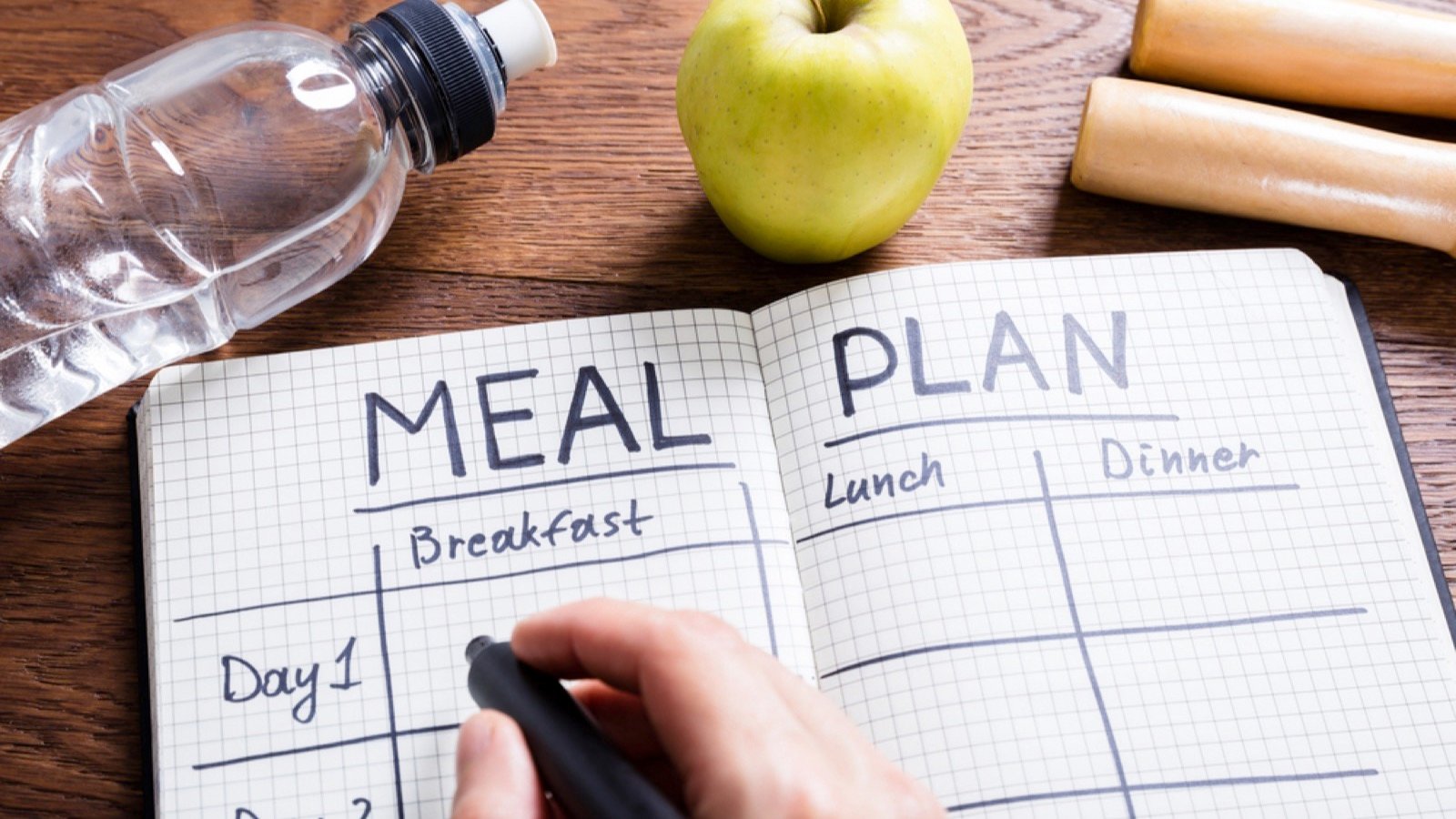
Staying on a budget is much easier when you meal plan. You don’t have to make elaborate dinners or breakfasts or cook all your meals in one day. Instead, create a list of meals you’d like to make and the ingredients needed. It’s even better if you can use the ingredients more than once. For instance, you can have steak tacos for dinner and egg tacos or quesadillas for breakfast.
4. Create a Budget
Creating a budget is essential. How else would you keep track of your spending? I love creating digital budgets on apps that show me my goals and progress visibly, but a pen-and-paper budget works just as well.
5. Order for Pick Up
Most of the time, when we overspend on groceries, we buy things we don’t need. Grocery stores are full of temptations. It’s hard to deny it when chips, soda, and candy are at the checkout. To avoid this, order your groceries online for pickup. Most grocery stores have this option; better yet, you don’t have to leave the comfort of your car and risk getting tempted by delicious goodies.
6. Pay With Rewards Cards
Coupons aren’t the only way to achieve savings at the grocery store. Another excellent money-saving tactic is to use reward programs. They are free, easy to use, and only require a phone number or email. Rewards build up fast. I use the Big Lots reward program and constantly get coupons and $5 to $15 off rewards.
7. Shop Alone
Grocery stores and their massive aisles aren’t the only temptations while shopping. So are other people. If you can, shop alone. This way, you are not tempted to give in to what others want, and it’s easier to hold one person accountable than two.
8. Double-Check Your Pantry

Before you leave to grocery shop, double-check your pantry and your list. Check them twice. If not, you’ll end up like me with five boxes of pasta. You’ll be surprised how many ingredients you already have. It may even inspire you to make a new dish with what you have, saving you more money.
9. Buy Groceries on Sale
When you can, buy groceries on sale or clearance. This is tricky, though, as not all food on clearance is good. Always double-check before buying. You can find grocery items at half the cost if you’re lucky.
10. Stick to Cash
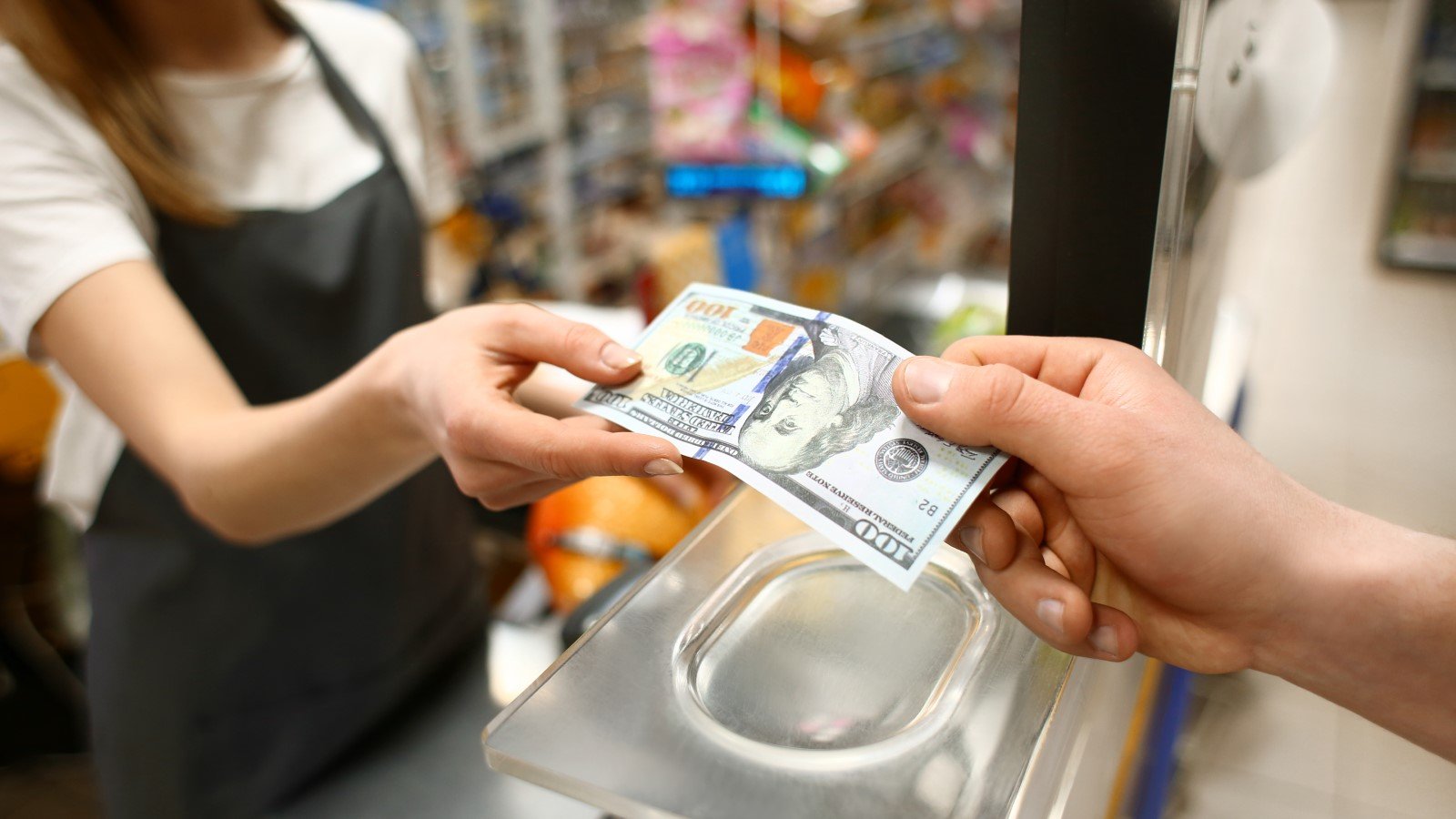
Sometimes, the good old-fashioned cash method is the best. If you don’t want to overspend, simply take cash instead of your card. This limits you to what’s in your hand, not your credit limit.
11. Try Going Meatless

One of the more expensive grocery store items now is meat. According to the U.S. Bureau of Labor Statistics, in March 2024, ground beef cost an average of $5.42. This adds up when you live in a big family. Instead, try going meatless or limiting your meat intake. Maybe eat meat once or twice a week instead of every day.
12. Shop Once a Month
If you want to spend less and get more, visit the grocery store only once a month. This can force you to get creative with the ingredients. Buying unnecessary groceries in one run is much less tempting than in four.
30 Tricks to Save on the Electricity Bill No One Talks About

Utility bills are inevitable, but you can reduce your consumption and spending. Here are thirty uncommon tips to help you be more energy-conscious, benefiting the planet, your wallet, or both.
The Purpose of a Budget and 11 Reasons Why You Need One

The primary purpose of a budget is to track your income and expenses. A budget also ensures your bills are paid on time, helps you plan for the future, helps identify any bad spending habits or areas where you could reduce your spending, and ensures that your spending reflects your priorities. By creating a budget and sticking to it, you can ensure your needs are met, your bills are paid on time, you get out of debt, and you meet your financial goals.


