Disclosure: This post may contain affiliate links, meaning if you decide to make a purchase via my links, I may earn a commission at no additional cost to you. See my disclosure for more info.
Utility bills are inevitable, but with the right tricks to save on the electricity bill, you can reduce both your energy consumption and your monthly spending. Here are thirty uncommon tips to help you become more energy-conscious—benefiting the planet, your wallet, or ideally, both.
1. Make a List of Energy Expenditure

Perhaps the most valuable tip is to review which devices use the most monthly electricity. From small appliances to outdoor lights, every electrical device adds up. This will help you understand how you distribute electricity consumption and where you can or cannot reduce your usage.
2. Check Your Electricity Rate per KWH

In most countries, the cost of electricity varies depending on the time of day and season in which you use it. For example, in Spain, electricity is usually cheaper between 10:00 p.m. and 12:00 p.m. in winter and between 11:00 p.m. and 1:00 p.m. in summer. Mexico’s most expensive hours are generally between 8:00 p.m. and 10:00 p.m., depending on the state.
If you are unsure which times electricity is the most expensive and the cheapest, call your company or look it up online. Many smart thermostat devices will also alert you to peak and off-peak times to help you be more efficient.
3. Make Sure There Is No Light Leak in Your Installation

It is a good idea to perform a technical review of your electrical installation once every ten years. If you prefer to do the check yourself, turn off all the electrical sources in your home and check whether the meter is moving. If it keeps moving, it means there is some fault in your wiring and potentially time to call an electrician.
4. Compare the Rates of Electricity Companies in Your Country

Depending on where you live, you may have the option of contracting electricity with different companies. If so, use online rate comparisons to find the most affordable rate.
5. Use Support Apps

Make the most of free information using apps that allow you to check your electricity rate in real time. This will give you an idea of the hours of the day when electricity is more expensive or vice versa, helping you to reduce energy consumption.
6. Use Energy Efficient Appliances

Once you know precisely what time of day power is the cheapest, plan to use larger appliances during these times if you can. For example, run your laundry mid-morning rather than during dinner or wait to turn the dishwasher on until you head to bed.
7. Reduce the Number of Light Bulbs

Do you need as many light bulbs as you use in your house? Make a count and eliminate any unnecessary lights.
8. Switch to Led Bulbs

If you haven’t already done so, it’s time to invest in more efficient light bulbs. LED bulbs consume between 70 and 80% less energy than incandescent bulbs and 30% less than fluorescent bulbs. In addition, they have a longer lifespan, break less quickly, and do not emit UV rays. They also don’t flicker or take time to heat the way fluorescent bulbs can.
9. Be Selective With the Voltage of Your Light Bulbs

Perhaps one of the most recent trends in interior design is mood lighting. Consider the watt strength of the bulbs you use in each light fixture. In kitchens, we may need more light intensity to cook, but dim lights are enough in bedrooms. Reducing the voltage of your light bulbs (even LED ones) will save a lot on your electricity bill.
10. Goodbye to Standby

Turn off all electrical appliances and devices, including your modem, when you’re not using them. The standby mode of the television or the coffee maker can increase your electricity bill by between 8 and 10%. To make it easier, install multi-contact power strips or devices that allow you to connect several appliances simultaneously and turn them off with a single switch.
11. Take Advantage of Natural Light

It seems obvious, but often, we leave the curtains closed or the blinds down and turn on the light in a room in broad daylight. Sitting closer to windows and opening the curtains is often enough to eliminate the need for a lamp when doing many things around the house.
12. Buy High-Efficiency Appliances

If purchasing a new appliance, choose wisely and buy the most energy-efficient appliances you can. In the long run, they will save you a lot of money. This means opting for the correct size fridge for your household and a washer with water-sensing features.
13. Use Your Appliances in Power-Saving Mode

Many of your appliances have energy-saving or eco-friendly functions. Use the washer or dryer’s power-saving function to reduce your electricity bill. For example, using the air-dry feature eliminates the electrical draw for the heater on your dryer.
14. Reduce the temperature of your washing machine and dishwasher

You can save up to 90% of your energy if you wash clothes in cold water instead of hot water. You can also use the dishwasher’s eco program to wash dishes or consider turning off the heated dry feature.
15. Regulates the Temperature of the Refrigerator
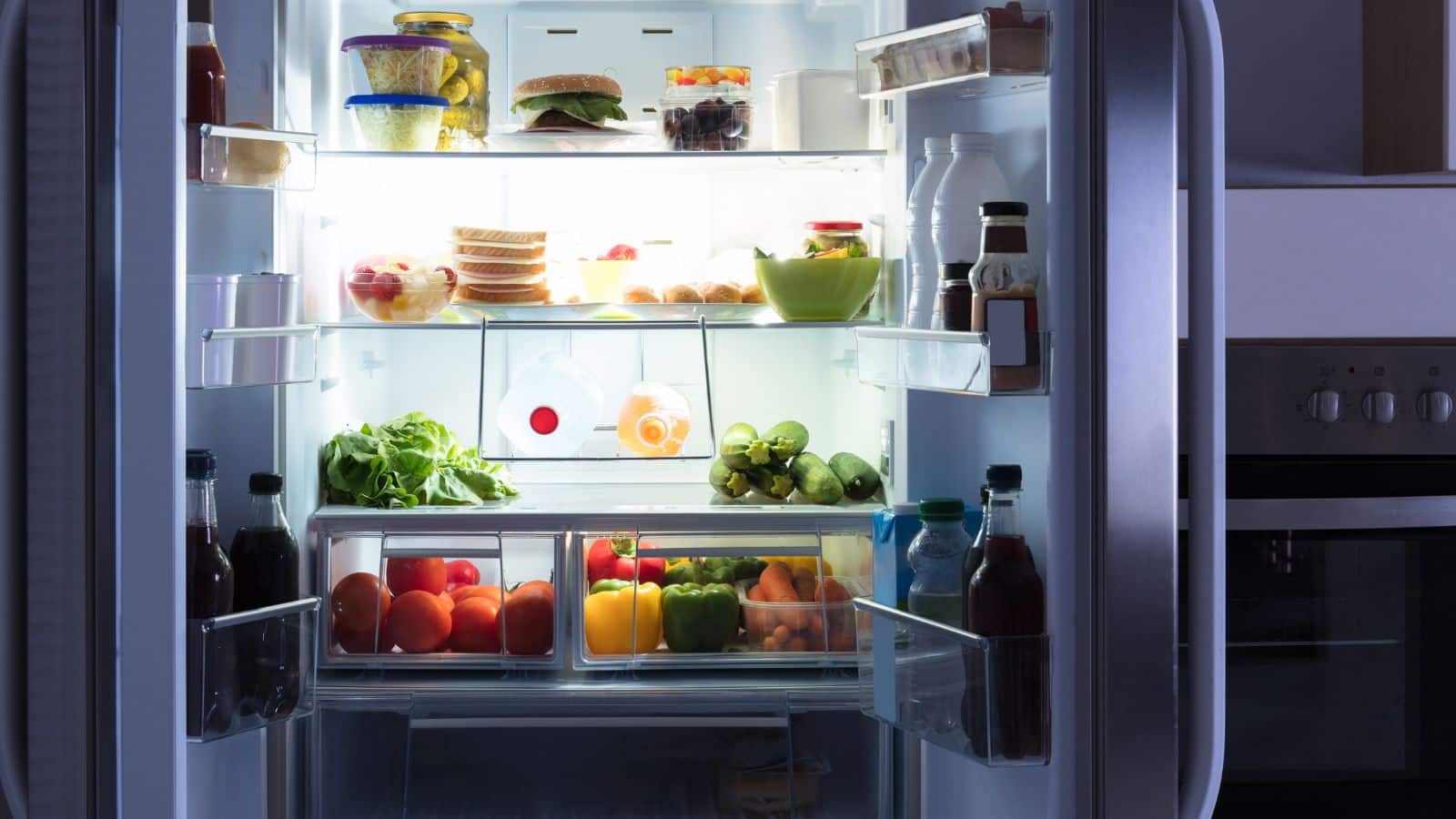
Ideally, keep the fridge at around 37°F and the freezer at 0°F to use it efficiently and save as much energy as possible. Also, do not put hot food in the refrigerator and avoid ice accumulation in the freezer to reduce energy consumption.
16. Add Insulation to Your Home

If you are considering renovating your home, consider adding insulating materials to keep it warmer in winter and cooler in summer. Insulation in ceilings and walls or double-glazed windows, which do not allow air passage, can significantly impact your HVAC costs.
17. Invest in Shades for Your Home

Installing an awning or a special roof on the facade of your home or the terrace can help you improve your home’s energy efficiency in summer since these devices prevent direct sunlight from entering through the windows and, therefore, the entrance of excessive heat. This will help reduce your need for air conditioning or a fan.
18. Check if Air Is Escaping Through the Doors

It is estimated that 5% of a home’s heat escapes through the bottom gaps of the doors. To avoid this and save electricity in heating, use specific insulating weather strips or, where appropriate, carpets and mats that do not let air escape.
19. Don’t Let the Air Escape Through the Windows

Nearly 25% of heated or cooled air is lost through windows. So, in addition to investing in good windows, it is a good idea to use thick curtains in winter and seal any gaps around the windows to reduce temperature loss during different seasons.
20. Bet on Gas

The cost of using gas varies depending on the country you live in. In some countries, gas is more expensive than electricity. However, gas is generally considered more energy efficient and lower priced than electric power. If you have a gas hookup, consider switching some appliances to gas-powered rather than electric.
21. Less Heating and More Layers

In winter, lowering the heating by one degree can save up to 7% of energy. So if you have an electric heating system, you can save a lot of money on your electricity bill.
22. Less Air Conditioning and Fewer Layers

If you need to use air conditioning in summer, set it between 73 and 77 degrees. The higher the temperature, the less energy it uses.
23. Leverage Your Home Textiles

To lower winter energy consumption, add extra insulation to your home with cozy and warm textiles, such as thick curtains, rugs, and wool sofa covers. In summer, change them for softer and cooler fabrics. This will help reduce your need for heating and air conditioning.
24. Invest in Smart Appliances

These types of appliances can turn your house into an energy-efficient home. You can find smart thermostats that regulate your home’s temperature based on the time of day, smart plugs to control devices from afar, and monitors that allow you to see and control your electricity usage more efficiently.
25. Shorten Your Showers

It takes a lot of energy to heat water. If you have a large family who all shower frequently, this can be a huge energy draw and significantly increase your monthly bill. To improve efficiency, consider shortening the shower time and lowering the water temperature.
26. Get In the Habit of Turning off the Light When Leaving a Room.

Leaving lights on around your home when no one needs them can significantly increase the cost of your electricity bill.
27. Don’t Leave Lights on at Night

Exterior lights can be excellent safety measures and look nice, but they will add up. If you need to leave a light outside or in the garden for safety, look for solar lighting solutions or set timers to go off when you’re confident you will not need them.
28. Keep up With the Preventive Maintenance of Your Appliances

Electrical appliances in poor condition can significantly increase energy consumption. Keep up with the recommended maintenance on your washer, dryer, dishwasher, and refrigerator, or schedule a service to check them.
29. Use the Vegetation in Your Favor

If you have a single-family home, you can use vegetation, such as vines or fruit trees, to create shade in summer and thus feel cooler. They will also help add curb appeal and beauty to your home.
30. Cook Efficiently

There are many ways to use less electricity when cooking, especially with an electric stove and oven. For example, use pans and pots of the right size for the amount of food and opt for high-quality cookware so they better maintain the heat.
You can also use a pressure cooker, which reduces 75% of energy. Avoid opening the oven while food is cooking, and cover pots and pans while food is cooking.
17 Items to Cut From Your Budget You Won’t Miss

Are you feeling the pinch in your wallet? You’re not alone – many of us are looking for ways to save money without drastically changing our lifestyles. But what if we told you there are things you’re spending money on right now you wouldn’t even miss if they were gone? Yes, you read it right! This blog post is all about those sneaky budget items that are quietly draining your bank account. We’ve rounded up 17 items you can cut from your budget today. So, let’s dive right in and save more of your hard-earned money!
17 Items to Cut From Your Budget YouWon’tt Miss
10 Practical Ways to Be Frugal Without Being Cheap

You can be frugal without being cheap by understanding the difference between price and value. A cheap person cares only about getting the lowest price. Frugal people look at price as one factor that determines value.