Disclosure: This post may contain affiliate links, meaning if you decide to make a purchase via my links, I may earn a commission at no additional cost to you. See my disclosure for more info.
From emails and reports to social media posts and presentations, conveying ideas clearly and effectively in writing is a tremendously valuable skill across industries and roles. Whether aiming for clearer messaging, professional correspondence, or impactful storytelling, unlocking the potential of written communication can elevate one’s professional trajectory and foster stronger connections in both personal and professional spheres. If you’re looking for ways to bolster your wordsmithing, read on for great tips to help craft the best messages for every purpose.
Tips for Improving Written Communication

Working on being a better communicator should not be viewed as a destination one reaches but as a practice one continues to improve with time and experience. Fortunately, when it comes to written communication, there are many tools and guidelines to help us improve with the technical aspects like spelling and grammar. There are also tools to help us be more efficient with how we send and phrase our messages.
Choose Your Words With Care
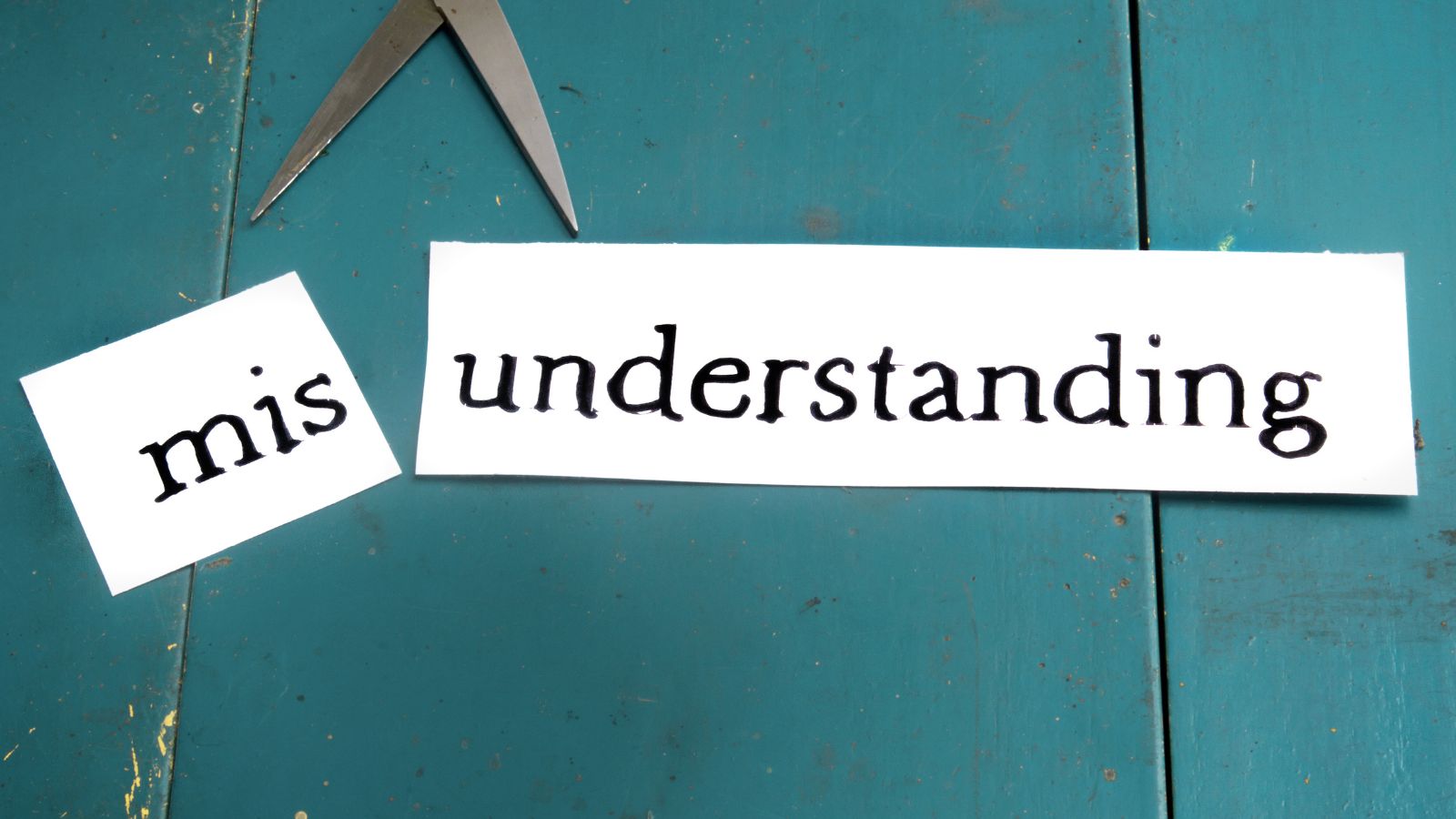
Be aware that written communication can go wrong in any setting. Usually, four main communication channels are used: verbal, nonverbal, written, and visual. Writing is a complex mode of communication to master because it eliminates many context clues for receivers, such as tone, body language, and facial expression. With these communication elements eliminated, word choice and structure become crucial to ensure your colleagues don’t misinterpret the message.
Think of Your Readers

When preparing to write inter-office communication, consider the person or group of people you are writing to. Are you able to speak their language, literally and figuratively? Enhancing written communication involves considering the audience’s needs, preferences, and understanding. Tailoring the message to resonate with the audience ensures clarity and engagement. One can create more impactful and relatable written content by empathizing with one’s perspective, using familiar language, and addressing one’s concerns or interests.
Grab Attention, With Care

Avoid sending multiple short messages to steal attention when using instant messaging for internal office communication. Instead, consider your message carefully, and only hit send when you’ve formed a thoughtful note. This way, they won’t have to wait for you while you are typing.
Write Well-Structured Emails

What is this email about? What actions should be taken? Who is responsible for addressing concerns? When is the deadline? Using these questions when composing professional emails will help you prioritize how you structure information. Different formatting tools like bulleted lists and underlining or bolded text for important facts will help draw the reader’s attention to critical points. Consider all possible angles and provide the necessary details as succinctly as possible.
Short and Pointed

Be concise in your written communication. Avoid flowery, figurative phrases, and stick to the most critical points. Refrain from repeating or rewording things multiple times, creating confusion and wasting time. Stick to your core message and be a ruthless editor to ensure no filler words or extra sentences are included.
Tech-Stack Your Writing

All kinds of extensions can be integrated into our various writing platforms. Tools like grammar or spelling checkers and engagement tools are a great way to boost your written communication. Over time, your writing will naturally improve, and you will become less dependent on the tools. Consider your needs and research the products that can aid your work.
Hit the Send Button Sparingly

When messaging back and forth, use the “enter” button sparingly, ensure your chat bubbles show clear thoughts, and give the other person time to reply before sending additional questions or comments. This will help keep the conversation from having multiple chaotic threads going simultaneously. It is also just a way to show respect for the other person.
Be Respectful Towards Team Chats

Team chats are great for many reasons, including building team camaraderie. However, don’t turn them into hangouts filled with memes and videos. Having multiple non-essential notifications wastes time and can be overwhelming to some. Fire up the team chat only when you require the attention of the people in it on important matters that concern everyone.
Use Email Groups

Having a group email thread for a department or team is a great way to communicate things like policy changes or announcements that are pertinent on a company level rather than a project level. Differentiating between different modes of written communication helps ensure important messages are not missed and can easily be tracked or referred to later.
Use a Tagging System

Having systems for organizing different types of regular messages can help everyone keep their correspondence organized and know how to prioritize communications. Good examples would be [Announcement], [Office matters], [Important], [Emergency], and [Project X], or you can come up with tags that fit your needs precisely. These tags could be used for email or chat communication.
Make Sure Everyone Is in the Loop

One way to undermine your communication skills is by overlooking the recipients included in your correspondence. Include too many people, and it’s likely the message won’t be relevant to some; fail to include all appropriate parties, and you may cause disgruntled coworkers or loss of productivity when the team is no longer on the same page.
Hire a Writer or Editor

Depending on your line of work, hiring a writer or editor to help with the volume and type of writing may be beneficial. Someone who knows how to write and convey the right message will improve the quality of all written communication, save time, and reduce errors. Finding freelance writers and editors is easier than ever with so many gig work marketplaces available. Connecting with your ideal candidate may take some time, but the long-term benefits will be more than worth it.
Meet Face to Face

Sometimes, being a great written communicator means knowing when to put down the pen or set the keyboard aside and set up a face-to-face meeting. If instant messaging or email correspondence takes more than five minutes, consider a phone call or conversation in person. Communication apps are great, but sometimes face-to-face is the best approach for discussing complex topics and working through multifaceted troubleshooting.
Document Everything

Documenting communication offers numerous benefits. While the specifics of what to save can vary based on individual or organizational needs, retaining things like confirmations, policy updates, or change requests can help prevent conflicts and uphold accountability. You can document these messages in many ways, from computer folders to email folders or keeping records associated with dates on a calendar. The important thing is that you establish a clear and consistent system so you can refer back to messages quickly.
Ace Your Interview With These Notes

As you prepare for a job interview, notes are an excellent way to remember important questions to ask and note any important information the interviewer may share with you. This is a best practice for successful interviewing and something hiring managers greatly appreciate.
Ace Your Interview With These Notes
18 Jobs Where Skills Trump Intelligence

Our society often judges people’s intelligence based on their professions. While it’s an unfair practice, some jobs have unfortunately been associated with a stereotype of lower intellectual capabilities. Let’s dispel some misconceptions as we explore 18 professions unfairly branded as “requiring less brainpower.”