
Disclosure: This post may contain affiliate links, meaning if you decide to make a purchase via my links, I may earn a commission at no additional cost to you. See my disclosure for more info.
Though we should consider ourselves fortunate to live longer, aging takes a toll on the body and psyche, especially for seniors. However, growing old doesn’t have to mean giving up on feeling vibrant and healthy. There are proven methods to extend life and quality of living, too. The secret is incorporating habits that support physical and mental health. This will allow seniors to enjoy a longer, more fulfilling life. Let’s explore how you can embrace aging gracefully while continuing to thrive.
1. Increase Bone Strength

As we age, conditions like osteoporosis and arthritis can become debilitating physical problems and reduce our quality of life. The National Institute of Health (NIH) recommends several ways to keep one’s skeleton in working order: balance training, resistance training, and weight-bearing exercises. These steps are easy to do at home with a yoga mat or soft floor space.
2. Improve Eyesight

We can improve our eye health in several ways, including having regular eye exams, protecting our eyes from UV radiation, and a healthy diet full of vitamins C, E, and omega-3 fatty acids. People who eat lots of coldwater fish and leafy salads have a better chance of prolonging their eyesight into older age.
3. Develop Muscle Mass

As we age, we lose a percentage of muscle mass each year — between three percent and five percent per decade on average, according to Harvard Health. You might notice a point in life where exercises that were once easy are now more difficult. Still, there are ways to delay the onset. Weight resistance training (body weight will suffice) is important, as is eating a diet with the right forms of protein for muscle development.
4. Keep Healthy Skin

Aging is perhaps most reflected in our skin’s appearance — especially our lips. When young, our lips have more natural volume. As we grow older, they get thinner. While the Angelina Jolies of this world have a genetic headstart on most, a collagen-rich diet and moderate sunlight exposure will maintain more youthful skin in later years.
5. Work on Flexibility

We don’t need any studies to show us how our bodies need constant action — sports lovers and gym nuts often become injured during periods of inactivity. A British Journal of Sports Medicine study found evidence surrounding what’s known as the “Training-Injury Prevention Paradox” model, wherein athletes given heavier training workloads encountered fewer injuries than at lower parameters—staying flexible means using your body in ways outside the usual gym movements: swimming, pilates, and yoga, for example.
6. Get More Sleep

We all know someone who has experienced sleeplessness — or has raised children, which is even harder. I can’t think of an easier hack to feel young than sleeping and waking daily without the need for an alarm. There are some incredible morning smashers out there: Michelle Obama, Mark Wahlberg, and Ursula Burns, to name a few. The evidence is there for us all: these walking wonders just don’t age. However, for those who need to science their way through life, a Population Reference Bureau study makes a compelling case for why good sleep equals diet or exercise.
7. Reduce Your Body Mass Index

Metabolism dictates how easily we gain weight, according to how fast the body burns it off, and this naturally slows with each progressing year, especially after 50. Reduced estrogen increases body fat in women, while lower testosterone reduces male muscle development. There is good news: reducing this progression is simple, requiring minimal expenditure — just consistency. Medical News Today outlines how anyone can lower their body mass index (BMI) with a low-carb, high-protein diet, plenty of walking, and a healthy sleep cycle.
8. Lower Your Blood Sugar

In other sobering news for aging humans, diabetes risks increase as we age, namely for underweight and very obese people regardless of sex, according to an American Diabetes Association report. In more grim news for parents, the potential for diabetes diagnosis is higher in overweight children. Therefore, promoting healthy blood sugar begins at a young age. However, losing weight is the best way to reduce diabetes side effects when we mature. My uncle is convinced he got diabetes through shock. He was racing a sports car and crashed, losing consciousness. When he woke up, he tried to open his eyes, but his eyelids were gummed shut — he was convinced the momentary shock of thinking he had lost his eyesight gave his nervous system a negative jolt. It sounds far-fetched, but some evidence may suggest otherwise.
9. Maintain Mental Dexterity

With three of my four deceased grandparents suffering from dementia or Alzheimer’s disease, one could say I am interested in keeping my mind agile. I hate the idea that finishing school ends our relationship with learning. Retiring to a world of daytime game shows, lazy afternoons, and weekend spa visits may sound glamorous, but there’s no substitute for keeping one’s mind alert. Mind-training apps, regular reading, and the simple act of remembering a fact without Google are all simple methods for chasing out brain fog.
10. Practice Mindfulness

Mindfulness is the ideal complement to good mental health and cognitive dexterity. This simple act of breathing, understanding how your body needs a few moments of daily peace, and adapting to inner rhythms is important. It may come as meditation, deep breathing, or even prayer for the theistic among us. Psychology Today reasons that mindfulness presents a paradox for aging people. The more we need it as we grow older, the harder it is to maintain due to life’s work necessities and obligations.
11. Active Financial Planning

A harmonious bank balance may be the best step toward achieving age-reducing inner harmony. There’s nothing fun about approaching one’s retirement, knowing financial independence isn’t possible. Beginning an investment or retirement savings plan earlier in adulthood may finance an affluent, long retirement. Mental health struggles and an aging heart are the perfect recipe for no third course in life’s banquet.
12. Develop a Positive Mindset
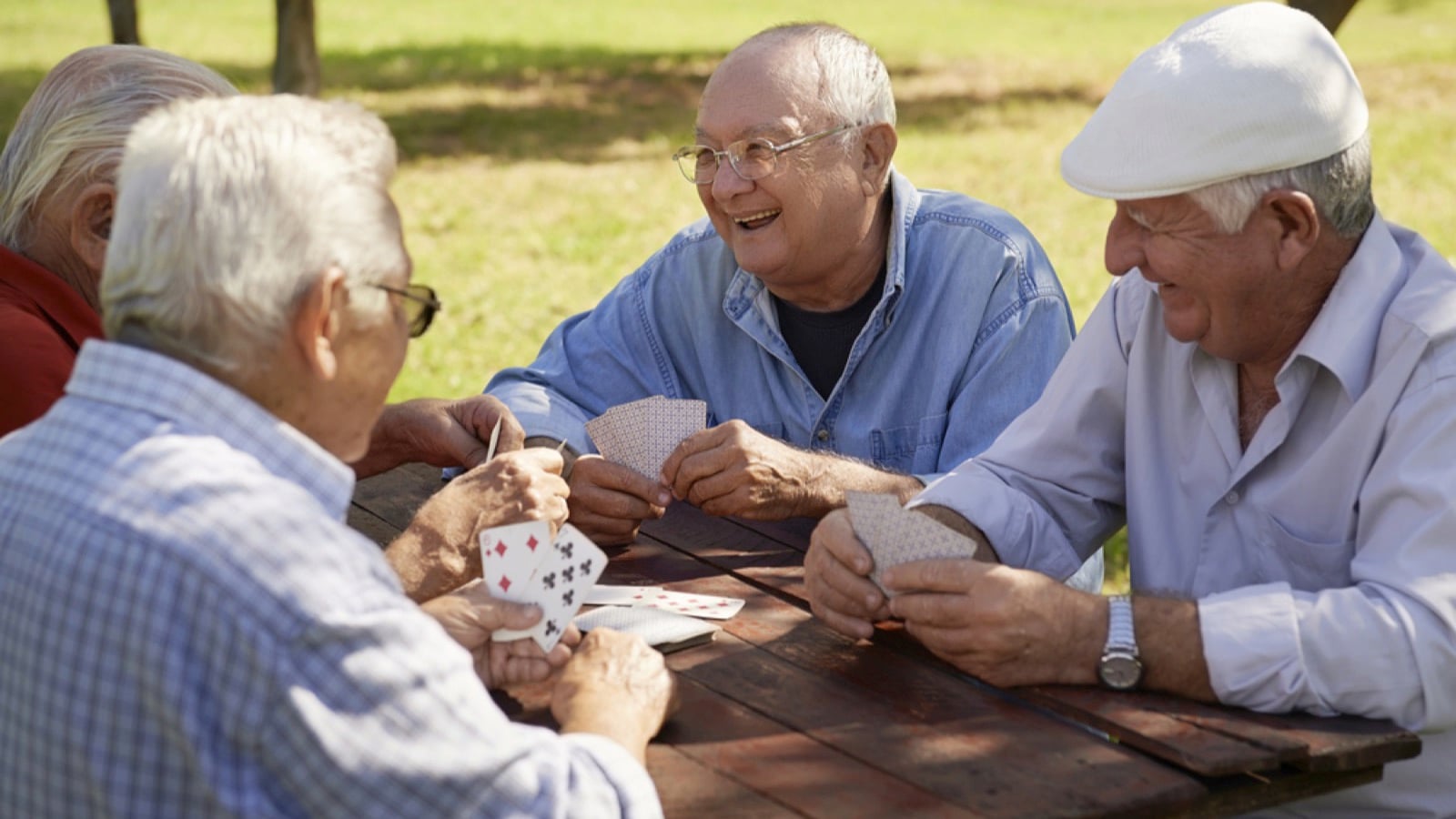
Whether you have that financial luck in your career or not, there are always reasons to be thankful, happy, and positive. Growing old and being surrounded by a strong friend network or loving family are human beings’ tried-and-tested ways of entering their twilight years with satisfaction. Furthermore, keeping a strong network of creatures in your life is a good idea. Caring for a pet is a great option if humans aren’t available.
13. Lower Your Toxin Intake

The aptly named New York Health Foundation reports that American consumers may be exposed to almost 80,000 harmful chemicals per day, including many in personal beauty, health, and children’s products. In our diet, toxins in antioxidants and preservatives can number in the dozens. Sadly, a toxin-free cosmetology regimen isn’t easy for all makeup users — so-called “clean” products cost more than their cheaper-produced mass-market rivals.
14. Fight Cancer

Many people will live exceptionally long lives in the coming centuries, but this doesn’t mean cancer will disappear. While there have been marvelous advances in cancer treatments, and while diagnosis isn’t necessarily mitigated by a healthy lifestyle (luck with cell mutations is often the reason, says the University of Utah’s “The Scope” Radio), it doesn’t hurt. Treating your body well with a protein, mineral, and superfood-rich diet is a good base camp. Moreover, healthier ingredients yield more energy, producing better physical and emotional benefits.
15. Get Educated, Get Married, Keep Busy

Idle hands are never positive in retirement, and losing one’s working routine or motivation can be highly damaging for some. A National Bureau of Economic Research (NBER) report titled “The Mortality Effects of Retirement” examined how researchers found a 2% rise in male deaths at 62 years — the age at which Social Security eligibility kicks in. Moreover, the mortality increase was higher for unmarried men and those without a high school diploma. The good news is that the effect wasn’t significant on women in the same cohort.
17 Actions to Avoid Once You’re Over 65

Are you cruising past age 65 and wondering how life should change? Well, buckle up because it’s time for a fresh perspective! Age is just a number, but some habits are better left behind as we mature. This article will walk you through 17 things you might want to stop doing after age 65. We promise it’s not all about giving things up but embracing a new chapter of your life with open arms. So, if you’re ready to make your golden years truly shine, keep reading.
- Read More: 17 Actions to Avoid Once You’re Over 65
15 Destinations American Retirees Are Living in That Are Cheap

Are you dreaming of retiring to a place where your savings stretch further, the climate is more to your liking, and new cultural experiences await at every corner? You’re not alone. Many American retirees are looking abroad for their golden years, seeking destinations where they can enjoy a rich quality of life without the high costs of living in the United States. This article explores 15 such places around the globe where the combination of affordable living, beautiful surroundings, and welcoming communities create the perfect retirement oasis.
Generational Shift: 18 Classic Cars Loved by Boomers, Snubbed by Millennials

In the world of automobiles, some cars are timeless, forever etched in the minds and hearts of those who drove them. But generational shifts in taste and values can lead to once-beloved vehicles being relegated to the shadows. Let’s revisit 18 classic cars adored by Baby Boomers but often overlooked by Millennials.