Disclosure: This post may contain affiliate links, meaning if you decide to make a purchase via my links, I may earn a commission at no additional cost to you. See my disclosure for more info.
Learning how to control impulse spending is crucial for maintaining financial stability. Everyone has a weakness for some type of impulse buy. Some are small, like buying a treat or chapstick at the checkout counter, and some are bigger, like not being able to say no to clothing or gadgets newly on sale.
We have all sorts of ways to justify or write off our purchases as not a big deal, but in reality, the costs quickly accumulate and can mean the difference between hitting or missing our financial goals each month. Practicing strategies to control impulse buying can help keep finances on track.
Before long, impulse buying can easily turn into credit card debt and a home filled with clutter we don’t really need or use. If you recognize signs you’re developing an impulse-buying habit, try using some of the methods below to regain control of your spending.
1. Diligently Track Spending

A brutal way to control your impulse shopping is to take a long, hard look at your spending. Glancing at your bank statement isn’t enough. You need to write down how much you spend and what you spend it on to see the problem truly.
For this tip to work, you have to hold yourself accountable. While you can track spending weekly or monthly, we recommend starting by doing it daily. This will force you to assess your daily behavior first.
2. Practice Not Spending

Ultimately, impulse shopping is a habit. Like all habits, it’s tough to stop, but it’s always possible to break it. Give yourself a no-spending challenge, and do not buy anything but necessities for a set time.
You can stop spending for a day or a month. Supposedly, it takes between 18 and 254 days to break any habit. So, we recommend halting your spending for at least 18 days, but the longer you go, the better it will work.
3. Wait to Make Purchases

You can implement a waiting period for purchases to mitigate the impulsive aspect of shopping. If you see a pair of shoes or a new phone case that you just have to have, wait before committing to the purchase.
A 24-hour waiting period may work, but a full week is even better. After the designated waiting period, you can return to the product and see if you still feel you need it. Chances are, it won’t be as appealing or enticing as before.
4. Institute Punishments and Rewards

Some people need a punishment and reward system to control impulse shopping. If you accidentally impulse shop, you could punish yourself by doing something you hate, like cleaning the toilet.
If you think a reward system would be better, reward walking away from an impulse purchase by making a fancy dinner. However, it’s important that your rewards and punishments are not directly associated with your impulse buying, so don’t reward your restraint with a different impulse purchase.
5. Institute a One-In-One-Out Rule

We know this may sound like a punishment to some people, but it’s not meant to be. The one-in-one-out rule means you must throw something away every time you buy something new.
It doesn’t have to be the same item, but it should be of equal size or value. If you buy a new sweater, get rid of your old sneakers. If you buy a new cast iron pan, get rid of the pillowcases you never use. This will help you be more thoughtful about purchases and avoid clutter!
6. Don’t Shop to Feel Better

Do not go to the mall if you have a bad day or feel down. Do not open the Amazon app, go to the Forever 21 site, or drive past Cabela’s. Yes, buying something new and shiny can make you feel better for a moment, but it’s not sustainable.
Find new outlets for your emotions. We suggest finding a show or movie that matches your mood, baking or cooking something that will uplift your spirits, or channeling your feelings into something creative!
7. Don’t Shop Emotionally

Sad impulse shopping is common, but many don’t realize that happy shopping can be just as dangerous. If you had a great day, you might want to celebrate by buying a new hat, but resist that urge.
The problem with impulse shopping, or any bad habit or addiction, is it becomes intertwined with your positive emotions. When you feel happy, it makes you think of how happy shopping makes you. Break the connection between happiness and shopping by avoiding emotional shopping altogether.
8. Don’t Shop When Bored

Boredom might not necessarily be a strong emotion, but it’s a strong force in impulse shopping. Find something else to entertain you rather than buying a new coffee mug.
The obvious options are things like TV, movies, or reading. However, an excellent way to avoid shopping is to replace it with a healthy hobby, like yoga, painting, or knitting. Ideally, the hobby should become more enjoyable than shopping ever was.
9. Only Pay With Cash
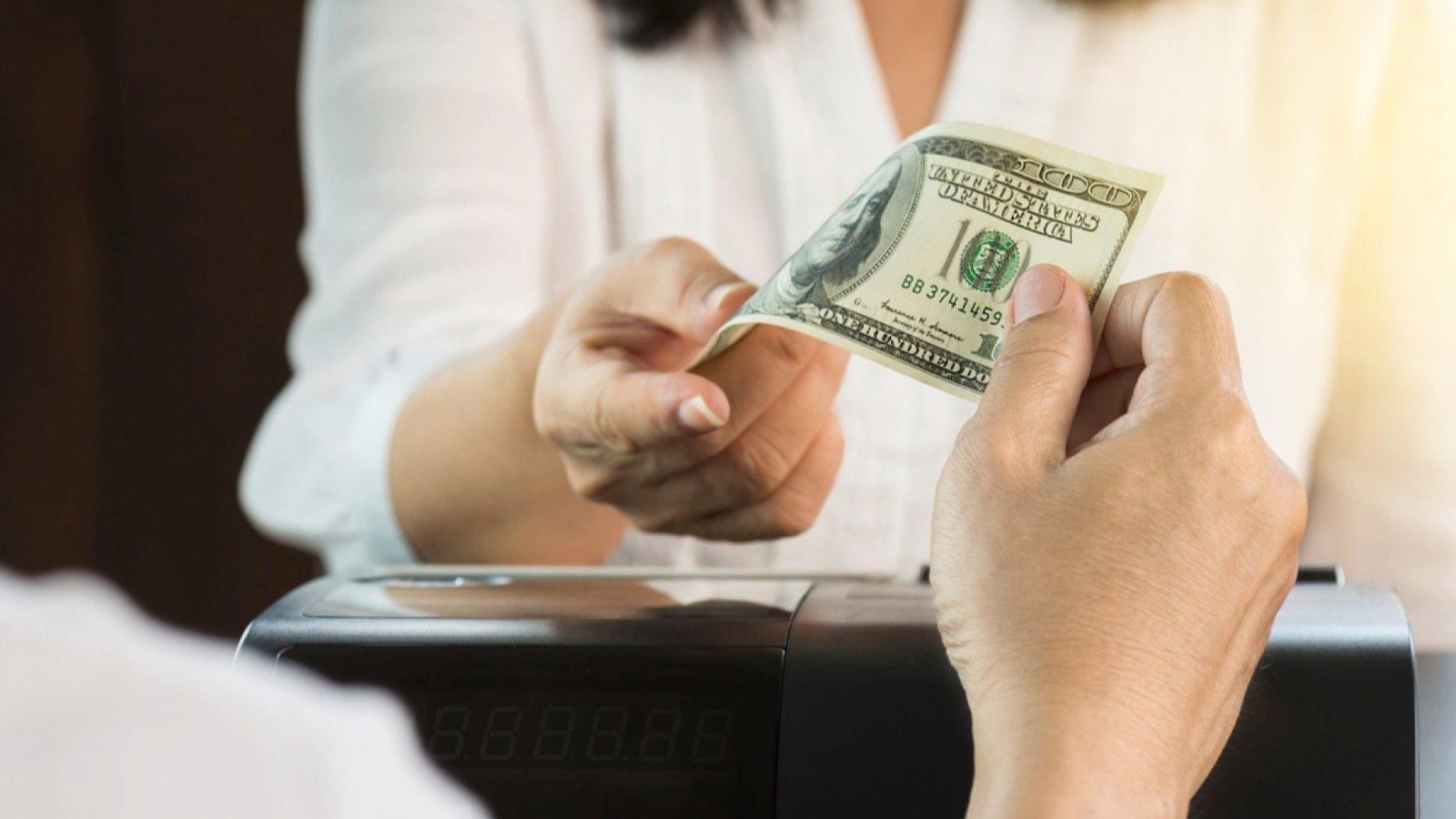
If credit cards are part of your weakness, leave them at home. Once a day or week, go to an ATM and pull out only enough cash to get you by. It’s tempting to use credit cards because they often offer rewards, but it’s a slippery slope that ends with impulse buying.
Using cash forces you to see the money leave your possession in real-time, making it more impactful than swiping a card. If handing cash over affects you more than swiping your card, only using cash can break your bad shopping habits.
10. Do Not Give out Your Email

When you do buy something, do not give the company your email. They never need your email for in-person shopping, so politely decline. However, they may require online shopping.
You can set up a dummy email if that makes you more comfortable. We recommend staying signed out of that email on your devices and only using it if you need to track a package.
11. Unsubscribe From Store Emails

While you can stop giving out your email, you probably already have an inbox full of enticing retail offers. Take 30 minutes to an hour to scroll through your email and unsubscribe from every store email.
Do not simply mark them as spam or delete them. If you don’t unsubscribe, the emails will never stop. A better solution to stop these emails’ temptations is to block the store email addresses completely.
12. Stick to Shopping Lists
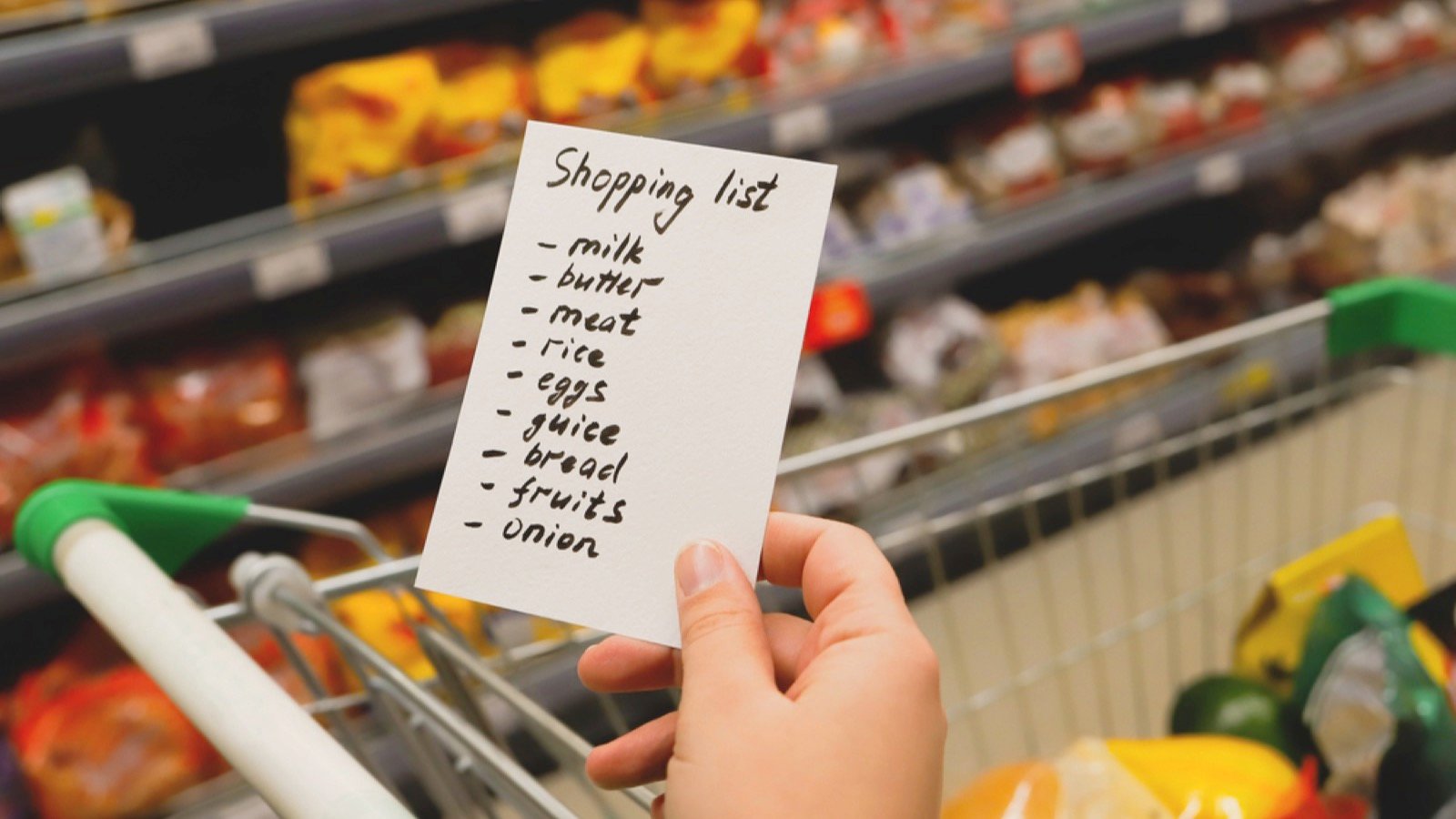
This tip is excellent for those who impulse buy when shopping for necessities. When going to the grocery or similar store, bring a clear and short shopping list. Do not deviate from it.
If you need constant reminders, write them all over the list. You can be dramatic and write things like “DO NOT DEVIATE FROM THE LIST” or “NO IMPULSE BUYING” on the paper’s top and bottom or between list items. It may seem silly, but it can keep you on track.
13. Stick to Your Budget

We know you’ve probably heard this one a million times, but it bears repeating: If you have to go shopping, set a strict and reasonable budget. This is where willpower comes into play.
If you don’t think you can use willpower to adhere to your budget, only bring enough money to fit the budget. You can do this by carrying a limited amount of cash or setting a temporary limit on your credit card. The trick is ideal for those who tend to overspend on pricey versions of items.
14. Purchase With Purpose

You can hold yourself accountable when you shop by demanding a reason for every single purchase. This tip also involves some reflection and self-awareness.
Before buying something, ask yourself the following questions: Why do you want to buy this? Do you need this item? What is its purpose?
If your answers are flimsy and emotion-based, it’s best to put the product down and walk away.
15. Avoid Shopping Triggers

One of the easiest ways to fall into an impulse buy is to give into temptation. However, avoiding impulse shopping is easier if you avoid temptation at all costs.
This means you should avoid going near retail stores, shopping malls, department stores, and any other place where you’re likely to impulse shop. Shopping triggers are personal, so you may be fine at Nordstrom but unable to control yourself at Home Depot. Identify your triggers and avoid them.