

Disclosure: This post may contain affiliate links, meaning if you decide to make a purchase via my links, I may earn a commission at no additional cost to you. See my disclosure for more info.
Vintage Money Saving techniques may seem old-fashioned in today’s world, but they still hold valuable lessons. The way we spend our money has completely changed in recent years. Online payments, contactless cards, and the blockchain are just three elements that have altered the face of finance.
Despite those dramatic changes, many of the vintage money-saving tips from the past are still relevant today. Staying within a budget requires discipline and particular approaches to saving that have remained the same throughout time.
These suggestions are classic and may seem old-fashioned. However, they look at different areas of finance, and each can save you money.
1. Walk, Don’t Drive

Is your car journey essential, or is your destination within walking distance? Monthly fuel bills fluctuate and can affect your budget, so walking makes sense when possible. Firing up that engine for a shorter trip costs more on average than longer drives.
If walking isn’t your thing, maybe invest in a secondhand bicycle to address those fuel costs.
2. Hang Washing on the Line

Tumble dryers are relatively new inventions, but households have used artificial heating to dry clothes for many years. When summer arrives, and the weather is hot, dry your clothing on the clothesline.
The spring months can also offer ideal drying weather. If it’s not raining and there’s a breeze, hang your clothes on the line and save on unnecessary utility bills.
3. Use Your Local Library

Online delivery has helped to drive our book consumption. If we find something we want to read, a couple of clicks means it can be delivered the next day.
Spending money on books adds up, but most can be borrowed from libraries at no cost. Head to your local library to check them out. You might even find suggestions for titles you wouldn’t have otherwise considered.
4. Barter

The bartering system dates back centuries, and it’s making a comeback. Swapping goods is a way to keep bills down, but the practice also extends to service providers.
If, for example, you have a neighbor who can fix your leaky faucet, is there something you can do in return, such as mow their lawn? A creative approach to tackling that sort of regular household problem saves money on both sides.
5. Repair, Don’t Replace

Darning and sewing are rapidly going out of fashion, but knowing these skills can save you a fortune in unnecessary purchases. With a little knowledge, you can do minor repairs at home, such as darning holes in socks, mending loose seams on jackets, sewing on a button, and more.
Look for instructions online or watch a YouTube video. You’ll soon become proficient with clothing repairs, and your services might be a good fit for the neighborhood barter system.
Read More: Frugal Tips Gone Wrong: 16 Money Saving Tactics to Avoid
6. Grow Your Own Produce
Many fruits and vegetables are simple to grow at home. Even if your outdoor space is limited, there should be room for a few plants. A sunny balcony is ideal for growing tomatoes, chiles, and other produce.
Growers even harvest seeds from store-bought produce, which provides extra savings compared to purchasing seed packets from garden centers.
7. Buy What You Need

Going to the store unprepared could lead to a spending disaster. Promotions can tempt you to buy things you think you might need but aren’t sure about.
Always make a list before you leave home, consider your meals for the week ahead, and only buy what you need. This old tip has stayed relevant in modern times.
8. Use up Leftovers

Growing up in the 1970s, we used our leftovers throughout the week. The meals weren’t memorable, but with more inventive recipes, you can easily make something that tastes delicious.
Soups and stews are perfect for leftover vegetables. Meatloaf can be repurposed for sandwiches, and leftover chicken can go into a chicken salad. Don’t forget to compost the peelings.
9. Retro Ways to Save Water

Turning off the faucet when brushing your teeth can save several dollars a month on your water bill, and that money adds up. It’s an easy habit, so try it next time.
Out in the yard, collect rainwater throughout the year. Those fruits and vegetables you’re growing at home prefer it, and you’ll have healthier plants while saving extra cash.
10. Use Natural Cleaning Products
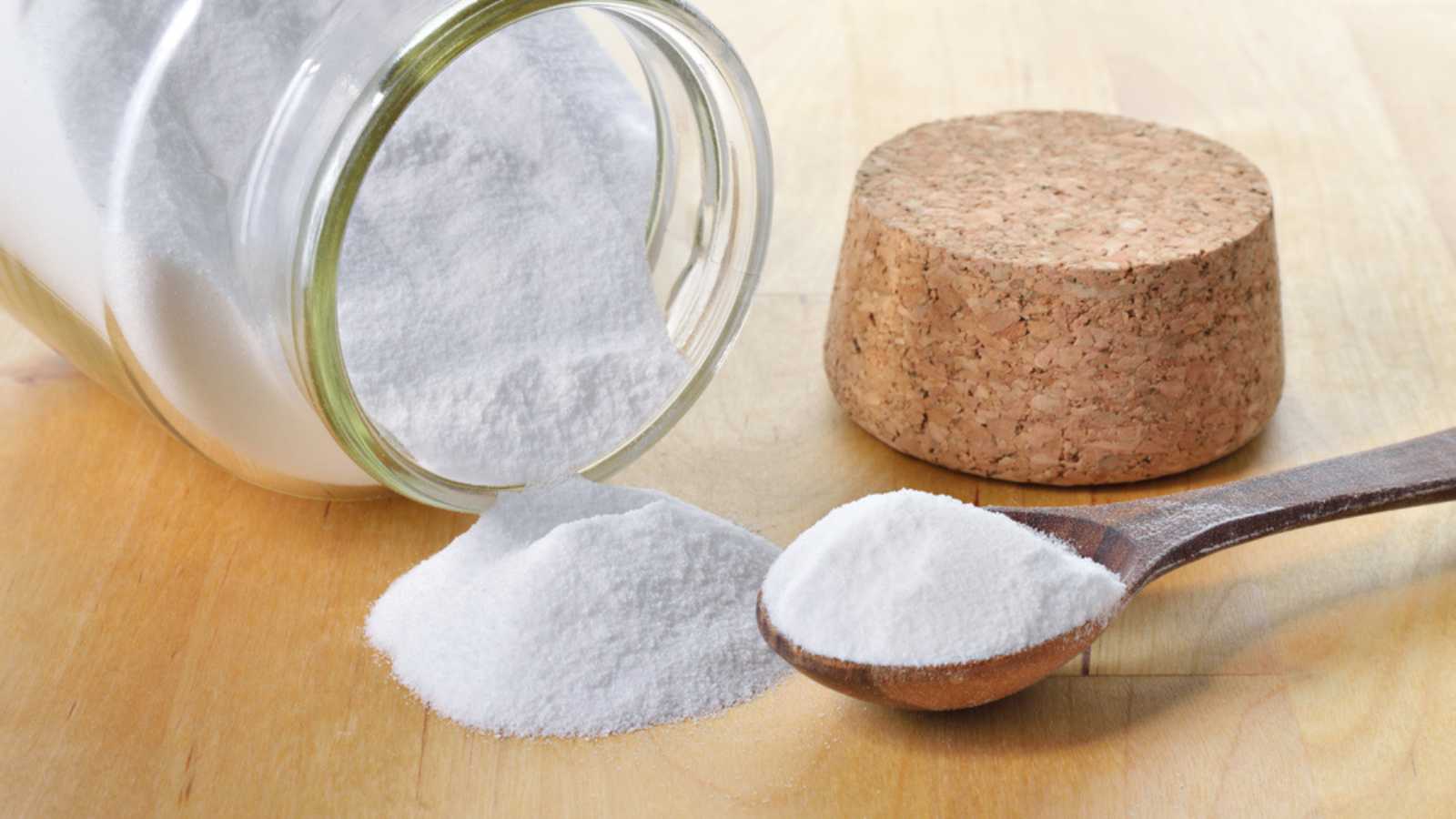
Surface cleaners are another regular household product that families replaced in years past. Baking soda and lemon juice are among regular cupboard staples that can combine to make a natural cleaner.
White vinegar diluted in water also works well on surfaces and windows. Most of us have these items lying around, so why not try these vintage cleaning techniques?
11. Learn to Preserve Food

Many money-saving tips involve food. Food is a daily essential, and our parents and grandparents focused on it for decades. Preserving is becoming a lost art, which is a shame because so many products taste delicious as pickles or jams.
Preserving may involve some trial and error, but invest in a good food preservation guide and keep at it. The results will be rewarding. It’s also a perfect way to use up the bonus harvest from your garden.
12. Stick to Cash
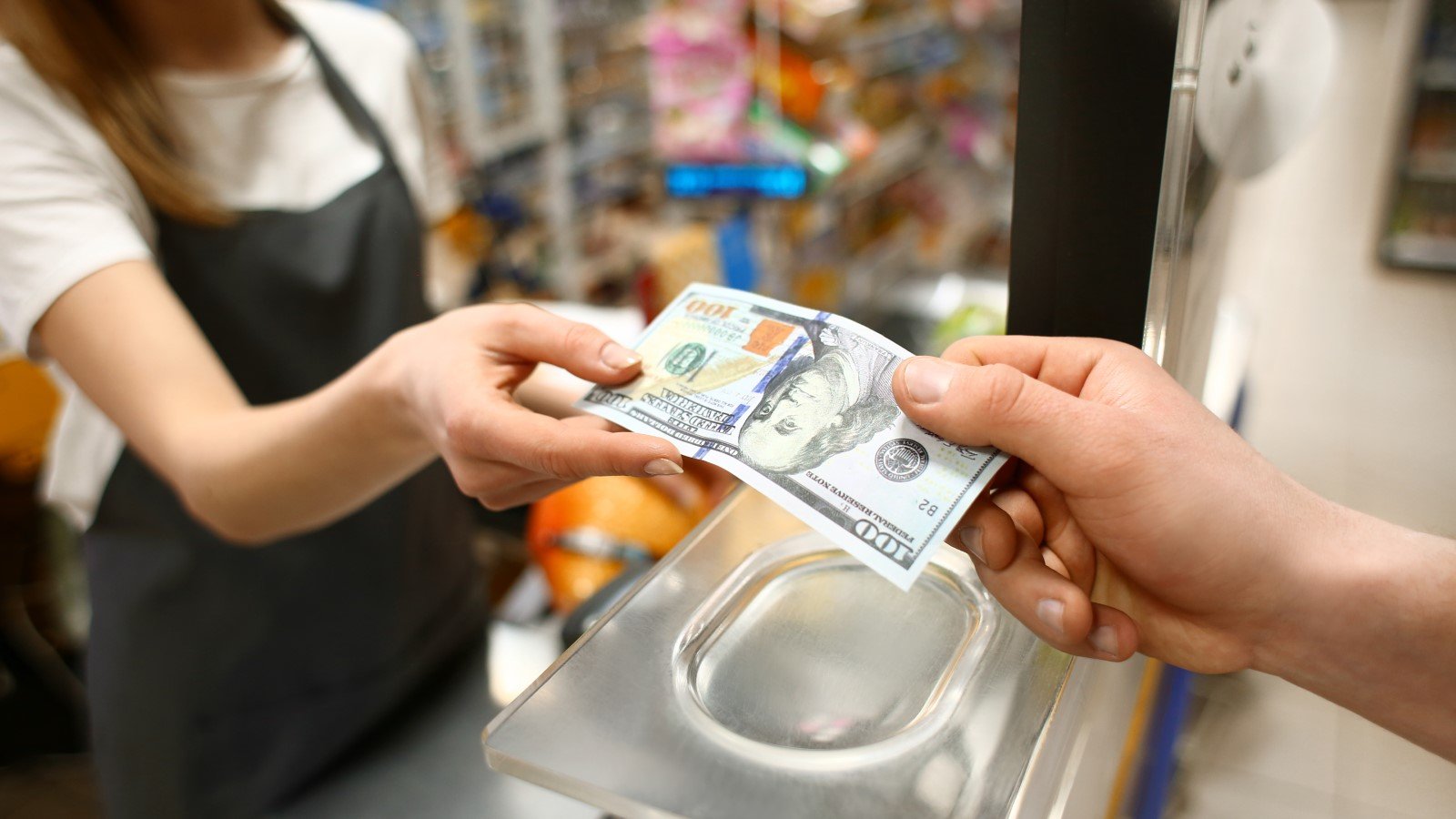
Paying with cash is a piece of advice passed down through the generations. It’s easier to pay by card and overspend, so the theory is to leave the plastic at home. We are fast becoming a cashless society, and some locations, such as sports arenas, will only accept payment by card.
In the modern day, we can still apply this tip by tweaking it a little. Pay with cash where possible, bring your debit card for emergencies, and leave your credit card behind. You can then place the nickels and dimes you receive as the change in your savings jar.
13. Turn out the Lights
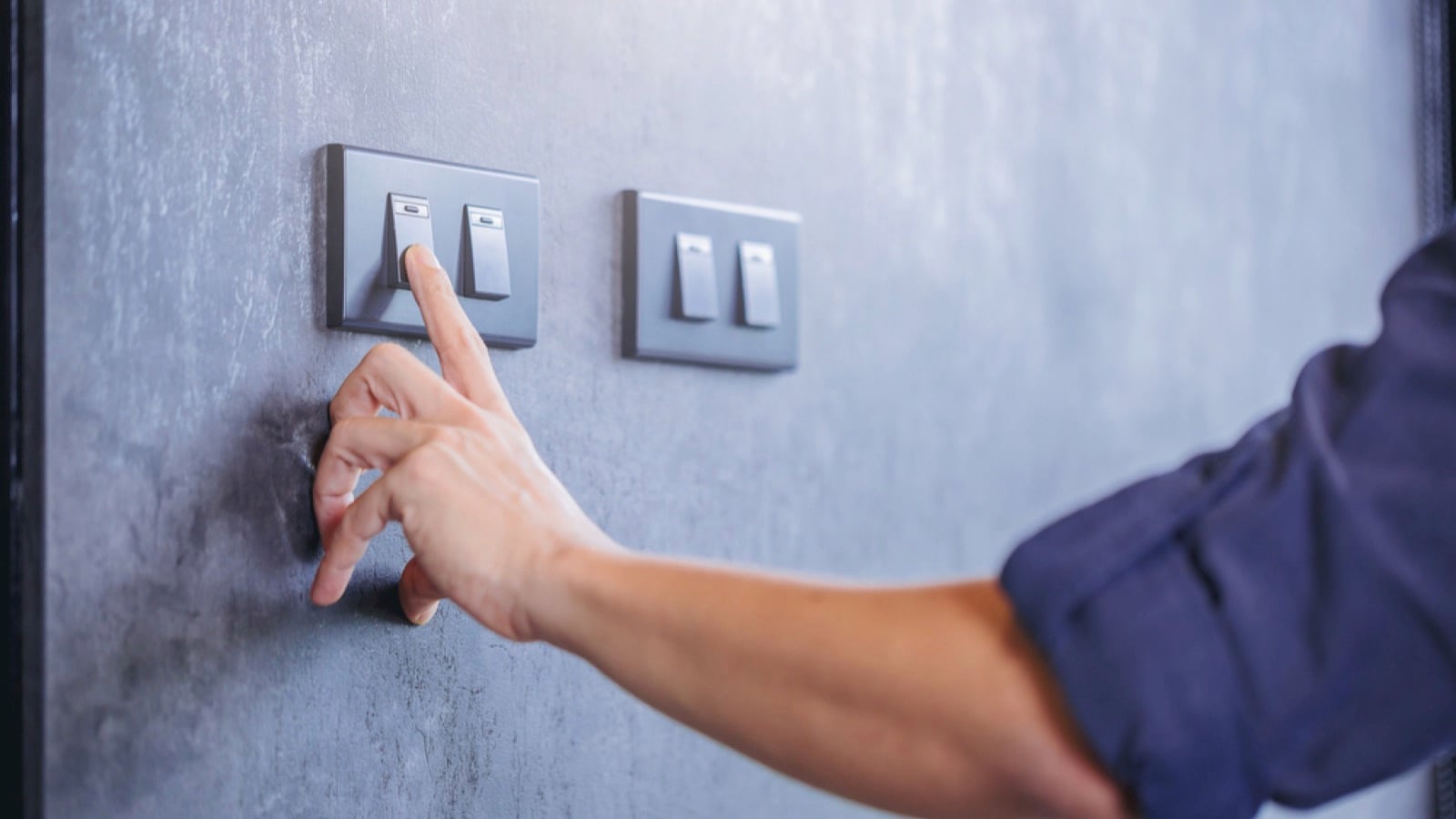
When you leave the room, turn out the lights. Once again, this is an essential tip that can save several dollars on monthly utility bills, but many of us forget. Leave a post-it note on your doors to serve as a reminder.
Habits form in about two months on average, so it won’t take long before you can ignore those reminders since switching off the lights will be automatic.
14. Enjoy the Benefits of Heavy Curtains

Heavy curtains can be your friends all year round. In the winter, you can leave them closed to retain warmth in the home. In the hotter months of the year, throw the curtains open to let natural sunlight in. If the weather is very hot, keep them closed to keep your house cooler and save on air-conditioning costs.
If your curtains aren’t functional, look for a secondhand pair or use your new crafting skills to make some from scratch.
15. Sell Your Surplus

Our parents and grandparents used jumble and yard sales to earn extra cash on their surplus items. Today, we can apply those principles, and selling things face-to-face is still possible.
However, online auction and sales sites have made the process much easier, so there’s no excuse not to try to sell items you no longer need.
16. Pack a Picnic

When I was a kid and went somewhere with my family, we often packed picnics to avoid paying higher prices in retail outlets. The same advice is still relevant.
Diners and service stations charge more on the main highways because they know they have a captive audience. Pack your own sandwiches, keep them cool, and you can save a small fortune.
17. Make Your Own Gifts

Homemade gifts were more commonplace in our parents’ time, but it’s starting to come back. The average budget is tighter, so more people are adopting this retro money-saving tip.
Now that you have learned new skills via our earlier suggestions, you can make preserves, clothes, book covers, or any item you like with some skill and imagination. Homemade gifts are more thoughtful and memorable, so give it a try.


