
Disclosure: This post may contain affiliate links, meaning if you decide to make a purchase via my links, I may earn a commission at no additional cost to you. See my disclosure for more info.
I kept getting burnt out on clipping coupons, so I started looking for simple alternatives. Everyone has to eat, but no one really wants to make an ordeal out of it. I can’t think of anyone who doesn’t want to save money while eating well. But who has time to lug around a binder of coupons, sort through circulars, or scour the internet every week?
In searching for an easier way to save money on groceries, I turned to the best place to crowd-source the best ideas. After sorting through the mediocre and bizarre, here are the fifteen tips I’ve kept from expert shopper recommendations.
Next time you are ready to stock your kitchen, consider these savvy tips to avoid mistakes that equate to throwing your money down the drain.
Ways to Cut Your Grocery Bill
1. Choose the Right Store

Different grocery stores offer different prices in specific departments. While some people like to shop at other stores for various items, that could cost more money due to travel.
It’s more practical to find one store, average the best prices, and stick to that one store. This will help you rack up rewards and keep you from traveling around town trying to save a few bucks.
2. Stock up During Sales

Take advantage of sales. If you find an amazing deal on a non-perishable item — paper goods, canned goods, proteins, or dry goods — you can save a lot of money on these sales.
A bulk inventory of dried rice, pasta, and frozen meat can equal months’ worth of meals you bought at an extreme bargain.
3. Find Alternatives to Pricey Items

Pay attention to your grocery store purchases. Look for patterns on the most costly items. Then, consider secondary options for those items. For instance, if beef is expensive this month, try switching to ground turkey or chicken. Look for produce in season and see if the store is trying to offload it.
Any ingredient that can be swapped out for a cheaper option is an excellent idea. You might discover a new and delicious meal to add to your home menu.
4. Skip Prepared Foods
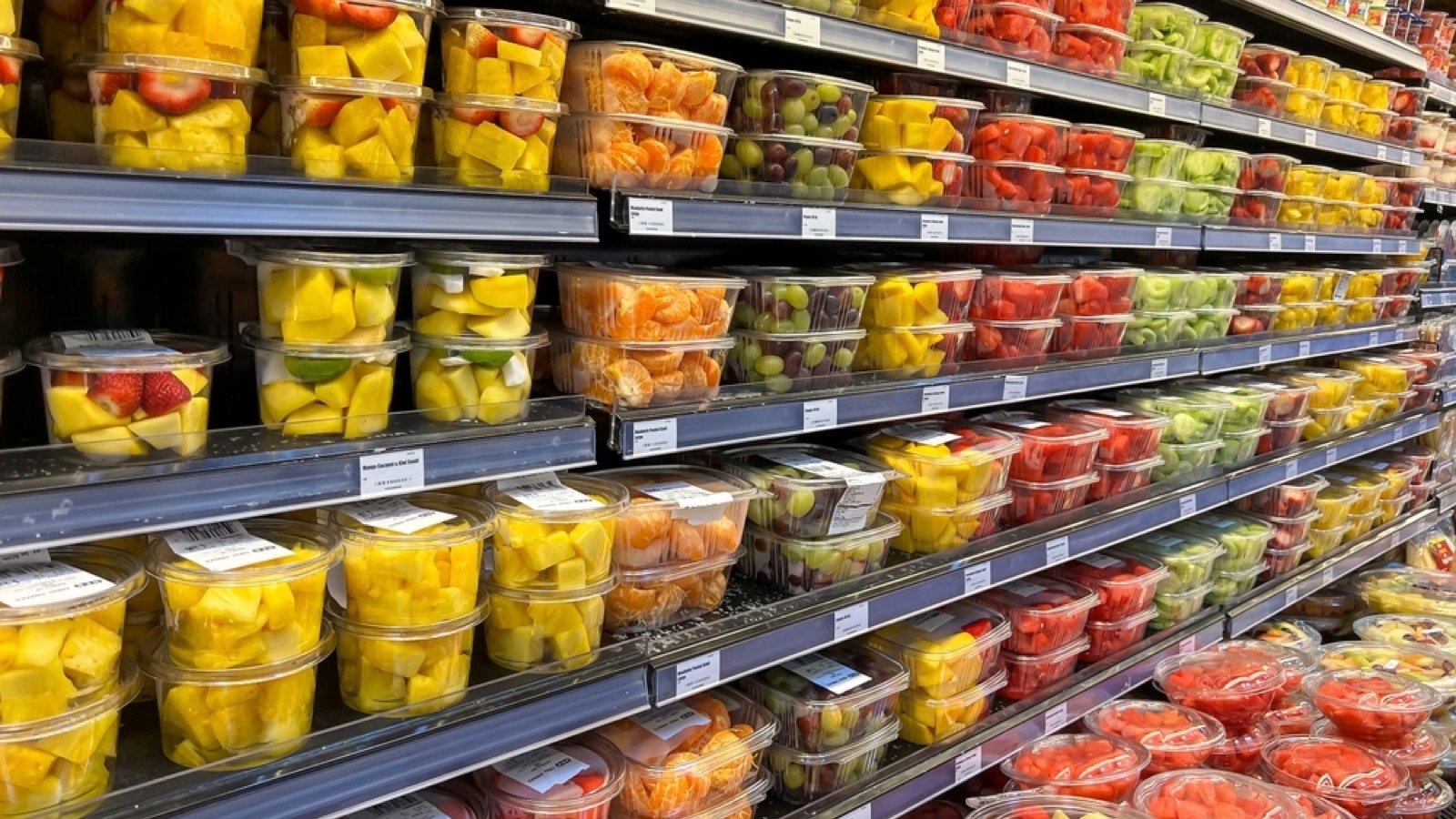
One of the tricks that supermarkets like to use to fool customers is their prepared food. This can be pre-cooked items like salad bars or hot food to go, packages, or pre-chopped vegetables.
For example, a recent survey of a large grocery chain showed a package of store-chopped green pepper for $6.99. Not even a few feet away was a 2-pound bag of whole green peppers for $4.99 or a single green pepper for 99 cents. People paid $2 more for less volume just because it was chopped.
5. Check Unit Prices

Some consumers believe larger items automatically cost less because stores sell them at a discount. Others prefer buying small quantities because it keeps their weekly bill lower. But what is really the best deal?
Well, that comes down to the unit price. Unit prices mean the cost of a product by the ounce or pound. Look at the pricing label and do some quick math. Is it cheaper to buy soda by the case or by a 12-pack? That is the true test of the actual price of a product.
6. Avoid Eye Level Products

A clever marketing trick that department stores use to trick customers into buying more expensive products is putting them at eye level on the shelves. Next time you browse options, look down towards your ankles and above your shoulders.
Odds are similar products, frequently off-brands, are a couple of bucks cheaper than eye-level products. Choose these items instead, and see if you can tell the difference between the name brands and the generics.
7. Take Advantage of Holiday Sales

Different holidays have different food items that are usually featured on sale. Fourth of July sales might include exceptional deals on condiments, sodas, hamburger patties, hot dogs, and paper goods. How many of those products can you stock up in your cupboard or freezer?
This can also be used for Thanksgiving, Christmas, Halloween, and Easter items. Buying candy after October 31 can leave you with months of sweet treats.
8. Take Advantage of Membership Stores

Membership stores like Costco, BJ’s, and Sam’s Club are great for saving money on big-box items. They can be a perfect way to stock your freezer with meat and fill your bathroom closet with soaps, shampoos, toothpaste, toothbrushes, and many other products without an expiration date.
Once again, be sure to look at unit prices to see if the deal you think you are getting is really a good deal. If it is, buy as much as you’d like. You’re only saving money on re-buying that item in the future.
9. Avoid Impulse Purchases

Impulse purchases are smaller items located around store checkouts and entrances designed to trick you into buying products you don’t need. For example, a single candy bar could cost $2, while a box in the candy aisle costs only $5.
These stores also tend to display items that are in season. For instance, they could have an outdoor grill and cooler, making a perfect summer combo. Skip this “sale” and buy those items in the winter when they could be sold for half the price.
10. Avoid the Seasonal Aisle

Seasonal aisles can include Christmas items, back-to-school supplies, and summer items. Don’t waste your time walking down this aisle. All the items sold here are more expensive than usual because they are in high demand.
Instead, buy these items after the holidays and save them for next year. Stop spending money on wrapping paper that hardly anyone notices. That leaves more money for gifts for the kids.
11. Choose Frozen Produce Over Fresh Produce

There is a misconception about frozen fruits and vegetables. Many people will try to convince you that frozen versions lack the same nutrients as their fresh counterparts, but that’s not true. Frozen produce is picked at peak ripeness, which makes for prime nutritional values.
Not only are these equally healthy, but they are also cheaper. You can store them in the freezer for as long as you like to ensure you always have vegetables on hand for family dinners.
12. Use Shopping Apps

Many grocery stores have adopted loyalty programs and offer exclusive deals to their customers who are signed up. Some of these apps even learn your purchasing habits and give discounts on your most popular items. Others offer weekly deals that only their app users can see.
The apps are free and designed to keep as much money in your wallet as possible. Why not download the app and see if it works for you?
13. Stick to a Shopping List
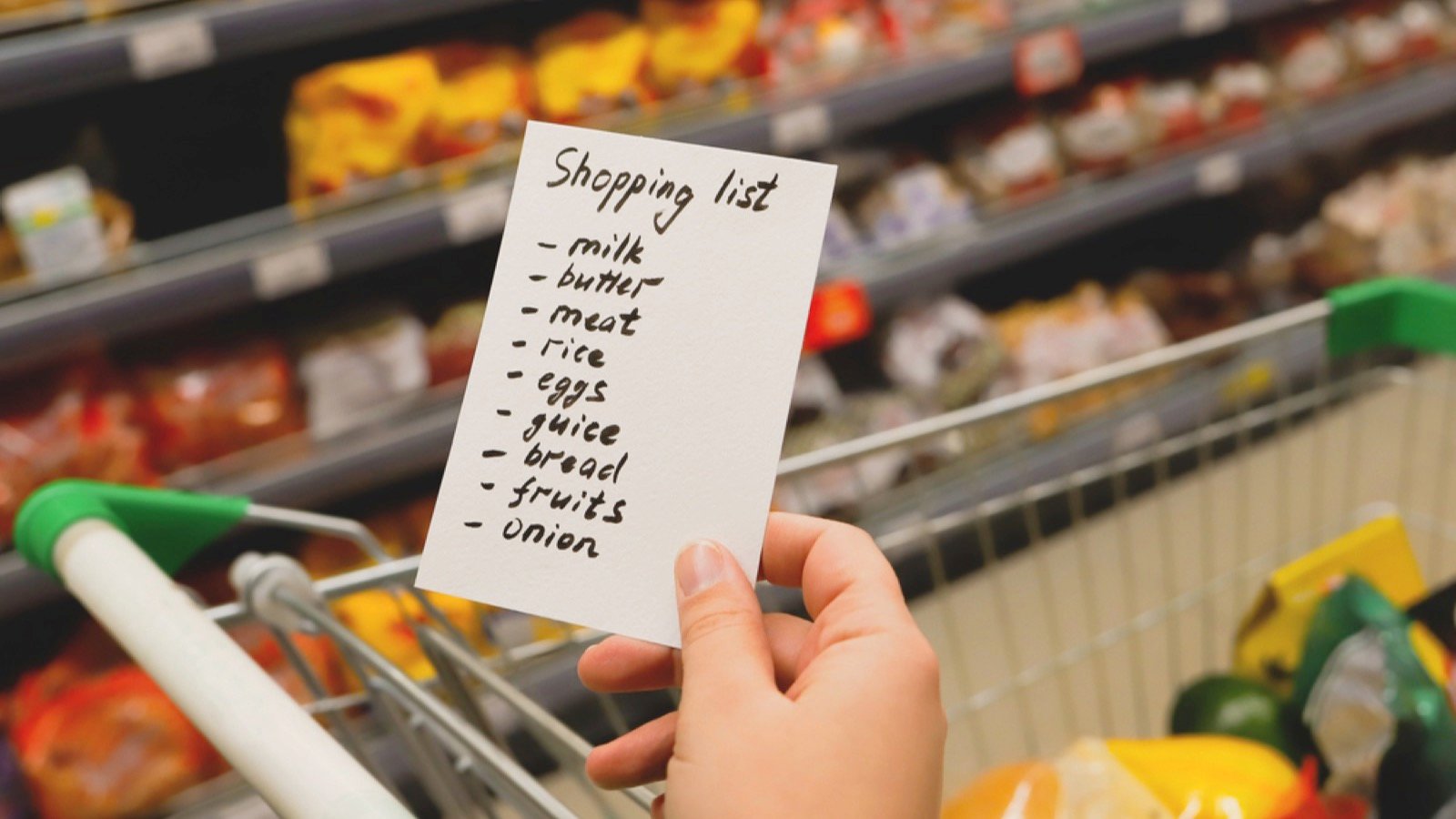
Studies have shown that shoppers with a list tend to avoid impulse purchases. Making a list of all the products you need for the week and setting a budget can help you fight the urge for excess items.
If you don’t trust yourself, bring enough cash to purchase only what is on your list. Or, opt for free curbside order pick up. It’s much easier to ignore temptation from your at-home computer than staring down sweats in the junk food aisle.
14. Leave the Kids at Home

I’m sure most parents agree with this advice. Shopping with young children is not only stressful, but it can also make you spend extra money.
Kids will try to convince you to buy items not on your list. Whether it’s a brand of cereal, a bag of candy, a toy, or whatever else catches their eye, they will do their best to try to convince you to buy it. If you see a temper tantrum on the horizon, you might cave to the whining.
15. Utilize Dollar Stores

Ever since I became the primary shopper in my household, I have come to appreciate discount stores like The Dollar Tree. Their deals on everyday items like paper towels, hand soap, sponges, and cleaning supplies are unmatched. It is the ideal stop when you run out of items and need a small amount before your next Costco trip.
Personally, I buy most of my home office supplies, basic seasonings, and food storage containers, such as sandwich bags and cheap plastic storage containers, at the dollar store.
18 Ways to Save Without Sacrificing Life and Happiness

Do you want a new perspective on saving money? If you think this is another article telling you to skip your morning coffee or give up dining out, then let us tell you—it’s not! This blog post discusses 18 innovative and painless ways to save cash without sacrificing the things that make you happy. We believe that a good life isn’t about cutting back on everything you love but about making smarter decisions with what you have. So, if you’re ready to start saving without compromising your lifestyle or happiness, dive right in!
18 Life Lessons Many Wish They’d Learned Earlier in Life

As Gen X journey through the ever-changing landscapes of work, relationships, and personal growth, they’ve gained insights they wish to impart to their younger selves. These life lessons are not only reflective of their generation but also universally relevant. Let’s delve into 18 profound lessons that Gen Xers hope to share with the next generation.