
Disclosure: This post may contain affiliate links, meaning if you decide to make a purchase via my links, I may earn a commission at no additional cost to you. See my disclosure for more info.
Getting the best value on any item usually depends on getting a good price when you buy. But to maximize the value of any item, you must take special care to ensure the quality doesn’t deteriorate too rapidly over time. This is especially true when it comes to getting the highest resale price for your car.
Though there are a few things you can do right away to boost your car’s resale value, the true return on investment comes from long-term planning. If you’re thinking of buying a new car or reselling your current vehicle, here are a few things to keep in mind to stretch your budget a little further.
1. Know Your Cars Market Value
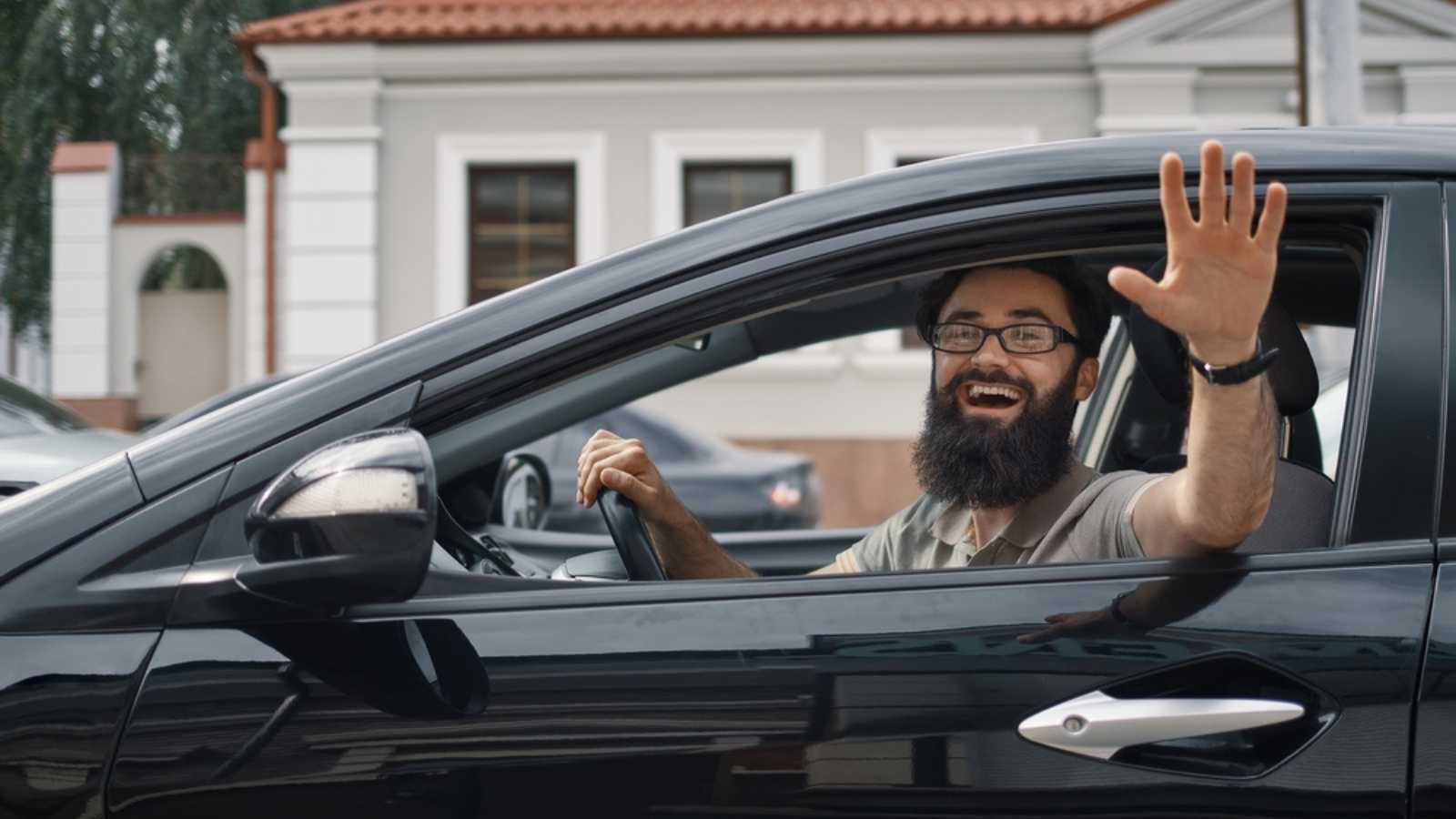
Have you ever walked into a store, seen something overpriced, and thought, “Who’d buy that?” That’s exactly how potential buyers will feel if you don’t know your car’s market value – you might love your old ride, but nostalgia doesn’t increase its worth.
Do some research online, check out what similar models are going for, and be realistic about the condition of your car.
Remember, setting a fair price isn’t just about making a quick sale; it’s also about ensuring you’re not shortchanging yourself. So, do your homework and set a price that’s just right.
2. Keep It Clean

Picture this – you’re browsing for a used car and find two identical models, the same price, and the same mileage. But one looks like it’s been through a mud wrestling match, while the other shines like a diamond.
Which would you choose? Most people would go for the clean one, right? That’s why giving your car a good scrub before showing it to potential buyers is so important. And we’re not just talking about the exterior here.
A clean interior shows you’ve taken care of your vehicle. So grab that vacuum, polish, and some cleaning rags, and make your car sparkle – it could make all the difference!
3. Stick to the Regular Maintenance Schedule

Imagine buying a car that seems perfect – you’re excited and ready to hit the road, but then… clunk! Something’s not right – that’s not a feeling you want to give your buyers.
Ignoring needed repairs might seem like a way to save money, but it can cost you in the long run. Buyers are savvy – they’ll either spot those issues and walk away or use them to negotiate a lower price.
So, tackle those repairs head-on – it might be a pain, but it’s better than seeing potential buyers make a U-turn!
4. Ask for a Reasonable Price

We all want to get the best bang for our buck, but setting your car’s price too high can be like setting up a ‘No Buyers Allowed’ sign. Sure, it’s natural to want to squeeze every penny out of your old ride, but buyers are also looking for a fair deal.
They’re likely comparing prices online and shopping around. If your car’s price tag makes their eyes pop, they’ll move on faster than you can say “negotiable.”
So, don’t let your love for your car cloud your judgment. Price it right, and watch the buyers line up!
5. Keep Your Paperwork in Order

Think about it: you’re at the checkout with a cart full of groceries but can’t find your wallet. Frustrating, isn’t it? That’s how a buyer feels when you don’t have all the car’s paperwork ready.
The vehicle’s history, service records, and title aren’t just formalities. They prove that you’ve taken good care of your car and it’s worth their investment. So, don’t make buyers play detective – have all the paperwork ready.
It’ll make the sale process smoother and leave buyers confident about their purchase.
6. Give an Accurate Description

So imagine – you order a delicious-looking pizza from a new place, but when it arrives, it’s cold and soggy. Disappointing, right? That’s how a buyer feels when a car’s condition is misrepresented.
If you say your car is in “excellent” shape, but it’s more “fair” than “fantastic,” you’re setting up for a letdown.
Trust us; no one likes surprises in the used car market. Be honest about the car’s condition. It’ll help build trust with potential buyers and smooth the selling process. After all, honesty is the best policy, especially when selling a car!
7. Invest in Quality Photos

Have you ever picked a book with a faded cover? Not very enticing, is it? The same principle applies when selling your car. Quality photos are the “cover” of your vehicle’s “story.”
They give potential buyers a visual introduction, showcasing the car’s features and overall condition. If your photos are unclear, poorly lit, or unflattering, buyers might not even bother to read the “story’,” let alone buy it!
So, put some effort into capturing good photos – it’s like adding a glossy, appealing cover to your car’s “book.”
8. Advertise Effectively

The better you advertise, the higher your chances are of finding a buyer.
Don’t rely on one platform or method—try multiple avenues to reach a wider audience. Use social media, online marketplaces, and local classifieds to spread the word.
Write a compelling ad highlighting all your car’s great features and entice buyers to look closer. Use high-quality pictures, including all relevant details like mileage, maintenance records, and additional perks.
9. Be Available for Viewings

Imagine planning a dinner date, but your partner constantly reschedules. Frustrating, isn’t it? This is how potential buyers feel when you’re not available for viewings. Selling a car isn’t just about listing it online – it’s about being there to show it off in person.
If you’re always “too busy,” buyers might think you’re not serious about selling or, worse, you have something to hide.
So, clear some time in your schedule for viewings. It shows that you’re committed and can make the process more efficient and enjoyable for everyone involved.
10. Be Patient for the Perfect Offer

There is always a chance that you will find a better deal if you wait a little longer. Don’t jump at the first offer that comes your way, especially if it’s well below your asking price.
Take some time to consider all offers and negotiate with potential buyers. You may be surprised at how much more you can get for your car by being patient and strategic.
But don’t ignore the possibility of a fair offer from a serious buyer, whether they are the first one or not.
Be open to negotiations and willing to compromise, but don’t sell yourself short, either. Remember the value of your car and stick to a price you feel comfortable with.
11. Get a Few Quotes

As we mentioned earlier about researching the market value of your car, it’s essential to get multiple quotes from different dealers before making a decision.
Dealers are in business to make a profit, so don’t be surprised if they offer you less than your car is worth. Getting multiple quotes can help you compare and negotiate for a better deal.
If possible, try selling to a private buyer before turning to dealers. This will give you a better idea of the actual value of your car and allow you to negotiate with dealers more effectively.
12. Check the Buyer’s Credentials

Each buyer is different, and verifying their credentials is important before finalizing the sale. Ensure they have a valid driver’s license, insurance, and registration for the vehicle.
You can also ask for references from previous car purchases or sales they’ve made. This will give you peace of mind that your car is going into responsible hands.
The last thing you want is to get involved in any legal issues or liability claims down the road because you didn’t properly vet the buyer. Take the time to do your due diligence and protect yourself from potential headaches.
13. Remove Personal Items From the Car

It’s easy to forget about personal items that may be left behind in your car, especially if you’ve owned it for a long time. Before handing over the keys to the new owner, thoroughly check and remove any personal belongings.
This includes sunglasses, phone chargers, CDs, and anything else that may have accumulated over the years.
This will save you from losing valuable items and prevent the new owner from potentially finding sensitive information about you.
14. Get a Vehicle History Report

Imagine you’re buying a used car, but the seller can’t provide any records. Suspicious, right? A vehicle history report is like a car’s resume. It lays out everything a potential buyer needs to know – past owners, accidents, repairs, and more.
Skipping this step might save you some time, but it could raise red flags for buyers. If you have nothing to hide, why not show off your car’s clean record?
Providing a detailed history report can build trust with buyers and speed up the selling process. So, please don’t skip it!
15. Research Laws and Regulations

Each state has its laws and regulations for selling a car. It’s important to understand these before listing your car for sale. Things like disclosure requirements, transfer of ownership, and lemon laws can vary from state to state.
Failing to comply with these laws can result in legal issues or financial penalties. To avoid any complications, do some research or consult with a legal professional before selling your car.
Also, make sure to follow any necessary steps for transferring ownership properly. This will ensure that the new owner is registered as the official owner of the vehicle, and you won’t be held liable for any future incidents involving the car.
16. Plan to Cancel Insurance and Registration

You don’t want to pay for insurance and registration on a car you no longer own. Before selling your car, cancel or transfer your insurance and registration to the new owner.
This can typically be done by contacting your insurance provider and local DMV. It can be complicated if not done correctly, so don’t forget this crucial step. So take your time and do it right to avoid any issues in the future.
Selling a Car Requires Planning

Selling a car is like any other financial transaction – it requires careful planning and attention to detail. By avoiding these common mistakes, you can ensure a smoother selling process and get the best value for your vehicle. Remember to do your research, provide accurate information and documentation, and follow all necessary laws and regulations. You can successfully sell your car without significant setbacks or headaches with a little extra effort.
15 Most Comfortable Cars for Tall Drivers

As someone of above-average height, I can tell you that driving a compact car is not only uncomfortable, but it’s also always the safest. It makes blind spots more common, making it hard to see streetlights without disjointing my neck. Car shopping has always been a hassle, and I wish I had this information before I started test-driving multiple cars. These are some of the best vehicles for those taller than their fellow drivers.
- Read More: 15 Most Comfortable Cars for Tall Drivers
12 Assertive Ways to Respond When Your Boss Ignores You

One of the more concerning realizations you could make at work is that your boss ignores you. They don’t respond to your emails or DMs or have time to talk to you in person. So, why is your boss ignoring you all of a sudden? Could it be that they are angry at you for some reason? Do they no longer value you as a professional and an employee? Or are they simply too busy to respond to you? But one crucial thing to remember is that every situation is unique, so the resolution to your situation might come from one or several of the steps outlined below. Whatever the reason for their lack of attentiveness, we have twelve tips to help you determine the best course of action to restore the lines of communication.