Disclosure: This post may contain affiliate links, meaning if you decide to make a purchase via my links, I may earn a commission at no additional cost to you. See my disclosure for more info.
Have you ever encountered an old box of checks at the bottom of your desk drawer? Maybe you haven’t written a paper check in years and suddenly need or want to write one. Or perhaps you found a check you misplaced or forgot to cash. In both cases, you might wonder if your unused checks are still good or if there’s anything you should be aware of before using them.
There are many ways to pay or send money to others besides cash or a personal check. You could use an electronic transfer, a debit card, a credit card, or a digital wallet. People still write millions of checks every year, but it wouldn’t be shocking if you’re not much of a check writer. Below are all the things you need to know about writing and cashing old checks.
Do Blank Checks Expire?
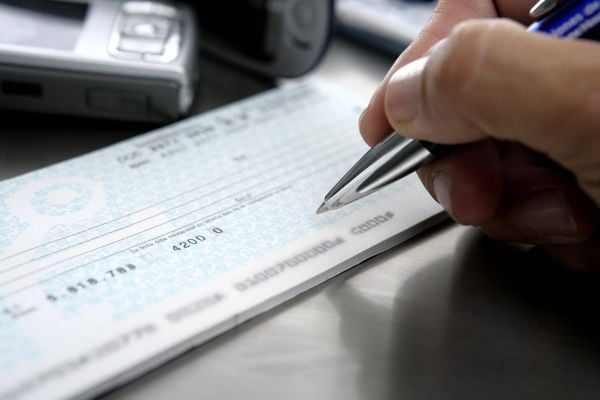
Blank checks do not usually expire. If the check’s routing and account numbers are associated with a valid checking account, you can still use old, unwritten checks. If you have old checks, ensure the routing and account numbers are valid.
However, if you receive a check as a form of payment but have not cashed it, it will expire. The expiration date depends on the type of check and the date printed on it.
How Long Are Uncashed Checks Good For?
According to the Uniform Commercial Code (UCC), banks are not required to honor personal or business checks older than six months (180 days). Many banks will exercise their right to refuse a stale-dated check. Avoid that problem by depositing or cashing any check you receive immediately.
The rules are not the same for all checks, however. Different types of checks have different expiration times.
1. Personal checks
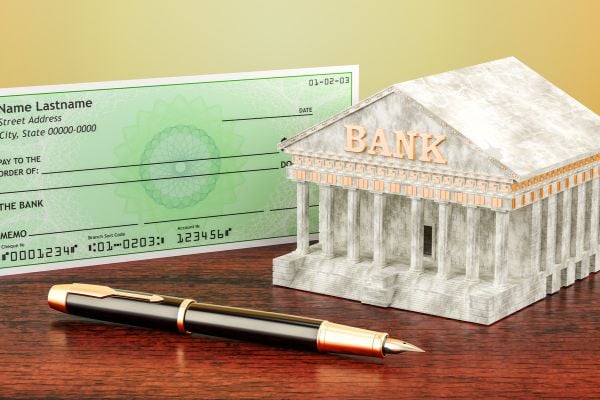
A personal check expires 180 days from the date printed on it. Banks may honor a check older than 180 days, but they are not required. The same rule applies to starter checks, which are temporary personal checks issued with new accounts.
2. Business checks
Business checks are good for 180 days after the date indicated on the check. Many businesses have “Void After 90 Days” pre-printed on their checks, but banks will typically honor commercial checks older than 90 days as long as they haven’t passed the 180-day threshold. The 90-day language is more for encouraging the recipient to deposit or cash the check promptly.
3. Payroll checks
Payroll checks are subject to the same rules as personal and other corporate checks. A payroll check is good for 180 days from the date printed on the check.
4. Cashier’s checks
How long a cashier’s check is valid varies from bank to bank since cashiers’ checks do not fall within UCC guidelines. Some banks print a deadline on their cashier’s checks, but you can always contact the issuing bank for clarification.
Cashier’s checks that go uncashed for years may be subject to state unclaimed and abandoned property laws.
5. U.S. Treasury checks
Checks issued by the U.S. Treasury Department are good for one year. That covers federal tax refund checks, stimulus checks, and government benefits checks drawn on the U.S. Treasury. If you have an older Treasury check, you can request a new one and have a replacement check sent.
6. Certified checks
Certified checks are usually good for 60 to 90 days, but expiration can vary. Certified checks do not fall under the UCC, so the expiration date of a certified check depends on the issuing bank’s policy. An uncashed certified check can be subject to unclaimed property laws if held too long.
7. State and local government checks
The rules for state and local government checks depend on which state issued the check. Different states have different policies regarding outstanding checks, unlike federal checks, which are good for one year. If you find an old government check, contact the issuing agency. They should be willing to send you a fresh check.
8. Traveler’s checks
Traveler’s checks do not expire. A traveler’s check is good as long as the financial institution that issued it still exists. You don’t have to use them outside the country or away from home. If you find an old traveler’s check, you can deposit it into your bank account or use it anywhere that accepts them.
9. Money orders
Money orders do not expire. However, a money order could become old enough to fall under abandoned property laws. Some issuers also charge fees to cash an aged money order. Western Union and Moneygram both charge a service fee on money orders older than 1 year. The service charge varies by state.
Dealing with Old Unused Checks
You might happen upon an old box of checks and wonder whether you can use them. Even if your unwritten checks don’t have your current address printed on them, you can still use them to buy or pay for things as long as the routing and account numbers are valid.
What to Do if a Check Expires
Ask your bank if they will honor the check. The bank can refuse it if it is more than six months old. You can also contact the issuer and request a replacement check. If too much time has passed, the funds may have been turned over to the state as unclaimed funds. You might have to contact the state.
Depositing a stale check could cost you additional money. You may be subject to bank fees if there are insufficient funds in the account the check is drawn on, if the account has been closed, or if the person or company has put a stop payment on the check.
Most banks charge a Deposit Item Returned fee if you deposit a bad check. Bank of America, Chase, Citibank, and Wells Fargo will charge you $12. Capital One charges $10, while TD Bank charges $15. You’ll be out the amount of the entire check plus whatever bad check fees your bank charges.
If you are the check recipient, depositing or cashing the check as quickly as possible is in your best interests.