Disclosure: This post may contain affiliate links, meaning if you decide to make a purchase via my links, I may earn a commission at no additional cost to you. See my disclosure for more info.
The concept of cryptocurrencies was formulated and published in 2008. In the time since, it’s gone from a single cryptocurrency, called Bitcoin, to an explosive investment market used worldwide. People interact with a bewildering variety of currencies through public exchanges and private trades and even use them to buy things anonymously, which is their intended purpose.
In all the hype, there’s a lot to know about crypto. Here are 18 interesting facts to get you started on learning more about this fascinating market.
1. No One Knows Who Created Crypto

The paper that launched the Bitcoin protocol was released anonymously on a cryptography mailing list. While Satoshi Nakamoto’s name references the creator, no one knows if the name represents a person, group, or organization.
2. Bitcoin Is a Limited Resource

When the Bitcoin protocol was established, a limit of 21 million coins was set. As of writing, 19,659,100 BTC have been mined, so less than 2 million remain undiscovered.
3. There Are Thousands of Cryptocurrencies
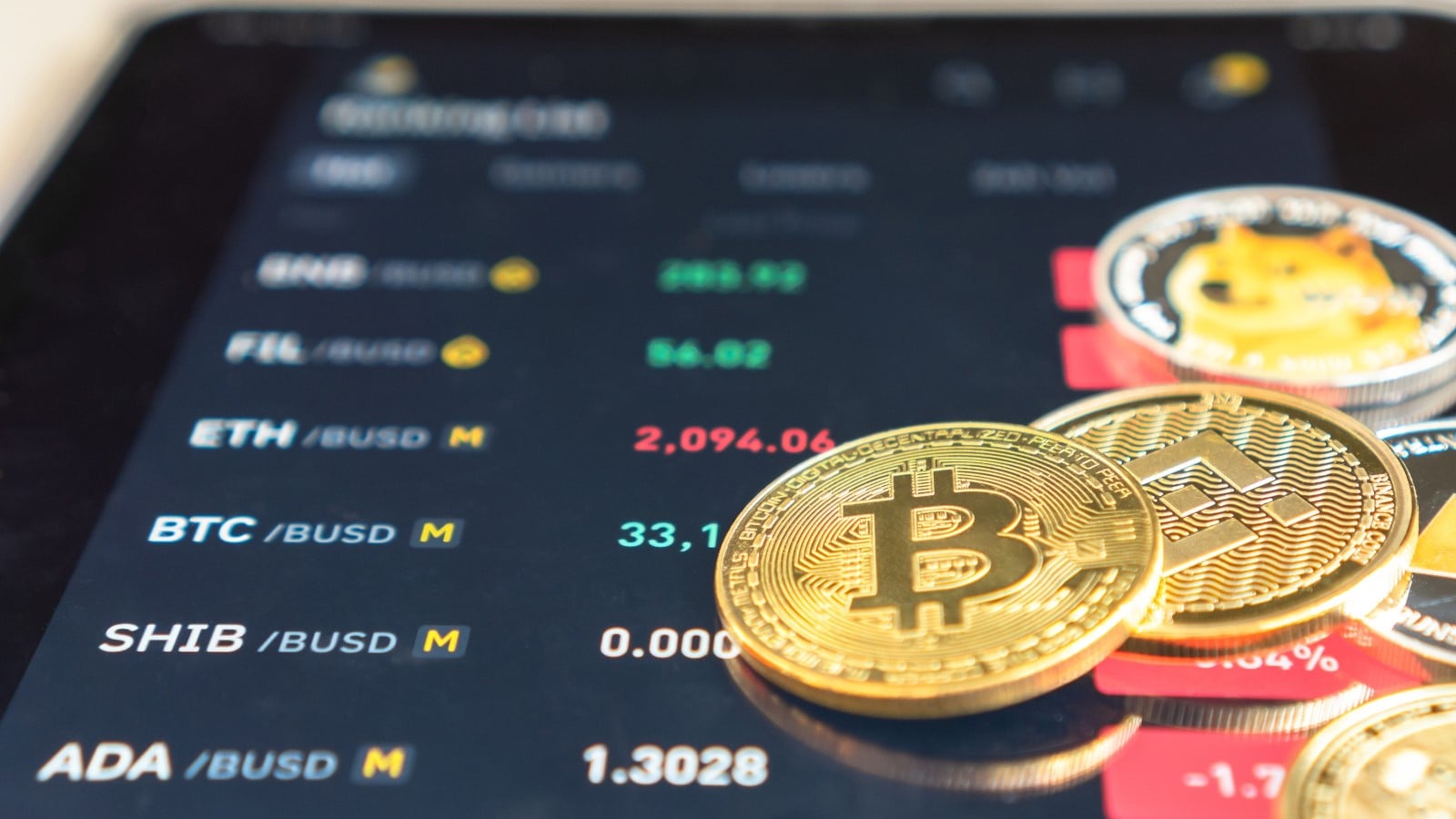
A November 2023 survey catalogued over 23,000 cryptocurrencies. Most aren’t worth much or widely circulated, and the two most valuable and influential are still Bitcoin and Ethereum.
4. Crypto Was Created to Avoid Banks

Bitcoin was proposed in 2008 during a major banking and financial crisis. The idea was to create a currency that could be exchanged peer-to-peer and held securely without needing a bank or regulating institution as a middleman.
5. Crypto Isn’t Money

Money, such as fiat currencies issued by governments, has a firm value set by the issuer. Crypto is a ‘digital asset,’ something you can buy or ‘mine’ and then exchange for money based on current market rates. While some people and places accept crypto as a form of payment, it’s closer to barter than money.
6. The First Crypto Purchase Was Pizza

A Florida man paid 10,000 BTC in May 2010 for two pizzas. At the time, 10,000 bitcoins were worth about $40. While that groundbreaking transaction was important, spending that much bitcoin for a pair of pizzas sounds ludicrous today. 10,000 BTC would be worth $623,180,000 as of this writing.
7. Crypto Is Extremely Volatile

Unlike real money or assets, crypto’s value is entirely set by a mix of market demand, regulation chatter, and hype. The less a currency is available, the higher its value. However, cashing in on that value can cause the price to plummet.
8. NFTs Are Not Crypto

Non-fungible tokens (NFTs) are digital assets, just like crypto. The price of an NFT is also market-driven rather than based on real value. However, where crypto is a medium of exchange that can be used to buy and sell items, NFTs are closer to buying a unique work of art.
9. Crypto Created a Much More Valuable Technology

Blockchain, the digital ledger technology that creates, exchanges, and tracks cryptocurrencies, has far more applications than crypto. The ability to store and exchange data in a secure and distributed network has implications for hundreds of fields.
10. More Companies Are Accepting Bitcoin
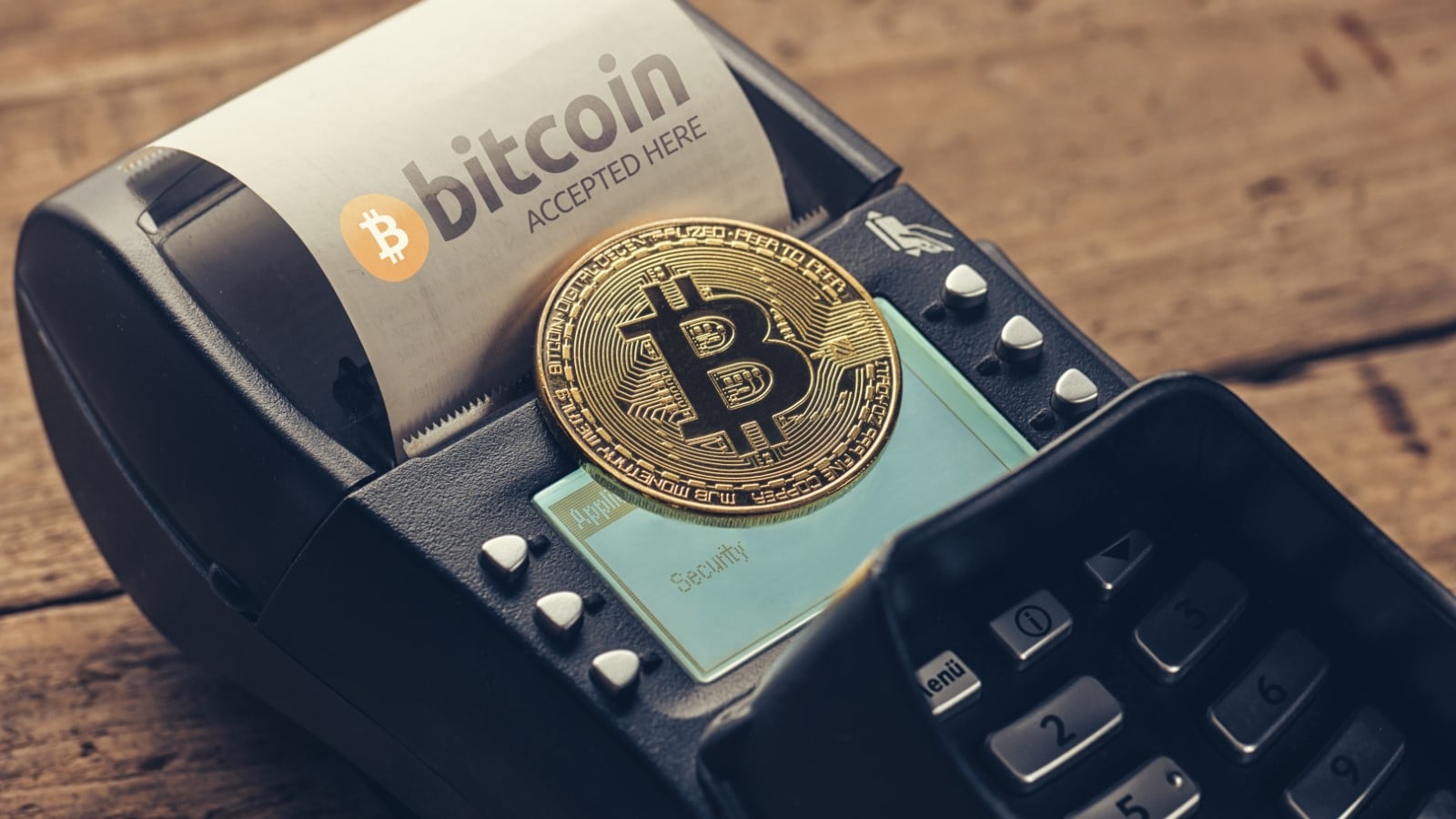
Despite its conception as a peer-to-peer payment system, companies such as Microsoft and AT&T now accept Bitcoin payments. Currently, over 15,000 companies worldwide allow Bitcoin payments.
11. Countries Have Made Bitcoin Legal Tender

Bitcoin became a legal tender in El Salvador in 2021. The president, Nayib Bukele, thought it would improve banking access and encourage investment in the country’s economy. However, some merchants worried about its volatility and took to the streets in protest.
The Central African Republic also made Bitcoin legal tender in 2022 but reversed its decision a year later. The absence of essential services like electricity and the internet likely limited the adoption of Bitcoin in the region.
12. the US Mines the Most

China used to be the biggest crypto miner. After China banned the practice in 2021, the US became the foremost country for mining. 35.4% of the global computing power dedicated to mining crypto comes from the US.
13. The Asia-Pacific Region Has the Most Crypto Owners
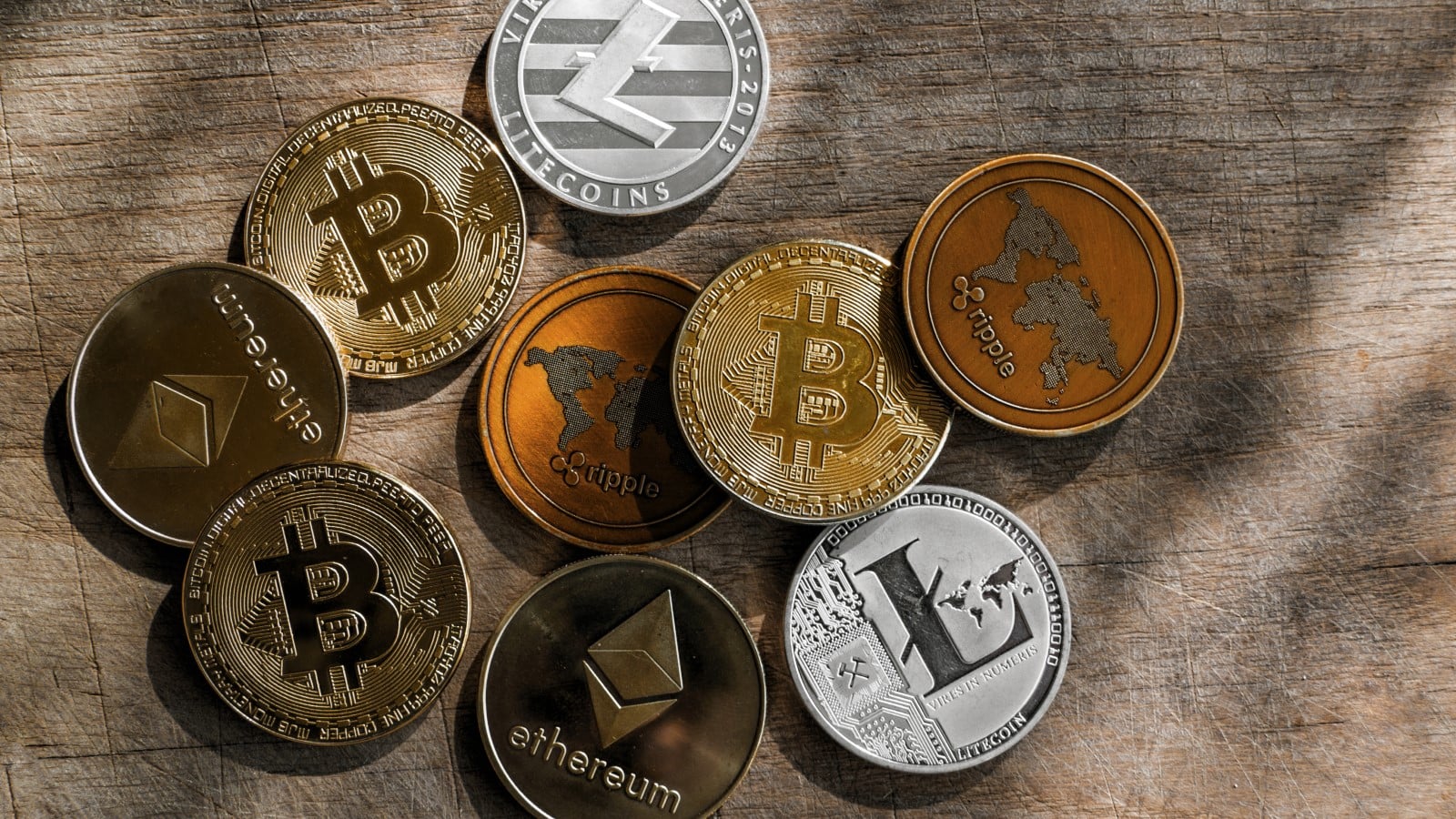
Over 300 million people worldwide own crypto, but the largest individual number of crypto owners is located in Asia—countries ranging from China to Japan and Malaysia—with 160 million. This significantly surpasses Europe, which holds the second-highest position with 38 million owners. The US is in fourth place with 28 million.
14. Crypto Mining Takes a Lot of Power

Mining crypto involves solving complex equations to verify transactions using the currency. Solving those equations and verifying the transaction generates crypto for the solver.
Crypto mining is profitable, and people will continue getting involved. There are no solid numbers, but estimates say crypto mining worldwide may use as much energy each year as Thailand.
15. Blockchain Is Trying to Go Green

Miners competing to solve transactions in exchange for crypto is called Proof-of-Work (POW). POW encourages everyone to use their full resources all the time for a slight chance of payoff, which stimulates massive power use and waste.
A new model, Proof-of-Stake, allows transactions to be solved collaboratively. Crypto owners can “stake” their coins, after which the blockchain protocol designates a validator to add the new transaction block and earn a financial reward.
Since miners would work together, and transactions would be solved by randomly selected ‘validators,’ the overuse and waste of power wouldn’t be necessary.
16. Bitcoin’s Value Has Exploded Since Its Creation

When it debuted in 2010, bitcoin was worth $0.09 per coin. At the time of writing, a single bitcoin is worth $62,815, an increase of 69,794,300%.
17. In the US, Taxes Are Due on Crypto

Because crypto is classified as an asset, you must pay capital gains taxes on it. In other words, if you sell a Bitcoin and make money, you must pay taxes on the profit (or gains) generated by the sale. If you accept it as a form of payment, you also have to pay income tax on it.
18. Crypto Proliferates Due to Lack of Regulation

The question of why there are so many cryptocurrencies, and more every day, comes down to regulation. Anyone with the blockchain code, the skill to set it up, and somewhere to sell it can create a currency for free since the code is open source.
Without government regulation to restrict the creation of new cryptocurrencies, many people set them up as get-rich-quick schemes or outright scams.
Is It Worth It?

The simple answer is that it’s too early to tell. Cryptocurrency is very new and highly volatile, and there’s no set path to achieving a stable exchange price. While all investments carry a degree of risk, crypto’s volatility means that investors should never invest money they can’t afford to lose. Always keep in mind that because the value of crypto is in scarcity, selling any amount may immediately cause the rest of your portfolio to lose value.
18 Surprising Realities Behind Historical Facts

Truth can be stranger than fiction when it comes to tales from the past. But sometimes, the fiction is what we remember. So, let’s get into the nitty-gritty of some historical myths we’ve often accepted as fact. Prepare to be surprised!
18 Surprising Realities Behind Historical Facts
19 Unsolved Mysteries From Around the World

World history is an ongoing obsession for many of us, not in the least because of the unanswered questions records may bring.
Mysterious, confusing, and all-around odd, countless historically recorded happenings do not make sense. It’s all utterly intriguing.