
Disclosure: This post may contain affiliate links, meaning if you decide to make a purchase via my links, I may earn a commission at no additional cost to you. See my disclosure for more info.
Raising successful and well-adjusted kids is much easier said than done. But if there are only a handful of key lessons you can impart to your children, strong personal finance skills are one that will help give them a huge advantage as they begin their adult life. Teaching money smarts early on helps build savvy kids who are equipped to navigate real-world challenges. Considering financial issues are often cited as a top stressor in daily life, you have the opportunity to give your kids a head start in financial literacy, helping them avoid the struggles you might have faced.
If you’re looking for a way to start your children’s financial education, consider these expert-backed tips on fostering financial responsibility.
1. Start Early

One of the best things we can do when teaching our children the value of money is to start early. Give them a small allowance, and let them spend it the way they want. They might think $5 will get them any toy in the aisle. Explain to them that bigger toys cost more money and they will have to wait until next week when they get another $5. It has been shown that children can grasp the concept of value and exchange by the age of three.
2. Make It a Game

Games like Monopoly can be an early teaching point for money management. There is also a great game called PayDay that teaches kids how to budget, take out loans, and buy everyday goods while making a fun game to play in the afternoon as a family.
3. Make Them Earn Their Money

It’s wise to teach your children that a chore equals payment. These chores can be as small as raking leaves, cleaning their room, or taking out the trash. Teaching them that small jobs come with rewards will instill the concept that money isn’t free and that a job is needed to earn that money.
4. Explain the Importance of Credit Scores

When I turned 18, I was flooded with credit card offers. I had yet to learn what to do because I was unaware of the difference between good credit and bad credit. Teaching young adults how a credit score works and how it can follow them their whole lives is imperative. Getting into debt early could set you back many years as you grow older.
5. Discuss Daily Shopping Habits

Experts believe that being interactive with your children as you shop is important. Have them help you with your grocery list. Share your budget and discuss the discounts and prices you see on the shelf as you shop. Explaining and showing a young adult how to stock a refrigerator and pantry on a budget will teach them how much money they can save by cooking their own meals. The next task is to teach them how to cook.
6. Teach Savings Goals

If your child wants the newest tech gadget or the stylish new jacket everyone has, this could be a lesson on budgeting and saving. It could be a perfect time to give them a few more chores and more responsibility, thus netting them more money. Explain they might have to sacrifice some free time with friends to achieve that goal sooner than expected.
7. Contribute to Purchases Sometimes

You might feel proud of your kid’s patience and saving mentality. You might also realize that if they’re saving only $5 a week, it could take months for them to save up for that special toy they want. It’s all right to explain that you will pay half to help them. This could avoid frustration with a younger child and help them know their saving goals were lofty.
8. Teach Them About Withdrawing Money
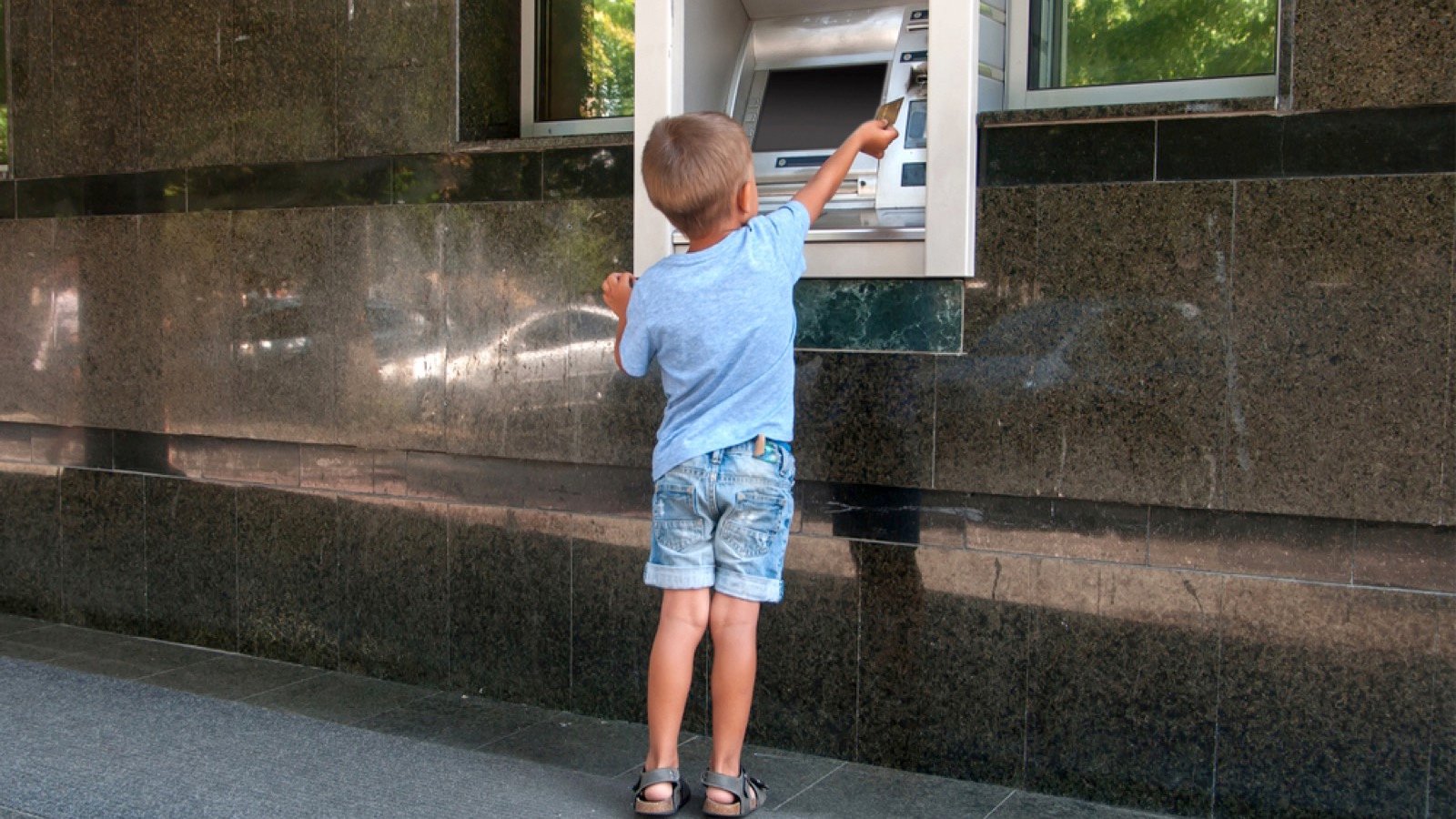
A recent tip I read involved parents not giving their kids cash for an allowance. These parents taught their kids how to withdraw money from the bank of “Mom and Dad.” The lesson is to keep some money in the bank for future purchases. Having a lump sum of cash makes it easier for young kids to spend it instantly. Learning to keep track of an online balance will give the kids tools to maintain money in a bank.
9. Positive Communication

Have your child sit in on weekly budget talks with you and your spouse. Let them absorb the financial decisions that you make as adults. Encourage them to ask questions. They might benefit from learning about real-life financial problems and how to overcome them. This will help them make better decisions with their money and future finances.
10. Have Them Make a Budget

A child might have the simplest of budgets, but the process of doing it is very beneficial. They will learn to allocate their allowance for things they want. This could be as basic as a new toy or candy. Giving value to items and teaching them how to juggle their income to buy what they want is an invaluable lesson.
11. Encourage Prioritizing

Be upfront with your children about how you prioritize your money. If you spend a day going to Disneyland, they see it as a fun day with the family, not a sacrifice the parents made to make it happen. Have a conversation to help them know the family is having a fun day but may not be able to go to their favorite pizza parlor for the next month. This is how we sacrifice to provide fun days.
12. It’s Okay to Say No

Most parents agree that saying no to a child isn’t pleasant, but it is necessary. Many kids who don’t understand the value of money will get mad and throw tantrums when they don’t get the toy they want. Teaching the value of money comes in handy here. Teaching them that products are not free and require money makes this transition much easier.
13. Open a Bank Account For Them

Opening a bank account for your child is a significant step when they get older. Show them how a savings account can help your money grow while it sits there. It could also give them a sense of pride as it feels like they are entering adulthood.
14. Encourage a Part-Time Job

Good grades and study habits are important for high schoolers, but pushing a part-time job could be very beneficial if they have free time. This will teach them how to juggle multiple schedules and give them a glimpse into the real world. Getting them out of their comfort zones early might also help them transition into adulthood.
15. Introduce Investing

While they are young, introduce them to the benefits of investing. Show them what a one-year CD could do. Explain the basics of investing so they can try it out. Look into apps like Robinhood and Acorns for simple ways to learn investing.
This article was inspired by expert advice from Investopedia and Futurescholar.
The Purpose of a Budget and 11 Reasons Why You Need One

The primary purpose of a budget is to track your income and expenses. A budget also ensures your bills are paid on time, helps you plan for the future, helps identify any bad spending habits or areas where you could reduce your spending, and ensures that your spending reflects your priorities. By creating a budget and sticking to it, you can ensure your needs are met, your bills are paid on time, you get out of debt, and you meet your financial goals.
10 Practical Ways to Be Frugal Without Being Cheap

You can be frugal without being cheap by understanding the difference between price and value. A cheap person cares only about getting the lowest price. Frugal people look at price as one factor that determines value.