Disclosure: This post may contain affiliate links, meaning if you decide to make a purchase via my links, I may earn a commission at no additional cost to you. See my disclosure for more info.
It’s said that the average American produces over four pounds of trash every day, and every piece of trash affects the planet. Fortunately, there are a few simple lifestyle changes you can make that will help you live more sustainably, produce less waste and save a little more money.
Replace Paper Towels with Reusable Ones
Stop reaching for the paper towels every time you have a spill. Instead, buy small reusable cloth pads or towels. They are just as absorbent and can be thrown in the washer to clean. Cloth napkins are also a cost effective, waste reducing choice too.
Use a Reusable Cup or Bottle When Out and About
By taking your own drink with you when you go out, you’ll reduce the chance of buying expensive beverages at the store and you’ll reduce waste by eliminating the containers they come in. Most bottles and cans can be recycled, but they take a lot of energy to make, fill and ship.
Buy Staples in Bulk
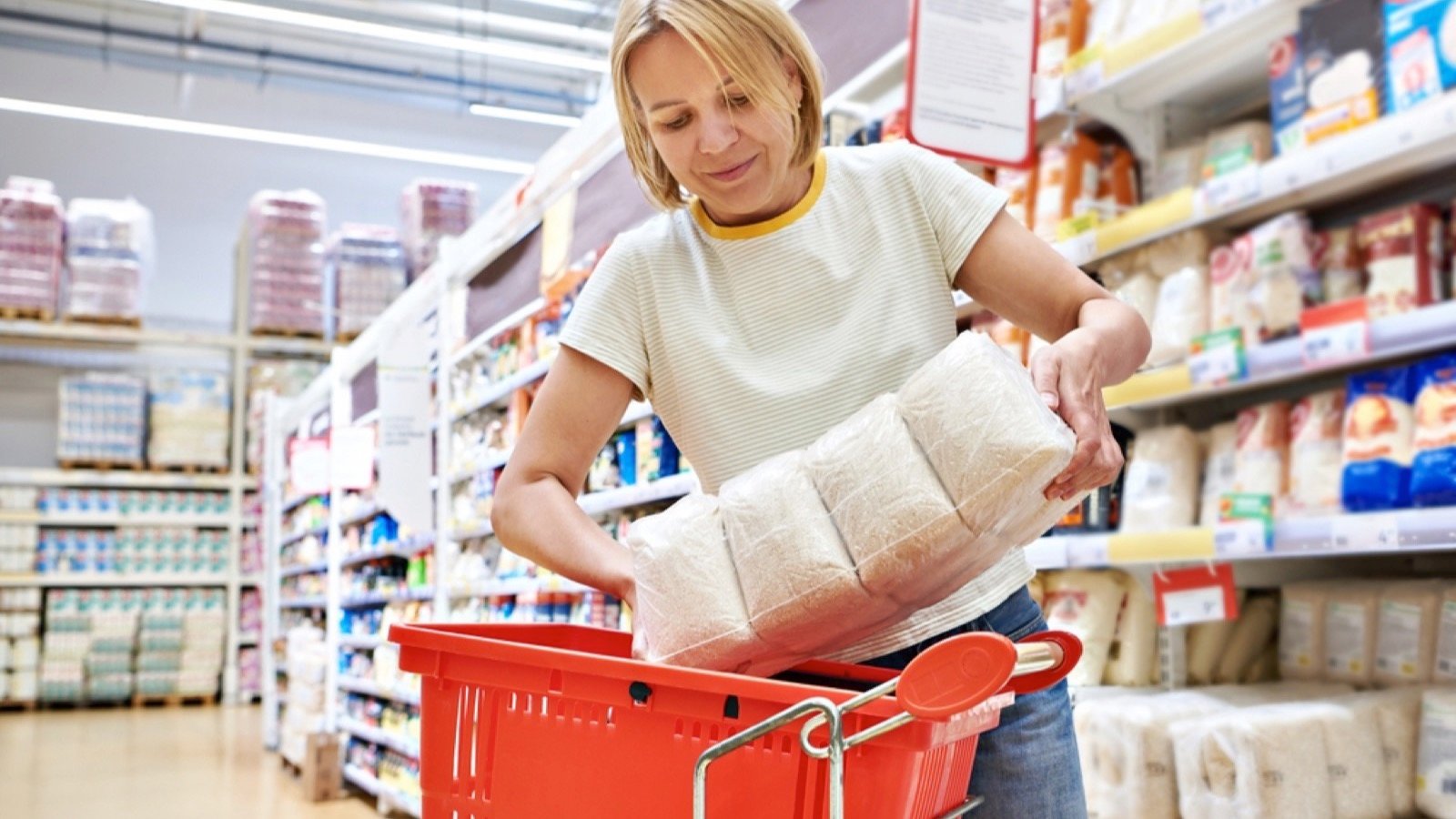
If you have the space, buy staples in bulk and store them in reusable containers like cloth bags or mason jars. You’ll save money buying in bulk as prepackaged foods are more expensive. You’ll also have greater control over the amount of each food you purchase.
Get a Water Filter Pitcher
If your faucet water doesn’t taste good and you buy bottled water instead, consider purchasing a good quality water filter pitcher. Instead of having to buy expensive bottled water every week or month, you’ll only need to buy replacement filters, which cost a lot less. You’ll also reduce waste with no more plastic bottles being thrown in the trash or recycled.
Use Reusable Shopping Bags
Whether your grocery store provides paper or plastic bags, you still end up with a lot of trash after every shopping trip. Most grocery stores sell nylon or cloth bags for a reasonable price that you can use time and time again.
Use Mesh Bags for Produce
Keep some mesh produce bags with your reusable shopping bags so they are easy to grab when you go grocery shopping. Mesh bags are more breathable than plastic bags, so will help keep your produce fresh. Just wash and try them now and again and they’ll last a long time.
Avoid Produce Wrapped in Plastic
Prepackaged or pre-sliced produce is convenient, but they can be more expensive than their loose counterparts and pre-cutting produce can reduce its nutritional value. Another thing to think about is not all plastic is recyclable. So buy loose produce that isn’t wrapped in shrink wrap or plastic.
Shop at Farmers’ Markets

Shopping at a farmers’ market means you’ll get fresh foods that taste great and are packed with nutrients. You’ll also be supporting your local dollars and helping cycle money into your community.
Compost

Most households throw away a lot of food waste that can be composted. Things like egg shells, fruits and veggies and coffee grounds can be composted. It requires a little effort, but it reduces waste and if you have a garden, you’ll save money on fertilizer.
Use Tea Leaves Instead of Tea Bags
Tea bags are small, but produce a lot of waste and aren’t recyclable, they also cost more than loose leaf tea. So, instead of using tea bags when you want a cuppa, steep fresh tea leaves in an infuser or tea ball.
Meal Plan
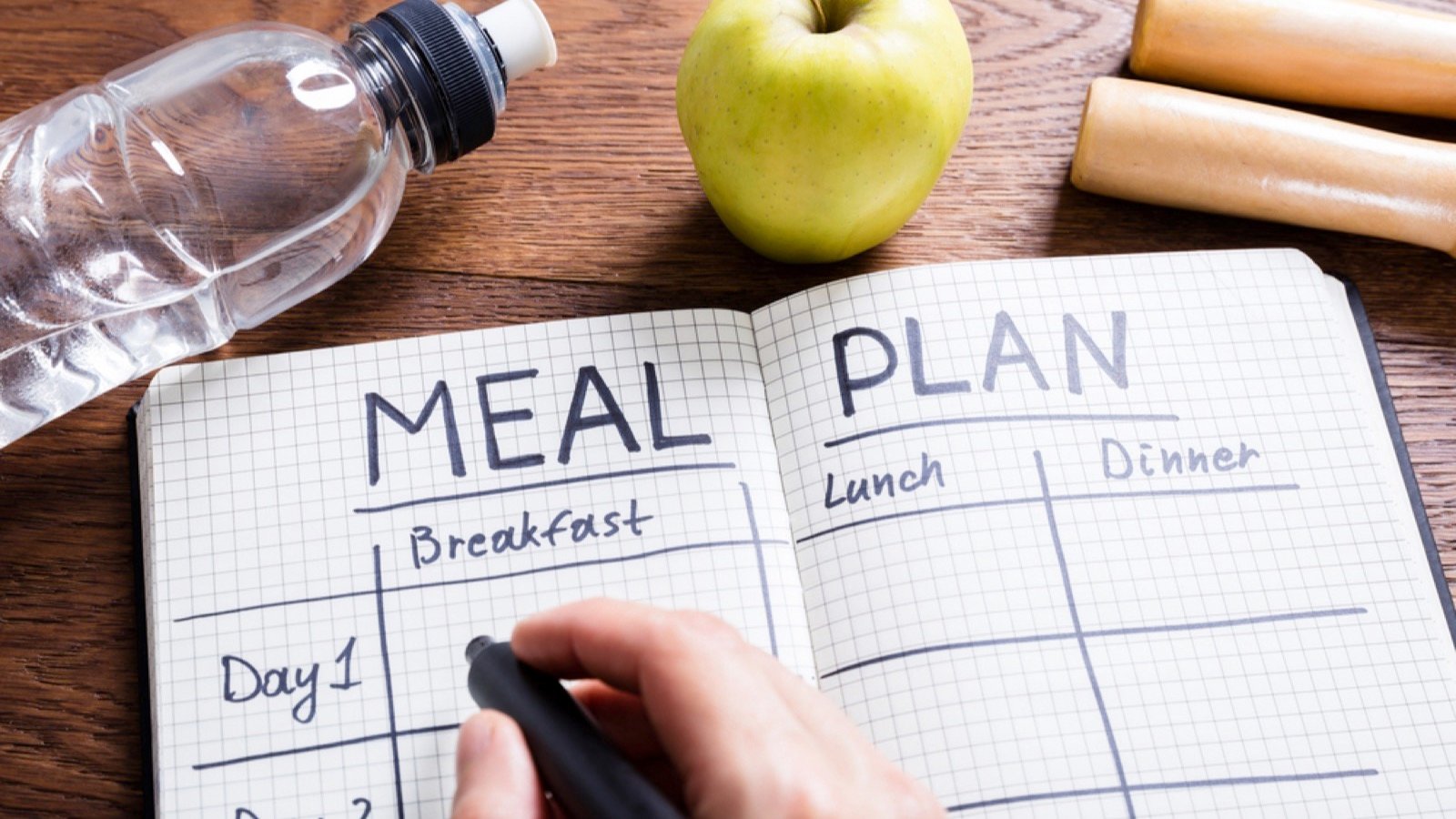
Planning your meals in advance can help save food costs and reduce waste because you’ll use everything you buy. It will also stop you from wondering what you’re going to cook for dinner after a long day.
Use Bees Wrap Instead of Plastic Wrap
Bees wrap is made with beeswax, oil, cloth and pine resin. It’s available in various sizes, shapes and patterns and is reusable, making it an eco-friendly and cost-effective alternative to plastic wrap. If you’re adventurous, you can even make it yourself fairly easily.
Use Rechargeable Batteries

Yes, the initial cost is higher, but you can recharge a battery hundreds of times so will save money in the long run and eliminate waste. To get the most bang for your buck, use rechargeable batteries in devices that need frequent battery changes such as toys and your computer mouse.
Buy Used Items and Donate When No Longer Needed

You can buy many good-quality used clothes and other items from thrift shops, second-hand stores, charity shops and marketplaces like eBay. You’ll save money and stop items ending up in the local dump. When you no longer need an item or clothing, consider donating anything that’s in good condition to help local charities and your community.
Use Homemade Dish Soap

Dish soap is expensive and is packaged in plastic bottles that create waste. Fortunately, making homemade dish soap is quick, easy and inexpensive. Package it in a reusable container to save waste and add essential oils for the scent.
Make Your Own Cleaning Products
Kitchen and bathroom cleaners usually come in plastic bottles that generate a lot of waste. To save on the waste, and cost, make your own cleaning products with ingredients you likely already have in your pantry. Keep them in glass spray bottles to reduce waste.
Reduce Your Paper Waste
Today, many companies offer electronic bills and you may find some incentives to go paperless. Stores also offer e-receipts which are easier to keep track of if you need to return something and save paper. If you subscribe to a newspaper or magazines, consider changing to a digital subscription. You’ll reduce paper waste and they are often a little less expensive than paper copies.
Recycle or Upcycle Old Tires
Most landfills won’t take tires, but many retailers will take old tires and recycle them for a small fee. Alternatively, upcycle your old tires into things like swings, planters, dog beds, furniture and more.
10 Practical Ways to Be Frugal Without Being Cheap

You can be frugal without being cheap by understanding the difference between price and value. A cheap person cares only about getting the lowest price. Frugal people look at price as one factor that determines value.