Disclosure: This post may contain affiliate links, meaning if you decide to make a purchase via my links, I may earn a commission at no additional cost to you. See my disclosure for more info.
You can be frugal without being cheap by understanding the difference between price and value. A cheap person cares only about getting the lowest price. Frugal people look at price as one factor that determines value. You also have to be clear on your financial goals. Does your spending hurt or help you reach those goals? Buying a reliable used car and driving it for years instead of buying a new car every two years doesn’t mean you’re a cheapskate. Consider how your decisions impact others. That awareness will often stop you from crossing over from frugal to cheap. Cheap people don’t care if their penny-pinching embarrasses others, hurts someone, or causes resentment. That’s one of the significant differences between frugal and cheap. Here are some frugal living tips and ways you can live a frugal lifestyle without being cheap:
Focus On Reducing Your Necessary and Unavoidable Expenses

You don’t want to be penny-wise and pound-foolish where you cut out something small but overpay on something expensive. Can you lower your housing costs, cut transportation costs, or refinance your student loan debt? Have you done any comparison shopping for insurance? You can do plenty to save small amounts of money here and there. Little expenses you can eliminate add up. Don’t forget that being frugal and smart with your money also applies to significant costs.
Eat and Drink at Home

We won’t hit you with the “avocado toast is making you poor” argument. Starbucks is not a waste of money if you pay yourself first and handle your bills responsibly. Coffee, cocktails, and meals cost more outside your house, though. You can put four figures back in your pocket every year if you give up your daily latte. You’ll save another four figures annually if you bring your lunch instead of buying it every day and cut down on restaurant meals. Embracing cooking for yourself and your family doesn’t make you cheap. Not spending three bucks on coffee when you can make your own at home for a quarter and take it with you in a travel mug is frugal, not miserly.
Don’t Be Stingy With Friends

Nobody wants to go to dinner with the person who starts arguing when the check arrives. The exact percentage of nachos you ate and what that should cost down to the penny shouldn’t matter when you’re among friends. Save your world-class math skills for starting a budget or planning your retirement. Negotiate hard with car dealers, insurance reps, and real estate agents, not your friends. Unless you honestly believe your friends take advantage of you, split the check. It doesn’t matter who ordered dessert and who didn’t. Your friendships are worth more than your fair share of dinner at Applebee’s.
Buy Used When It Makes Sense
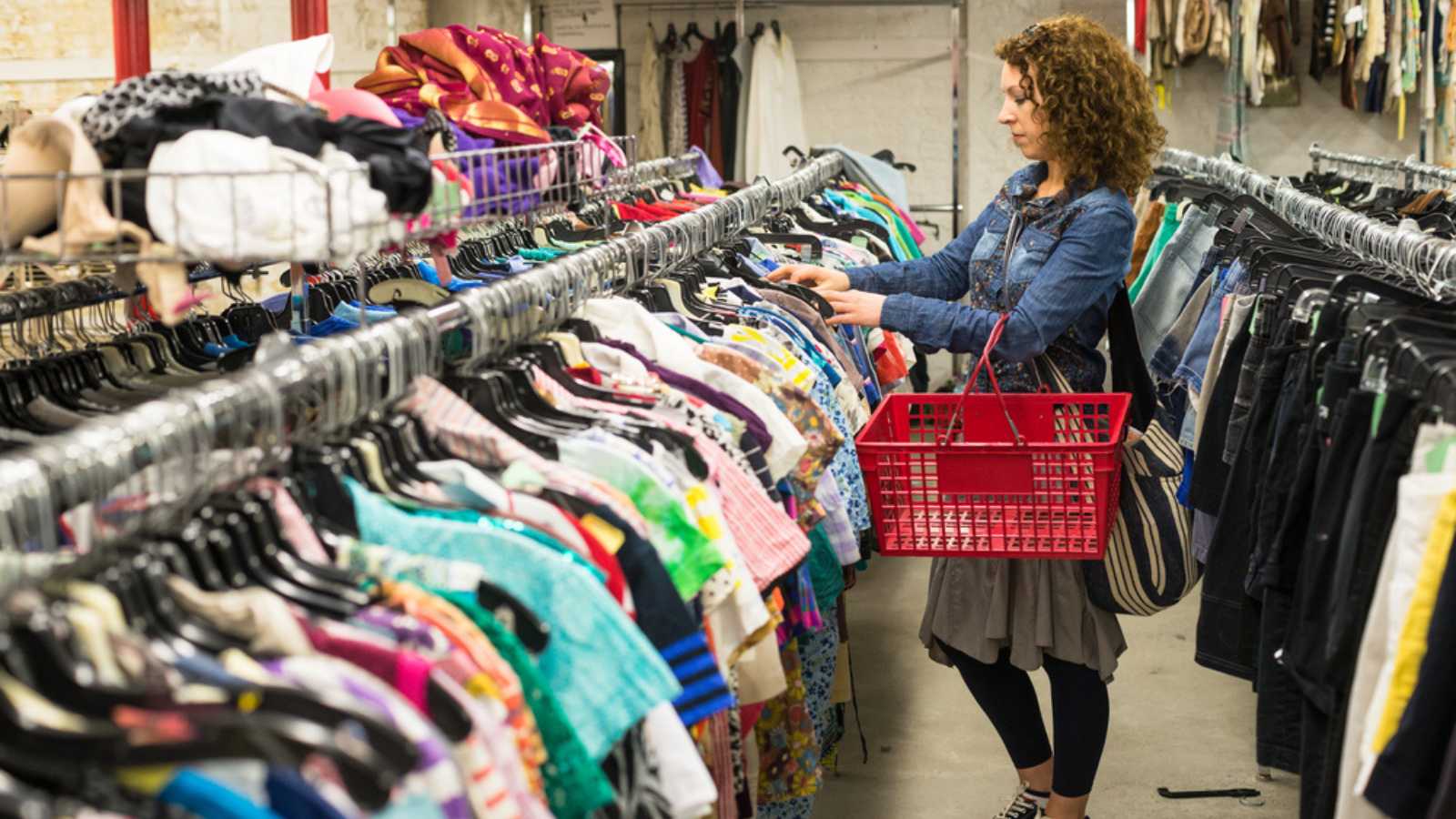
There are some things you should never buy used. Springing for new tires, a new mattress, or a swimsuit every time makes sense. Other things, like cars, sporting goods, and books, consider buying used as long as they’re in good shape. New cars lose much of their value in the first couple of years. Insurance usually costs more for new vehicles as well. If you’re willing to shop around, plenty of reliable used cars with low maintenance costs exist. Ditching the gym memberships to work out at home saves a ton. You can find weight plates and a barely used rowing machine on Craigslist for a small fraction of what they would cost new. If you’re handy, you can build a nice collection of tools, acquiring them through garage sales or hand-me-downs. You can usually find used furniture, a fridge, bicycles, and baby clothes as well. The fact that these things are secondhand doesn’t mean you’re cheap. It means you are intelligent and frugal.
Don’t Pay Full Price

Paying full price for almost anything these days isn’t necessary. If you can be patient and comparison shop, you can buy most things at a discount. There are also coupons, rebates, cashback apps like Ibotta and Rakuten, and cashback credit cards. You can sometimes combine these discounts by using a coupon for a sale item and paying with a cashback card. Buying clothes, grills, and outdoor items out of season can result in considerable savings. Fruits and vegetables are much cheaper when they’re in season.
Forget About Brand Loyalty

Sticking to one brand or only shopping in one store stops you from comparing prices and finding newer or better products. It can be difficult. Certain brands fit you better, taste better, or are of higher quality, and you don’t want to compromise. That’s OK. You can probably still find a few things you’re brand agnostic about. For example, don’t buy name-brand aspirin. Buy the generic store brand. It works perfectly for $3-$4 less per bottle. Try store brands or lower-priced brands. You can often find alternatives for expensive products that are as good or better than the familiar brand. For the things you must have, wait for them to go on sale if possible. When you find a good deal, consider stockpiling. Accumulating makes sense if you have the space and the product won’t spoil or expire before using it.
Choose Lower-Cost Experiences Over Expensive Gifts

Expensive jewelry is another costly and mostly unnecessary expense. Does she really need a costly necklace for her birthday that will sit in a box inside a drawer forever? Experiences last longer. Do you remember everything I got for Christmas last year? Probably not. But you’ll never forget that surprise weekend getaway your partner got you. Experiences also strengthen relationships. Shared memories and everyday experiences bring people together much better than material gifts.
Plan Your Meals Around What’s on Sale

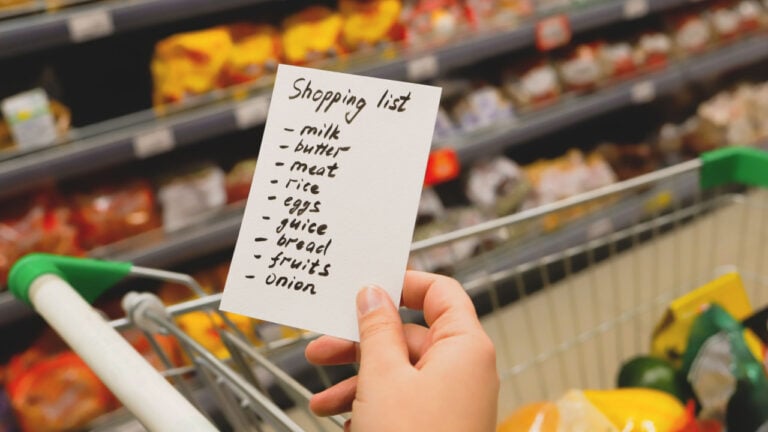
Groceries make up a sizeable chunk of most household budgets. The easiest way to save money on groceries without couponing or buying bulk is to buy sale items. Plan meals around the sales flyer and what you already have in your pantry instead of cravings. You’re stuck paying the full price if a recipe calls for an exotic ingredient that’s not on sale. You might also buy a jar of something you’ll only use once. You’ll save money quickly and consistently if you pick out a sale item, see what you have in the cabinets, and then choose a recipe that minimizes the number of items you need to buy.
Consider Carpooling or Using Public Transportation

If you can eliminate the cost of just one vehicle in your household, you could save tens of thousands almost instantly. When you add up the cost of car payments, insurance, taxes, fuel, and maintenance, it becomes apparent how costly owning a vehicle is. Even small communities typically have some means of public transport, like buses, that can help you get from one place to the next. If not, carpooling with friends or colleagues could be another option. Last but not least, riding your bike is always possible. Though each of these options comes with its own trade-offs, they could be worth it when it comes to the extra savings.
Maximize Your Cashback

When you shop, regardless of the occasion, ensure you get the best return on your money through cashback apps or credit card incentives. 5% or 6% back on unavoidable expenses like groceries could add up to a sizable annual savings. Pair these rewards with your other frugal tactics like shopping sales or using coupons, and you’ll minimize your expenses.
17 Items to Cut From Your Budget You Won’t Miss

Avoid These 19 Pointless Expenses When Living Paycheck to Paycheck