Hey! I’m Andreas Jones and I am the founder of KindaFrugal.com. I’m passionate about all things personal finance, side hustles, making extra money, and lifestyle businesses. I have been featured in major publications such as Forbes, Entrepreneur On Fire, Lifehack.org, Influencive and Goalcast.
| Published on March 19, 2024
Disclosure: This post may contain affiliate links, meaning if you decide to make a purchase via my links, I may earn a commission at no additional cost to you. See my disclosure for more info.
Frugal habits can help you save money—but not all of them are created equal. Everyone likes to save money, and there are loads of tips, tricks, and hacks for doing so. Especially in today’s economy, tight budgets and higher prices can make any money-saving method attractive. But as the old saying goes, “penny wise, dollar foolish.” Some of the most common tricks are really traps. Whether it doesn’t save you money, deprives you of valuable benefits, or wastes your time, chasing savings “at any cost” sometimes costs more. Here are some of the worst offenders to watch out for!
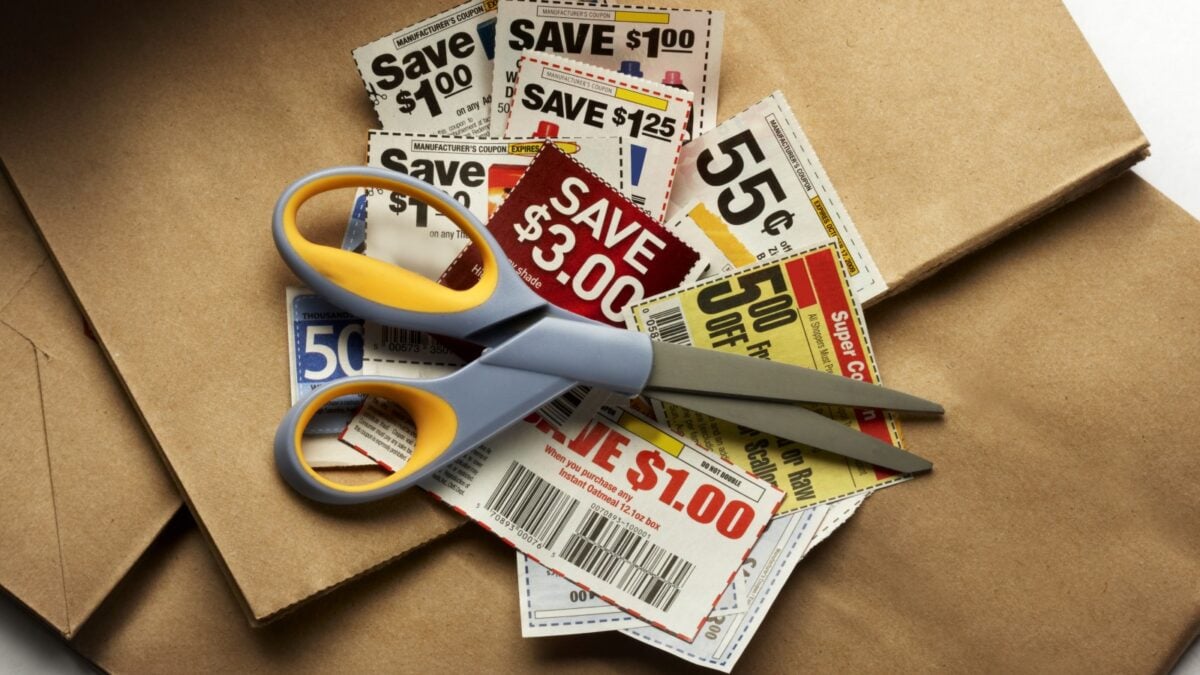
1. Extreme Couponing
Image Credit: Shutterstock.Coupons can save you money, but use them in moderation. Spending hours a week – or a day – collecting coupons wastes time that could be better spent. It also encourages over-buying. I have also fallen for coupon strategies in high-priced grocery stores, spending much more on items just to avail of the coupon.
2. Total DIY
Image Credit: Shutterstock.Doing it yourself can seem like a great way to save money, but between buying parts and tools, it can end up costing more. It wastes money up front, and the time spent and the quality of the work can become even more costly later.
3. Constantly Unplugging Appliances
Image Credit: Shutterstock.Unplugging your TV, computer, microwave, and so on can save energy. But it wastes time daily and wears out outlets faster. Most energy consumption comes from larger appliances, such as your fridge and dryer. Your efforts might be better spent elsewhere.
4. Avoiding Socializing
Image Credit: Shutterstock.Going out with friends and family can be expensive. But always turning down plans leaves you isolated and miserable. Hang out at home together (yours or theirs) or find low-cost activities rather than tanking your social life to save money.
5. Bulk Buying
Image Credit: Shutterstock.Buying in bulk saves money per unit, not overall. Unless you have the dedicated space to store it and can be sure you’ll use all of a product before it goes off, buying too much or too many of something to save money is just a waste.
6. Oversaving Items
Image Credit: DepositPhotos.Sometimes, I am tempted to hold onto something in case it may be useful or to sell it later, but I’ve since learned from my ways. Unless the item is a collectible or may become valuable in time, it’s not worth it. Sell what can be sold, throw out what can’t, and free up space in your home for things you need and use.
7. Shopping All at Once
Image Credit: Shutterstock.Doing a single shopping trip every two weeks or once a month sounds like a great idea. But buying everything at once requires a lot of storage space. In the case of food, you also need a dedicated plan to ensure none of it goes to waste. Buying more often, buying only what you need, and sticking to a budget prevents food waste and ensures your storage isn’t stuffed.
8. Visiting Too Many Stores
Image Credit: Shutterstock.Hitting four or five stores to buy every product where it’s cheapest sounds like a no-brainer. However, people often fail to account for increased driving time, shopping time, and gas costs.If you visit more than two or three stores for non-specialty products, you’re costing yourself more money than you’re saving and wasting time.
9. Going Cheap on Household Goods
Image Credit: Shutterstock.Not all products are created equal. Choosing the cheaper option may not always be wise regarding food, self-care products, and household cleaners. By choosing the cheapest, you may risk your health if they contain known carcinogens or toxic chemicals.
10. Bargain Clothing
Image Credit: Shutterstock.Cheap clothing wears out fast. For growing kids or limited use, that’s fine. But paying for durable, quality clothing means you’ll get far more use out of it than a cheap shirt or pants that need replacing in a month or two. Instead of bargain shopping, consider going vintage. Vintage clothes are a great environmental idea, and you can fetch some high-quality garments that you can wear again and again.
11. Cheap Furniture
Image Credit: Shutterstock.Inexpensive furniture isn’t always a trap, but it’s usually the way to bet. A couch that breaks in a year means another couch you have to buy. Inexpensive entertainment centers not only have to be replaced but risk destroying or damaging expensive appliances when they fail. A hardwood shelf or dresser can be passed down to the grandkids and repaired. Pressboard shelves or dressers last only a few short years. Temporary is expensive in the long run, and your furniture shouldn’t be disposable.
12. Always Buying Used
Image Credit: Shutterstock.Some things can and should be purchased secondhand. But appliances you rely on, anything related to safety (like a car seat for children), or anything that has a high repair cost should be bought new. Ensuring quality, acquiring warranties, and obtaining protection plans are crucial aspects to consider.
13. Sale Chasing
Image Credit: Shutterstock.It is a good idea to look for sales and take advantage of them. Refusing to buy anything not on sale or splurging excessively are terrible ideas. Relying solely on sales means going without until the opportunity arises, leading to time and money wasted on temporary solutions. Splurging your entire budget, or exceeding it, on discounted items doesn’t save you anything and only clutters your space.
14. Traveling Too Far for a Bargain
Image Credit: Shutterstock.Driving consumes both time and money. Traveling for a bargain over half an hour away is usually not worthwhile. However, unique items that are difficult to find in stores or large items such as appliances or furniture with substantial discounts can be considered good deals. On the contrary, making a trip to another city just to save on canned goods might not be the most efficient choice.
15. Going Cheap for Labor
Image Credit: Shutterstock.If you need something done, finding the person who will do it the cheapest isn’t always, or usually, a good idea.
Entrust professionals with tasks such as repairs, maintenance, cleaning, home assistance, and any construction work or renovations. This way, you have recourse if issues arise.
16. Skipping Hobbies
Image Credit: Shutterstock.It doesn’t matter how much money you save if you have nothing you enjoy. Finding a hobby you can afford and enjoy can enrich your life, expand your social circle, and give you something to strive for.
17. Not Keeping Pets
Image Credit: Shutterstock.Owning pets can indeed be costly. Nonetheless, they offer invaluable benefits such as enhancing mental well-being, promoting physical activity, and offering companionship and emotional support. Moreover, having a pet can facilitate social connections with other pet owners and give a sense of purpose. Instead of avoiding pets altogether, consider adopting from shelters or finding ways to save on their expenses. For instance, buying pet food in bulk or grooming them at home can cut costs.
18. Switching to Generics
Image Credit: DepositphotosA good product that works well or is enjoyable is worth it. While some generics are the same product in cheaper packaging, some name-brand products genuinely are superior. Feel free to explore the generic option, but don’t sacrifice your comforts or settle for lower quality just to save a few bucks.
19. Changing Your Own Oil
Image Credit: Shutterstock.An old standby in thrifty circles, changing your own oil is just plain worthless. Sure, you save a couple of bucks on supplies. Still, DIY oil changes take significant time and effort and can cause costly damages or injuries.On average, DIY oil changes only save a few bucks a month for most cars. Pay a professional, spend thirty minutes, and use the time saved for better things.
20. Driving Further for Cheap Gas
Image Credit: Shutterstock.This is one of those tips that makes no sense. Can you save ten cents a gallon by driving to the other side of town? Absolutely. But you are using gas to get there. Because you are using more of what you are trying to save money on, driving farther to get cheaper gas cancels out the savings or may cost more. Find the most affordable price in your immediate area and shop there.
12 Keys to Embracing a Frugal Lifestyle
Image Credit: Shutterstock.
To some, living a frugal lifestyle might involve extreme couponing. For others, never paying full price for anything could be a commitment. But what does it mean to live a frugal lifestyle? Are there general rules to follow, or is there an assortment of ideas you cherry-pick from? The first step is to understand what living frugally really means.
If you’re looking for ways to earn more money to put toward your goals, start by examining your spending habits. By tracking your spending and seeing where every dollar goes, you’ll likely find several instances of spending money you don’t have to. It could be little things that add up or recurring monthly expenses that are an utter waste of money.
Once you eliminate your bad spending habits, that money can go toward your emergency fund, paying off debt, or other essential things. Here are the 41 biggest wastes of money to look out for.
Hey! I’m Andreas Jones and I am the founder of KindaFrugal.com. I’m passionate about all things personal finance, side hustles, making extra money, and lifestyle businesses. I have been featured in major publications such as Forbes, Entrepreneur On Fire, Lifehack.org, Influencive and Goalcast.