Disclosure: This post may contain affiliate links, meaning if you decide to make a purchase via my links, I may earn a commission at no additional cost to you. See my disclosure for more info.
There are many ways to increase the money in your bank account. Many people start by looking at ways to make more money. And, of course, that is a great solution. But it isn’t always the easiest.
A better, easier way may be to examine your spending habits. By tracking your spending and seeing where every dollar goes, you’ll likely find several instances of spending money you don’t have to. It could be little things that add up or recurring monthly expenses that are an utter waste of money. Once you eliminate your bad spending habits, that money can go toward your emergency fund, paying off debt, or other essential things.
Here are the 41 Shocking Ways You’re Throwing Money Down the Drain
1. Restaurant Meals

It’s easier than ever not to cook at home. Between fast food, takeout, delivery, and dining out, you have many options that don’t involve spending time in the kitchen. What you save in time and convenience, you lose in cash.
Plan your weekly meals, then spend one day prepping and cooking. You’ll be less tempted to waste money on restaurant meals when you know you have food waiting for you at home.
2. Alcohol

You might like a glass of wine with dinner, but it’s a massive waste of money if you order one in a bar or restaurant. You might be able to get a decent bottle at your local liquor store for the price of a single glass in a restaurant or pub. Cocktails can cost even more since you typically pay for a single shot.
Save money and order a soft drink instead. Soft drinks aren’t a bargain but often come with free refills. You can be social, enjoy a meal, and then drink until you get your fill at home for far less money.
3. Convenience Foods

Prepared foods are convenient, but convenience comes with a high price tag. Most prepared foods are not worth the extra cost.
Skip the pre-cut fruit, salad mix, shredded cheese, and other convenience foods. Chances are, you can make more of the same thing for less. You’ll spend less on groceries when you eliminate convenience foods from your grocery shopping list.
4. Meal Kits

Getting an entire ready-to-cook meal sent straight to your door saves time. Someone else chooses the recipe, does all the shopping, boxes the ingredients, and delivers it to you. It sounds great, but it’s a ripoff.
But some meal kits cost between $10 and $15 per meal per person, and you still have to cook. Would you be OK with spending $40 to $60 on dinner every night for a family of 4? Plan your meals. Make them yourself. You’ll save a ton of money over meal kits.
5. Uneaten and Expired Food

In addition to overspending at the grocery store, the average family of 4 spends $1,500 a year on uneaten food. Wasting food is an absolute waste of money, especially when some families struggle to put food on the table. Save money by not buying more than you need, storing your food correctly, and repurposing leftovers.
6. Groceries

Everyone needs to eat, but that doesn’t mean you’re not wasting money at the supermarket. If you study the sales circular and plan your meals for the week around sale items, you can automatically spend less money on groceries. Other ways to stop overspending on food include making a list and sticking to it, not shopping when you’re hungry, buying in-season produce only, and eliminating unplanned trips to the store.
7. Bottled Water

According to the International Bottled Water Association, Americans consumed 15.7 billion gallons of bottled water in 2021. Harvard University estimates that bottled water is about three thousand times more expensive per gallon than tap water. That’s a lot of water and a sheer waste of money.
Then, there are the additional environmental costs of using fossil fuels for production and centuries-long decomposition in landfills. If you’re concerned about tap water quality, a $20 water filtering pitcher filters about 40 gallons of water before the filter needs replacing, equivalent to 320 16-ounce bottles.
8. Credit Card Interest

Carrying a credit card balance is a common financial mistake many people make. Credit cards make it easy to overspend. With low monthly minimums, it’s tempting to make the minimum payment and use what you have left for something else. Carrying a balance drives up the cost of your purchases and harms your credit score.
Making the minimum payment keeps you in debt for far longer as the interest piles up. All the money you pay in interest is money wasted. It’s even worse if you put unnecessary purchases, like restaurant meals or clothes you don’t need, on a credit card and then don’t pay off the balance.
9. Bank Fees

Most bank fees are avoidable. The bank usually waives fees if you deposit your paycheck directly, maintain a minimum balance, and only use in-network ATMs. You can bank for free if you don’t bounce checks or require fee-based services.
10. Late Charges

Late fees are a total waste of your money. Put that money back in your pocket by making a solid effort to be more financially responsible. Add your payment due dates to your calendar and set up reminders if necessary.
11. Clothes You Don’t Need
If you have a closet full of clothes, chances are you have pieces or outfits you haven’t worn in a long time. That doesn’t mean you need to replace your wardrobe. It means you need to stop buying stuff you don’t wear.
Stick to timeless, versatile pieces you know you’ll wear. Don’t buy new clothes for a special occasion or event unless you’re sure you’ll wear them more than once. Don’t buy anything just because it’s on sale.
12. Electricity

You might not realize it, but you probably pay more on your electric bill than you should. Minor changes to your habits will prevent you from wasting electricity and money.
Switching to LED bulbs and turning off the lights when you leave a room are easy ways to stop wasting money and cut your electric bill. Unplug any electronics or appliances you’re not using since they still draw power when not in use.
13. Heating and Cooling

Heating and cooling typically take up a large percentage of your utility bills. There are some things you can do to lower your costs, though. For example:
- Turn down your thermostat when the house is empty, or everyone’s asleep
- Set the temperature 2 or 3 degrees lower in the winter and 2 or 3 degrees higher in the summer
- Seal drafty windows
- Change your filters regularly
- In the winter, keep the blinds open to allow sunlight and warmth in
- In the summer, avoid using the stove or oven during the hottest times of day
Paying to keep your home warm in the winter and cool in the summer isn’t cheap, but you don’t have to waste money on it.
14. Smoking

Cigarettes are expensive. The average price per pack is $8, with several states charging over $10. They can cost you even more regarding your health and related medical expenses.
Quitting is not easy, but it is possible. You’ll improve your financial and physical health if you can do it. If cold turkey isn’t for you, speak with your doctor about your options.
15. Lottery Tickets
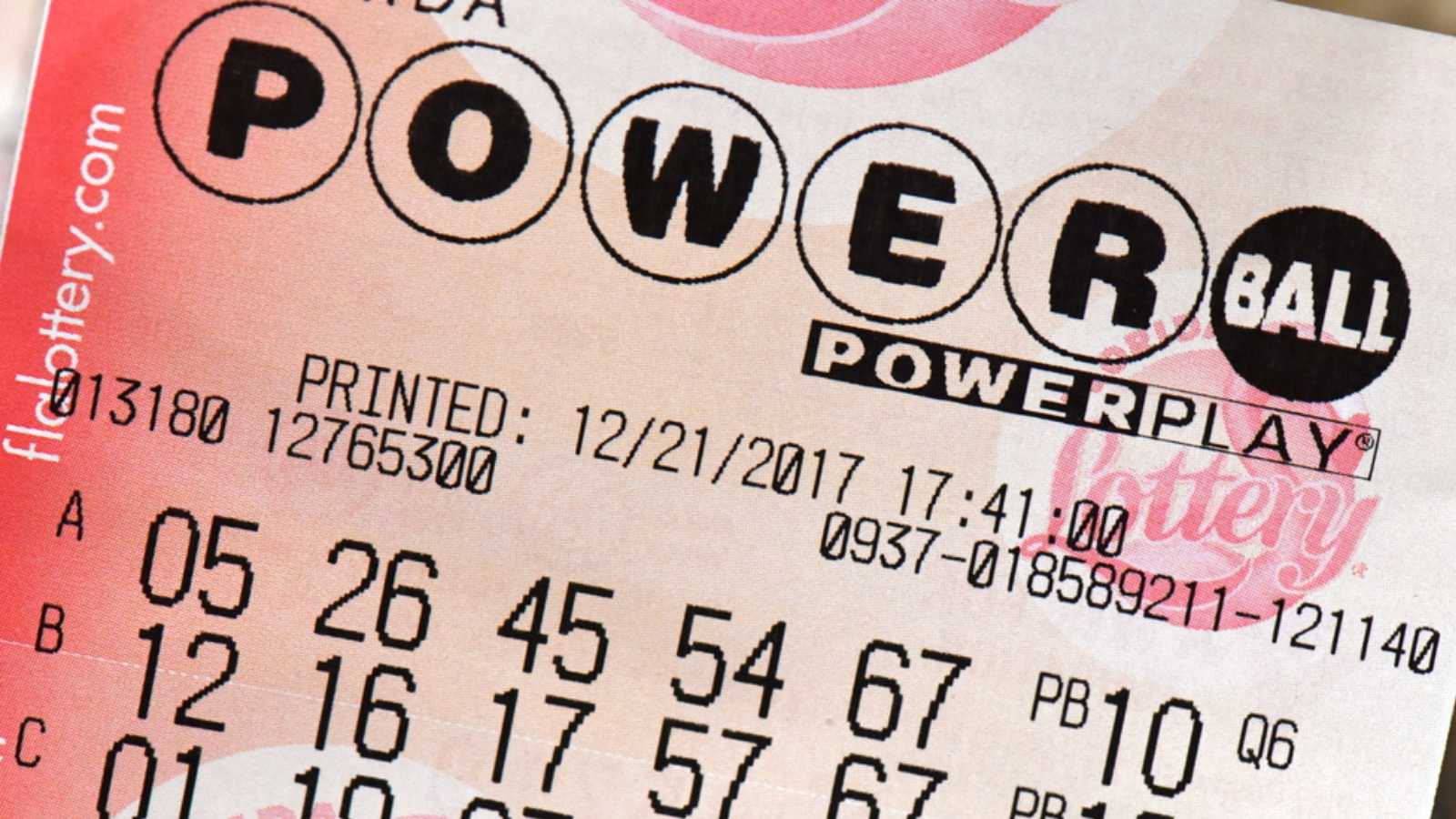
Buying lottery tickets is one of the biggest wastes of money. Many people buy lottery tickets with the hope of striking it rich. But when you buy a $2 ticket, the most likely outcome is you wasted $2.
When the jackpot gets huge, buying a ticket or two probably won’t break your budget. Someone will win eventually. Buying scratch tickets or regularly playing the lotto is not a financially sound decision.
16. Cable TV
Cable is no longer necessary with the rise of online streaming. Between paying for several channels you never watch, equipment rental fees, and hidden charges, you might save a lot of cash every month by getting rid of cable.
Examine your viewing habits if you’re paying for cable and streaming services. Are you sticking with cable TV for one or two shows? If so, popular cable channels like HBO and Showtime are available as standalone streaming services.
17. Streaming Services

More streaming services are coming online, and prices are going up. Like cable, you might pay monthly fees for a streaming service you don’t watch often. If you have multiple subscriptions, keep the one or two you watch most and cancel the rest.
18. Books

Books look nice on a shelf and might provide a more engaging experience than reading words on a screen. But they can also take up too much shelf space, and lugging books around in a backpack or box is a pain when you move.
Borrow books from the library if you usually buy a book, read it one time, and never touch it again. You’ll save money and space. Get a Kindle if you can’t bear not having a book to read all the time. Digital books are often cheaper, a Kindle travels well, and physical storage space won’t be an issue.
19. Newspapers

Many people appreciate newsprint and the ritual of reading the morning paper. If you prefer to save money and get your news in real-time, you can get most of your news online without paying. Explore other sources if your newspaper of choice uses a paywall for access. You might find a site or columnist you like better.
20. Mobile Phone Insurance

Cell phone insurance costs about $10 a month and covers you against damage, loss, and theft. If you’re careful with your phone and never use the insurance, you’re wasting around $120 a year.
Your cell phone insurance also has deductibles and limits. You can make up to 2 claims per year, your deductible could be as high as $299, and you’re not guaranteed to get the same make and model as a replacement. So, even if you use your insurance, you might still lose money.
21. The Latest Gadgets

Standing in line for hours to get the latest phone or tech toy wastes time and money. The latest version is often similar to the previous buggy and includes changes you might not like.
When something new comes out, the price of the previous version usually drops. If you need to replace your tech gear, buy one version from the current model. You might be able to save a lot of money without being on the cutting edge.
22. New Cars
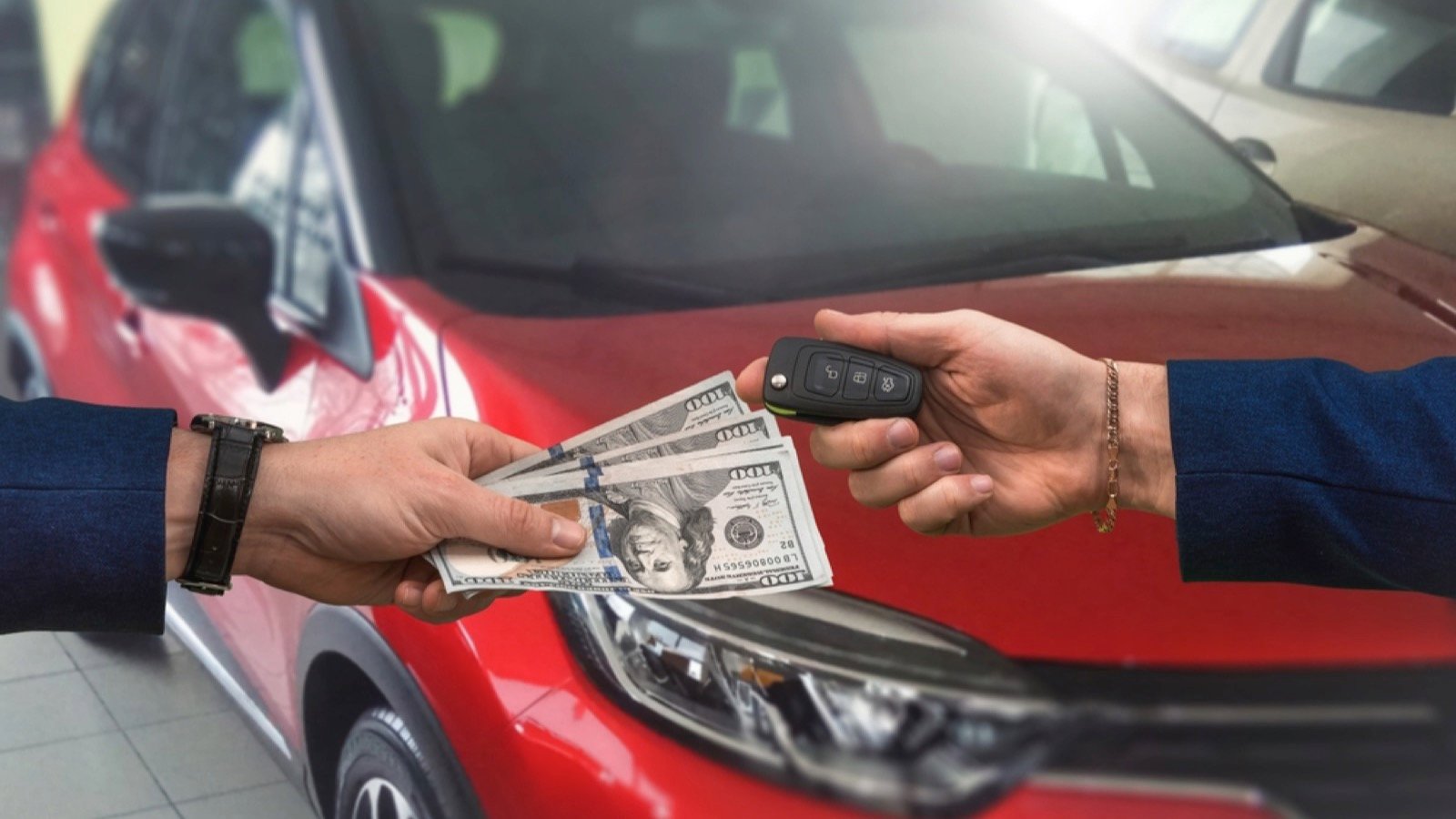
Buying a brand-new car is a big waste of money for most people. The value starts decreasing the moment you drive off the lot. That new car will be worth roughly 20% less than you paid after one year and 60% less after five years. Taking out a loan to buy a new car makes matters worse. Paying interest can add thousands to your total cost.
Then, there are ongoing expenses like car insurance, maintenance, registration fees, and fuel costs. You can find yourself car-poor, where you don’t have enough money to enjoy life or put toward your financial goals.
23. Premium Gas
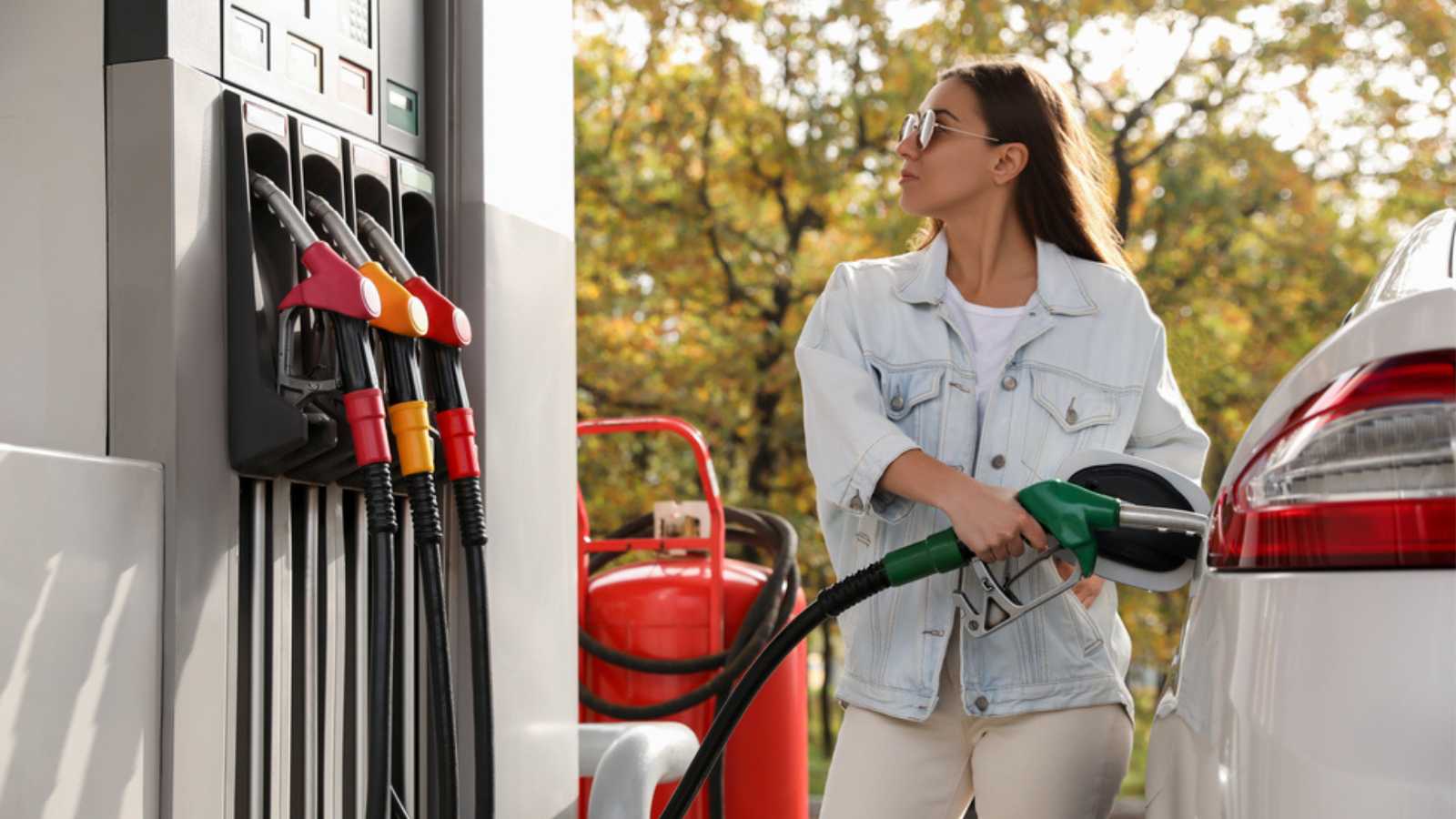
Premium gas is much more expensive than regular gas. According to this Car and Driver test, using higher octane gasoline than your owner’s manual recommends offers little to no benefit. It won’t give you better gas mileage; it’s not cleaner and doesn’t significantly improve engine performance. Unless your car manufacturer recommends it or you hear a lot of engine knock, regular will do.
24. Rental Car Insurance

If you’ve ever tried to rent a car cheap, you know car rental companies make it difficult. Most try to sell you extras and things you probably don’t need. Insurance is one of the more expensive upsells.
If you have car insurance, your policy probably covers you when renting a car. Many credit card companies include insurance when you rent a car using their card. Turning down insurance from the rental company can save you up to $30 a day.
25. Weddings

The average cost of a wedding in 2021 was $28,000, according to a survey conducted by The Knot. There are many better things to spend that money on than a one-day party. You could use it as a down payment on a house, pay off debt, go back to school, start a business, or save it for a rainy day.
If you want your wedding day to be about you and your partner without bankrupting your savings, there are plenty of cheap places to elope. If you have to have a wedding, find an inexpensive wedding venue where you can hold both the ceremony and reception, negotiate everything, and consider getting married off-season when vendors typically drop prices.
26. Brand Name Products

Store brands, generic products, and lesser-known brands are often just as effective, taste the same, or contain the same ingredients for a much lower cost. When you spend more on the same item, you’re paying for the name on the label.
Look at the products you buy frequently. Are your shopping bags filled with name-brand products? Are there things you buy frequently you could swap out for their generic counterparts?
Store brands or generics are often available for staples, household necessities, and health and beauty products. Drugstore cosmetics sometimes contain the same ingredients as high-end beauty products.
27. Unreturned Products

Sometimes, we buy things we regret. The product doesn’t work, won’t fit, or is disappointing. Not returning items you can’t or won’t use is a big waste of money.
Some stores make returning unwanted purchases a hassle and inconvenient. But if you’re unsatisfied, not returning a product with a money-back guarantee or to a store with a generous return policy is lazy. It’s also costly and unnecessary.
28. Extended Warranties

Extended warranties are usually not worth the money. They’re overpriced and don’t cover all the problems you could have. If the product works perfectly for the extended warranty period or you forget you bought it, it’s money down the drain.
29. Movie Theater Snacks

Movie theaters charge outrageous prices for popcorn, snacks, and drinks at the concession stand. It’s not illegal to bring your snacks, though theater management frowns on it. You should be fine if you are discreet, don’t make a mess, and don’t bring in alcohol or hot food.
30. Greeting Cards

The money you spend buying and sending greeting cards adds up. You could be out a couple of hundred dollars if you send your friends and family a card for every holiday, life event, and special occasion. Send a handwritten note instead. It’s far more thoughtful and much cheaper than paying $5 for a store-bought sentiment.
31. Paper Products

Single-use paper products like paper plates, napkins, cups, and paper towels generate a lot of unnecessary waste. Using paper products once and throwing them in the garbage means throwing money away.
You don’t have to use your good china, but you can pick up a cheap set of dishes at a dollar store or thrift shop. Reusable dishcloths, napkins, and cheap cups can replace their one-use equivalents.
32. Coffee Shop Coffee

If you spend more on coffee than you put toward savings every month, then coffee could be one of your biggest money wasters. You can make coffee at home that rivals your local coffee shop at a much lower cost. You won’t get rich giving up coffee, but if you give up your daily coffee shop run, you could save well over $1,000 a year.
33. Women’s Products
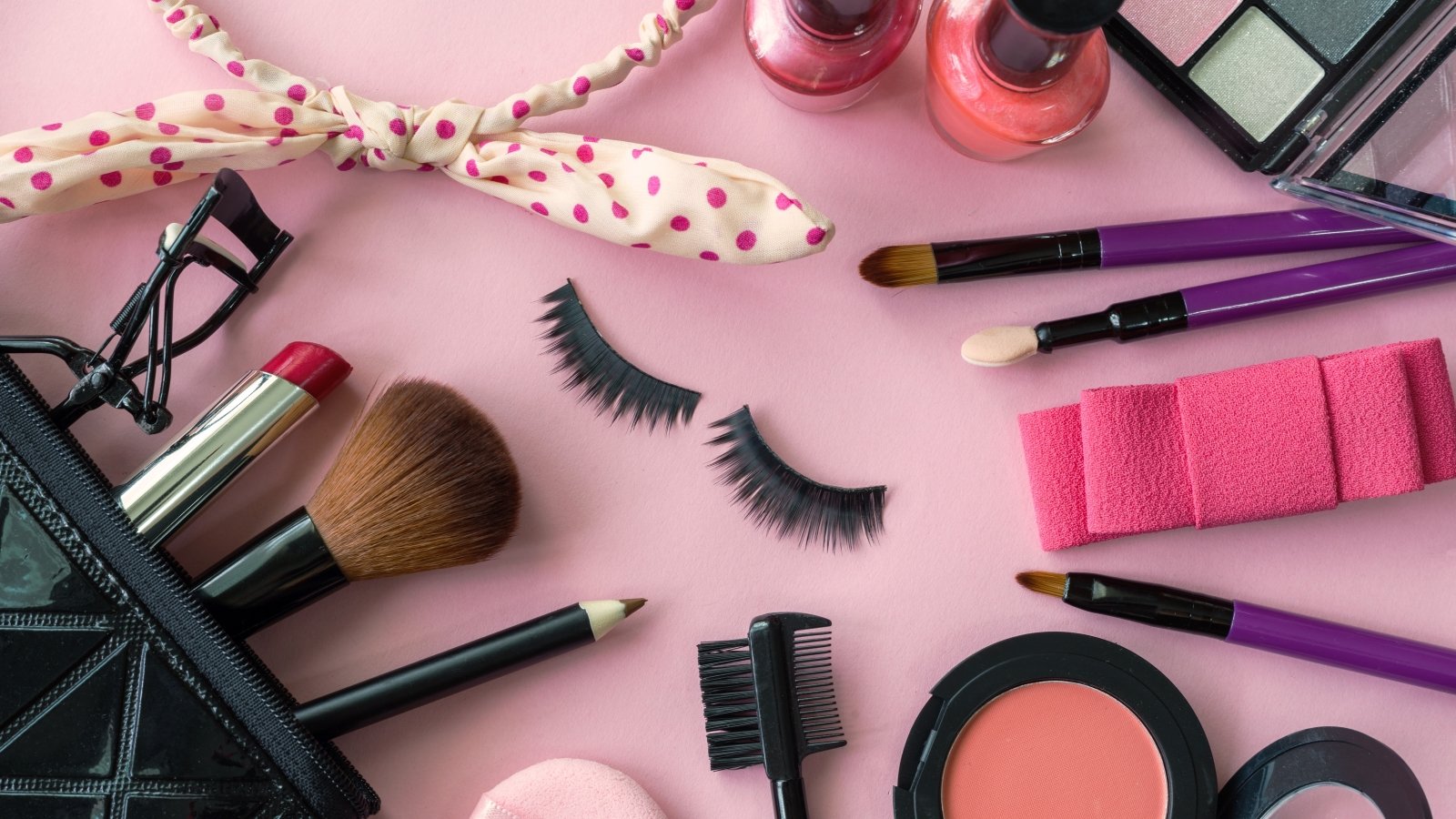
Products marketed directly to women often cost more. Some women’s items are also smaller or contain less despite costing more. It’s an insidious practice known as the “pink tax.”
Before you buy the pink T-shirt, disposable razors for women, or flowery-smelling body wash, compare the price and cost per unit to the manly or gender-neutral version. You might find that pink versions are just money wasters.
34. Name-Brand Medicines

Name-brand over-the-counter and prescription medicines cost significantly more than their generic counterparts. According to the FDA, generics undergo a rigorous approval process, work the same way, and are as safe as equivalent brand-name products. So you can stop wasting money when a generic version is available.
Purchasing the drugstore brand can save $2 – $4 per bottle of aspirin and OTC allergy meds. The savings are even more pronounced with prescription medications.
35. Identity Theft Insurance

Service providers can’t prevent someone from stealing your personal information or financial data. They can only alert you after the fact. Some credit card issuers offer free credit monitoring services and alert you to changes in your credit score. Request a free copy of your credit report once a year through annualcreditreport.com.
You can also freeze your credit files by contacting the three major credit bureaus: Equifax, Experian, and TransUnion. Other free ways to protect yourself from identity fraud include using strong passwords, not sharing your personal information on social media, shredding documents with sensitive information, and watching out for phishing scams.
36. Timeshares

Timeshares are often marketed as low-priced vacation homes that make excellent investments. That’s not true. They lose value immediately, are hard to get out of, and the burdensome maintenance fees typically rise yearly.
37. CDs and DVDs

Many people still spend money on CDs and DVDs even though they’re becoming obsolete and cluttering their living spaces. You can borrow music and movies from libraries for free, and subscribing to a monthly streaming service costs about the same as one disc.
38. Jewelry

Jewelry might not be the most significant waste of money ever, but it’s close. Jewelry is expensive and serves no useful purpose. It’s also a poor investment. Jewelry stores usually don’t buy back from the public. Stores that do and other avenues like pawn shops offer wholesale or meager prices for your pieces.
Many purchase engagement rings and other jewelry as gifts, symbolizing their love. There are many different ways to show someone you love them every day.
39. Express Shipping
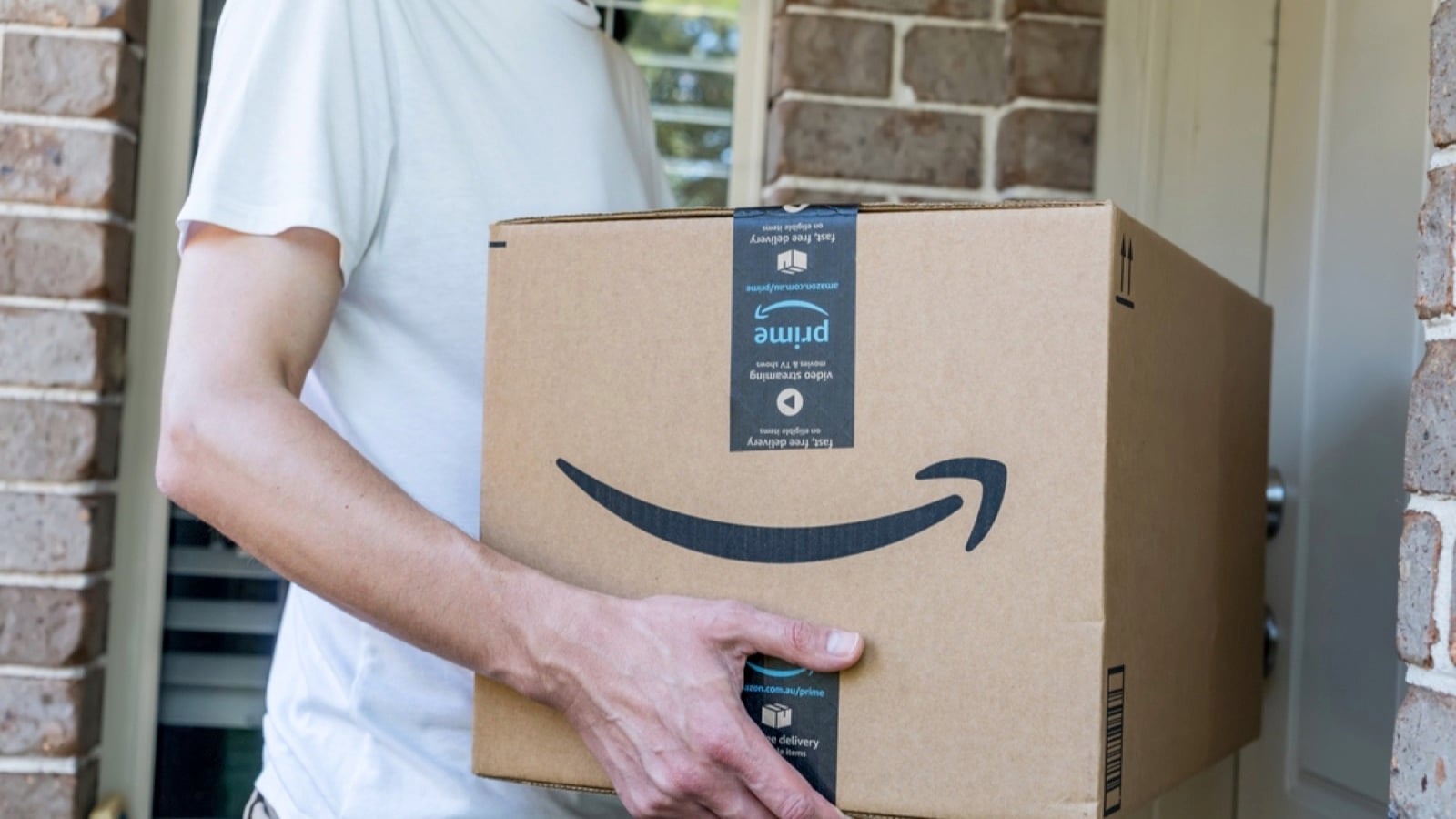
Online stores make a lot of money by charging extra for speedier shipping and handling. While standard shipping will take longer, spending additional money on express shipping isn’t worth it. If you need something immediately, don’t wait until the last minute; look for it locally.
40. Gift Cards

Gift cards are not as good a gift as you might think. Up to $3 billion in gift cards go unused every year. People lose them, forget about them, or don’t shop at the stores where the cards are accepted. Put a little more thought into your gift-giving.
41. Gym Memberships

A gym membership can be expensive. Gym memberships are a waste of money unless you regularly go all year round. There are plenty of ways to exercise and live healthier without going to a gym or spending much money.
The Biggest Wastes of Money

A big waste of money is not always obvious. You can always find things to waste money on. You get into spending patterns and routines without really thinking about it. If you find yourself throwing away money on the things on this list, consider making small incremental changes one at a time.
For example, you can easily find ways to throw out less food. The less you waste your hard-earned dollars, the more you have to put toward financial goals and things that matter. What’s the most significant waste of money for you? How do you plan to change it?
10 Practical Ways to Be Frugal Without Being Cheap

You can be frugal without being cheap by understanding the difference between price and value. A cheap person cares only about getting the lowest price. Frugal people look at price as one factor that determines value.
The Purpose of a Budget and 11 Reasons Why You Need One

The primary purpose of a budget is to track your income and expenses. A budget also ensures your bills are paid on time, helps you plan for the future, helps identify any bad spending habits or areas where you could reduce your spending, and ensures that your spending reflects your priorities. By creating a budget and sticking to it, you can ensure your needs are met, your bills are paid on time, you get out of debt, and you meet your financial goals.