Disclosure: This post may contain affiliate links, meaning if you decide to make a purchase via my links, I may earn a commission at no additional cost to you. See my disclosure for more info.
Many of us are tight on money these days. We’re always looking for ways to save or cut back on unnecessary spending. Let’s face it—that isn’t always easy. In fact, it’s quite hard. That’s why discovering a few genius savings hacks can make a big difference in managing your budget more effectively.
As someone who understands that money can be hard to come by, I know what it’s like to work with a tight budget. Whether you’re living paycheck to paycheck or simply trying to stretch your dollar to the max, I have some practical tips to help you save cash.
Check out the ideas below to reduce financial stress and increase bank balance.
1. Track Every Cent

The first step to saving is knowing where your money goes. Start by tracking every cent you spend. It might sound tedious, but trust me, it’s an eye-opener. Use a simple app or go old-school with a notebook. This habit will help reveal unnecessary expenses and help you feel more in control of your finances.
2. Embrace Meal Prepping

Eating out can drain your wallet fast. Instead, embrace meal prepping. Dedicate a few hours each weekend to cooking and storing meals. You’ll save both time and money, plus you’ll have the opportunity to experiment with new recipes.
3. Unsubscribe From Temptation

Those promotional emails from your favorite stores aren’t doing your budget any favors. Yes, sales are for saving money, but it doesn’t work that way if you’re buying things you don’t need. Unsubscribe from marketing emails to resist the temptation to spend unnecessarily.
4. DIY Household Cleaners

Skip the pricey cleaning products and turn to natural solutions like vinegar, baking soda, and lemon. DIY household cleaners are usually cheaper (sometimes costing just pennies per use) and are often better for the environment.
5. Use Public Transportation

When possible, use public transportation instead of driving. It’s cheaper because you’ll avoid parking fees and the maintenance costs of owning a car. Plus, it’s a small step towards reducing your carbon footprint.
6. Shop Second-Hand

From clothes to furniture, second-hand doesn’t mean second-best. Thrift stores, garage sales, and online marketplaces can be treasure troves of quality items at a fraction of the cost.
7. Automate Your Savings

Save without thinking about it by automatically transferring your savings account each payday. Even a small amount adds up over time, and you’ll find that you won’t miss the funds once they’re out of sight.
8. Cancel Unused Subscriptions
Check your bank statements for subscriptions you no longer use. Gym memberships, streaming services, and magazine subscriptions can silently consume your budget. Cancel them, and watch your savings grow.
9. Grow Your Own Herbs

If you like to cook, you know that the cost of buying fresh herbs can quickly add up. But did you know that most herbs are easy to grow and require little space? Set up a small garden near a window, and you’ll enjoy fresh herbs whenever you please.
10. Use Energy-Efficient Appliances

Investing in energy-efficient appliances might cost more upfront, but the savings on your utility bills will be worth it. When you’re ready to buy a new refrigerator, dryer, or other large appliance, spend a little extra time researching to save big later.
11. Plan Your Grocery Shopping

I used to be the kind of shopper who always picked up something extra here and there, which wrecked my budget. Now, I make a list before heading to the grocery store and stick to it. A list helps you avoid impulse buys like junk food and trinkets.
12. Take Advantage of Free Entertainment

Plenty of free entertainment options exist for libraries, community events, and parks. This weekend, explore your city, join community groups, and enjoy experiences that don’t cost a dime, and you’ll save money with little effort.
13. Repair Instead of Replace

We live in an increasingly disposable society, but you don’t have to follow the crowd if you don’t want to. Rather than toss something out when it breaks, consider whether you can repair it. For less than buying new, you can often fix many things, including clothes, electronics, and furniture.
14. Use Cashback and Reward Programs

Sign up for cashback and reward programs at stores you frequent. These programs offer savings on purchases you’re already making, keeping your budget intact with no effort. Just be sure not to spend more than necessary only to earn rewards.
15. Do a No-Spend Challenge

Saving money doesn’t have to be boring; make a game of it and see how much you can keep in your wallet! For example, challenge yourself to a no-spend month on non-essential items — my go-to is no fast food. Challenges like this reset your spending habits and help you realize how much you can save by cutting back on extras.
16. Reduce Utility Bills

You’ll be surprised to see how much utility costs cut into your budget. Try simple changes like turning off lights, fixing leaks, and using energy-saving bulbs, and you’ll see dollars drop off your bill. Remember: Small monthly savings add up to a significant amount over the year.
17. Refinance High-Interest Debt

Whether dealing with credit cards, student loans, or other debt, consider refinancing options to lower high interest rates. A lower interest rate means more of your payment goes towards the principal, helping you get out of debt faster.
18. Cook in Bulk

Cooking in bulk and freezing meals for later saves both money and time. Buying ingredients in bulk is often cheaper, and you’ll always have a meal on hand, reducing the temptation to eat out. I like to do my bulk cooking on the weekends, so my weekdays aren’t as busy.
19. Use a Programmable Thermostat

Heating and cooling costs account for a large portion of any budget. However, using a programmable thermostat can cut these costs significantly. Set yours to adjust the temperature when you’re sleeping or not home, and you’ll see a reduction on your next bill.
20. Practice Preventive Healthcare

I wish I heard this more when I was younger: Taking care of your health can save money in the long run. Regular check-ups, a balanced diet, good sleep, and consistent exercise don’t have to cost much, but they’ll help prevent expensive health issues later in life.
21. Learn Basic Car Maintenance
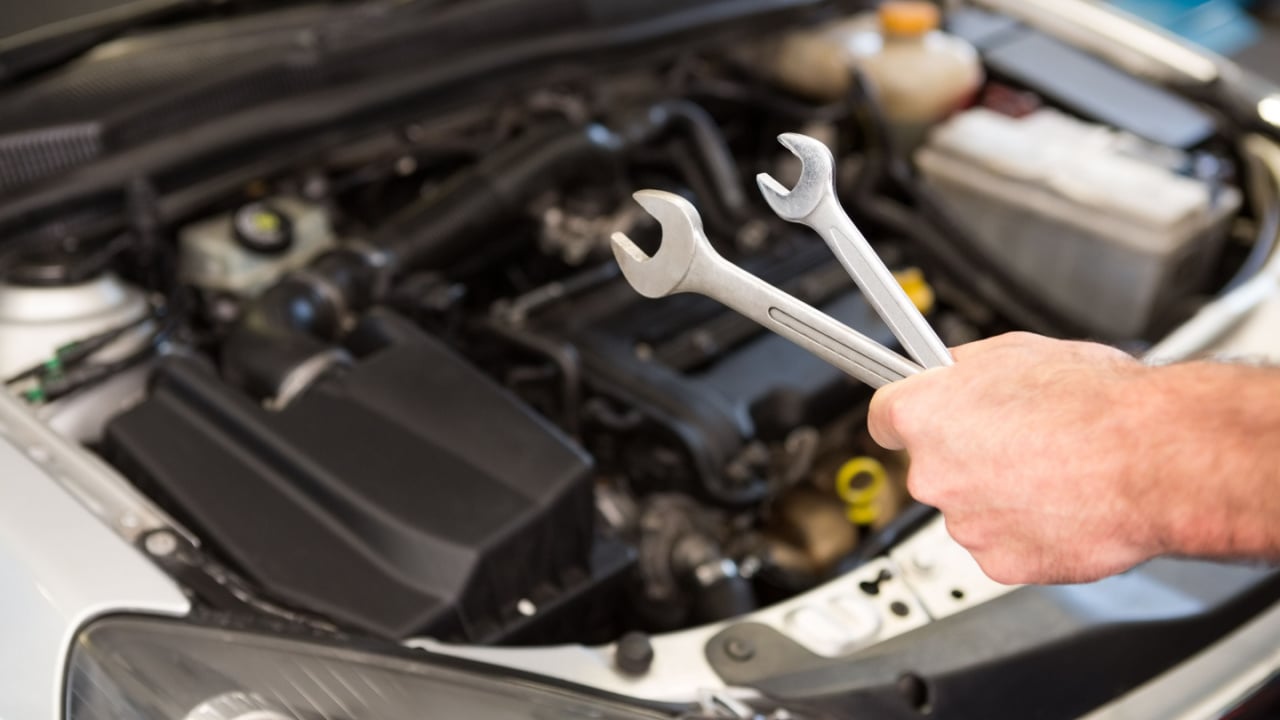
The idea of car maintenance used to scare me, but honestly, there are so many things you can take care of at home. Things like oil changes and tire rotations may seem daunting if you’re a novice, but watch a few YouTube videos, and you’ll see they’re not difficult to do (even though they cost a fortune at the dealership!)
22. Utilize Free Online Courses

Universities like to make you think that investing in yourself has to cost a lot of money, but it doesn’t have to. Whether you want to learn a new skill or have an interest in a particular subject, you’ll find countless free online courses you can take, some of which may even award you a certificate.
23. Host Potluck Dinners

I’ll say it: Eating out is way too expensive these days! My budget can’t handle it anymore, but that doesn’t mean enjoying prepared food is off the table. These days, I invite friends and family to potlucks! When everyone chips in, the cost of “eating out” is significantly reduced.
24. Cut down on Coffee Shop Visits

I know people like to joke about the whole “brew your own coffee to save money” idea, but I stand behind it. For the equivalent of a couple of cups of coffee at a shop, you can easily purchase a high-quality bag of beans and make coffee for a month.
25. Shop Off-Season

This tip requires some planning, but the payoff is worth it. Need a new winter coat? Don’t buy it when the weather is cold; wait until spring. Stores clearance out-of-season merchandise to make way for new inventory, so this is your chance to snag massive deals on things you’ll need for next year.
15 Activities Now Out of Reach Amid Economic Price Surge

In this era of profound social division and discord, one thing everyone can agree on is worsening conditions for healthy personal finance. Whether it’s the dream of homeownership, the goal of building a robust investment portfolio, or simply affording necessities like food, individuals across the spectrum struggle to overcome the decline in their financial well-being due to economic changes.
15 Smart Tips for Living Well on a Strict Budget

In today’s economy, strict budgeting has become a reality for many, sometimes involuntarily. With fast fashion and rapidly changing trends, temptations are on the rise. Mastering a budgeting mindset can empower a person to manage their finances responsibly. It’s a step towards achieving self-fulfillment while leaving room for some fun.