Disclosure: This post may contain affiliate links, meaning if you decide to make a purchase via my links, I may earn a commission at no additional cost to you. See my disclosure for more info.
Grocery prices are no joke. The average American family spends more than $1,000 a month on groceries. This number is even higher for families with more than three kids.
When you’re spending $1,000 a month on groceries, you have to find a way to make them stretch to save money. Thankfully, there are quite a few simple and creative ways to do this.
To curate this list of easy hacks, we chose ones relatable to most families. The hacks also take less than 10 minutes to complete.
Here are 15 easy hacks to make your food last longer for big savings.
1. Freeze Meals Quickly
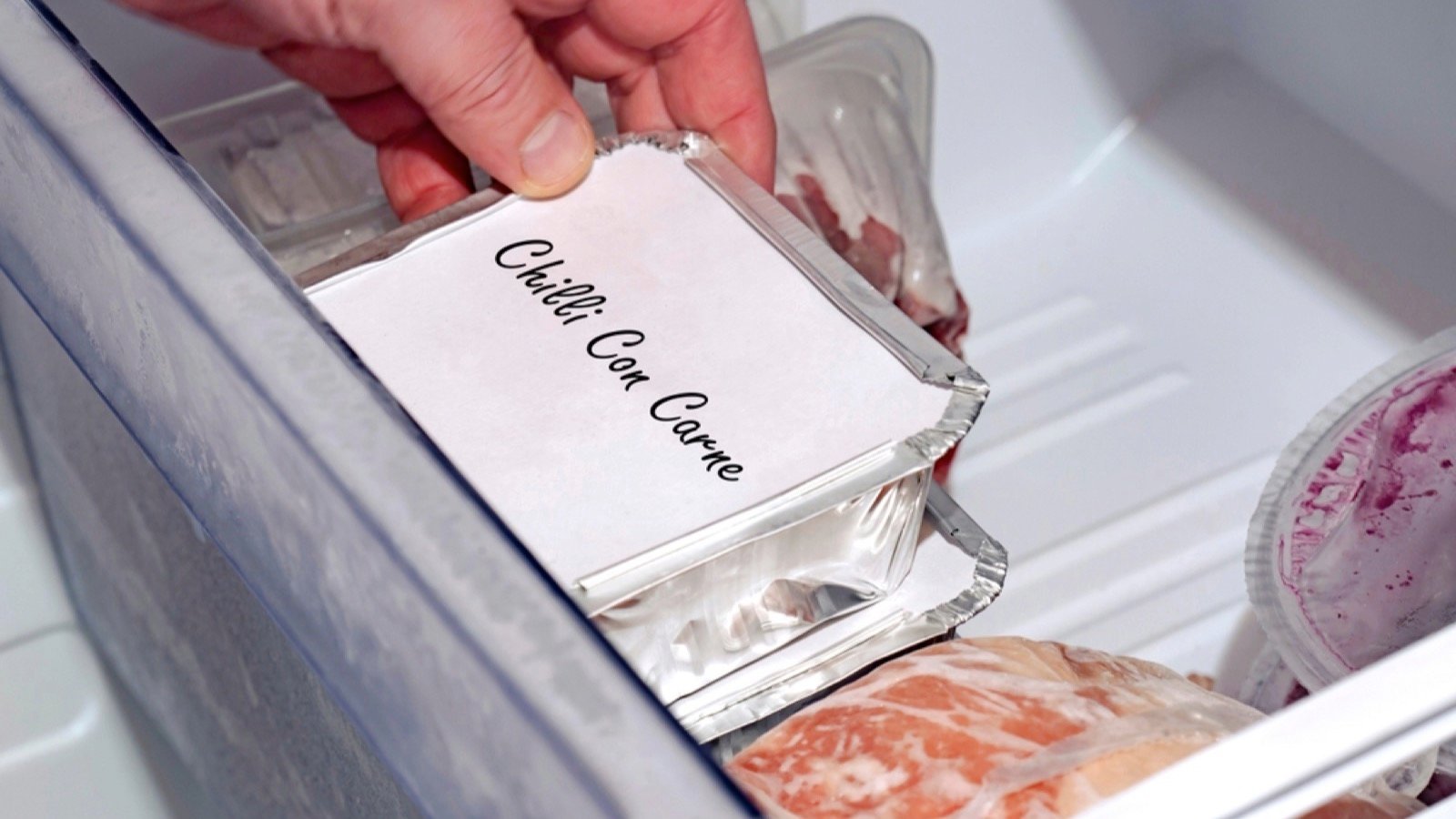
Are you like me? Do you accidentally make enough food to feed an army? If yes, consider freezing your meals in freezer-ready Ziploc bags.
It only takes a few moments to store food away. Don’t forget to add a label so you know how long it’s been in the freezer. This doesn’t just save you money, but time on an exhausting day you don’t want to spend hours cooking.
2. Save Your Chicken Bones
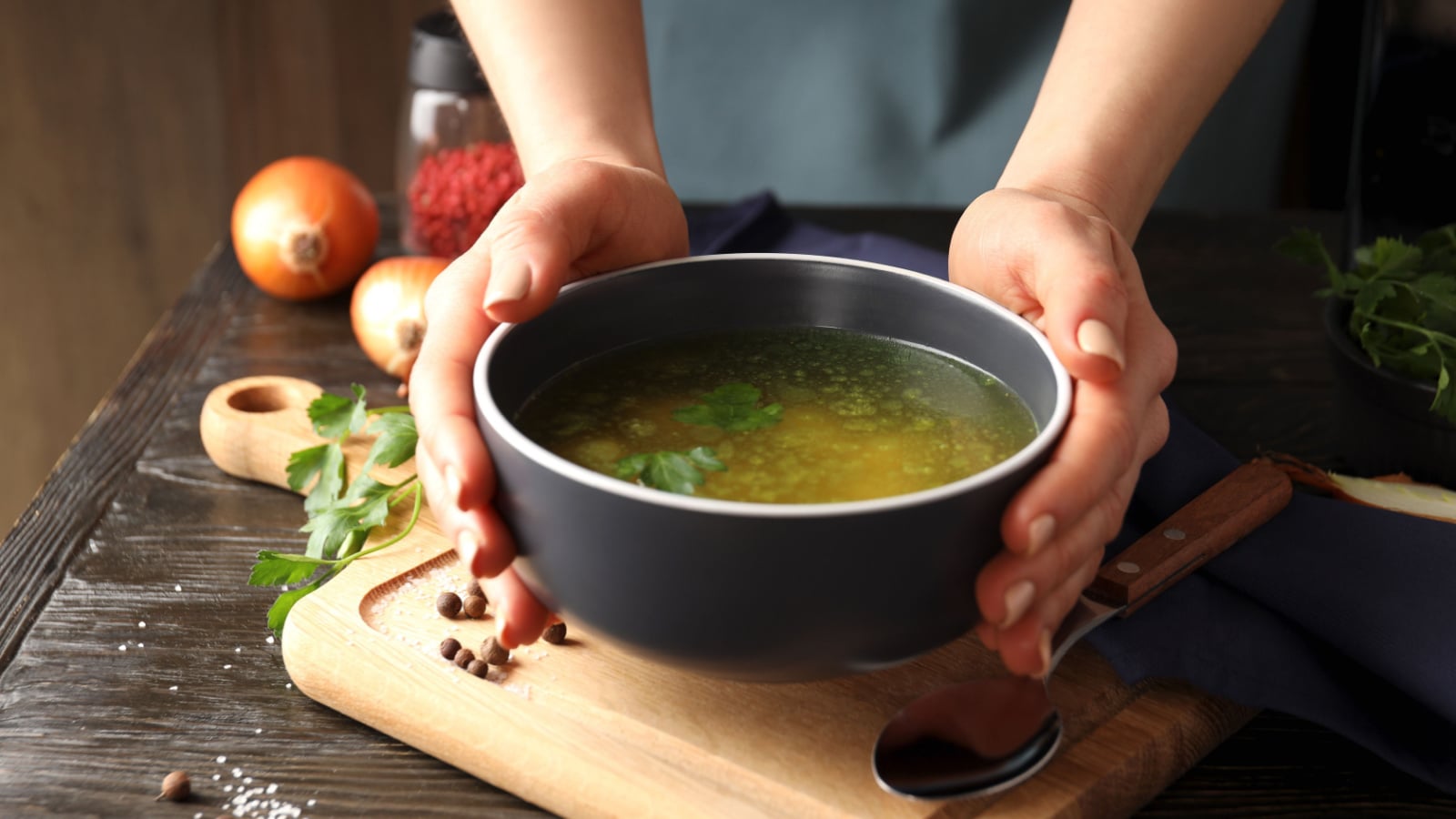
Most people toss their chicken bones away. But did you know you can use chicken bones to create a delicious, cheap, and savory home-made chicken stock?
Chicken stocks use very few ingredients. While recipes vary, chicken stock requires chicken bones, skin, garlic, and fresh herbs.
3. Don’t Toss Vegetable Scraps

So, what happens if you don’t like chicken? That’s okay! If you are more of a vegetable person, don’t toss your vegetable scraps.
Like the hack above, you can make vegetable stock from a few ingredients. With water, olive oil, a little bit of vinegar, and vegetable scraps, you can make nutritious vegetable stock for soups and stews. Skip buying pre-made stock from the store.
4. Fry/Bake Potato Skins

There are so many things you can do with vegetable scraps! If you’re anything like me, you use potatoes in almost every meal. They are filling and cheap.
Instead of throwing away your potato skins, save them. You can air fry, fry, or bake thin potato skins to eat as a snack.
5. Keep Bread Covered

I hate finding moldy bread. There are few things worse than craving a sandwich, and only finding moldy or stale bread. Not only does it ruin your appetite, but since you have to toss it, it’s a waste of money.
To save money on bread and make it last longer, keep your bread covered. Don’t store it in the plastic it comes in. According to a former head baker, Madelyn Osten, bread boxes work well to keep mold away.
6. Store Food at the Right Temperature

Faulty refrigerators set at the wrong temperature can ruin your food. If your refrigerator isn’t cold enough, your milk, cheese, and deli products can go bad fast.
But what is the perfect temperature? The U.S. Food and Drug Administration (FDA) recommends you set your refrigerator to 40 °F or below.
7. Understand Expiration/Best by Dates

Did you know expiration and best-by dates aren’t the same thing? For the longest, I assumed they were and threw away an unfortunate amount of food.
Understanding these dates can help you plan better. Best-by dates are a form of expiration dates, but they don’t mean the food has already gone bad. Instead, a best-by date indicates the best flavor and freshness before the date. You can still eat it!
8. Store Milk Towards the Back of Your Fridge

Accidentally drinking rotten milk is awful. It’s never a good start to the day when you pour milk, only for it to taste or smell funky. This is likely because it was stored wrong.
To save you money, here’s a tip: store your milk towards the back of the fridge. Milk towards the front changes temperature slightly when the door is open, which can make it go bad faster. Dairy products should be refrigerated consistently at below 40°F.
9. Veggies Go in the Drawers
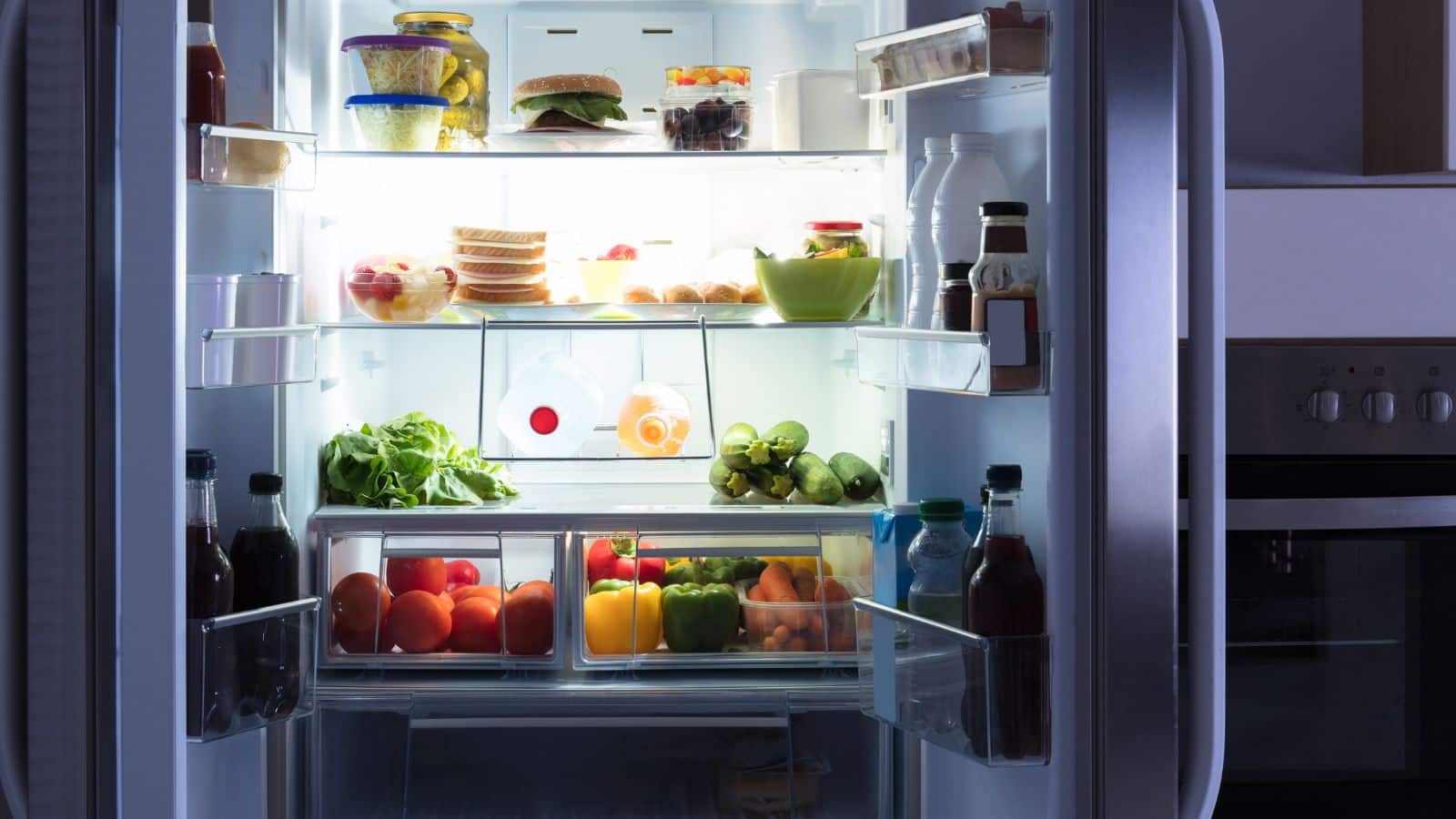
Vegetables last longer when they are placed in the crisper drawer. Have you ever wondered why refrigerators have drawers with settings at the bottom? These are called crisper drawers.
Crisper drawers work because they have a higher humidity than the rest of the fridge. It keeps your leafy greens and peppers fresher longer.
10. Label Opened Cans

Labeling open foods is a great way to save money. It’s easy to forget how long a can of tomato sauce or leftover beans has been in the fridge.
Labeling doesn’t just help you navigate your fridge but makes it easier to clean. If you know something was opened a few days ago, you can plan to use it again before it goes bad.
11. Label Leftovers
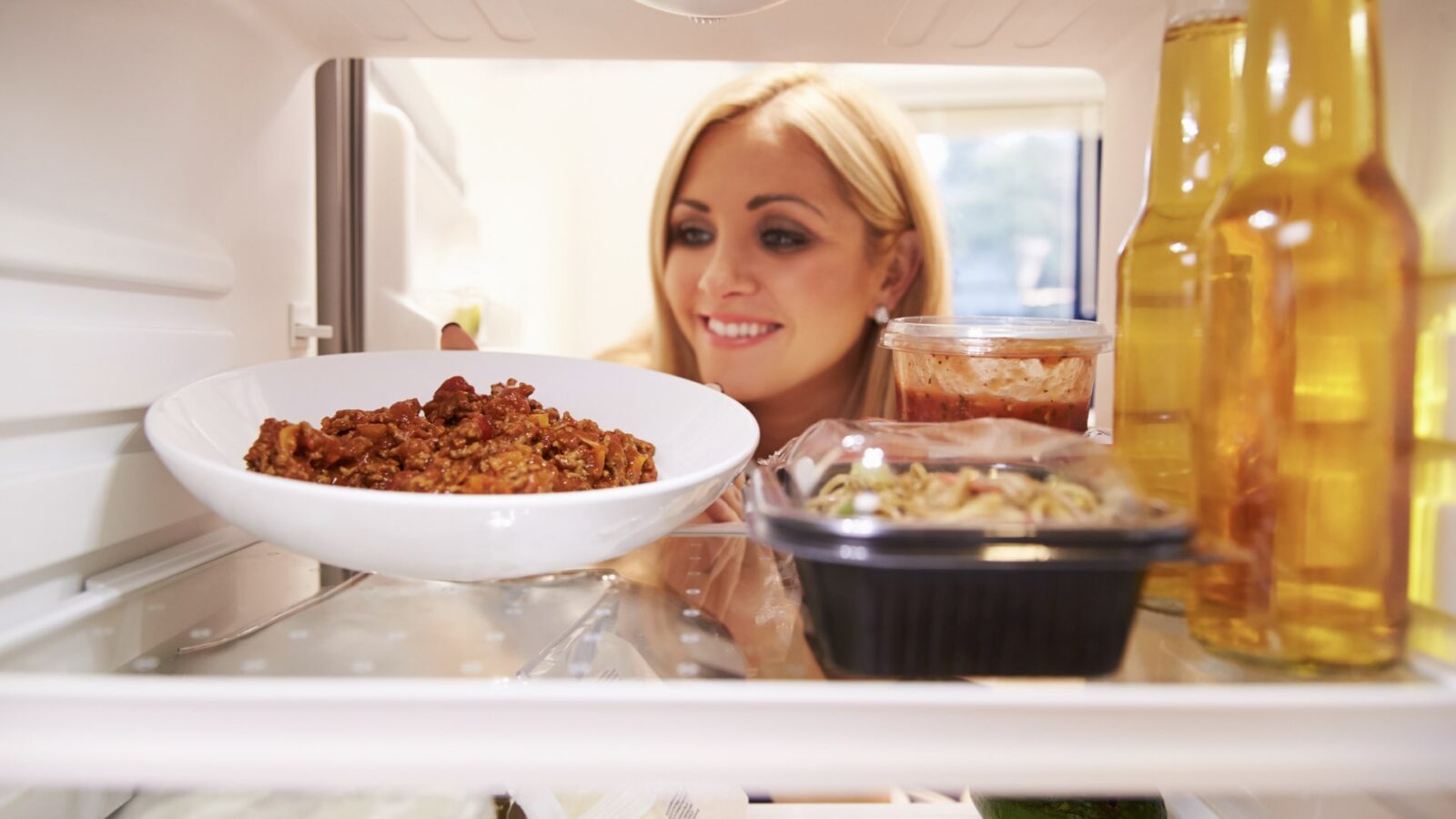
Another labeling hack makes our list. You should label not just opened cans or containers of food but also leftovers.
I love storing leftovers, even though cooking every day can be exhausting. Unfortunately, I also forget they are there. To help yourself remember, label your leftovers. You can do this cheaply with a piece of tape and a Sharpie.
12. Store Food in Airtight Clear Containers

When you don’t store food in an airtight container, it invites bacteria and moisture. Moisture and food are not a good combination. This leads to mold fast.
My tip to you for food to last longer is to use clear, airtight containers. So, why clear? Clear containers are easier to see. You don’t have to guess what’s in them.
13. Wait for Hot Food to Cool Down Before Storing

Storing food is all about balance. You can’t leave food too long outside as it breeds bacteria. However, storing hot food too quickly can do the same.
Another way to extend the life of food and boost grocery savings is to store it only when it’s cooled.
14. Not All Foods Need to Be Refrigerated

Not all fruits or vegetables need to be stored in the fridge. Understanding which foods can remain outside not only gives you space but they last longer.
Fruits and vegetables that can remain outside include tomatoes, apples, bananas, pears, avocados, onions, garlic, oranges, and potatoes.
15. Hang Bananas

Bananas are a unique fruit. They ripen quickly and cause other fruits to also ripen fast. Because of this, it’s best to keep your bananas hung up and away from other fruits.
While bananas can ripen fine on the counter, they can also bruise. To minimize mushy, bruised spots, keep bananas hung up.
An Aldi Insider Reveals 15 Freezer Must-Haves for Solo Shoppers
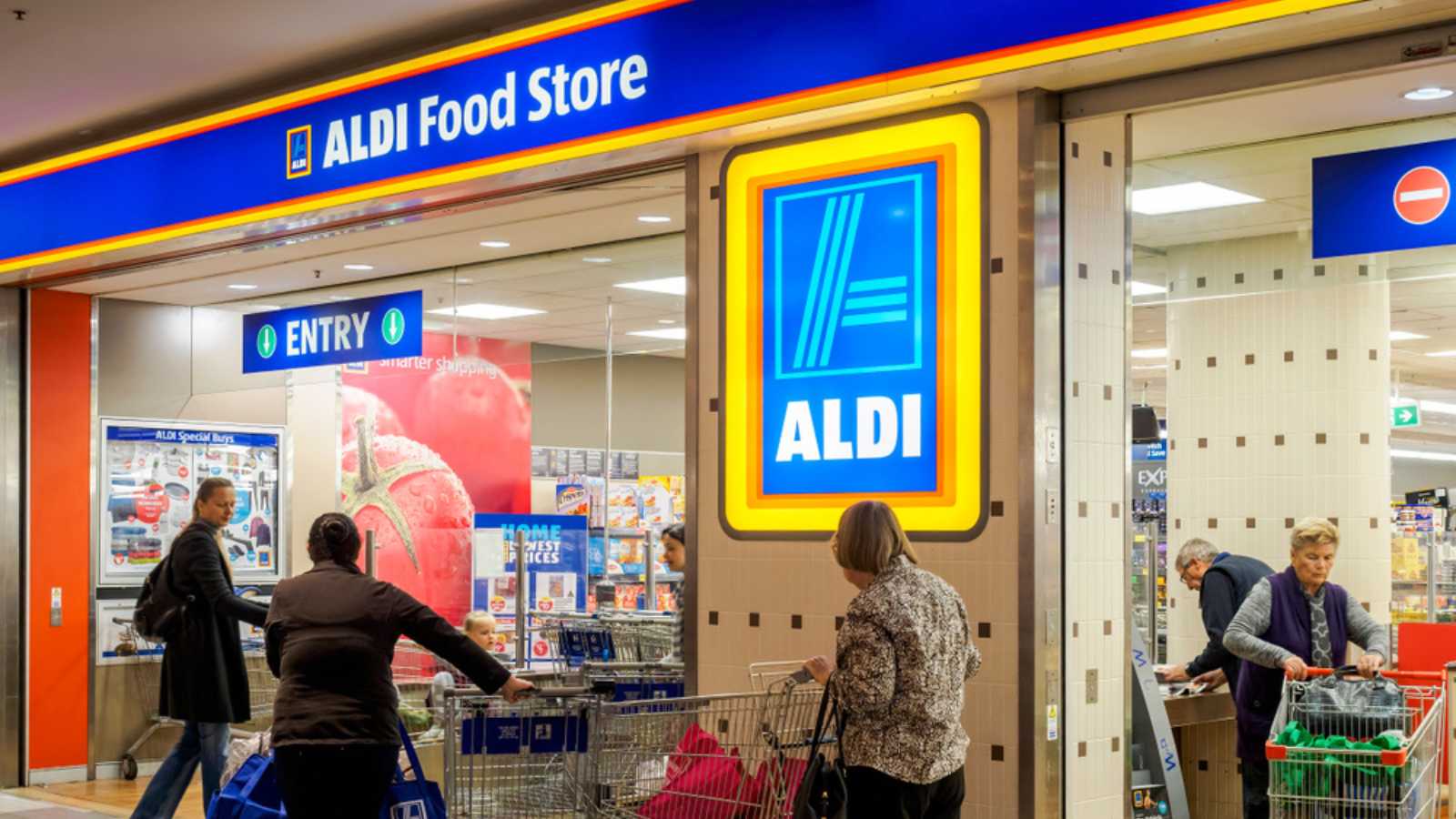
If you’re a bargain shopper, Aldi is likely on your list of go-to places to buy groceries. Frugal shoppers everywhere love the deals they find at Aldis.
For a solo Aldi shopper, perusing the frozen section involves grabbing fundamental essentials. The ease of Fusia Asian Inspirations shrimp-and-avocado rolls and Kirkwood chicken breasts makes them go-to meal options. Indulging in dessert, they prefer the Sundae Shoppe keto ice cream in peanut butter-fudge flavor.
One Aldi employee offers insights and valuable recommendations on the top 15 frozen section items to enhance the shopping experience. You will love the finds on this list if you’re a regular Aldi shopper. If you’re not, perhaps this list will change your mind.
30 Tricks to Save on the Electricity Bill No One Talks About

Utility bills are inevitable, but you can reduce your consumption and spending. Here are thirty uncommon tips to help you be more energy-conscious, benefiting the planet, your wallet, or both.
10 Practical Ways to Be Frugal Without Being Cheap

You can be frugal without being cheap by understanding the difference between price and value. A cheap person cares only about getting the lowest price, while frugal people consider price as one factor determining value.