Disclosure: This post may contain affiliate links, meaning if you decide to make a purchase via my links, I may earn a commission at no additional cost to you. See my disclosure for more info.
Home cooking is suitable for both the body and the budget. However, the craving for restaurant-quality food is sometimes too hard to deny. Instead of spending money on eating out, save by learning expert cooking tricks that bring gourmet flavors right into your kitchen.
Make delicious meals with tips and tricks borrowed straight from the playbook of professional chefs.
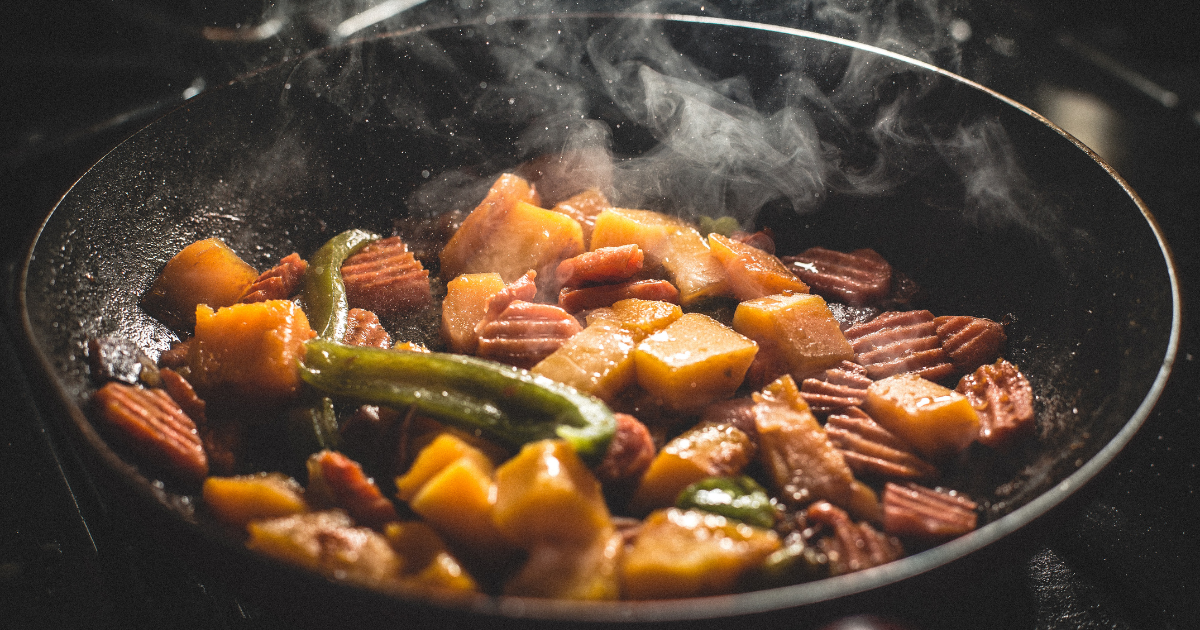
Expert Cooking Tricks
1. Start Practicing Mise en Place
Ever forget to preheat the oven before baking a cake? Professional cooks are always prepared in the kitchen because they practice “mise en place.” Translated, this French culinary term means “set up” or “putting everything into place.”
Think of the kitchen like a cooking show. Before placing anything in a hot pan, read the recipe and gather all the ingredients. Have everything measured, diced, seasoned, and ready to go.
Practicing mise en place is the best way to avoid that last-minute scramble for a forgotten ingredient.
2. Learn How to Handle Knives Safely
“Having great knife skills isn’t just for chefs, and it’s not just about pretty food,” says Lan Lam, line cook and senior editor of Cook’s Illustrated.
“As you get more comfortable wielding a knife, cooking takes less time, there’s less food waste,” she explains in a video for the America’s Test Kitchen YouTube channel. “When you have to prepare a large meal, it’s less intimidating. And best of all, you don’t worry about hurting yourself in the kitchen.”
Research how to properly cut vegetables and other ingredients, keeping all fingers out of harm’s way. Practice safely chopping onions into big chunks or the multiple shapes chefs use in kitchens. Attempt slicing peppers into long, thin julienne strips or tiny, diced brunoise cubes.
3. Don’t Be Afraid to Cook With a Hot Pan
The trick to a juicy chicken breast or steak is to sear the outside in a scorching hot pan. Searing the exterior creates a barrier that locks in the moisture and prevents the meat from becoming tough and dry. Cooking the outside at such a high heat produces a chemical reaction known as the Maillard reaction, which results in a brown, caramelized exterior that is also full of flavor.
However, be careful not to overcook thin pieces of meat. Chicken or salmon should always be cooked skin-side down first to create a crispy, golden skin. For thicker cuts, sear the exterior first and then finish cooking at a lower temperature or in the oven. Lastly, always let meat rest for a minute before slicing and serving.

4. Keep Scraps in the Freezer for Homemade Stock
“Stock is the backbone of good cooking,” wrote the late chef Anthony Bourdain in Kitchen Confidential (2002). Bourdain went as far as declaring, “Life without stock is barely worth living.”
Making stock at home is easy and cheap, but it takes a little time and patience. Start by saving leftover vegetable scraps and meat bones in a sealed bag in the freezer. When the time comes, toss them into a large pot and fill three-quarters with water.
Add a bundle of fresh herbs, salt and pepper to taste, and bring to a boil. Finally, lower the temperature to a simmer and reduce for at least two hours—or until the stock becomes rich, golden, and flavorful.
5. Don’t Waste the Flavor at the Bottom of the Pan
After making golden-brown, crispy chicken in a hot pan, take some homemade stock and deglaze the pan.
In cooking, deglazing refers to pouring liquid into a hot pan to scrape up all the dark, caramelized bits at the bottom of the pan—also known as the “fond.” Release the fond by adding a splash of stock, wine, or even water and use it to make a sauce or gravy.
6. Brighten up a Dish With a Finishing Touch
Professional cooks understand balance and are experts in creating a symphony of flavors and textures in the mouth. They know exactly how to fix a dish that is too salty, sweet, or oily, but they can also make a dish sing.
Many dishes benefit from a finishing touch that brings all flavors together. Consider hitting that pad thai with a splash of lime juice right before serving. Add some freshly chopped parsley to that plate of spaghetti alfredo.
Sprinkle a little sea salt on a brownie to highlight the sweetness.
7. Be Creative in Using Ingredients
In 2022, the breakout star of the NYTCooking Christmas recipe series was the gochujang cookie. Adding gochujang, a Korean spice paste, resulted in a surprisingly delicious and different type of sugar cookie.
The more time spent learning in the kitchen, the more natural it becomes to experiment with new ingredients. Understanding which flavors pair well together often leads to exciting discoveries. Professional chefs know that the real joy of cooking lies there.