
Disclosure: This post may contain affiliate links, meaning if you decide to make a purchase via my links, I may earn a commission at no additional cost to you. See my disclosure for more info.
Climate change is a controversial topic that seems to bring out the worst in people. But don’t worry. We are not going to tackle the subject of climate change today. However, most can agree that it is better to live in a way that doesn’t pollute or degrade the environment. Many strive to buy products and instill habits that support their needs while improving the environment. Luckily, this goal is easier to achieve than you might think. With a few simple tweaks, you can reduce your impact on the environment and enjoy a healthier lifestyle. We’ve listed 17 simple ways to live a more eco-friendly life. We’re not suggesting this has any impact on climate change or trying to make a political statement with these tips. Some of them, if adopted, can save you money. And isn’t that something that everyone would like to do?
1. Use Biodegradable Household Products

Limit the amount of waste by purchasing biodegradable, non-synthetic products like recycled toilet paper, bamboo or hemp products, natural ingredient shampoo, and deodorant. Biodegradable products can help reduce the impact on the environment.
2. Use Eco-Friendly Cleaning Products

There are multiple benefits of using eco-friendly cleaning products. Most are non-toxic, so they’re safer to use in a household with children and pets. Today’s eco-friendly cleaning products are as good as, if not better, standard cleaning products.
3. Insulate Your Home

A poorly insulated home wastes energy. Consider installing cavity wall insulation, double-paned windows, or draft excluders to seal windows and gaps under doors. If you have radiators, invest in foil to reflect the heat into the room. If you have the budget, adding loft insulation can help reduce energy costs.
4. Change to Energy Efficient Lighting

Switch your traditional bulbs to energy-efficient ones that last up to 12 times longer. According to the U.K.’s Energy Saving Trust, changing to LEDS can save up to £5 a year per 50-watt bulb and up to £4 yearly for a 35-watt bulb. That averages about $6.31 and $5.05 in U.S. dollars, respectively.
5. Switch to a Plant-Based Diet

Switching to a plant-based diet is a great way to help the environment and improve your health by reducing your consumption of red meat. According to the U.S. Environmental Protection Agency, one cow produces 154 to 264 pounds of methane gas yearly.
6. Turn Off Devices
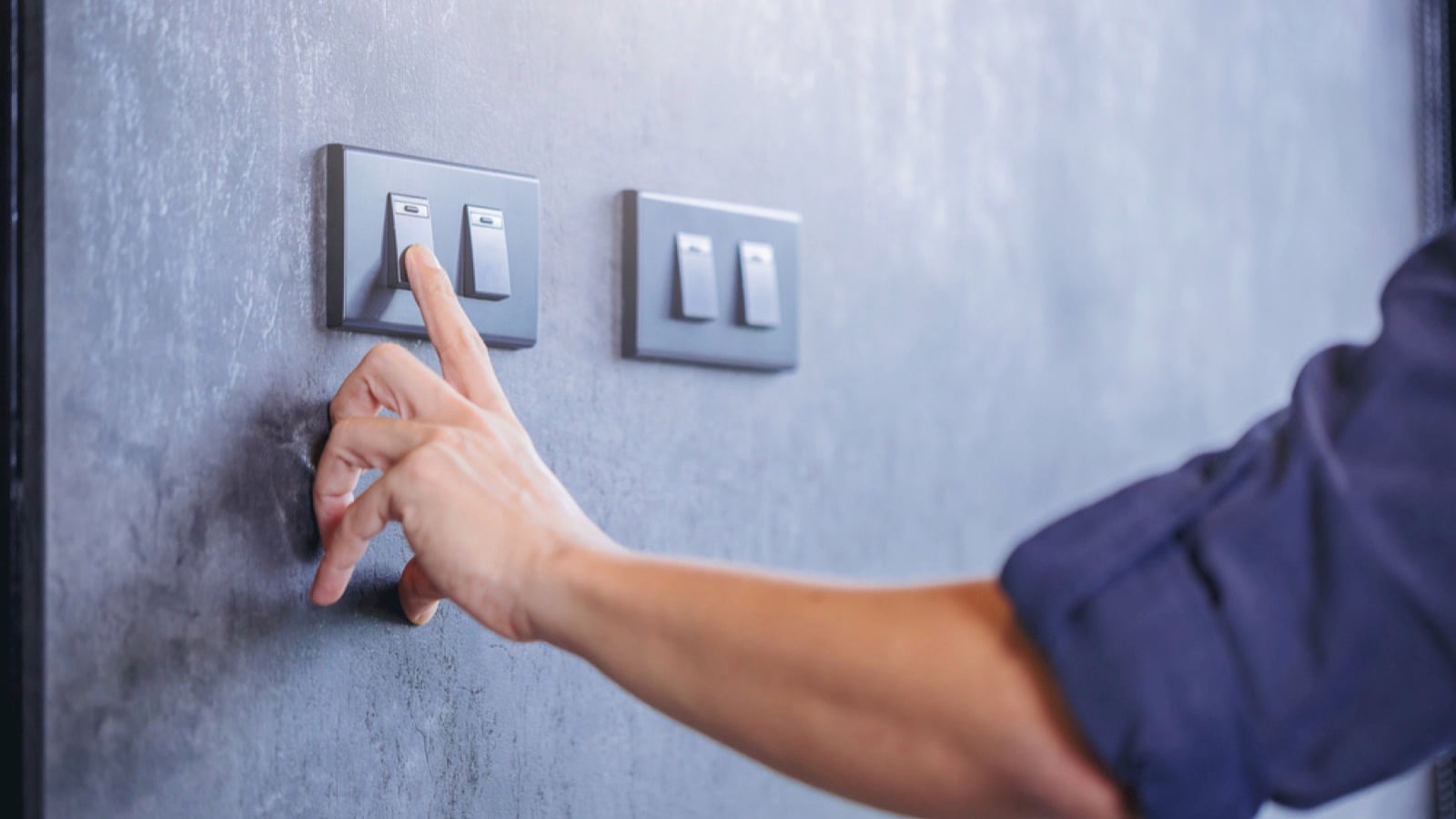
Turn off devices when you’re not using them to reduce your carbon footprint and conserve energy. For instance, turn the T.V. off at the wall instead of leaving it on standby, and you could notice improvements in your energy bills.
7. Switch to Renewable Energy

Switching your energy supply to a renewable source is an eco-friendly way to help the climate and potentially save costs. Shop for the best deal, or ask your utility provider if they have a renewable energy package.
8. Reduce Food Waste

The average American family throws away about $1,600 of food yearly. According to Feeding America, this adds up to over $408 billion tons of wasted food yearly, ending in landfills. Where possible, freeze food instead of throwing it away.
9. Start a Compost Bin

If food has decayed or passed its sell-by date, compost it to create a natural fertilizer. Composting reduces the amount of waste food in landfills. If you don’t have a garden, explore whether local compost providers are nearby. Keep compost away from pets since they don’t know the difference between yummy cookies and rotting food.
10. Recycle Everything
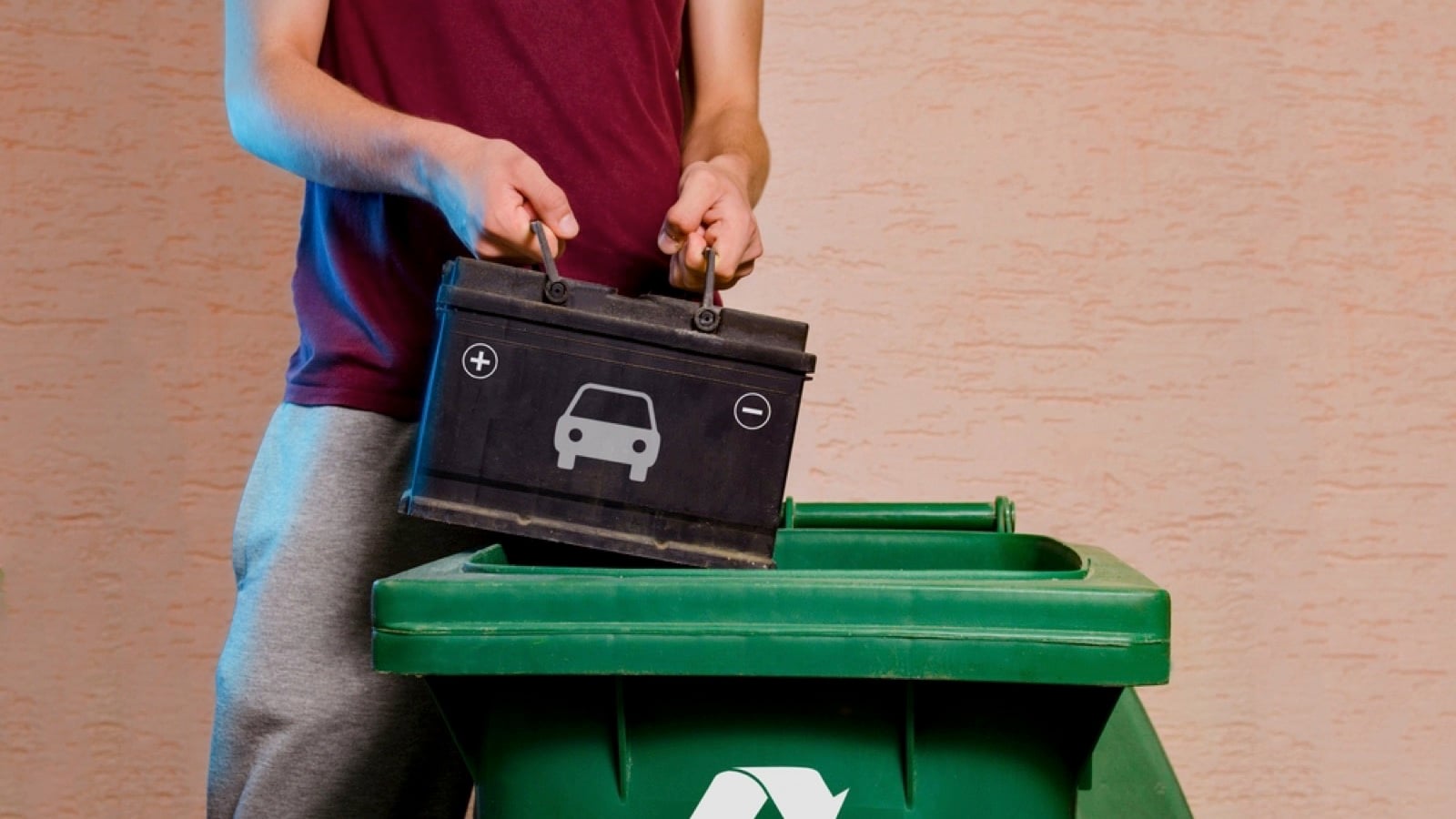
Before throwing anything into the trash, consider whether it’s recyclable. Take batteries, clothes, paper, plastic, metal, furniture, and household goods to a recycling center.
11. Reduce Single-Use Plastic

Many stores now provide non-plastic bags for fruits, vegetables, pasta, seeds, nuts, etc. Stop buying bottled water and buy household products that offer refills, such as shampoo, laundry detergent, and dishwashing liquid.
12. Shop Locally

Reduce your carbon footprint by buying local produce from local stores. This helps support the local economy and builds community. If more people purchased local produce, we would eventually have more local shops.
13. Grow Your Own Vegetables

You can grow vegetables, fruits, and herbs even with a small garden. There’s nothing like the taste of home-grown produce. It reduces your carbon footprint, saves money, and impresses the family with its delicious taste. If you don’t have a garden, get creative and plant some herbs in a window box.
14. Reduce Journeys by Car

If there’s an alternative to driving, using it is a great way to lower your carbon footprint. Consider walking, cycling, or riding with a friend to share the cost. If you must drive, make sure your vehicle has passed an emissions test, and the tires are inflated to the correct pressure.
15. Use a Microwave or Air Fryer

With rising energy costs, using a microwave or air fryer can help reduce costs and is better for the environment. Both are cost-effective compared to using a standard oven.
16. Limit Flying

Airplanes emit gasses like carbon dioxide, carbon monoxide, and nitrogen oxide, damaging the environment. Instead of flying abroad for a holiday, why not explore the country you live in by camping, glamping, cycling, or whatever appeals to you?
17. Switch to Eco-Friendly Personal Care Items

Buy eco-friendly skincare and personal care products containing no nasties, such as non-biodegradable microbeads, which end up in the food chain and harm wildlife and sea creatures. These days, you can buy skincare, deodorant, toothpaste, bubble baths, and many more eco-friendly items that are better for your skin than products containing toxins. It may seem like our small efforts cannot make much difference when considering how industrial development damages the environment. However, by making a collective effort, we can play a small role in helping the climate.
15 Smart Tips for Living Well on a Strict Budget

In today’s economy, strict budgeting has become a reality for many, sometimes involuntarily. With fast fashion and rapidly changing trends, temptations are on the rise. Mastering a budgeting mindset can empower a person to manage their finances responsibly. It’s a step towards achieving self-fulfillment while leaving room for some fun.
41 Shocking Ways You’re Throwing Money Down the Drain

There are many ways to increase the money in your bank account. Many people start by looking at ways to make more money. And, of course, that is a great solution. But it isn’t always the easiest. A better, easier way may be to examine your spending habits. By tracking your spending and seeing where every dollar goes, you’ll likely find several instances of spending money you don’t have to. It could be little things that add up or recurring monthly expenses that are an utter waste of money. Once you eliminate your bad spending habits, that money can go toward your emergency fund, paying off debt, or other essential things. Here are the 41 biggest wastes of money to look out for:
15 Activities Now Out of Reach Amid Economic Price Surge

In this era of profound social division and discord, one thing everyone can agree on is worsening conditions for healthy personal finance. Whether it’s the dream of homeownership, the goal of building a robust investment portfolio, or simply affording necessities like food, individuals across the spectrum struggle to overcome the decline in their financial well-being due to economic changes.