
Disclosure: This post may contain affiliate links, meaning if you decide to make a purchase via my links, I may earn a commission at no additional cost to you. See my disclosure for more info.
If you’re a new homeowner or new to DIYing, read this before you spend a dime. Before jumping into any reno project, there is a lot to know, so if you want to be successful and stay on budget, you really need to think everything through.
I bet we’ve both spent decades watching HGTV and other home-related channels, and there were a few times when you thought, “I could do that,” or “That looks so easy.” While there are plenty of doable DIY projects for newbies and novices, there is always the element of Hollywood magic you need to consider when feeling inspired by a show. Look at the list of homeowners suing different shows for incomplete or poorly done work.
A quick internet search will turn up all sorts of renovation mistakes and regrets. However, most articles focus on regrets specific to a homeowner’s unique situation. For this list, I wanted to focus on the broader underlying mistakes that would prevent you from completing a project before realizing the error.
1. Not Doing Enough Research

Hindsight is always 20/20, especially when it comes to home renovations. After completing any home improvement project, it’s easy to see where you could have saved time or money. But just like measuring twice and cutting once, you can never over-research any build or renovation project.
The internet is an excellent resource for this. As long as you cross-reference recommendations and don’t assume your contractor or repair person knows all the answers, you’re off to a great start.
2. Getting Too Few Bids

It’s a very cynical point of view, but a friend of mine always likes to get at least three bids on any given project and typically goes with the person he feels told him the fewest lies. Sadly, in sales, there is a reputation for embellishing the truth to win a bid or project. It’s easy to over-promise and underdeliver on housing projects, especially when you haven’t done enough research to begin with.
3. Failure to Anticipate Delays

Even the best project managers who plan extra time for their projects will face delays. Doing your research and having experience with building projects will help, but there are some things you just cannot have a contingency plan for. The best thing you can do in these situations is adjust expectations from the outset to be a few days or weeks longer than your ideal timeline based on the project’s scope.
Building materials are delayed or damaged in transit, crews on other projects have schedule interruptions, or the weather simply will not allow work to be done. Getting angry about things outside your control isn’t productive for anyone.
4. Underestimating the Budget

If you really want to feel the pinch of inflation, now is the perfect time to start your renovation project. Though material price increases have cooled somewhat since the pandemic, they’re still on the high side. This can be hard to plan for, and it’s not uncommon to see professionally prepared bids with a clause outlining how mid-project material cost increases will be managed. There are no set schedules for when distributors or manufacturers will raise prices. Holding your builder to a tight budget might result in corners being cut elsewhere.
The best way to manage a budget is to discuss the contractor’s proposal but anticipate going at least 20-25% over their quote. Do your best to hold them to their original estimate, but if it comes to compromising quality over cost, you have already privately budgeted for some overages. In the end, if your contractor comes in at 15% over budget, you can feel pretty good about the result.
5. Hiring the Wrong Contractor

Your buddy knows a guy who worked for another buddy, and it was great. Though this route for finding a contractor is surprisingly common, there are some serious red flags you want to look out for. Renovation contractors are even more challenging to select than contractors for a new build because so few want to take on a renovation project to begin with.
You want to look at their insurance and bond standings, referrals from previous projects they’ve completed, the number of ongoing projects, and their preferred communication style. If you’re a talker and your contractor is a to-the-point, two-word text kind of guy, you’ll probably drive each other up the wall, which can make for a dreadful renovation.
6. Trying to Save Money by DIY

HGTV is prime entertainment for building your confidence and filling you with inspiration. Despite insurmountable obstacles and budget overages, everything comes together seamlessly at the last minute. But you already know that’s the Hollywood touch used to make a great show.
Though modern power tools and the internet make many renovation projects more doable than ever, there is still a lot to know before you start throwing sledgehammers through walls. Many homeowners regret beginning a project and realizing they’re over their heads. Or worse, they made a costly or dangerous mistake that the professionals will have to come in and fix. This leads to a lot of wasted time, money, and discomfort while living in the construction zone.
Read More: 13 Home Renovations That Are Not Worth the Money
7. Poor Space Planning

If someone asked you point blank how many square feet the ideal bathroom is, what would you guess? Or what if we asked you the standard width of a door and the space needed for swing clearance? That’s before we even consider what the local permit code deems standard or ideal and for what purpose.
Without prior experience and familiarity with standard space requirements, allocating enough space for any renovation can be challenging. There are so many details to consider. Such as the thickness of walls and space lost due to wall construction from sheetrock or plaster. So take your time, look up standard room dimensions, and carry a measuring tape to familiarize yourself with the size spaces you like. Finally, when you talk with your architect or contractor, make sure you are clear about whether you’re discussing finished space dimensions or the physical footprint of the space
8. Not Planning for Functional Details

Furniture, electrical outlets, windows, and other placement details are often an afterthought in many renovations. This can quickly turn a beautiful addition into a pain point when ugly cords run the walls, furniture blocks windows, or there is insufficient space for a comfortable traffic flow.
9. Failing to Plan for Resale

Who else will benefit from your renovation? Is this a highly specific project or something that makes sense to the broader community of potential buyers? You may love an open-concept primary bedroom with a clawfoot tub in the corner overlooking the backyard. Still, as far as conventional primary bedroom bathroom combos are concerned, this would be a highly specific design.
Consult a few trusted professionals, such as a real estate agent or interior designer, to bounce ideas off before you break ground on your renovation. Having a few trusted advisors will help keep you grounded in reality when you need it most.
10. Over Improvement
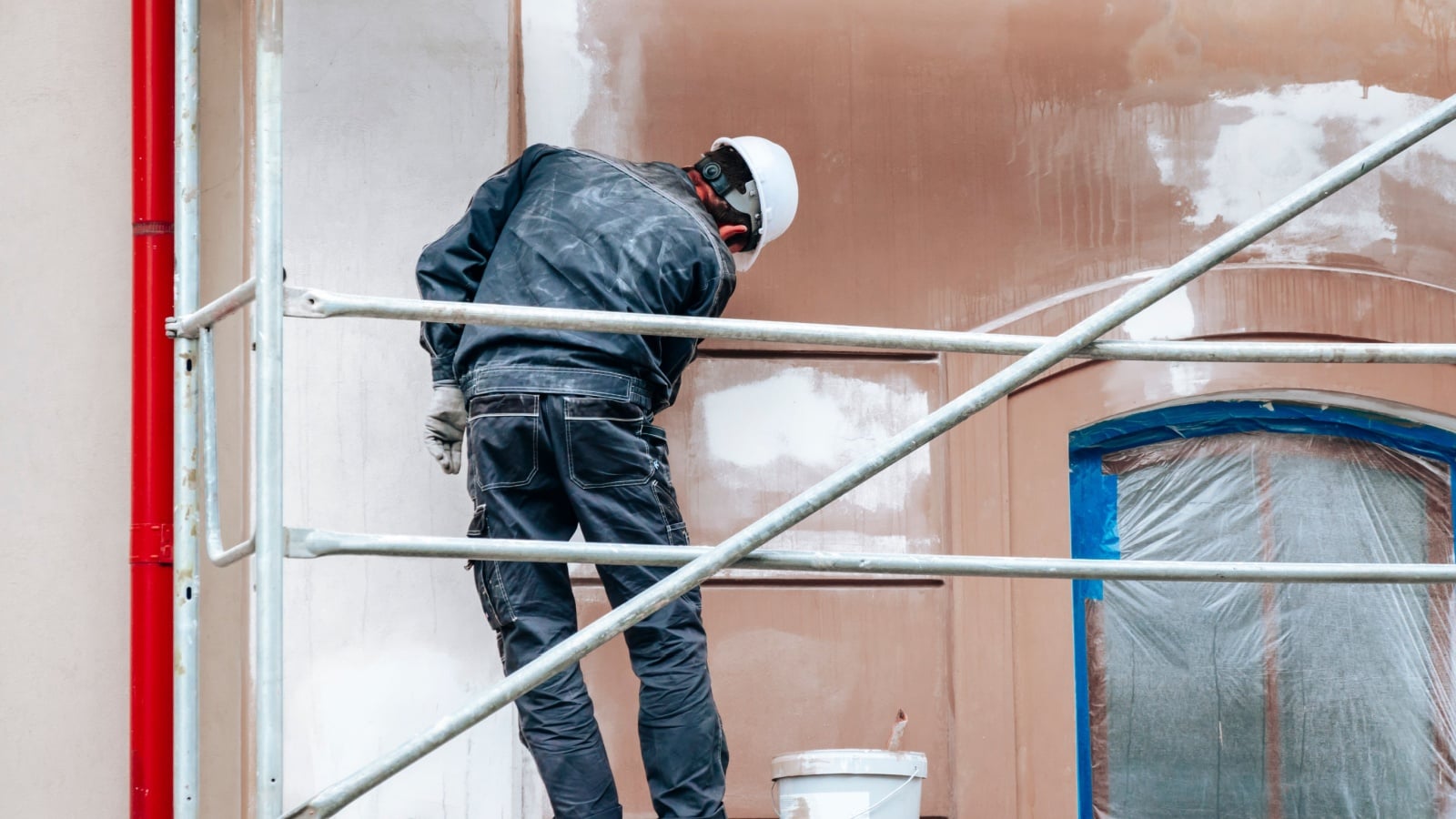
One of the joys of owning a home is doing what you want, within reason—unless a homeowners association governs you. But even if you live in an unrestricted area, you also want to look at homes in your area to gauge how much you should invest in renovating your home.
Is the neighborhood in transition or growing in popularity? If that’s the case, you might be able to get your money back for most improvements. But, if you decide to turn your 900 square foot home into a three-story 5000 square foot mini-mansion with a four-car garage, you may struggle to find a buyer who not only loves your home but loves being the Taj Mahal of the neighborhood. At that point, you would be better off putting your renovation budget toward a larger home in a nearby neighborhood.
11. Lack of Material Familiarity
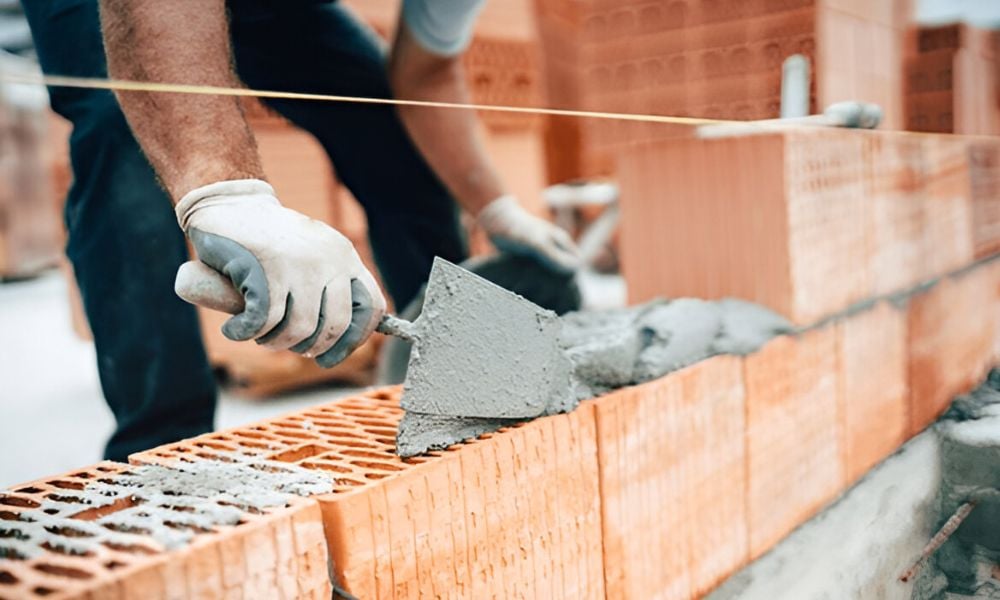
Solid brick versus brick veneer. Triple-pane gas-filled wood windows with UV coating or single-pane vinyl. These are all the non-aesthetic details that will significantly impact energy efficiency, longevity, and, ultimately, the cost of your renovation.
Even with a large budget, you can’t just instruct your contractor to go with ‘the best’ because every type of building material has trade-offs specific to the climate where you live. One piece of information most commonly left off the comparison charts is maintenance costs. So make sure to ask for that before making any commitments.
12. Following Trends Too Closely

According to Census records, the average age of a home in the United States is roughly 40 years old. Trends change almost annually, so keep a longer-term perspective in mind when making renovation choices. Otherwise, you risk instantly dating your home.
It’s easy to get wrapped up and excited by what’s available and what looks cool now, and you can do both if you plan strategically. Stay classic and neutral with fixtures, and let your furniture and soft surfaces, like throw pillows, reflect the flavor of the week with bright colors or bold patterns.
13. Keeping Poor Records

So you’ve completed a beautiful renovation and are just settling into your freshly decorated space when the tax assessor comes along and wants to update your property tax records to reflect all the wonderful work you’ve done.
Though you cannot stop the inevitable, having records of your costs for any improvements can help you make a case for a modest increase rather than an excessive one. It also helps to have records come tax time. If your renovation included any clean energy components, you might be eligible for a deduction. Then, when it comes time to sell, showing you made permitted improvements is very important in determining a competitive price and giving potential buyers peace of mind that they’re not buying a DIY nightmare.
14. Not Asking Enough Questions

We live in a world where answers and action are valued above all else. One of the most challenging things to do when navigating the unfamiliar territory of a home renovation is to set aside your pride and get comfortable looking like the dumbest person in the room.
But often, you’ll uncover valuable information by pushing for clarification and thorough understanding. Just because someone is a professional at something doesn’t automatically mean they’re an exceptionally talented professional in their field. We all know what it means to assume. So, ask good questions to make sure both your and any worker’s expectations are on the same page.
15. Having Pictures

One of my favorite things after every completed project is to assemble a portfolio of before-and-after images. Rarely does a book I plan to make from the outset fully capture the transformation, but it certainly helps. These photos are fun to look at and admire the progress, but they’re more valuable.
Taking pictures throughout your project is a great way to validate materials used, like upgraded insulation or wiring, that you won’t be able to see later. In the worst case, it can help with arbitration if there is any trouble or breach of contract with construction. Photos can also come in handy for insurance and resale purposes.
16. Dedicated Conversions

Unless you have a huge home with plenty of extra space, be cautious when converting rooms for a dedicated purpose. For example, many homeowners regret converting spare bedrooms into dedicated walk-in closets when it comes time to sell. Others regret giving up their garage to create extra living space or losing square footage in their basement to build a custom bar they hardly ever use for entertaining.
17. Failure to Plan for Maintenance
Have you ever lived in a place where there was one part of your home you always struggled to keep clean? There are dozens of potential design flaws like this. The key is knowing what they are and excluding them from your design. These flaws are beautiful to look at but simply impractical for daily use. So, when planning, think about the effort needed to keep whatever space or design detail looking its best.
Some common design mistakes people regret include using small or penny round tiles with a lot of grout on the shower floor, open kitchen shelves that allow dust and grease splatter to accumulate, or vessel sinks that splash water and reduce usable countertop space.
18. Patching When You Should Have Been Replacing

It is hard to bite the bullet sometimes and face the reality that spending a little money now on a patch will not delay the inevitable. This is especially true with more costly structural renovation projects like replacing windows or a roof.
The truth is that spending money on patchy repair work typically doesn’t come with any warranties or guarantees. By the time you get a suitable repair, you will have likely spent the equivalent or just shy of the cost of a new replacement complete with a multiyear warranty or workmanship guarantee.
Create the Sanctuary You Deserve

A beautiful and functional home has many benefits beyond preserving your monetary investment. It’s like dressing well. When you look good, you feel good. When your home feels cozy and easy to maintain, life just gets easier, and you have more time to enjoy the things you love.
So, to avoid any reno mistakes, do your research, know your budget and financing options, and keep excellent records.