Disclosure: This post may contain affiliate links, meaning if you decide to make a purchase via my links, I may earn a commission at no additional cost to you. See my disclosure for more info.
Owning property is an enormous investment, but it also comes with a risk many don’t think about. In some states, squatters can legally take possession of your property through adverse possession, otherwise known as squatters’ rights.
According to the American Apartment Owners Association – which comprises a team of professional property managers – all 50 states have some type of adverse possession law. But how the laws are enforced varies from state to state. In some states, squatters only have to live on the property for a few years. In others, squatters have to live on the property for 20 years or more. Some states also require the squatter to have paid property taxes or to possess a deed to the property.
In curating this list, we’ve looked at the requirements for adverse possession. We’ve chosen states that require the squatter to live on the property for less than 20 years and sometimes as few as five years.
California

In California, squatters can legally take possession of your property after living there continuously for five years. They also have to pay property taxes.
High property values and the short timeframe make California a prime place for adverse possession, as squatters know they can quickly gain ownership of a property.
Montana

Adverse possession laws in Montana state that a squatter can legally take possession of a property after five years. The squatter must maintain the property and pay property taxes for those five years.
Montana squatters also have to prove they don’t have a valid lease and not share the property with anyone else. They also have to have been openly living on the property, meaning neighbors know they are living there.
Iowa
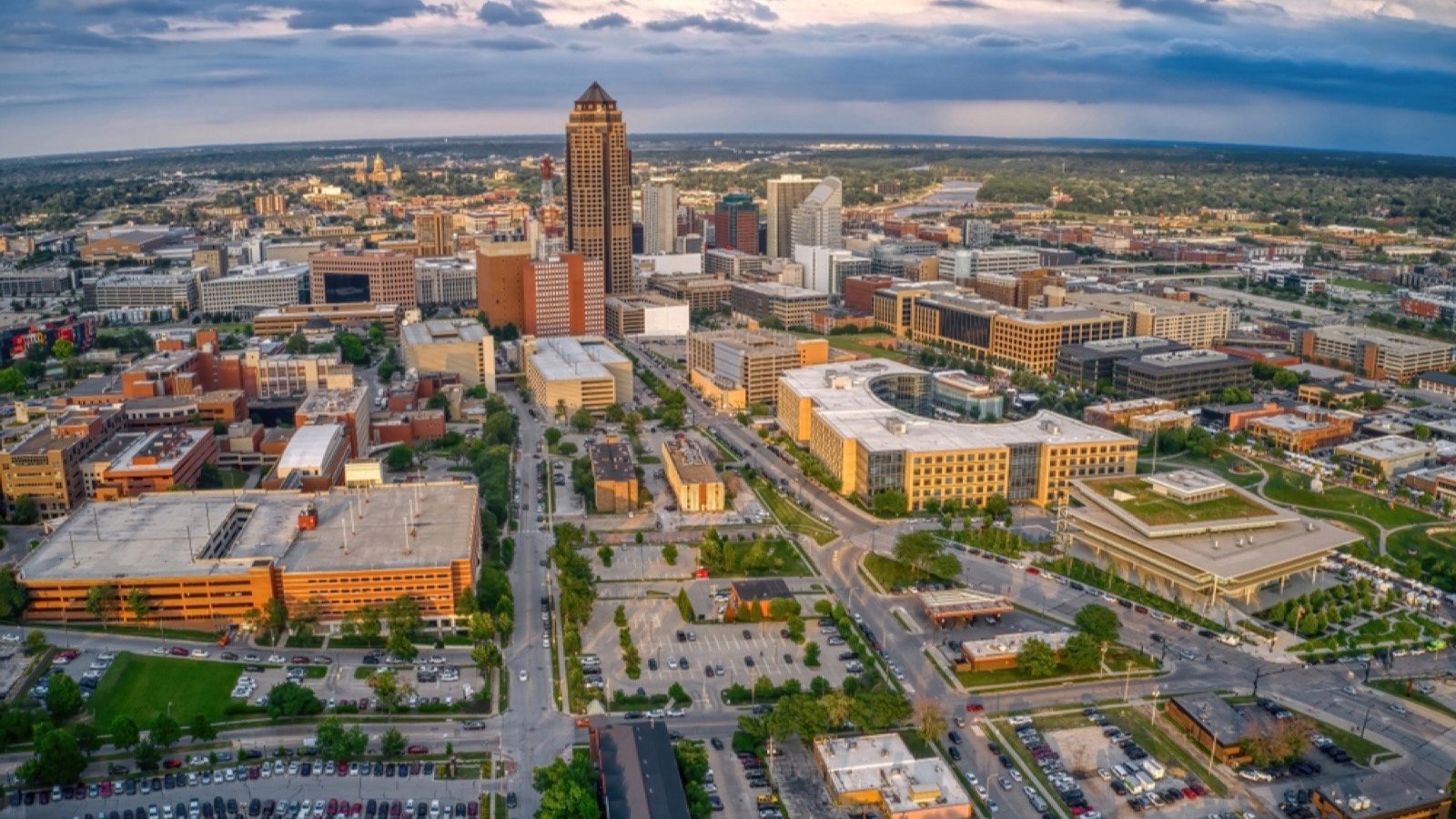
In Iowa, an individual must occupy the property for at least five years before the possibility of claiming adverse possession. They must also pay taxes on the property for the five years they occupy it.
The squatter should also make visible improvements to the property, just as an owner would. This can include construction, renovations, and landscaping and helps to show their intent to act as the rightful owner.
Arkansas

In order for a squatter to claim property ownership in Arkansas, they have to have continuously lived on the property for seven years. As with California and Montanna, the squatter also has to have paid property taxes on the property or on an adjacent property for the seven years.
If you own property in Arkansas, be sure to check it every so often, or someone else might claim possession.
Florida

Florida is another state where squatters only need to live on a property for seven years and have paid property taxes. Then, they just need some paperwork like proof they’ve paid property taxes or made improvements to the property to claim legal residence.
Florida’s climate and the fact that many people own vacation properties there that aren’t consistently occupied make it a popular place for adverse possession claims.
Tennessee

For a squatter to claim adverse possession in Tennessee, they must live on the property continuously for seven years and cannot share it with anyone else. They must use and care for the property like it is their own for seven years.
The squatter can’t allow others to use the land, and the owner cannot be incarcerated, a minor, or otherwise unable to handle their affairs during the seven years.
Utah

The last 7 year state on this list is Utah. Squatters also have to have paid property taxes for the seven years. As with most other states, the squatter must live on the property openly and not share it with anyone else.
In order to claim adverse possession, the squatter must also have made at least some improvements on the property, even just a small part of it.
Alaska

Alaska is the first state on this list that requires a squatter to live on a property for 10 years to claim adverse possession. And they do not have to pay property taxes, although paying taxes helps determine proof of residency.
Alaska still has a lot of large open spaces and remote cabins, which makes it an attractive place for squatters trying to claim forgotten, isolated properties.
Arizona

In Arizona, all a squatter has to do to claim adverse possession is to occupy and maintain a piece of land for 10 years, which is known as the statutory period. They do not have to pay property taxes.
If you own property in Arizona, make sure you actively maintain it to avoid someone else being able to take it from you.
Indiana

To claim adverse possession in Arizona, a squatter must have lived on the property continuously for 10 years and paid property taxes for that time.
Once the 10 years are up, the title is automatically transferred to the squatter. If the original owner wants to get their property back, they must file a lawsuit to evict the squatter.
Mississippi
In Mississippi, a squatter must occupy a property for 10 years in order to claim adverse possession. They must also pay property taxes for at least 2 years.
Mississippi also has public land known as 16th-section land. This land is held in trust for public education. However, squatters can claim adverse possession of this land if they have been in possession of it for at least 25 years and believe they have a valid title to the property.
Nebraska

A squatter must occupy a property continuously for 10 years in order to claim adverse possession. That time frame doubles to 20 years if the rightful landowner is legally disabled.
Squatters are not required to pay property taxes to claim squatter’s rights in Nebraska. Although it may help solidify an adverse possession claim.
New Mexico

In New Mexico, adverse possession laws require a squatter to occupy the property continuously for at least 10 years and pay property taxes for those 10 years.
After the 10-year period, the squatter can sue to legally claim the title to the property. In New Mexico, the adverse possession law does not apply to land that’s considered political subdivisions or government properties.
New York
Squatters can claim abandoned property after continuously living there for 10 years. The squatter must also pay the property taxes for the entire 10 years.
In urban areas like New York, it’s easy for properties like abandoned lofts or warehouses to be overlooked, making it easy for squatters to take possession. If you own property in New York, make sure you check it regularly to avoid this happening to you.
Oregon
It only takes 10 years for someone to take ownership of unwatched property in Oregon. However, for an adverse possession claim in Oregon, the squatter must prove they believed they owned the property.
Even with the belief that proof of ownership is a requirement, there have been rumors of entire communities setting up on a remote corner of someone’s land for 10 years without the landowner’s knowledge and then winning adverse possession claims.
Rhode Island
Someone can claim adverse possession of a neglected piece of property after living on it for at least 10 years. They do not have to make improvements or pay property taxes, although both will help the squatter make their claim.
As with many other states, the squatter must not have a valid lease or agreement with the property owner and must live on the property for the entire 10 years. They must also live there openly and not hide from neighbors or anyone else.
South Carolina
10 years of continuous occupancy is all it takes to claim adverse possession in South Carolina. Squatters do not have to pay property taxes, although it would help their claim to the property if they did.
There’s a lot of isolated properties in South Carolina, and if the owners don’t check on them regularly, they could risk losing their property to an adverse possession claim.
Texas

Texas is another state where adverse possession claims only take 10 years. If the legal owner is disabled, that time period can be extended to 25 years.
The squatter must also pay property taxes for the entire 10 years and ensure the property is adequately maintained. Texas has many wide open spaces, so property owners need to be vigilant in checking their entire property to avoid adverse possession claims.
Washington

An adverse possessor in Washington can claim rights to a property after 10 years of occupancy. However, if the squatter is paying property taxes, that time can be reduced to 7 years.
The squatter has to live openly on the property. This means that neighbors would likely assume they were the property owners. There are actually urban legends about several Washington coffee shop squatters becoming coffee shop owners because of adverse possession claims.
West Virginia
Squatters don’t have to pay property taxes to claim adverse possession, but it can strengthen their claim on the property. Individuals must live on the property continuously for 10 years and not share the property with anyone else.
West Virginia recognizes three squatting situations. Simple occupation where an individual occupies an abandoned property. Good faith mistake, where the squatter believes they have legal ownership of the property or rental rights. Awareness of trespassing, where the squatter knows they are occupying the property without the owner’s consent.
Wyoming

Last on your list is Wyoming. Another state where you must continuously occupy a property for 10 years in order to claim adverse possession. The squatter must also pay property taxes for the entire 10 years.
If all requirements are met, the individual can file a suit to gain full legal ownership of the property. The original owner loses all rights to the property.
13 Home Renovations That Are Not Worth the Money

There’s something to be said about making your home your own. However, certain renovation projects simply aren’t worth the money and time invested.
Being pragmatic about the projects you decide to invest in around your home can be a considerable challenge. There’s always the temptation to add the features you’ve dreamed of having. Then there’s the reality of costs, maintenance, and the long-term appeal of realizing your dream.
I approached compiling the way I would suggest anyone start when contemplating a renovation. I dug into years of real estate sale and construction data from the last few decades to see how costs have fluctuated compared to buyer demand for certain home features. These were the resounding renovation losers, not worth the money.
41 Shocking Ways You’re Throwing Money Down the Drain

There are many ways to increase the money in your bank account. Many people start by looking at ways to make more money. And, of course, that is a great solution. But it isn’t always the easiest. A better, easier way may be to examine your spending habits. By tracking your spending and seeing where every dollar goes, you’ll likely find several instances of spending money you don’t have to. It could be little things that add up or recurring monthly expenses that are an utter waste of money.
Once you eliminate your bad spending habits, that money can go toward your emergency fund, paying off debt, or other essential things. Here are the 41 biggest wastes of money to look out for: