
Disclosure: This post may contain affiliate links, meaning if you decide to make a purchase via my links, I may earn a commission at no additional cost to you. See my disclosure for more info.
In today’s fast-paced world, credit cards have become synonymous with convenience and attractive rewards. Yet, as more individuals dive deeper into debt, a growing question emerges: Is the daily use of credit cards genuinely advantageous, or are we inadvertently stepping into a financial trap?
Statistics tell us that consumer debt is a serious problem. We’re about to show the shocking truth about credit card debt and how the costs of using them can cripple your finances.
The Rewards Magnet

Major credit card companies have become experts at drawing users with enticing cashback rewards. One of the most popular is the Prime Visa card, which boasts up to 5% cash back on Amazon purchases. Although attractive at the outset, these rewards can seductively guide individuals into spending more than they initially intended.
Reinvesting the Rewards

The rewards often don’t just accumulate; they are typically spent on additional expenses like holiday gifts or trips. While seemingly beneficial, this ‘bonus’ money can mask the reality of unchecked and growing monthly balances that could spiral into significant debt.
A Renowned Financial Viewpoint

Financial guru Dave Ramsey consistently advises against credit card usage. His perspective centers on fostering responsible spending habits and the aspiration to live a debt-free life. It might appear to be a stringent approach, but when delving into the details, his philosophy often resonates with many who have experienced credit card pitfalls.
The Slippery Slope of Spending

Credit cards’ ease of swipe or tap can make it easy for users to lose track of their expenditures. This convenience, coupled with enticing rewards, can result in unintended overspending. Without diligent oversight, minor expenses can aggregate into overwhelming debts.
A Growing National Concern

The magnitude of the credit card debt situation is alarming. Data from Visualize Capital paints a worrisome picture: an average American bears a debt of $10,179, showing a significant increase from the previous year.
The Bigger Picture

Complementing this worrying trend, the same Visual Capital report revealed that U.S. citizens’ aggregate credit card debt is nearing a colossal $1.03 trillion—a huge number!
Inflation and Credit Card Reliance

Escalating inflation rates might be a significant factor in the increased use of credit cards. Consumers grapple with more expensive daily essentials as prices soar, pushing them to use more credit cards. Complicating matters are the hefty interest rates, averaging around 20%, making every purchase more costly in the long run.
A Financial Reality Check

An uncomfortably high credit card balance often serves as a reality check. For many, it’s a signal to reevaluate and possibly pivot their financial strategies, recognizing that the cons of credit card dependency might outweigh its pros.
Steps Towards a Debt-Free Life

Alarming credit card balances don’t spell the end. One can chart a course back to financial stability with the right approach and understanding. But it’s a path that demands commitment and decisive action.
Ceasing Card Usage

A fundamental step in this recovery journey is curtailing or temporarily stopping credit card use. This intentional break can provide the necessary clarity to reassess and reform spending behaviors, laying the foundation for a sustainable financial future.
The Power of Modern Budgeting

In our technologically driven era, numerous budgeting apps empower individuals to dissect and understand their monthly financial activities. These digital tools spotlight excessive spending, nudging users towards informed and frugal choices.
Pinpointing Unnecessary Expenditure

With a clearer financial picture, one can discern and trim unneeded expenses. Redirecting these funds to settle debts can accelerate the journey to a debt-free existence.
Exploring Debt Consolidation

Consolidation loans emerge as a viable solution for those overwhelmed by multiple debts. Consolidating various high-interest debts into one loan, possibly at a lower interest rate, simplifies the repayment process and could reduce overall interest expenses.
Crafting a Financial Safety Net

Life’s unpredictability necessitates a financial buffer. Establishing an emergency fund, especially in high-yield savings accounts, offers the security of covering unexpected costs without resorting to the pitfalls of credit.
The National Debt Wake-up Call
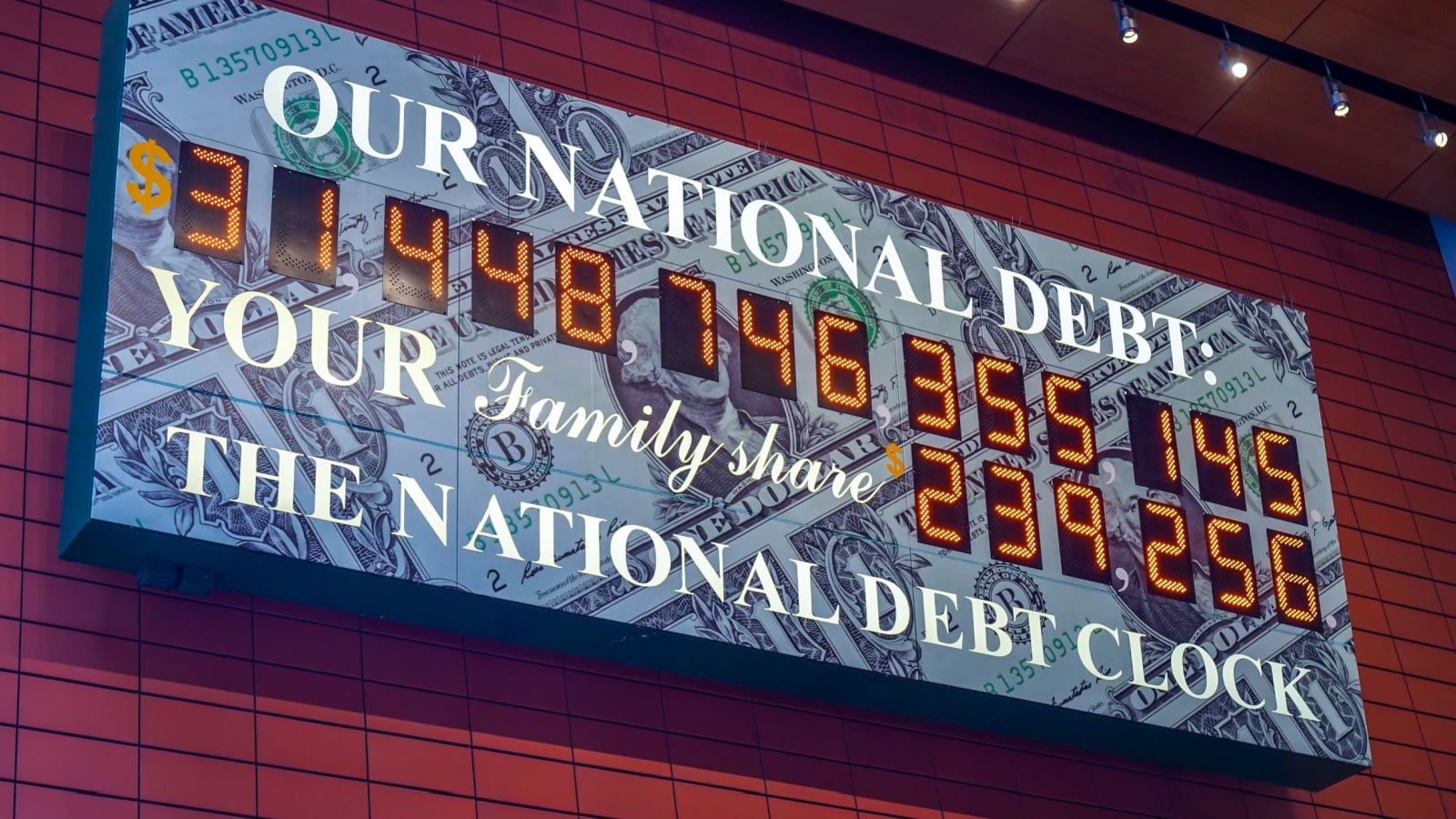
Beyond mere numbers, the rising national credit card debt is a resounding alert. It underscores a compelling need for financial literacy, discipline, and a proactive approach toward money management.
Facing Financial Realities

Confronting one’s financial habits, especially concerning credit card dependency, might be uncomfortable. Nevertheless, this introspection is paramount and is the cornerstone for forging a path towards monetary stability.
The Road to Financial Wellness

Extricating oneself from debt and stepping towards financial security can seem daunting. Yet, this goal becomes achievable and deeply rewarding with persistence, informed strategies, and unwavering discipline.
Conclusion

The allure of credit cards, laden with their convenience and rewards, can’t overshadow the associated risks. As debt figures spiral, the call to balance the appeal of credit card perks with prudent financial behavior grows louder. Embracing a well-researched and informed approach paves the way for a life where rewards truly reward and don’t come hidden with financial burdens.
15 Smart Tips for Living Well on a Strict Budget

In today’s economy, strict budgeting has become a reality for many, sometimes involuntarily. With fast fashion and rapidly changing trends, temptations are on the rise. Mastering a budgeting mindset can empower a person to manage their finances responsibly. It’s a step towards achieving self-fulfillment while leaving room for some fun.
15 Activities Now Out of Reach Amid Economic Price Surge

In this era of profound social division and discord, one thing everyone can agree on is worsening conditions for healthy personal finance. Whether it’s the dream of homeownership, the goal of building a robust investment portfolio, or simply affording necessities like food, individuals across the spectrum struggle to overcome the decline in their financial well-being due to economic changes.