15 Things to Start Doing Today if You’re Living Paycheck to Paycheck
According to a LendingClub report, 60% of adult Americans live paycheck to paycheck. They’re stressed, overwhelmed, and may get deathly…
Learning how to budget your money effectively is the first step toward reaching your financial goals. Budgeting ensures you spend money wisely according to your priorities. Once you know how to budget money, you’ll make better financial decisions with confidence and be rid of financial uncertainty.
Learning how to budget your money effectively is the first step toward reaching your financial goals. Budgeting ensures you spend money wisely according to your priorities. Once you know how to budget money, you’ll make better financial decisions with confidence and be rid of financial uncertainty.

According to a LendingClub report, 60% of adult Americans live paycheck to paycheck. They’re stressed, overwhelmed, and may get deathly…

18 Money Mistakes can derail your financial progress, even as quality of life improves. While bartering and trading were once…

Renting a car allows you to travel on your own schedule—no waiting around for rides, figuring out public transit, or…

Unnecessary Expenses to Cut Out can help you reduce your everyday costs. Many people overspend without realizing it, but there…

One of the challenges of shopping for tech products online is finding the right website to buy from. Consumers want…

Menswear often takes a back seat to the rapidly changing, trendy world of women’s fashion. Quality trumps quantity in this…

Whether WFH or based in the office, you need to eat! A nutritious lunch can make all the difference in…

Strict budget planning has become a reality for many in today’s economy, sometimes involuntarily. With fast fashion and rapidly changing…

Budgeting for freelancers is essential in navigating the unpredictable nature of independent work. The freelance lifestyle is fantastic when client…

Most people think that budgeting is just tracking your income and expenses. They can also get you out of debt, keep you living within your means, help you generate wealth, and more. Check out the many purposes budgets serve and why they’re so important to your financial future.

Just about every undertaking has pros and cons. Budgeting is no exception. Putting together a budget and following it will help you get your financial life in order. Going without a budget when you have money problems or unrealized financial goals will only make things worse.

Creating a budget is a good start to getting your finances under control. Just because you create a budget, that doesn’t mean you’ll be successful with it. There’s more to it than just adding up your income and subtracting your expenses.

I’ve been a broke college student, a foolish spender, and a broke grad student. I’ve even experienced multiple periods of…

Making enough money to pay all your bills, but still feeling broke for half the month is awful. Since many of us have more bills during the first half of the month and fewer in the second half, that’s what we go through every month. The half payment method is a way to end that.

When it comes to having money set aside for emergencies, personal finance gurus like Dave Ramsey have some recommendations. Find out how much Dave Ramsey suggests you should have in your emergency fund, where to keep it, what you should also do, and how to start saving.

Engagement ring budgeting is tricky. The price tag of the ring doesn’t reflect your love and commitment, but you want your partner to be thrilled. How much you should spend on an engagement ring depends on your financial situation, but you can buy a beautiful ring on a budget.
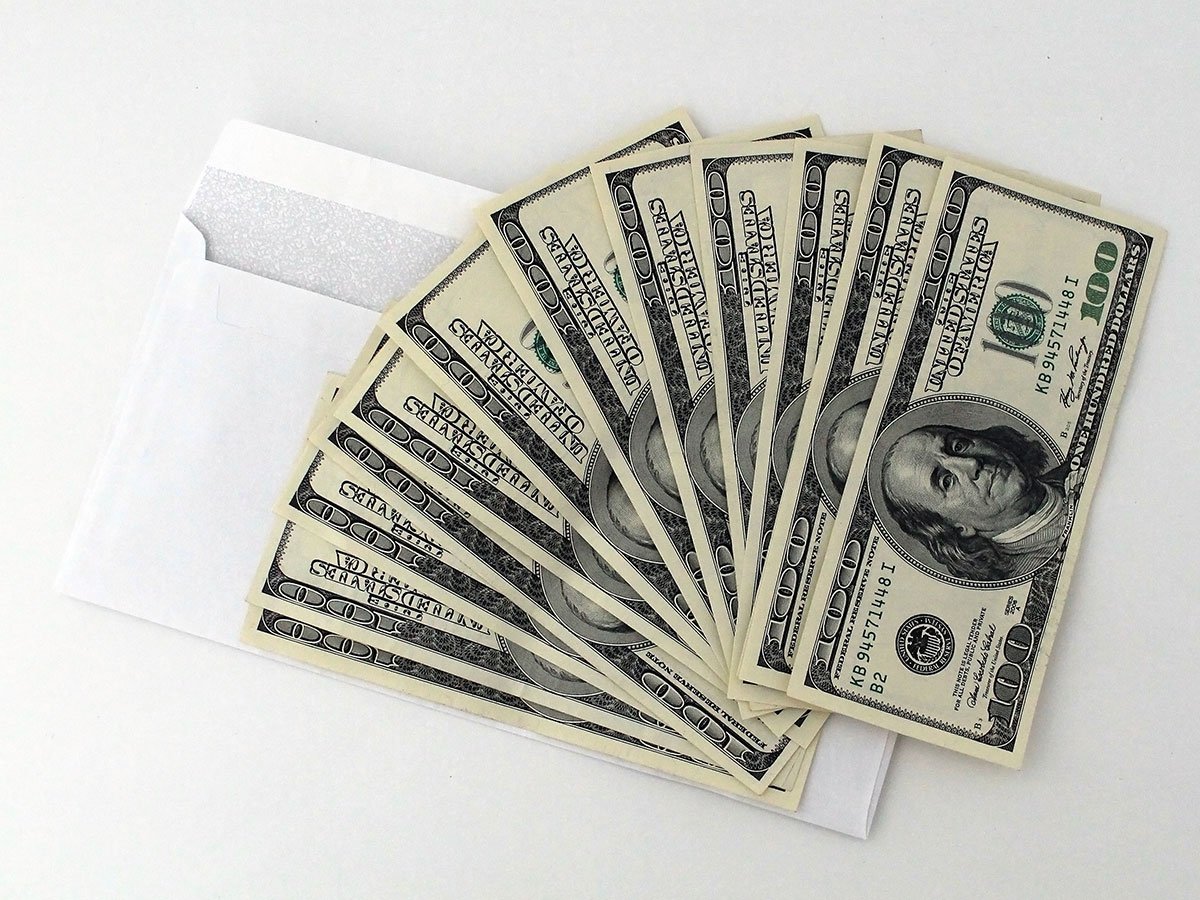
The envelope budgeting system is a budgeting technique that uses cash and physical envelopes to manage your expenses. It may help you avoid overspending and getting into debt. Learn more about the envelope budgeting method and see if budgeting with envelopes is right for you.

The 50/30/20 rule is a popular method for budgeting money. It is unrealistic for some people, though. If a 50/30/20 budget doesn’t work for you, don’t fret. There are plenty of 50/30/20 alternatives that might work better for you and help you manage your money more effectively.

The 50/30/20 rule is a simple way of budgeting that uses only three spending categories, makes saving automatic, and allows for fun money. It can be great if you don’t have a budget or need to increase your savings. Find out how a 50/30/20 budget works and if it’s right for you.

Moving in with your parents can save you a lot of money. But what about them? Having another person in the house increases their expenses and could become a financial burden if you don’t contribute. If you’re an adult living at home, you should pay rent, but how much?
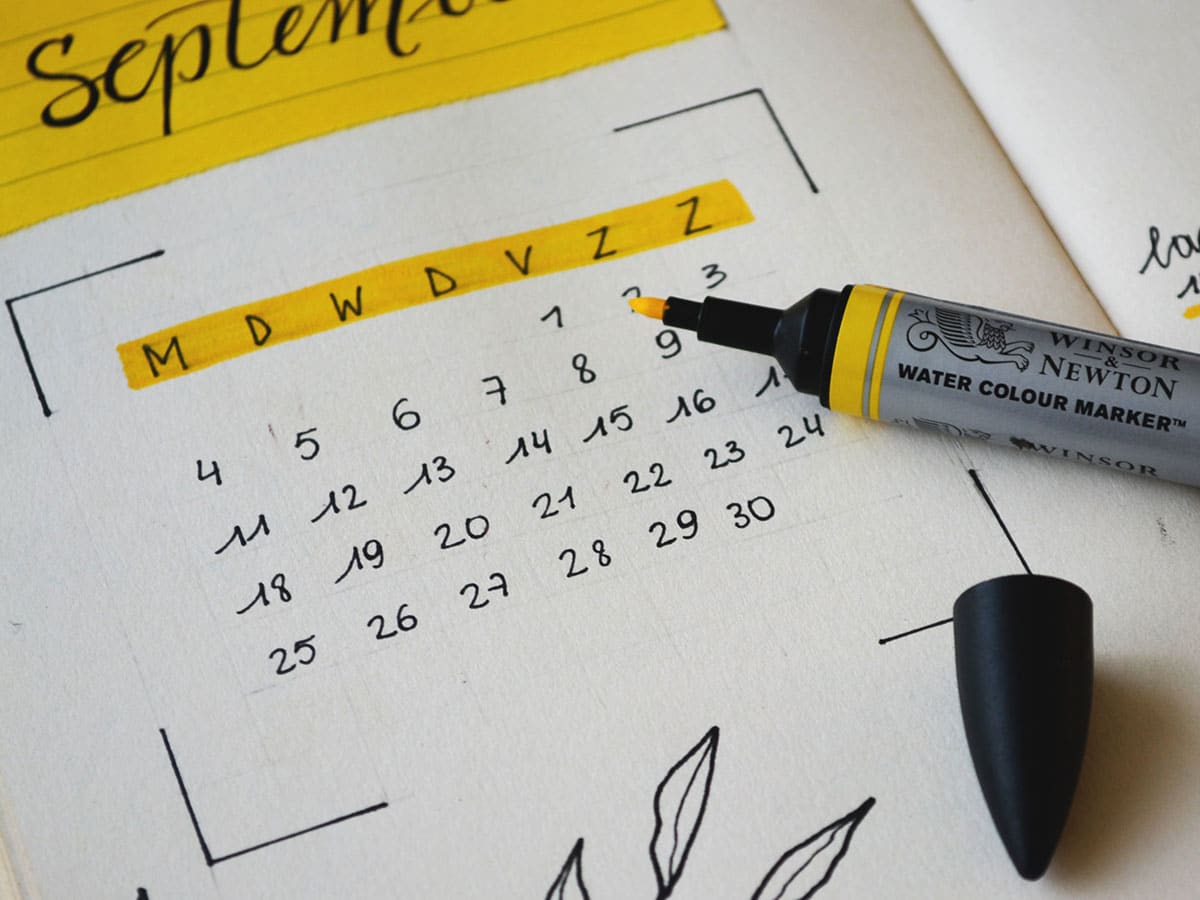
Getting paid biweekly means twice a year you’ll get three paychecks in a single month instead of two. Find out when those months are this year and learn a simple budgeting trick that will free up that “extra” third paycheck.

The 30 30 30 10 budget system offers a simple method of budgeting your money. If you’ve tried other budgeting techniques in the past, but found them too time consuming or complicated, 30-30-30-10 budgeting might be just what you need to get on a budget.

If you’re struggling to make ends meet or not making progress on your financial goals, a budget is a powerful tool to help you take control of your finances and achieve your financial goals. If you’ve never created a budget before, here is a guide on budgeting for beginners.

We know we should save money for a rainy day. We also have financial goals like buying a house or retiring. But many of us feel like we’re not saving enough. In case you need a reminder about the importance of saving money, here’s what happens when you don’t save.

Reverse budgeting or paying yourself first is a smart approach to managing your finances. It requires discipline, but the long-term benefits of prioritizing savings and investments make it a worthwhile way to manage your money and take care of your financial future.

Everyone has to eat. That’s why it’s easy to justify overspending at the supermarket and eating fast food multiple times a week. Food takes up a lot of your monthly budget so if you want to lower your monthly expenses, figuring out how to set up a food budget can keep costs down.

If you follow a zero-based budget, your income minus your expenses will equal zero at the end of the month. That means you need to plan where every dollar goes and give every dollar a job. It takes work, but it can be worth the effort if you need to get control of your finances.

An emergency fund is part of a smart financial plan. Having cash set aside for emergencies saves you from credit card debt or taking out a loan. Having an emergency funds also relieves financial stress. You can rest assured you have money for unexpected expenses.

There are many different approaches to budgeting and there is no one best way. If you don’t like budgeting or don’t know where to start, check out these budget methods. You’ll find at least one budgeting technique that will fit your lifestyle and be easier for you to stick to.

Creating a budget is one of the best things you can do to meet your financial goals whether you’re struggling financially or not. If you’ve never created a budget, the idea of budgeting might make you cringe. It’s really not that hard as you’re about to see.
If you’ve never budgeted before or if you think your finances are in OK shape, you might be questioning the importance of having a budget. No matter how good or how bad you’re finances look right now, budgeting can help with reaching your goals and avoiding money problems.

Having money set aside in case of an emergency or unexpected expense is part of a solid financial plan. But it is possible to have too much money in your emergency savings. If you have too big of an emergency fund, you could be missing out on other opportunities.

If your finances aren’t in the best shape and you’re not budgeting your money, it’s time to start. Budgeting can help you in so many ways regardless of your financial situation. It can get you out of debt, help you live within your means, and help you reach your goals.

There are three types of expenses we all have to account for when we’re building our budget: fixed, periodic, and variable or flexible. Learn more about each of the different types of expenses, how they impact your budget, and how to prepare for them.
© 2025 www.KindaFrugal.com