Disclosure: This post may contain affiliate links, meaning if you decide to make a purchase via my links, I may earn a commission at no additional cost to you. See my disclosure for more info.
I’ve been a broke college student, a foolish spender, and a broke grad student. I’ve even experienced multiple periods of unemployment. For several long stretches, grocery shopping with almost no money and feeding myself while broke was the norm. But being broke doesn’t mean you can’t make healthy meals or buy healthy foods like fresh produce. Though you may have to skip the organic options, there are many affordable ways to purchase produce, like shopping for in-season options.
Potatoes

Potatoes are affordable and nutritious and can be prepared in many ways. They cost less than a dollar a pound, and if you opt for a 5-pound bag of Idaho or russet potatoes, they can be even cheaper.
Carrots

Carrots are cheap vegetables that are good to keep on hand. You can eat them raw, cooked, as a filling snack, or as a side dish. Buying full-size carrots in bulk is usually the cheapest option, but sale-priced baby carrots can also be a good deal.
Sweet Potatoes

Naturally sweet, healthy, and inexpensive, sweet potatoes are an excellent alternative to mashed or baked white potatoes. In our house, sweet potato fries have pretty much replaced French fries. We rarely add anything to them as they’re flavorful and sweet enough, but you can add other cheap toppers like sugar, cinnamon, or butter.
Squash
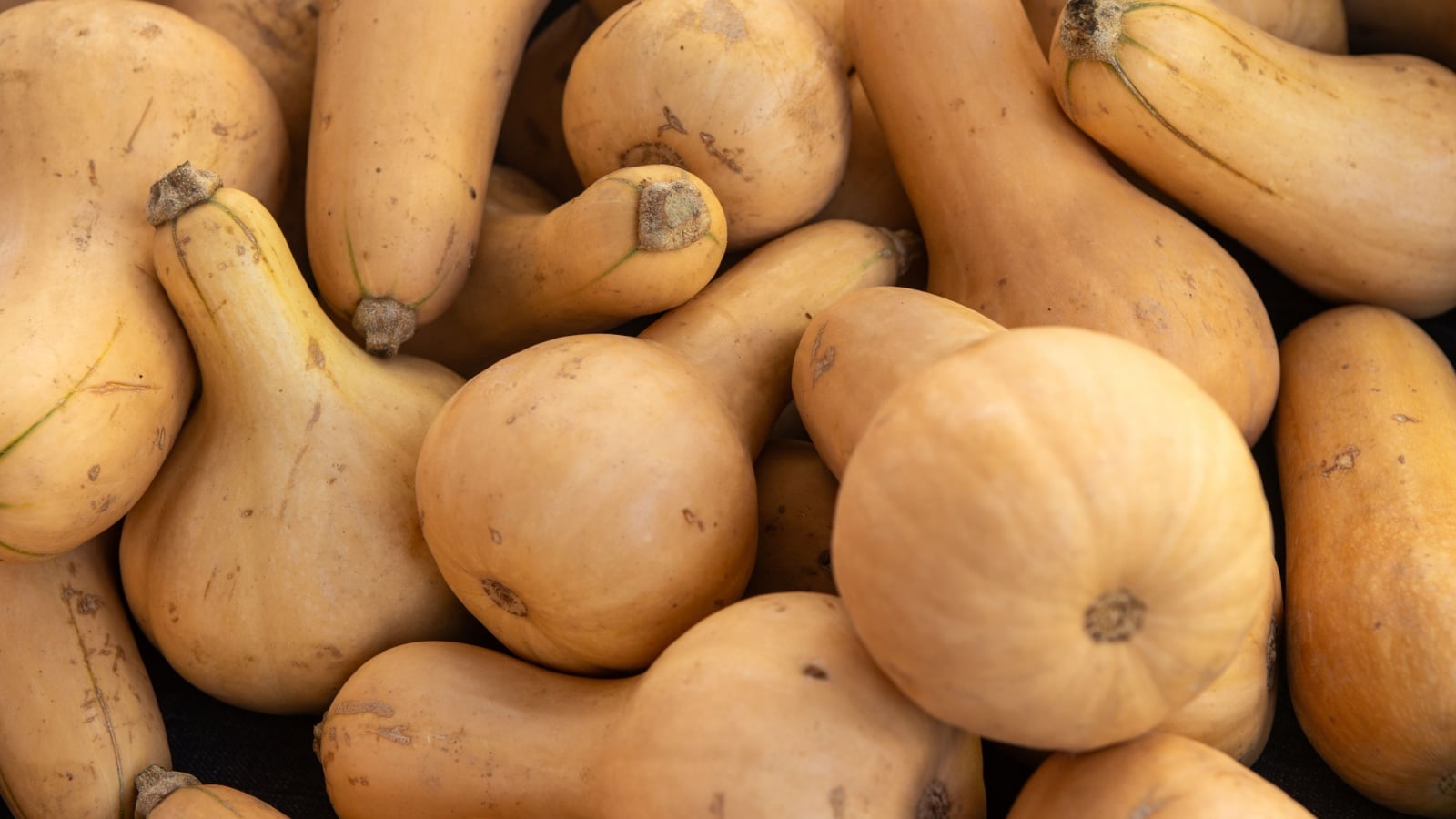
A nutritional powerhouse with a mild and nutty flavor, butternut squash is cheap in season and freezes well if you want to store any excess for the winter.
Zucchini

Zucchini is a cheap, tasty, and versatile summer staple. Bake it, stir fry it, eat it raw, or make zoodles. We used to grow these in our garden and swap them with our neighbors for cucumbers, cherry tomatoes, and whatever else they grew in surplus.
Peas
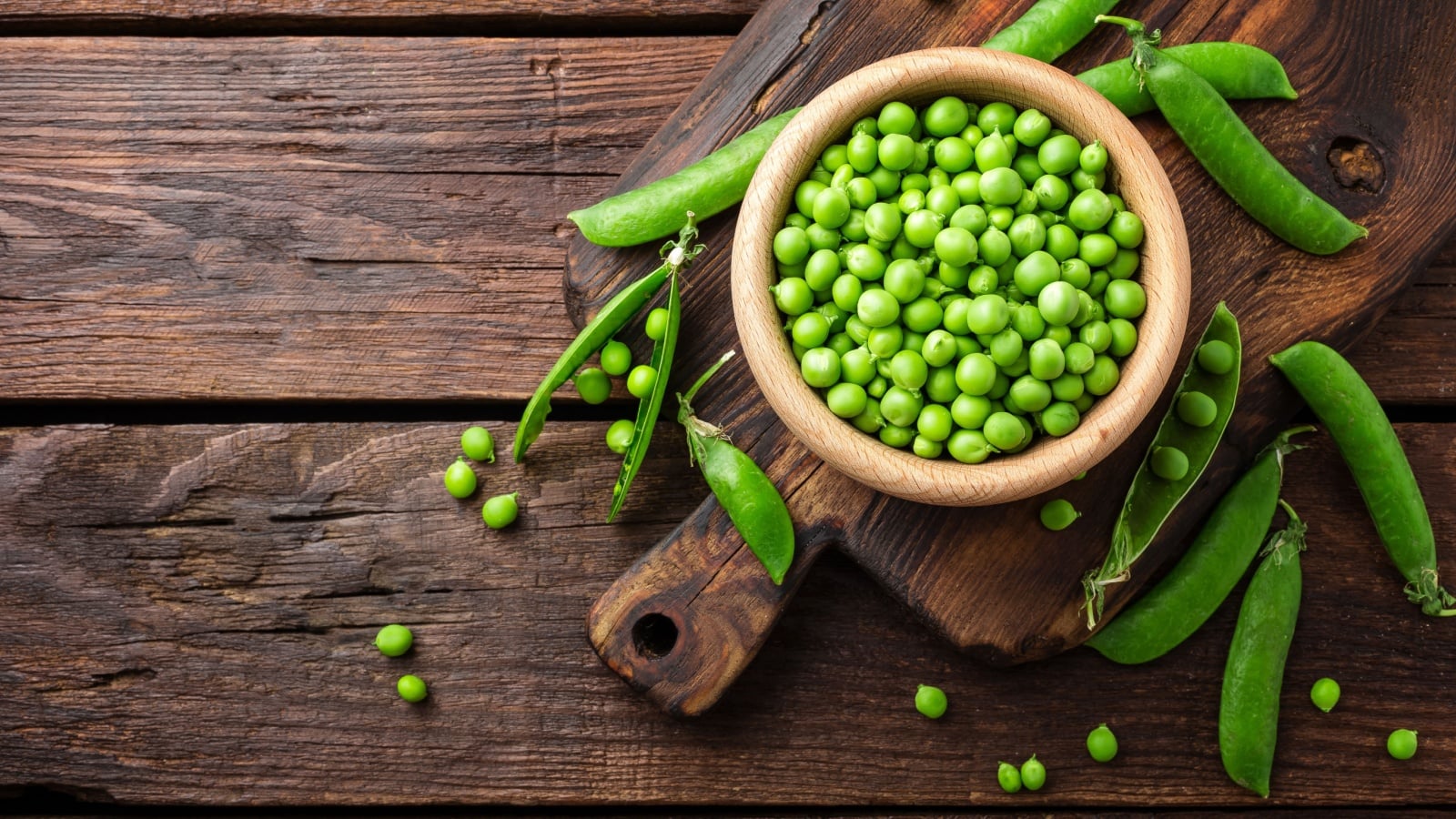
We don’t buy many canned veggies, but we always have a can of peas in our cupboards. An excellent source of protein that’s easy to prepare, frozen or canned peas can be served on the side of anything. You can also throw a handful into a dish to give it a shot of protein, color, and fiber.
Broccoli

Broccoli is usually available at a pretty good price when you buy the whole head. Precut florets can be a good deal when they’re on sale since you’re not paying for the stalk, which most people don’t use even though they should.
Spinach
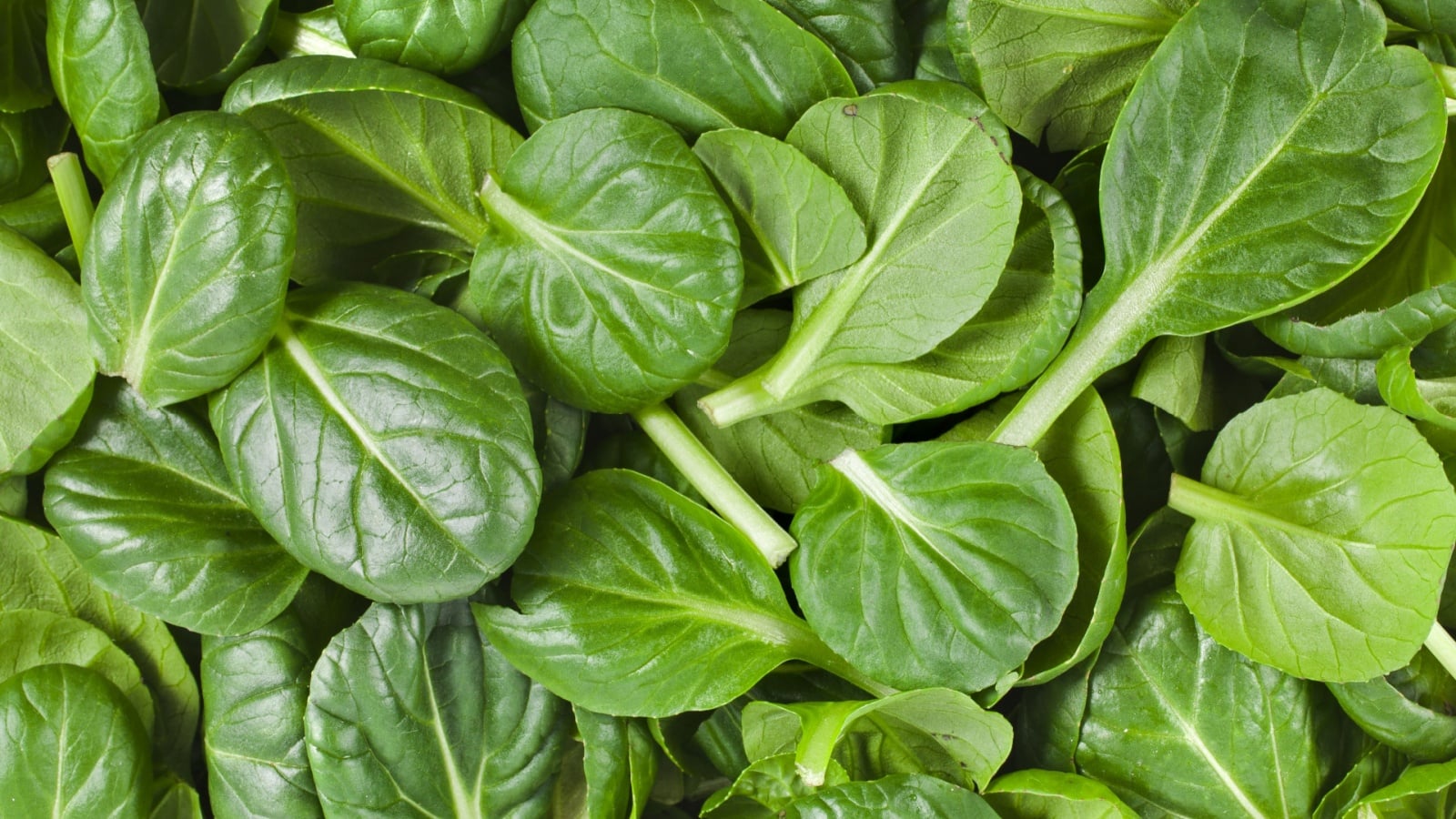
Spinach won’t be the cheapest veggie in your shopping cart, but it’s not exactly expensive either. Leafy greens like spinach boost the nutritional value of any meal. Swap spinach for lettuce in salads or on sandwiches. Add a handful to smoothies, omelets, or pasta dishes.
Green Peppers
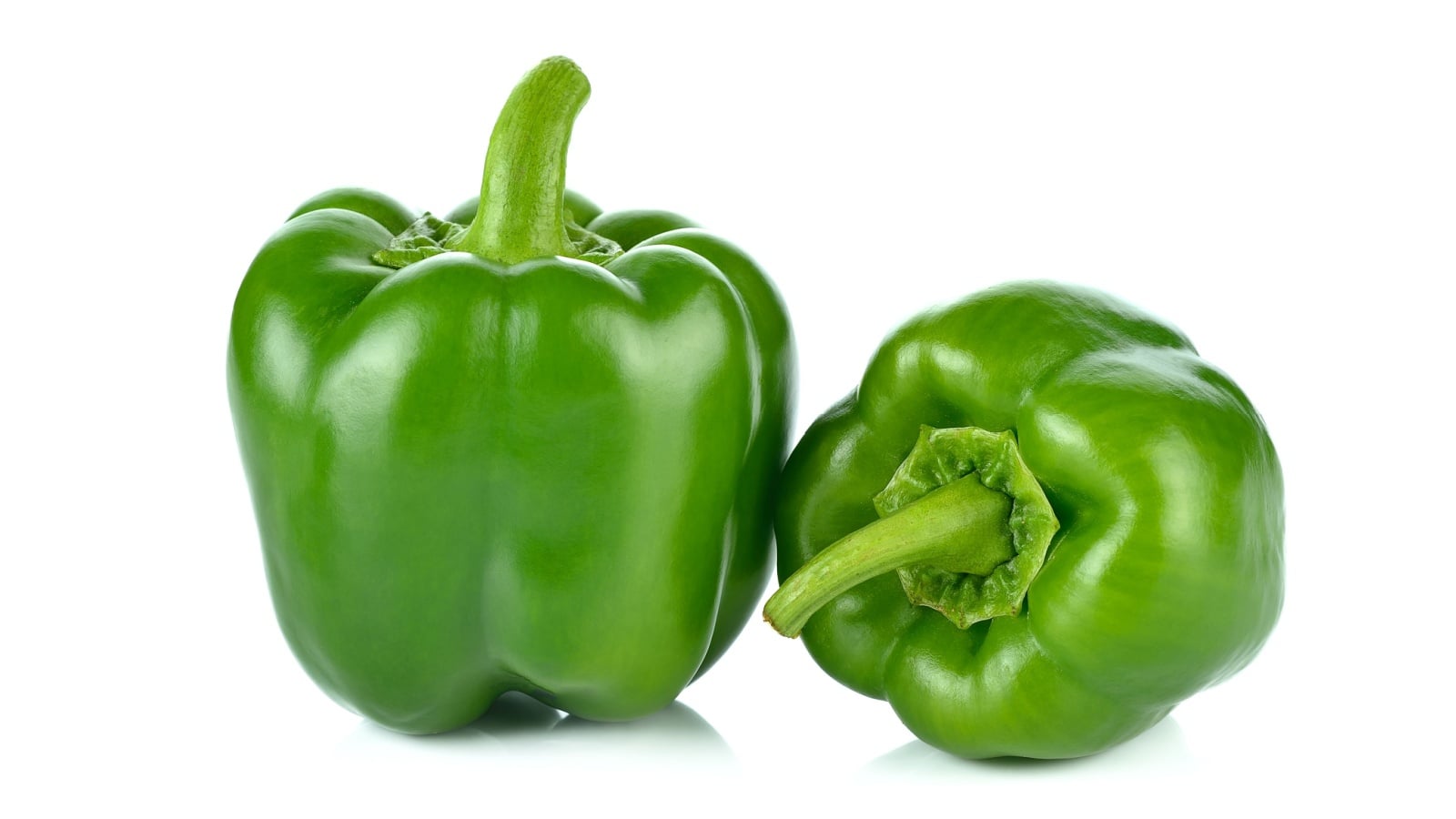
Rich in iron and vitamin C, green peppers make for a low-calorie snack or addition to other dishes. They’re cheap when in season and on sale. While it’s true that red and yellow bell peppers pack more nutrients, they might not be worth the extra dollar on a low budget.
Cabbage
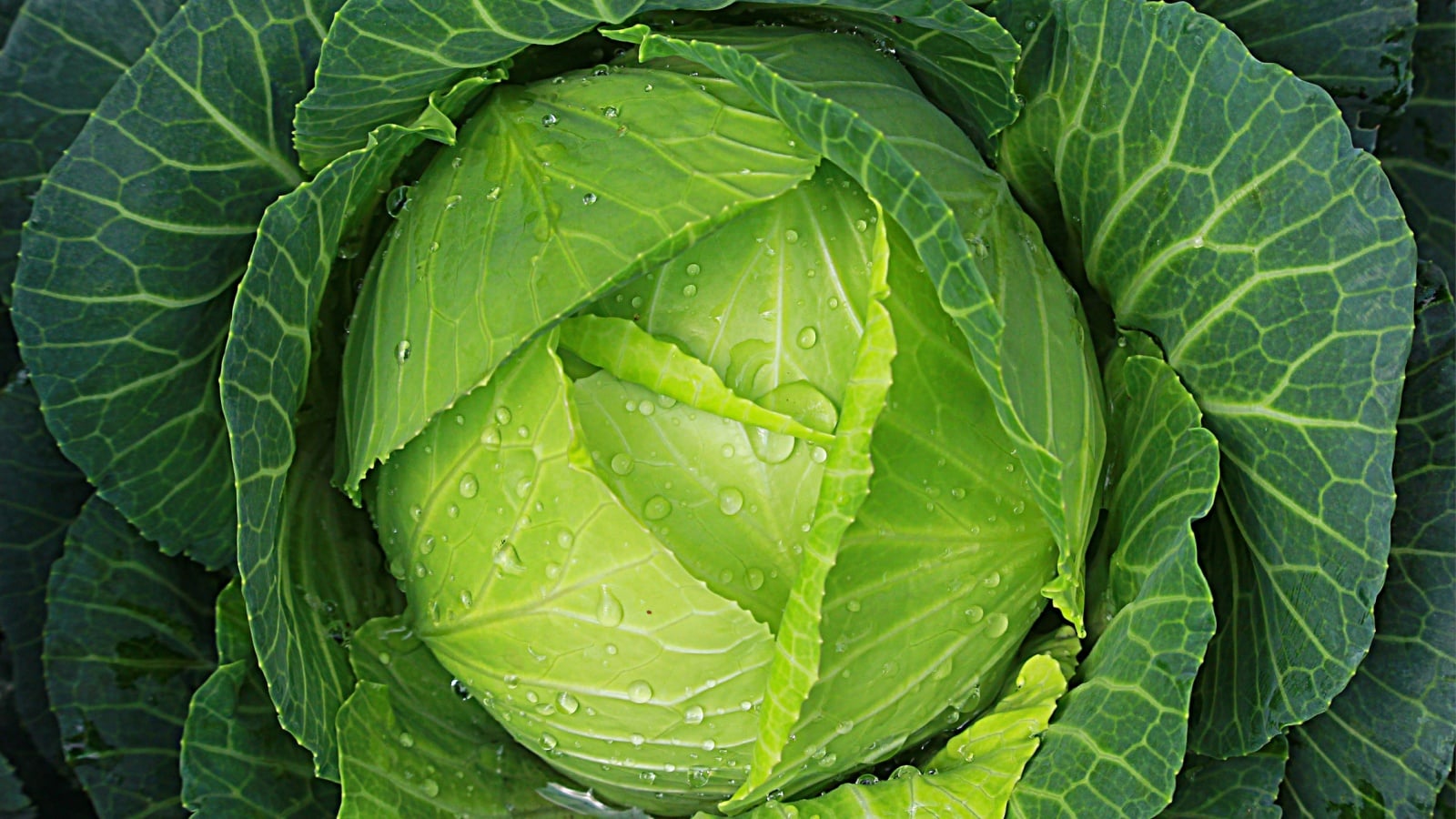
Cabbage is a staple in our house. It is inexpensive, low in calories, and high in fiber. Besides making slaw, cabbage rolls are a family favorite. We also boil and roast it for a healthy side dish.
Cucumbers

Cucumbers can be incredibly cheap, depending on the season and the stores in your area. You can eat them raw on top of salads or with dip, pickle them, or make many tasty sides. Cold cucumber soup on a hot day will cool you right off.
Celery

Celery is a good buy year-round. Add it to salads or top it with peanut butter for a tasty snack. Toss it into soup or a stir-fry to add a little crunch. It’s filling but not very calorie-dense.
Lettuce
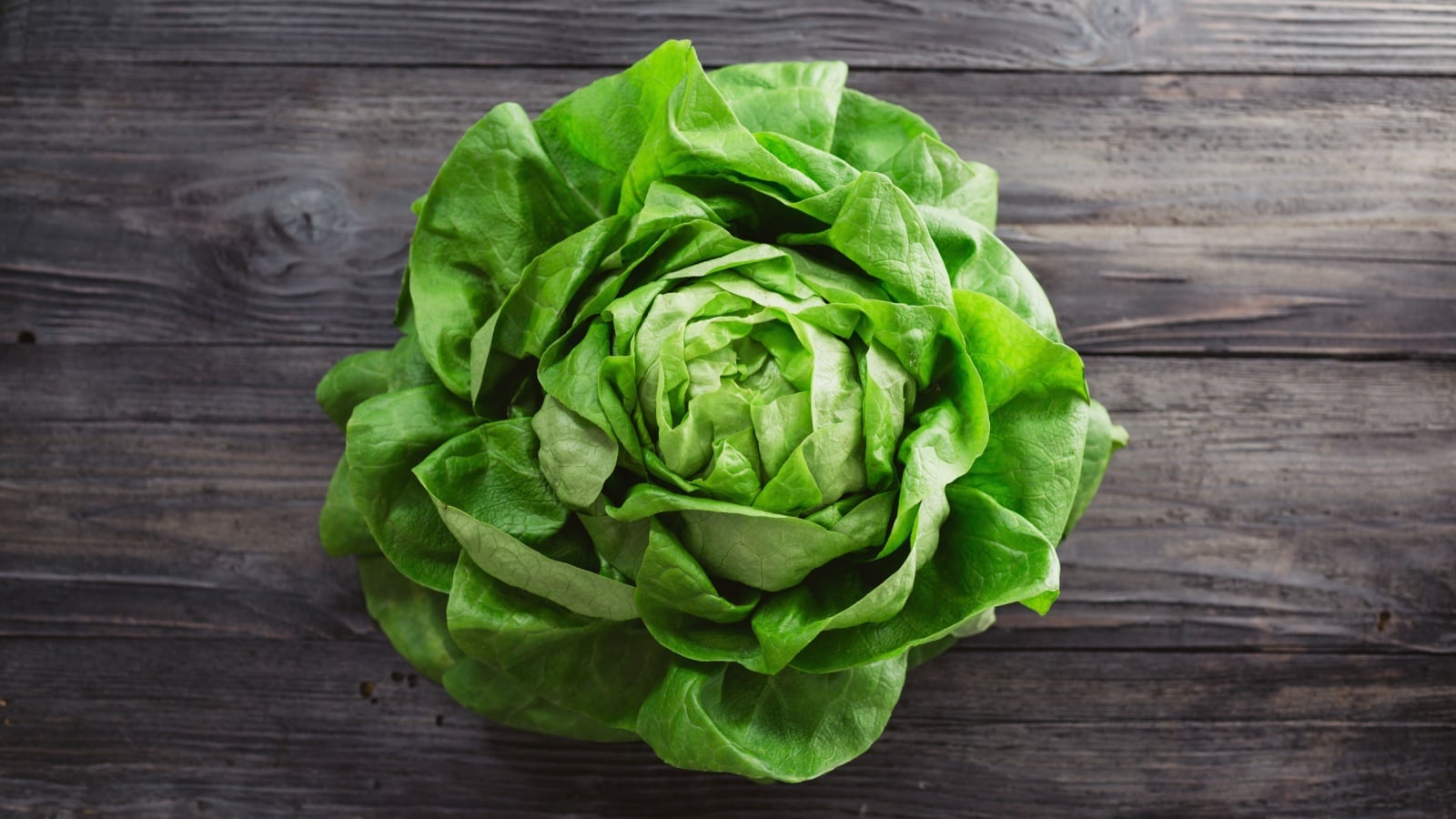
Most lettuce varieties are affordable and nutritious. Even the cheapest iceberg lettuce is a good source of vitamins A, K, and others. However, using it for sandwiches and salads can get a little boring. We like to cut it into wedges for a nice change and then throw them on the grill.
Kale
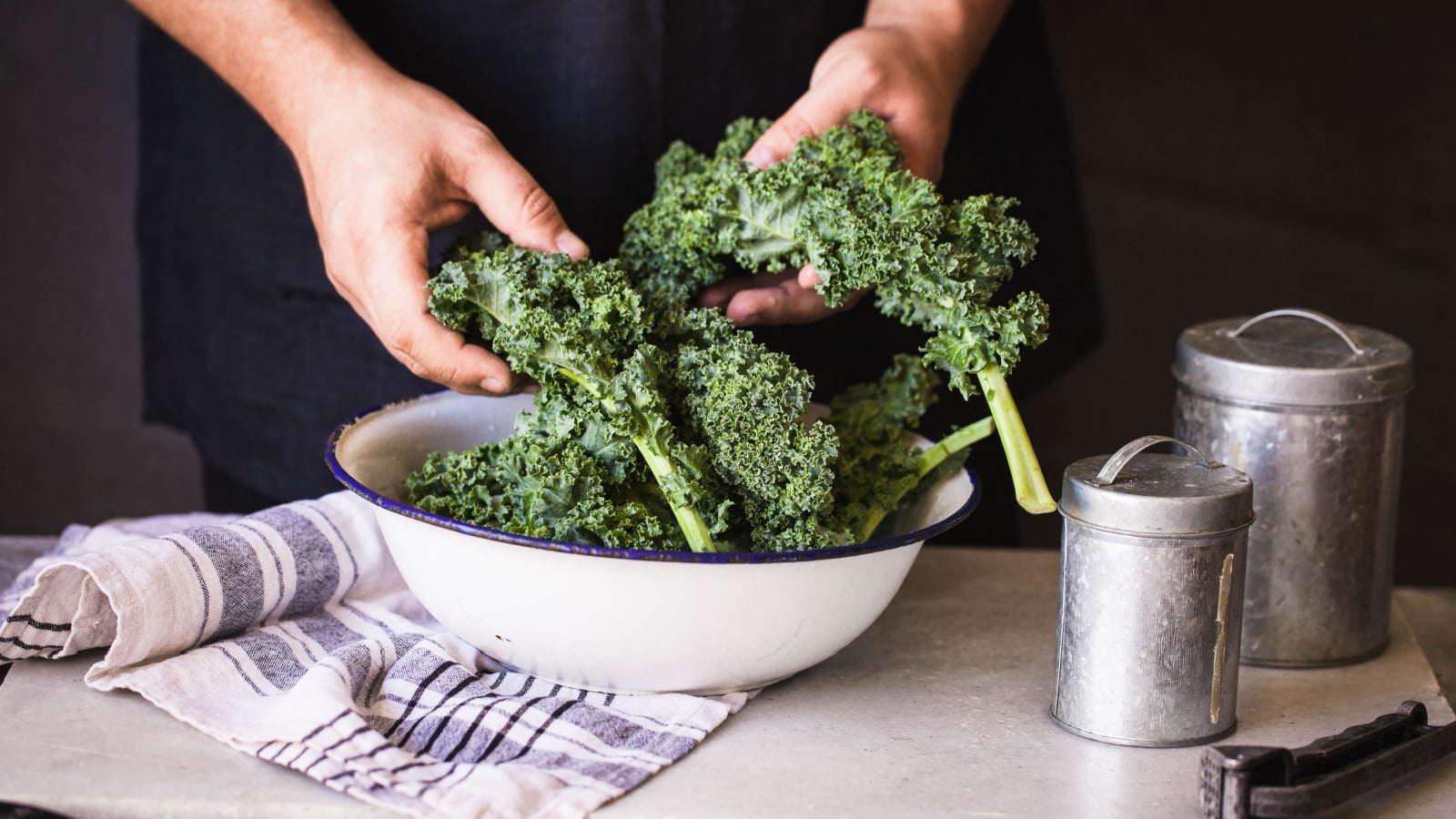
Kale is often touted as a superfood and a must-have ingredient for green smoothies. While it’s chock full of vitamins, antioxidants, and essential minerals, it’s also inexpensive. We can find it around here for less than $1.50 a bunch. Sometimes, the 1 and 2-pound bags can be a bargain if you can use it all.
Onions
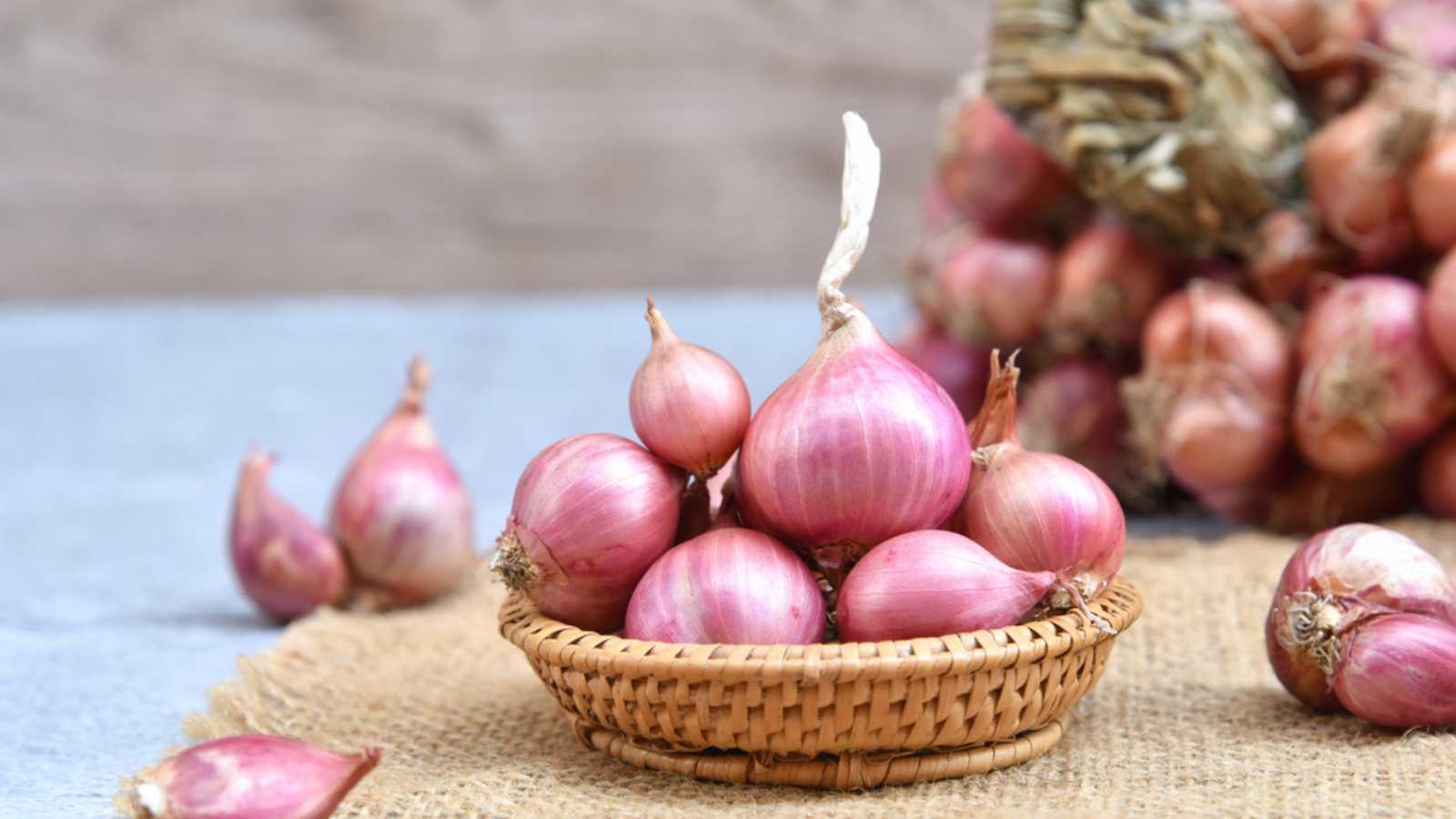
Onions are essential foods that are always good to have on hand. They store well and enhance the flavor of almost any dish. They’re also reasonably priced most of the year.
Garlic
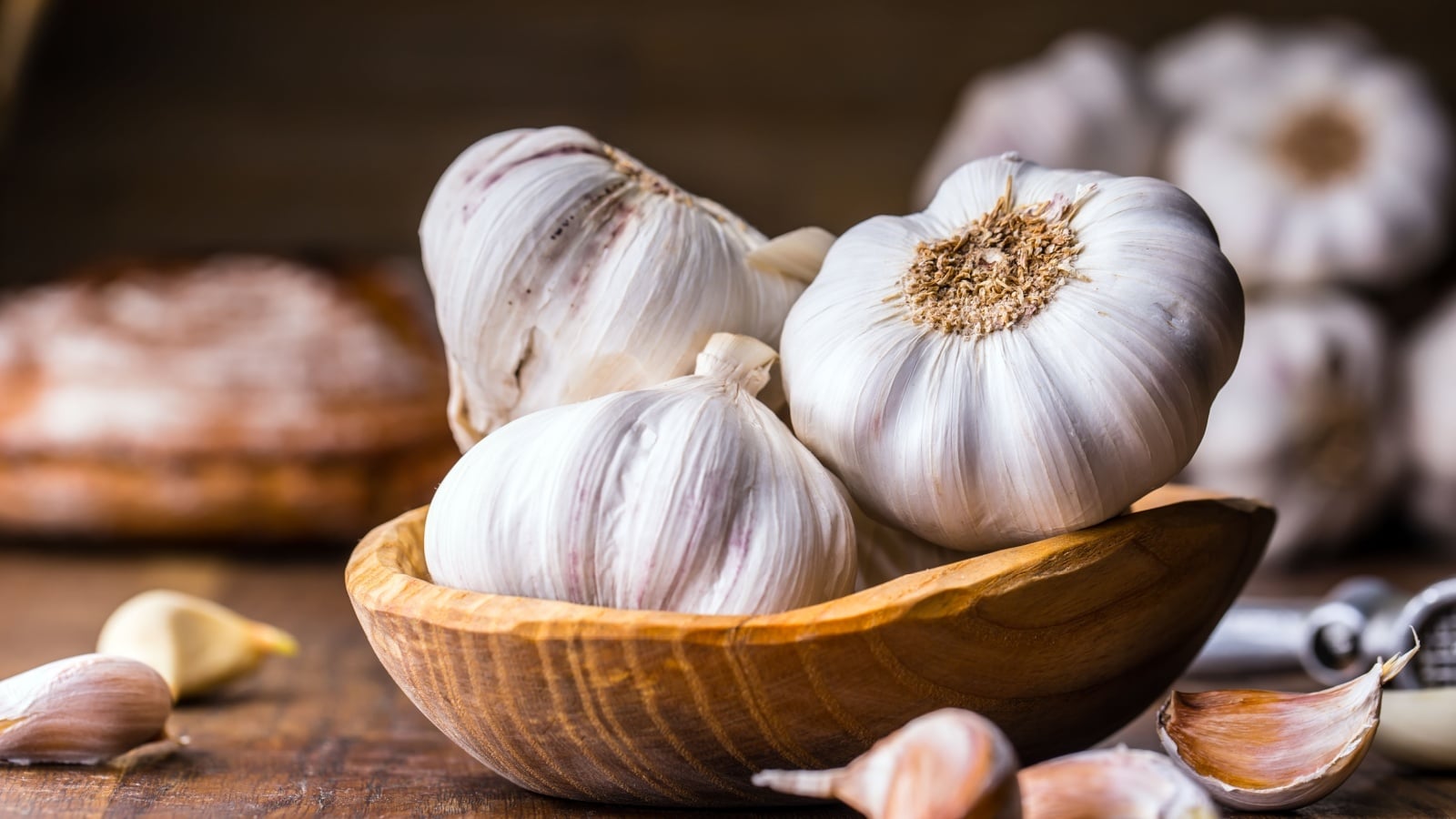
Garlic has many proven health benefits and is a powerful flavor addition to any meal. A little goes a long way, and garlic has a long shelf life. To save the most money, buy bulbs, not the peeled or chopped kinds in jars.
Bagged Salad

Bagged salad mixes are not usually a good deal for what you get. You can make a more enormous, cheaper salad with a head of lettuce, a couple of carrots, maybe some purple cabbage, and whatever else you have in the crisper. That said, sometimes bagged salad goes on sale at very tempting prices. A couple of our local markets will offer a buy one, get one free deal, making them an inexpensive option.
Apples

Apples are among the cheapest fruits and the best deals in the produce department when you buy inexpensive varieties like Gala or Red Delicious. At least one variety is in season all year round.
Bananas
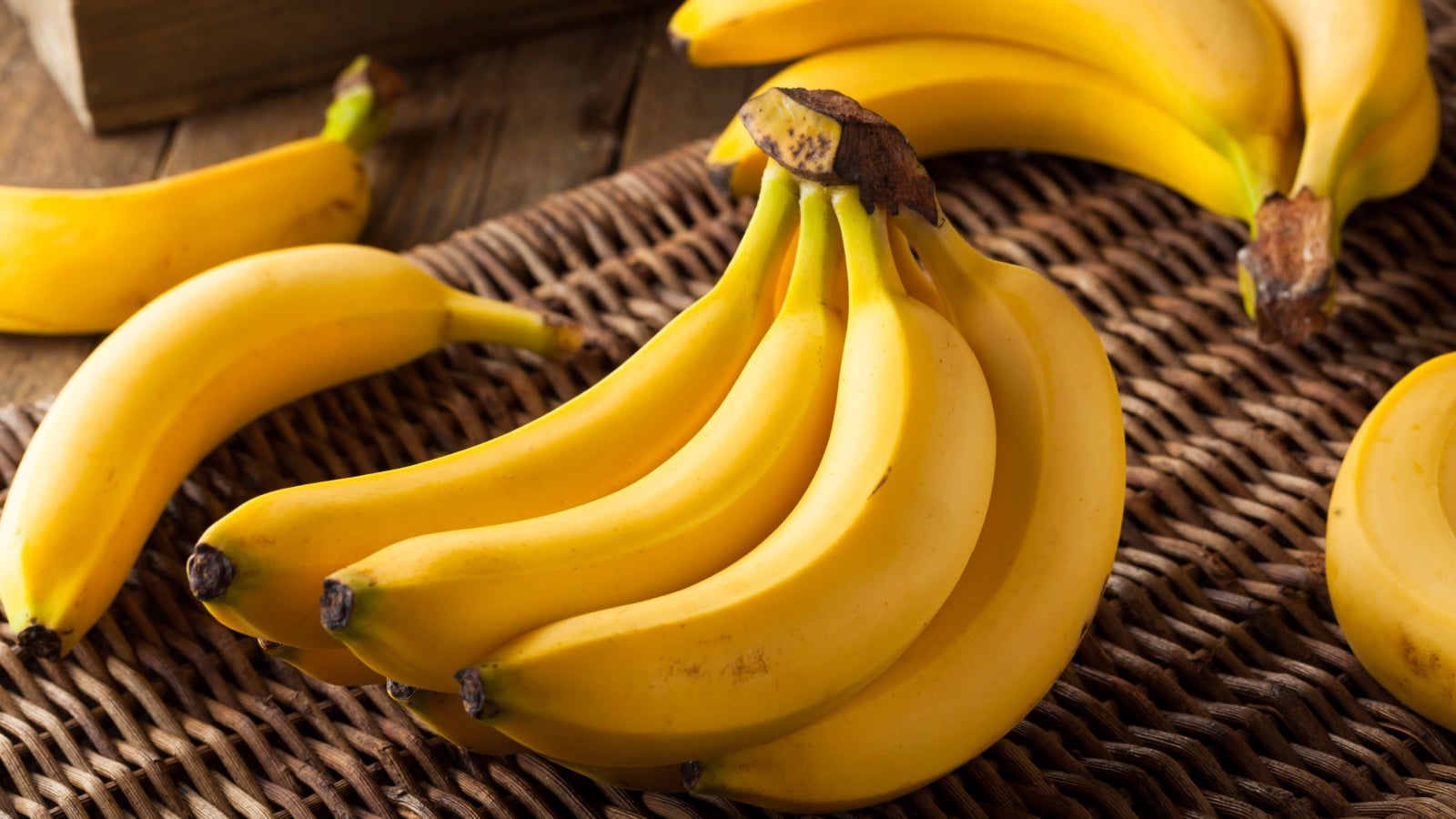
A bunch of bananas is another great deal you’ll find in the produce section. They’re also my favorite portable nutritious snack. There was a time when I never left for work without one. They’re an excellent way to get more potassium and fiber into your diet.
Oranges

Everyone knows oranges are high in vitamin C and delicious. You can find them year-round, but the prices are not that great off-season. I don’t go through the trouble of making fresh OJ, but it is much better than the stuff from concentrate.
Cantaloupe

It’s not as cheap as other choices, but it’s a good change of pace if you ever get sick of apples, oranges, and bananas. It’s also packed with vitamins and minerals and goes great with yogurt or a fruit salad.
Kiwi
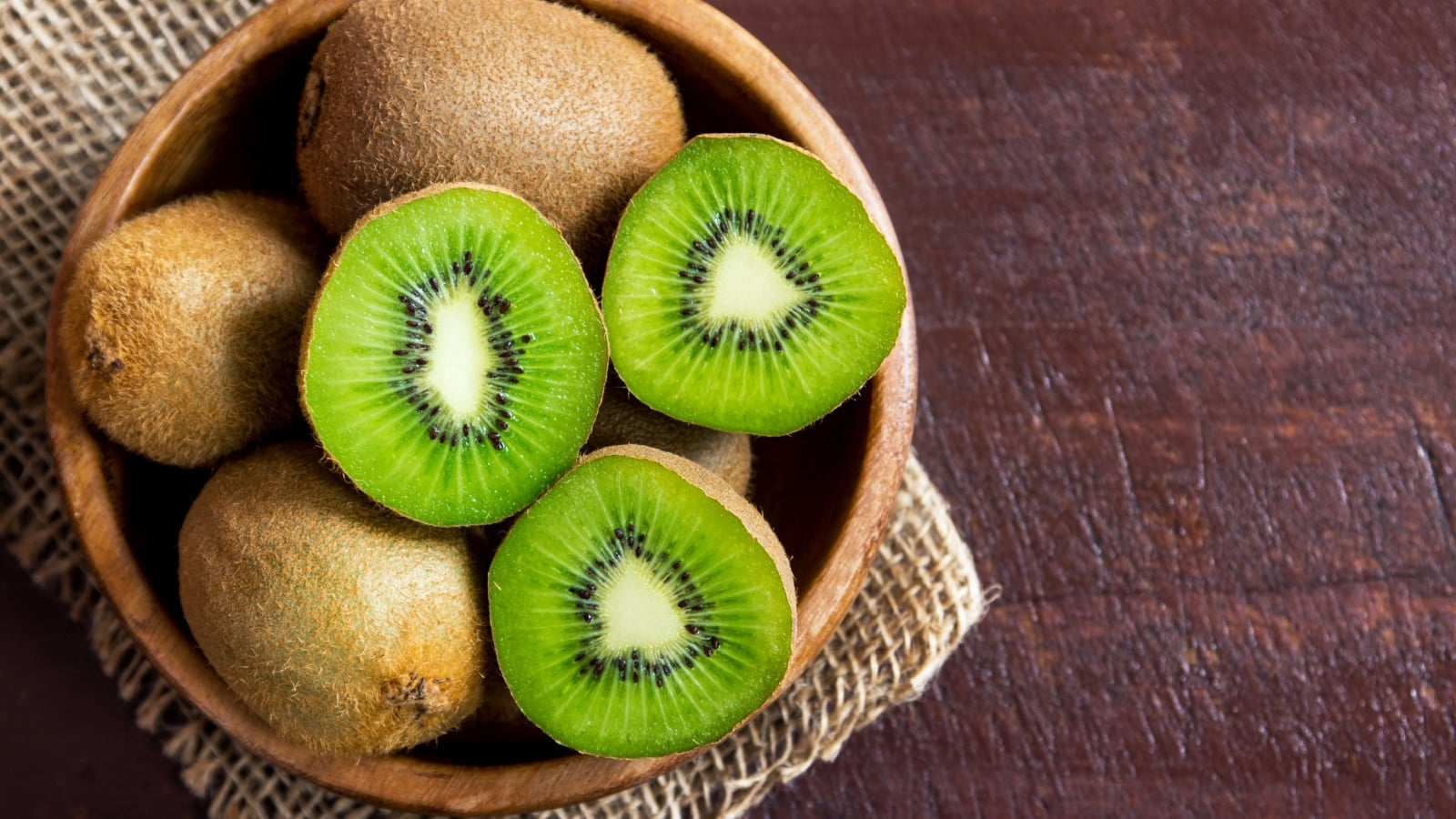
In season, kiwis are available at Aldi and other grocers for three for 99 cents. They’re sweet and juicy and a superb source of vitamin C. They’re refreshing on their own and go well in a fruit salad.
Watermelon

I can’t imagine a summer without watermelon. It’s super cheap, keeps you hydrated, and there’s more to it than just its high water content. Watermelon is also a good source of vitamin A, vitamin C, and potassium.
Grapes

You don’t have to look hard to find a fantastic deal on grapes during the summer months. They’re great for snacking right from the fridge or freezer and an excellent addition to that summer fruit salad I keep discussing.
10 Practical Ways to Be Frugal Without Being Cheap

You can be frugal without being cheap by understanding the difference between price and value. A cheap person cares only about getting the lowest price. Frugal people look at price as one factor that determines value.
10 Practical Ways to Be Frugal Without Being Cheap
12 Keys to Embracing a Frugal Lifestyle

To some, living a frugal lifestyle might involve extreme couponing. For others, never paying full price for anything could be a commitment. But what does it mean to live a frugal lifestyle? Are there general rules to follow, or is there an assortment of ideas you cherry-pick from? The first step is to understand what living frugally really means.